
Reviewed · THE NETHERLANDS
Oranjehotel World War II Prison Entrance Ticket
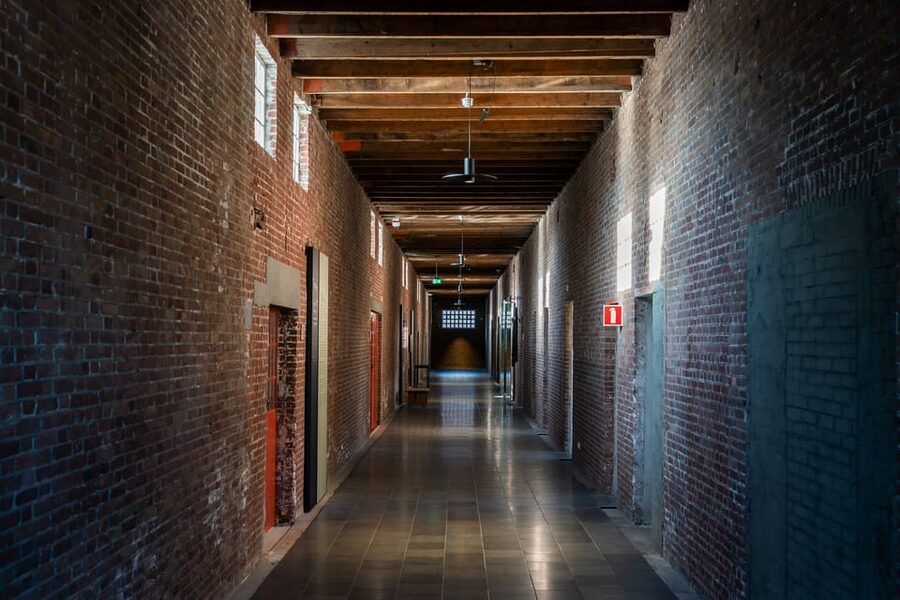
More than 250 people were sentenced to death and executed at the Oranjehotel during the Nazi occupation. This former prison in The Hague does not soften that fact, but it explains it through prisoner letters, photographs, documents, interviews, and audio fragments. Cell 601, the death cell, is the visit’s most sobering stop.
I like two things right away: you can move at your own pace, and the audio guide turns bare rooms into personal stories of hunger, fear, faith, solidarity, and hope. The staff are friendly and helpful, and families can make this work for older children. The main limitation is size: there is only one preserved death cell, so anyone expecting a large prison complex may find the visit short.
Key points to know before you go
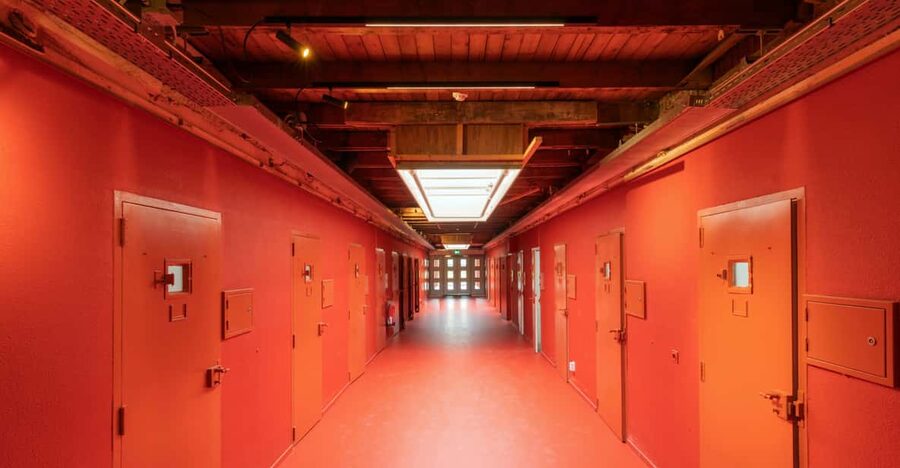
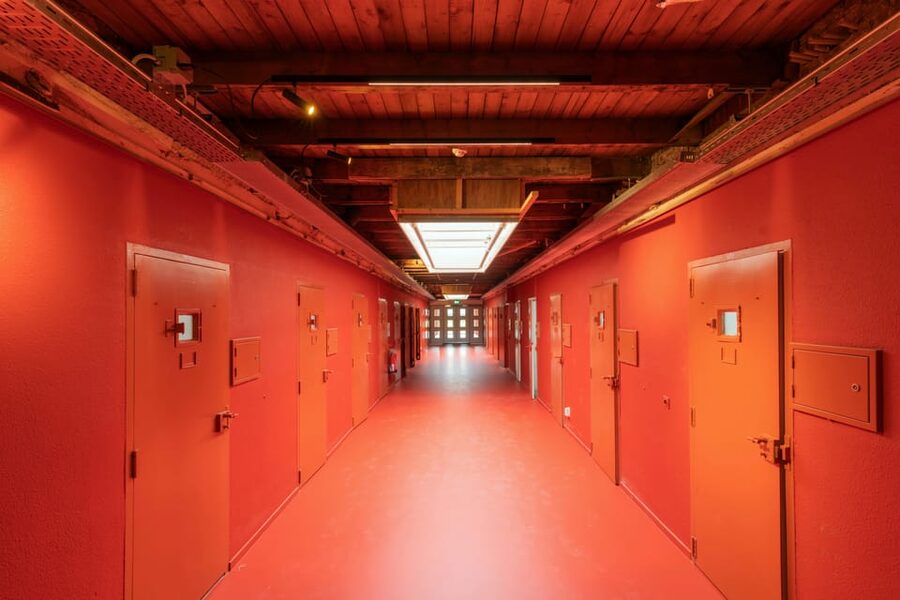
- Cell 601 is the emotional center: Enter the notorious death cell where prisoners awaited execution by firing squad.
- The audio guide carries the visit: Choose English, Dutch, German, or French, then follow the numbered route through the building.
- Personal stories matter here: Letters, photographs, interviews, and recorded voices show how imprisonment affected families as well as prisoners.
- The visit is self-guided: You are not joining a live tour, so you can pause, read, listen, and reflect without keeping up with a group.
- Plan for a serious museum stop: The subject is fear, hunger, injustice, executions, and wartime loss, balanced by stories of resistance and hope.
- The $15 price is fair for the material: Admission includes the audio guide and a carefully presented memorial, though the physical site is not huge.
Why the Oranjehotel matters in Dutch history
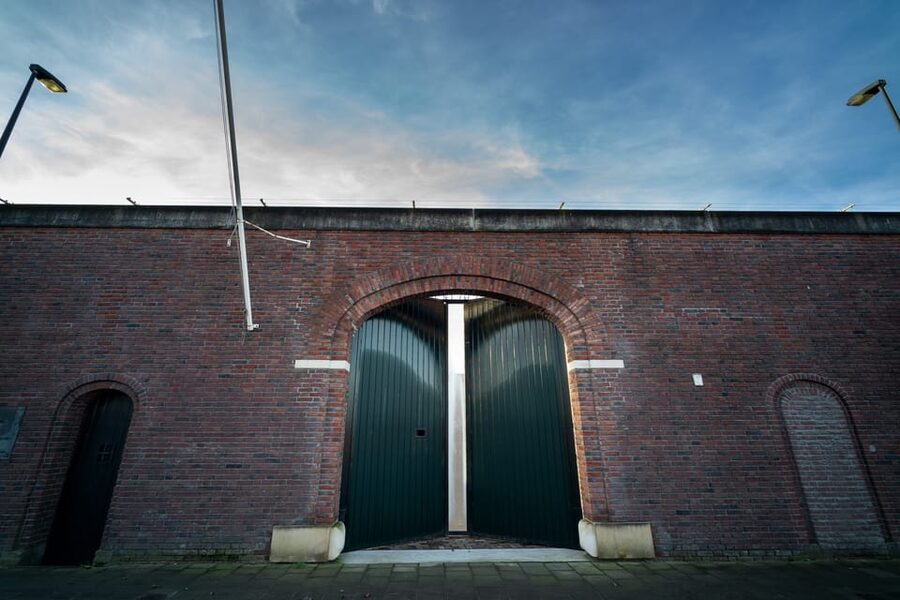
The Oranjehotel was the most important Nazi prison in the Netherlands during the Second World War. The name sounds almost cheerful, but it was a nickname for a place where the occupying authorities imprisoned people suspected of resistance, opposition, or other offenses.
For more than 250 prisoners, this was the final stop before execution. They were sentenced to death and killed by firing squad. That number gives the building its weight, but the exhibition wisely avoids treating the victims as a single statistic. You hear about individuals, their families, and the uncertainty of waiting.
I find that approach useful because the history of occupation can otherwise become a list of dates and military events. Here, the focus is on what imprisonment did to a person. A letter, a photograph, or a recorded account can explain fear more clearly than a long paragraph about Nazi rule.
The exhibition also places the prison within the wider story of the occupied Netherlands. You learn about the rise of resistance, the building’s role, and what happened to people held there. The material also follows the consequences after the war, including the effect on families and the long shadow left by imprisonment.
A few more things to do in the Netherlands worth a look
- Amsterdam: Van Gogh Museum Ticket
★ 4.7 · 52,054 reviews - Amsterdam: Heineken Experience Ticket
★ 4.6 · 30,055 reviews - Amsterdam: Rijksmuseum Entry Ticket
★ 4.7 · 25,535 reviews
Entering the prison and getting started
Your visit begins at Nationaal Monument Oranjehotel, at Van Alkemadelaan 1258 in The Hague. The admission ticket includes the audio guide, so you do not need to arrange a separate guided tour.
The format is simple. Staff explain how to begin, and you follow the numbered route around the building. This setup gives you control over the pace. If a document catches your attention, you can stay with it. If a section feels heavy, you can take a quiet pause before continuing.
That freedom is important in a memorial museum. A live group may keep moving just as you reach the most meaningful part. Here, you can listen again, read at your own speed, and give the difficult material the attention it deserves.
The audio guide is available in English, Dutch, German, and French. The information supplied does not name individual guides, because this is an audio-led visit rather than a tour with a named presenter. Staff members are there to help you get oriented, but the main interpretation comes through the recordings and displays.
Following the numbered route through the cells
The route combines physical rooms with documents, photographs, videos, interviews, and audio fragments. You are not simply walking through empty prison spaces. The exhibition uses evidence and testimony to explain who was held there and what daily life meant under confinement.
The strongest material deals with ordinary prison realities: hunger, insecurity, isolation, and not knowing what would happen next. These details are valuable because they show imprisonment as a long experience, not just a dramatic moment at the end.
You also learn how detention affected people outside the prison. Families faced uncertainty, disruption, and the fear that a letter or visit might be their last contact. That wider focus makes the exhibition more than a memorial to those executed. It also considers the damage done to parents, partners, children, and other relatives.
Expect plenty of written material. One practical point is that the visit rewards patience. If you only glance at the rooms, you may feel there is not a great deal to see. If you use the audio guide and stop for the documents and recorded accounts, the experience becomes much fuller.
Cell 601, the visit’s hardest stop
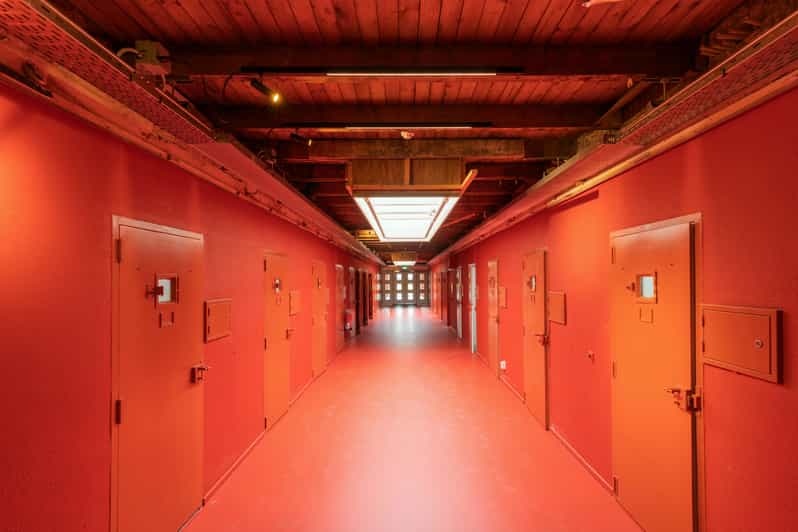
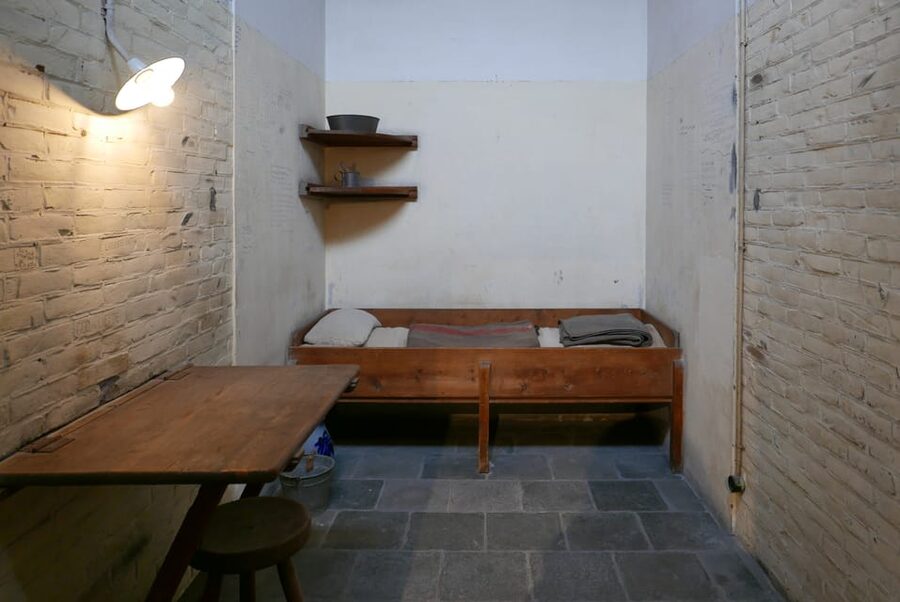
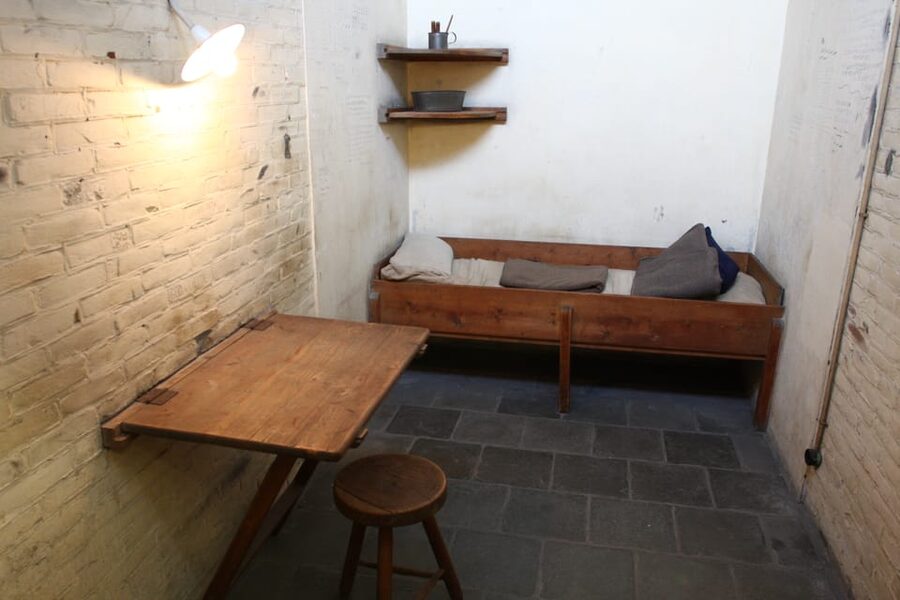
Cell 601 is the notorious death cell and the clearest reason to visit the Oranjehotel. This is where you confront the final stage faced by prisoners sentenced to death.
The room itself is not a grand museum object. Its power comes from the purpose it served and the stories attached to it. You are placed close to the reality of people waiting for execution by firing squad. There is no need for theatrical presentation. The setting and the audio material do enough.
The cell is also a reminder of the limits of the site. Only one death cell is available to enter, and some of the other prison rooms are presented through exhibition material rather than a long sequence of untouched cells. If you want to see a vast prison compound, this will not provide that.
Still, I would not judge the visit by the number of rooms. Cell 601 works because the museum gives you context before and around it. By the time you reach it, you have learned about imprisonment, resistance, hunger, families, and the uncertain fate of detainees. The cell then feels like part of a human story rather than an isolated object.
Same city, a different sort of day:
- Amsterdam Classic Saloon Boat Cruise with Drinks and Cheese
★ 5.0 · 31,825 reviews - Amsterdam Luxury Canal Cruise + Unlimited Drinks & Bites option
★ 5.0 · 30,518 reviews - Amsterdam: Classic Boat Cruise with Optional Cheese & Wine
★ 4.6 · 22,925 reviews - Amsterdam: Evening Cruise with Optional Wine and Snacks
★ 4.4 · 19,696 reviews
Resistance, fear, and small acts of hope
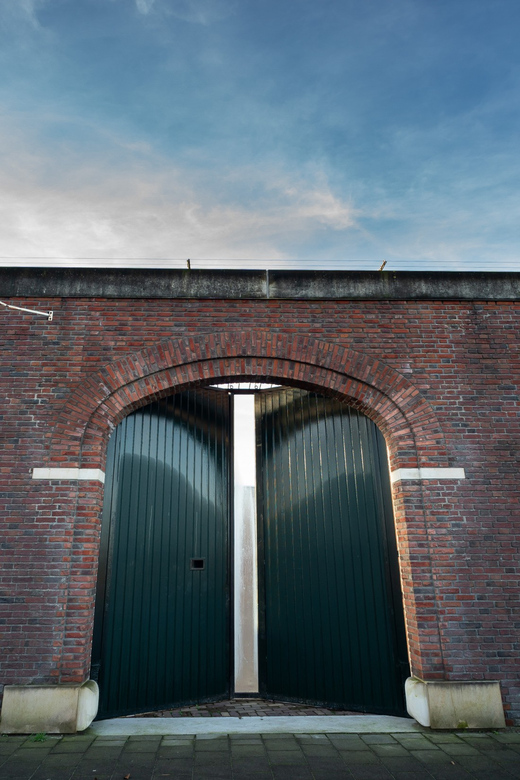
The Oranjehotel also explains the rise of resistance in the occupied Netherlands. The exhibition does not present resistance as a simple story of heroes and villains. Instead, it shows the pressure people faced and the risks connected with opposing the occupiers.
The balance between fear and hope is one of the strongest parts of the visit. You hear about injustice, hunger, and insecurity, but also about solidarity, faith, and the belief that freedom could return. That balance matters. Prisoners were not only victims of a system. They also remained people with loyalties, convictions, friendships, and ways of supporting one another.
The audio guide helps make these themes personal. Recorded interviews and audio fragments add a human voice to the documents and photographs. For many people, that combination will be more affecting than a conventional display of military objects.
This is also a good place to remember that the museum is not offering a cheerful afternoon attraction. The subject is serious and sometimes upsetting. The best approach is to give yourself enough time and avoid treating it as a quick stop between unrelated sights.
A good choice for families with older children
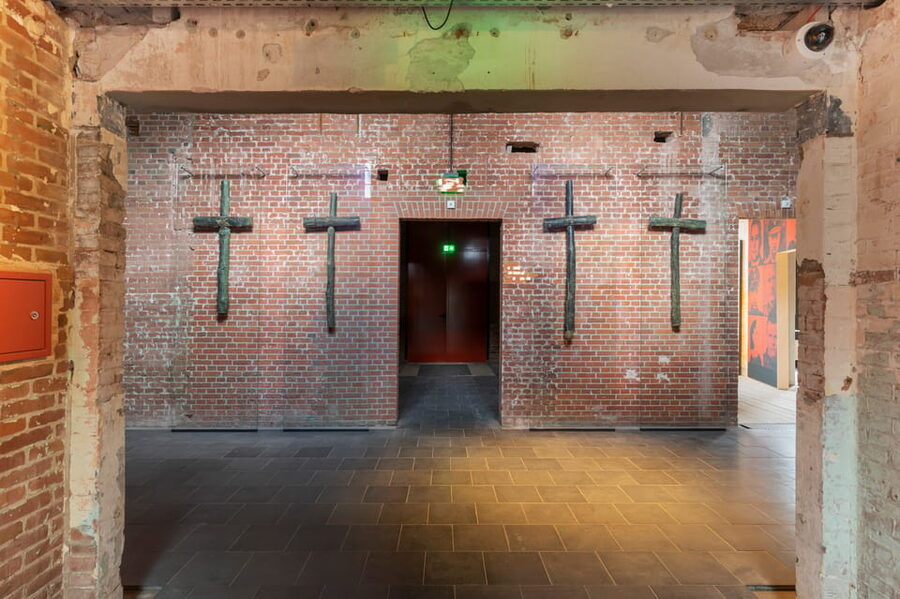
The Oranjehotel can work well for families, but age and preparation matter. Children around eight, ten, twelve, and older have engaged with the material, and teenagers can connect it to wider lessons about war, justice, and freedom.
Younger children may not absorb every detail, especially when the exhibition deals with execution, imprisonment, and the suffering of families. It helps to explain before entering that this is a memorial and that some rooms and stories may be difficult.
The self-guided format gives families an advantage. You can stop to answer questions rather than waiting for a group. You can also shorten the visit if a child has had enough. Older children may appreciate the photographs, letters, and videos because they make the history more concrete.
I especially like the way the experience can continue after you leave. The subject is serious enough to prompt a dinner conversation about war, freedom, and how people behave under pressure. That is a better result than having children simply collect another museum visit.
How long to allow and what the pace feels like
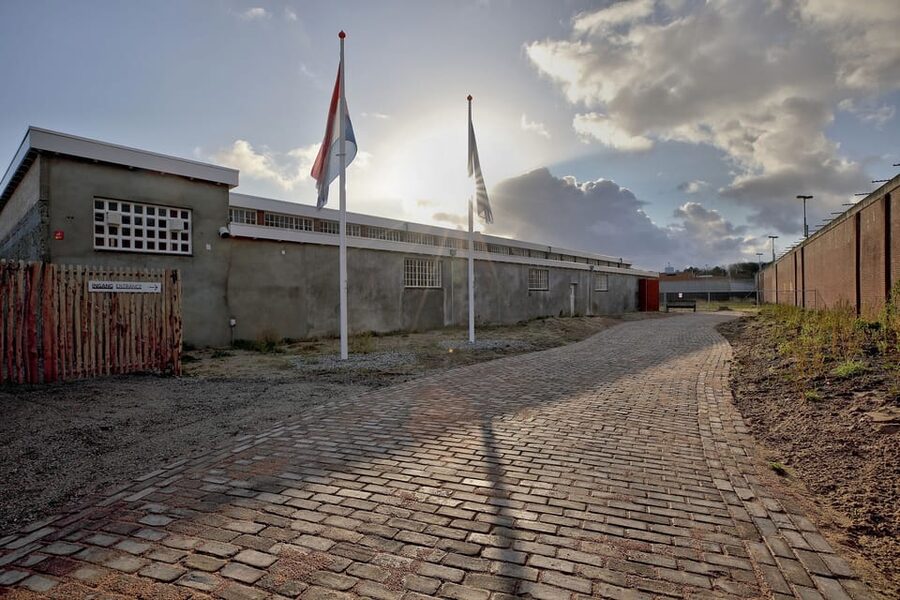
The ticket is valid for one day, and you choose an available starting time when booking. There is no fixed live-tour schedule described, so you should think of this as a flexible, self-guided museum visit rather than a timed performance.
The exact visit length is not given. Your time will depend on how closely you listen to the audio guide and how much you read. A quick visitor may feel the museum is limited, while someone who listens to every story and studies the documents will need longer.
Do not rush the numbered route. The best rhythm is to listen to one section, look at the related material, and pause before moving on. This is a place where silence is part of the experience.
If you have just come from a busy day in The Hague, allow yourself a mental change of pace. The Oranjehotel asks for attention. It is not difficult to navigate, but it is emotionally demanding.
Is $15 good value?
At $15 per person, the ticket is reasonably priced for The Hague, especially since the audio guide is included. You are paying for access to a historic prison site, a carefully arranged memorial exhibition, and interpretation in four languages.
The value depends on what you want from a museum. If you measure value by the number of rooms or objects, you may find the visit modest. One visitor specifically felt there was not a lot to see, and another wished more cells had been left unchanged. That is a fair caution.
If you value first-hand places, personal testimony, and a focused explanation of occupation, the price makes more sense. The letters, photographs, recorded voices, and family stories give the site depth that a simple building tour would not have.
The ticket also includes practical flexibility. You can cancel up to 24 hours before the visit for a full refund, and a reserve now, pay later option is available. Those policies are useful if your Hague plans are still shifting, but the main value remains the quality of the memorial rather than the booking terms.
Food and drinks are not included. Plan those separately. Some families have paired the visit with tea and cake afterward, then continued into The Hague by bicycle, but those are independent plans rather than part of the admission.
Access, language, and practical comfort
The venue is wheelchair accessible. That makes the visit easier for people who need step-free access, though anyone with specific mobility concerns may still want to confirm details directly before booking.
The audio guide is offered in English, Dutch, German, and French. Written information, photographs, and videos add different ways to take in the material, which is helpful if you prefer not to rely on audio alone.
Staff are described as friendly and welcoming, and they help explain how to begin. Since the route is self-guided, you do not need to manage a group or keep pace with a guide. That is especially useful for families or anyone who needs extra time with sensitive material.
There are no food or drink services included in the ticket. Treat the museum as a focused historical visit, then make your own plans for a café or meal afterward.
Who should visit the Oranjehotel?
I would recommend this experience if you want to understand the Dutch occupation through individual lives rather than military hardware. It suits anyone interested in wartime history, resistance movements, memorials, or the way political violence affects families.
It is also a strong choice if you prefer self-guided visits. You can listen in English or another available language, move slowly, and decide how much time to spend with each section.
Families with school-age children and teenagers can make good use of it, provided adults prepare them for the serious subject. The exhibition is educational without requiring a live lecture, and the audio format lets you explain difficult points as they arise.
I would be more cautious if you want a large museum with many restored rooms, extensive collections, or a light sightseeing stop. The Oranjehotel is compact and focused. Its strength is the emotional force of the place and the personal material, not the sheer quantity of things to see.
Should you book the Oranjehotel ticket?
Book it if Cell 601, the history of Dutch resistance, and personal accounts of Nazi imprisonment matter to you. At $15, the included audio guide and carefully arranged memorial make it a worthwhile stop in The Hague, especially if you give the material enough time.
Skip it if you are looking only for a broad, object-filled museum or a relaxed family attraction. The site is serious, the subject can be painful, and the physical display is limited.
For most history-minded visitors, I would make room for it. You will leave with a clearer sense of what occupation meant inside a prison, how families carried the burden, and why freedom is not an abstract idea.
FAQ
Where is the Oranjehotel located?
The Nationaal Monument Oranjehotel is at Van Alkemadelaan 1258, 2597 BP Den Haag, Netherlands.
What does the entrance ticket include?
The ticket includes admission to the Oranjehotel and an audio guide. Food and drinks are not included.
Is the visit guided by a person?
No live guided tour is included. You explore the site independently by following the numbered route with the audio guide.
Which audio guide languages are available?
The audio guide is available in English, Dutch, German, and French.
Can I enter Cell 601?
Yes. The visit includes entry to Cell 601, the notorious death cell.
Is the Oranjehotel wheelchair accessible?
Yes. The experience is wheelchair accessible.
Just added in the Netherlands
- Aalsmeer: Flower Auction Royal Flora Holland Entry Ticket★ 4.6 · 41 reviews
- The Hague: Old City Private Walking Tour★ 4.4 · 81 reviews
- Rotterdam: Highlights & Gems Walking Tour with Dutch Local★ 5.0 · 133 reviews
- The rise of Haarlem: Culture, History, Art and Architecture Walking Tour★ 5.0 · 59 reviews
- Haarlem Old Town Private Walking Tour★ 5.0 · 24 reviews
- 2 Hours Walking Tour Throughout History & Highlights of Haarlem★ 4.5 · 18 reviews
- Highlight Running Tour★ 5.0 · 118 reviews
- Maastricht Privat Sightseeing City Walk★ 5.0 · 76 reviews