Reviewed · TOURS IN AMSTERDAM
Amsterdam Architecture Tour
Amsterdam’s canal ring is far more than a pretty strip of water. On this private walking tour, you learn how trade, defense, religion, and cramped city planning shaped the houses around you. I especially like the look inside Huis Bartolotti, where the canal house’s garden reveals a side of Amsterdam many visitors miss, and the chance to ask a guide such as Tijs or Edgar about the details as you go.
I also like the small-group format. With only your own party, you can pause over a gable, ask why houses are narrow, or follow an unexpected story without holding up a crowd. The main drawback is the price: $384.63 is sensible for a full group of eight, but costly for one or two people.
Key points to know before booking
- Private attention: Your group alone joins the guide, making it easy to ask questions and adjust the pace.
- Huis Bartolotti inside visit: About 15 minutes are set aside to see one of Amsterdam’s finest canal houses and its garden.
- Architecture with a purpose: The tour connects house styles to trade, religion, city walls, water, and limited building space.
- Strong guide-led storytelling: Tijs and Edgar are named guides associated with warm, clear explanations and a good sense of humor.
- Fixed group price: The $384.63 cost covers up to eight people, so the value improves sharply with a larger party.
- Convenient timing: You can choose from several start times, and the walk returns to its meeting point on Brouwersgracht.
Reading Amsterdam through its canal ring
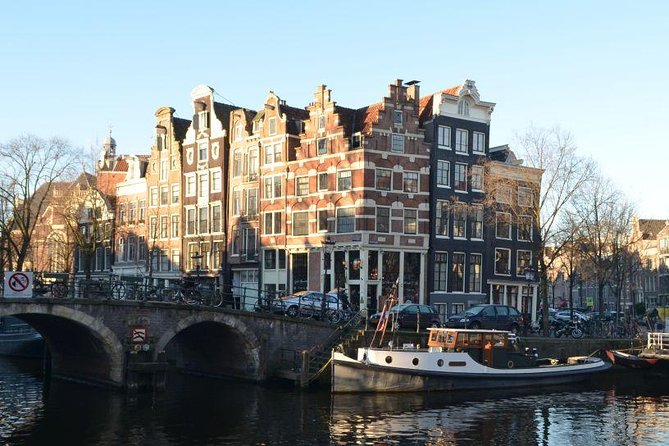
The best part of this experience is that it teaches you how to read Amsterdam. Instead of seeing a row of attractive buildings, you begin to notice why the canal houses differ in width, height, decoration, and shape.
The canal ring grew as Amsterdam expanded rapidly from its medieval core. Trade brought money and people, while the city had to work within tight physical limits. Waterways helped move goods and organize the city, and the canal defenses helped protect it. The tour connects these practical needs to the buildings you see in front of you.
That gives the walk a useful purpose. You are not simply collecting names and dates. You are learning why the city looks the way it does, including why its skyline remains relatively low and why certain traces of old fortifications can still be found.
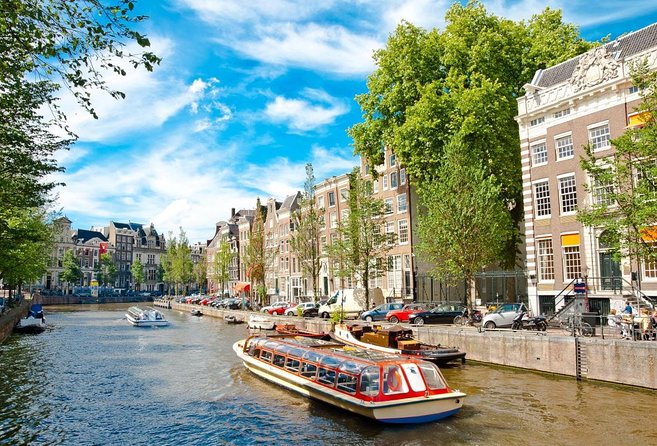
Your guide can also point out the range of architecture along the water. Some houses are restrained, others display elaborate gables and decoration, and their different widths tell you something about status, land, and the taxes or building limits of earlier Amsterdam. I find this kind of explanation more lasting than a list of famous buildings because you can keep using it for the rest of your visit.
Other trips people book in Amsterdam:
- Amsterdam: Van Gogh Museum Ticket
★ 4.7 · 52,054 reviews - Amsterdam Classic Saloon Boat Cruise with Drinks and Cheese
★ 5.0 · 31,825 reviews - Amsterdam Luxury Canal Cruise + Unlimited Drinks & Bites option
★ 5.0 · 30,518 reviews
Beginning at Brouwersgracht 64
The tour starts at Design Amsterdam, Brouwersgracht 64, in the 1013 GX area. This location puts you near the canal district from the start, so you do not spend the opening part of the tour traveling out to the subject.
You receive a mobile ticket, and the activity is offered in English. Several start times are available, which helps if you are fitting the walk between museum visits, meals, or another appointment.
Because the tour lasts about two and a half hours, wear comfortable shoes and expect a steady city walk. A moderate level of physical fitness is recommended. The exact walking pace can benefit from the private format, since you can ask your guide to explain a detail rather than rushing past it.
The tour ends back at the meeting point. That is useful if you have left belongings nearby or want to continue exploring the canal district from the same area.
Huis Bartolotti and the secret behind canal houses
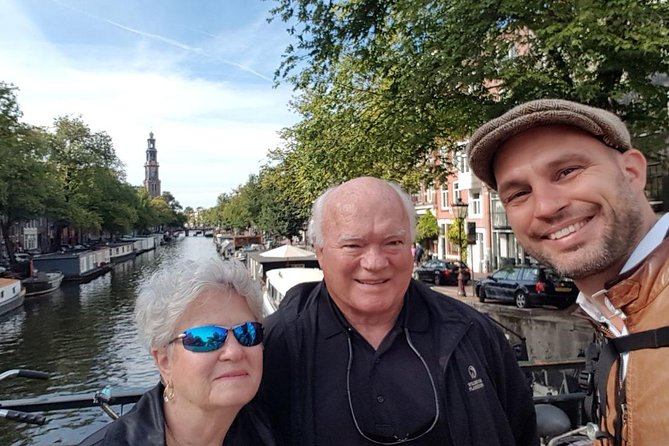
Huis Bartolotti is the clearest reason to choose this tour over a general walk that only passes buildings from the street. The visit lasts about 15 minutes and includes admission.
The house is presented as one of Amsterdam’s most beautiful canal houses, with an interior that matches the ambition of its exterior. You get to see how a canal house works beyond its facade, including its garden. That garden matters because canal houses often hide outdoor spaces behind their narrow street fronts.
This is a useful correction to the usual Amsterdam picture. From the canal, you mainly see brick, windows, steps, and decorative gables. Inside, the layout can stretch farther back than expected, with rooms and garden space arranged behind the public face of the building.
The tour also explains the house as part of the wider canal ring, rather than treating it as an isolated showpiece. Its design helps you understand how wealthy owners used limited urban plots to create impressive homes.
The interior visit is short, so you should not book this expecting a long museum session. Its value comes from the contrast it provides: after studying the canal fronts outside, you step inside one of them and see the private side of the city.
A late seventeenth-century answer to religious limits
Another stop presents a special example of late seventeenth-century architecture. The building was an inventive response to physical restrictions faced by religious minorities.
This is one of the strongest themes of the walk because Amsterdam’s buildings often reflect rules and compromises as much as personal taste. When a group could not use a conventional public form of worship, architecture had to solve the problem within the space and legal conditions available.
Your guide explains how the structure works and why it matters. The point is not only that the building is unusual. It shows how religious life shaped the city’s streets, interiors, and building choices.
This section should appeal to you if you like architecture that answers a practical problem. You are not just studying decoration. You are seeing how belief, law, and urban planning met in one building.
Same city, a different sort of day:
- Amsterdam: Heineken Experience Ticket
★ 4.6 · 30,055 reviews - Amsterdam: Rijksmuseum Entry Ticket
★ 4.7 · 25,535 reviews - Amsterdam: Classic Boat Cruise with Optional Cheese & Wine
★ 4.6 · 22,925 reviews - Amsterdam: Evening Cruise with Optional Wine and Snacks
★ 4.4 · 19,696 reviews
Westerkerk and the logic of early seventeenth-century design
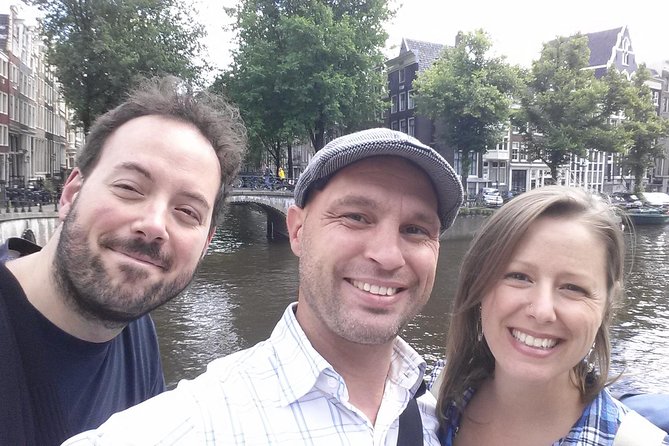
The walk continues into early seventeenth-century architecture, with particular attention to the Westerkerk. This part helps place the canal houses beside a major church and shows how Amsterdam’s architecture was shaped by the religious and civic changes of its time.
The Westerkerk also gives the guide a chance to explain features that may seem odd at first glance. One particularly memorable detail is the swan on top of a Protestant domed church. It is the kind of small symbol that is easy to miss when walking alone, but memorable once someone explains it.
This is where a personal guide earns the cost. You can ask what a symbol means, how the church fits into the surrounding district, or why its design differs from the houses along the canals. The information is more useful when tied to what you are looking at right now.
The early seventeenth-century material also gives you a better sense of Amsterdam’s period of fast growth. The city was developing as trade expanded, and buildings had to serve both religious and commercial life.
The House with the Heads and Dutch Renaissance style
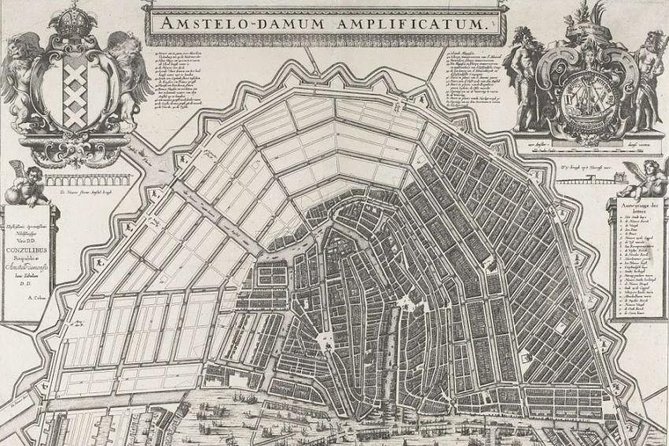
The House with the Heads is an extravagant early seventeenth-century canal house in Dutch Renaissance style. Its name and decoration make it one of the more memorable stops, but the social story behind it adds another layer.
Influential people once lived there, and the building now houses a special library that has UNESCO-listed status. That combination gives the stop a useful link between private wealth, public influence, and cultural preservation.
The house also reinforces a point made throughout the tour: canal homes were not plain containers for living space. Their fronts communicated position. Decoration, scale, and placement could tell you who lived there and how they wanted to be seen.
You should expect the guide to use the building as a way into broader Amsterdam history, rather than treating it as a quick photo stop. Details about its residents and present use make the architecture easier to remember.
Stories that connect buildings to daily life
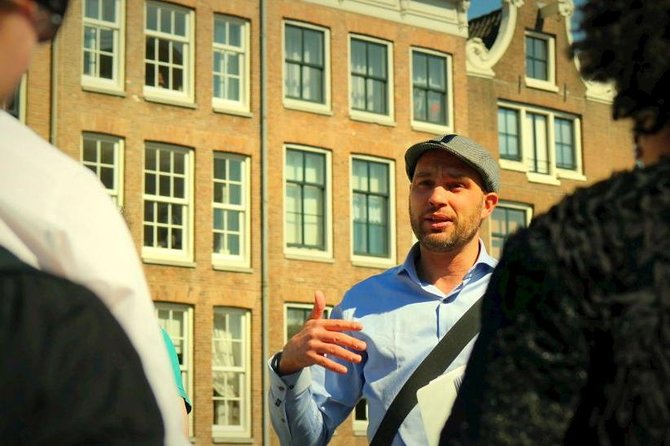
The tour’s strongest guide-led material goes beyond architecture alone. Tijs is associated with clear explanations of why Amsterdam’s skyline looks as it does, why canal fortifications needed to be maintained, and where remnants of the old city walls can still be seen.
You may also hear the story behind the Multatuli statue on the oldest bridge, including the prison below it, and the origins of fair-trade coffee. These details give the walk variety. You move from building forms to city politics, literature, trade, and everyday urban life.
Edgar is another named guide connected with this experience. His approach is described as warm and engaging, with attention to the city’s culture, architecture, and history. Tijs is also noted for adding humor and allowing the route to be shaped through discussion.
That flexibility is important. A private tour is not automatically better than a group walk, but it becomes more useful when the guide listens to your interests. If you care about churches, ask for more religious context. If you are drawn to house fronts, stay with gables and building widths. If you want city stories, ask about the statue, the walls, or trade.
What the private format is really worth
The price is $384.63 per group of up to eight people. For a full group, that works out to about $48 per person. For four people, it is about $96 each, and for two people it is about $192 each.
That makes the arithmetic important. I would consider this good value for a family or group of friends who want an English-speaking guide focused only on them. It is harder to justify for a couple unless private attention and the Huis Bartolotti visit are central to your plans.
The benefit is not simply avoiding a large group. You can ask direct questions, hear the answer clearly, and spend more time on the details that interest you. A guide can also explain an architectural feature at the moment you notice it, rather than following a rigid lecture.
The tour is about two and a half hours, which is long enough to make the price feel tied to a substantial experience. Still, the actual interior visit at Huis Bartolotti lasts 15 minutes, so much of the time is spent walking and discussing buildings from the outside.
If you prefer museums, extended indoor visits, or a tour built around many admissions, this may not be the right use of your budget. If you want a focused walk that changes how you see Amsterdam’s canals, the private rate is easier to defend.
Who will enjoy this Amsterdam architecture walk
I would recommend this tour most strongly if you like cities as working places, not just postcard scenes. You will get more from it if you are curious about why buildings have narrow fronts, different gables, hidden gardens, and unusual religious or civic features.
It also suits families and small groups. Children who tire of dates may respond better to stories about secret gardens, strange symbols, statues, old walls, and houses with memorable names. The private setting lets you ask for shorter explanations or focus on details that hold their attention.
First-time visitors can use the walk to get their bearings in the canal district. Returning visitors may value it even more because it gives familiar streets a new set of clues. The walk is also a good choice if you want history explained in plain language rather than through a formal museum setting.
You should think twice if walking for two and a half hours is difficult, since a moderate fitness level is expected. You may also prefer a cheaper shared group tour if you are traveling alone or as a pair and do not care about having a guide to yourselves.
Practical details before you go
The activity is private, and only your group participates. It is offered in English and includes a mobile ticket, with confirmation provided at booking.
Public transportation is nearby, which makes the Brouwersgracht meeting point practical. Since the tour returns there, you can plan your day around the same canal district rather than arranging a separate pickup.
The cancellation terms are friendly but have a firm cutoff. You can receive a full refund if you cancel at least 24 hours before the start time. Cancellations or changes made less than 24 hours before the start are not accepted for a refund.
Should you book it?
Book this tour if you want Amsterdam’s canal ring explained through buildings, symbols, gardens, religion, trade, and city growth. The private format, the inside visit at Huis Bartolotti, and guides such as Tijs and Edgar give it more substance than a simple canal-side stroll.
I would choose it for a group of four to eight people, when the cost per person becomes reasonable. For one or two people, compare the price carefully with other walking tours. If the idea of understanding why Amsterdam looks the way it does appeals to you, and you value an open conversation with your guide, this is a strong choice.
FAQ
Where does the Amsterdam Architecture Tour start?
The tour starts at Design Amsterdam, Brouwersgracht 64, 1013 GX Amsterdam, Netherlands.
Where does the tour end?
The activity ends back at the meeting point on Brouwersgracht.
How long does the tour last?
The tour lasts approximately two hours and 30 minutes.
Is this a private tour?
Yes. Only your group participates in the activity, with a maximum group size of eight people.
What language is the tour offered in?
The tour is offered in English.
Is admission to Huis Bartolotti included?
Yes. Admission is included, and the visit to Huis Bartolotti lasts about 15 minutes.
Is the tour suitable for people with limited fitness?
The tour recommends a moderate level of physical fitness, so you should be prepared for a walking experience lasting about two and a half hours.
Can I cancel for a full refund?
Yes. You can cancel for a full refund if you do so at least 24 hours before the experience start time. Cancellations or changes made less than 24 hours before the start are not accepted for a refund.
Just added in Amsterdam
- Guided Day Trip – Volendam, Zaanse Schans, Marken & Edam★ 4.0 · 232 reviews
- Private Tour Zaanse Schans Windmills and Volendam in Jaguar★ 5.0 · 10 reviews
- Zaanse Schans and Giethoorn Unique Day Trip with Boat Cruise★ 4.5 · 17 reviews
- Half-Day Private Guided Sightseeing Tour of Zaanse Schans★ 5.0 · 14 reviews
- Zaanse Schans Private Tour Windmills★ 5.0 · 18 reviews
- Private bike tour: Hidden gems around Amsterdam and surroundings★ 5.0 · 4 reviews
- Bike tour in Amsterdam with an Italian guide★ 5.0 · 15 reviews
- Amsterdam Sightseeing Tour + Hidden Gems + Tastings + PDF guide★ 5.0 · 35 reviews
Tours in Amsterdam, compared.

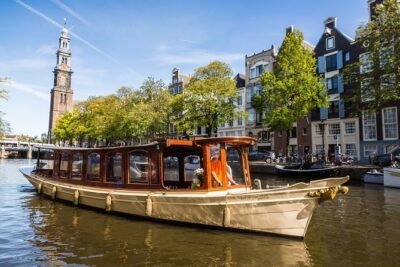
Amsterdam Classic Saloon Boat Cruise with Drinks and Cheese
Read our review →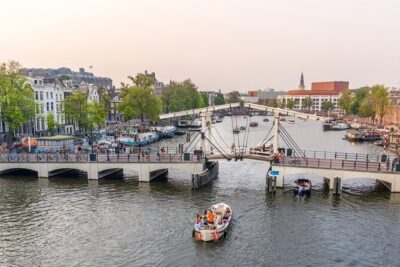
Amsterdam Luxury Canal Cruise + Unlimited Drinks & Bites option
Read our review →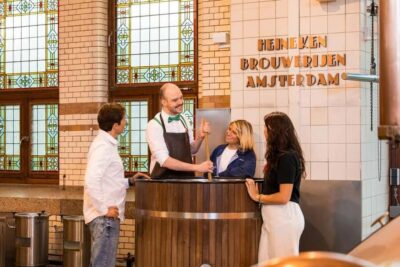


Classic Boat Cruise with Optional Cheese & Wine
Read our review →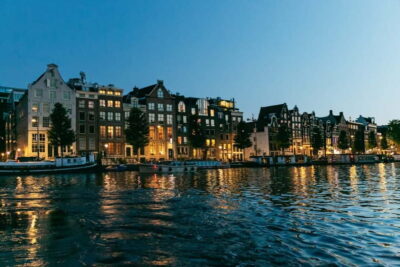
Evening Cruise with Optional Wine and Snacks
Read our review →