
Reviewed · DUTCH WORKSHOPS & CLASSES
Kintsugi Workshop “The art of Imperfection”
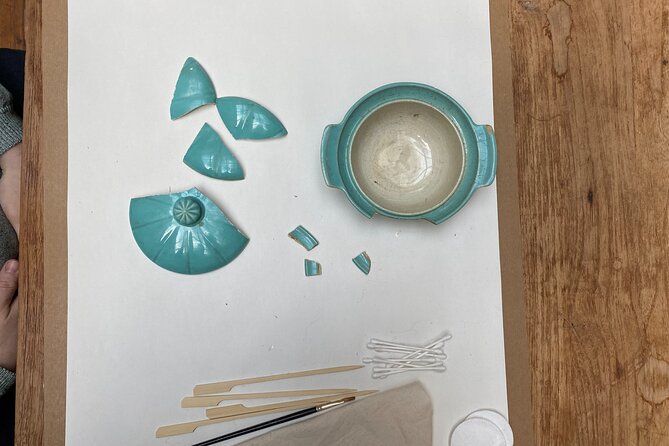
The most unusual part of this Amsterdam activity is simple: you break a plate on purpose, then rebuild it so the cracks become golden lines. Kintsugi began in Japan in the 15th century, and this workshop uses that tradition to explore wabi-sabi, the beauty of imperfection.
I like the calm, hands-on format and the very small group, capped at six people. I also like that the materials are supplied, so you can focus on the careful work rather than shopping for pottery or tools. The main drawback is the price, about $90.11 for roughly two hours, and the activity is only offered on Wednesdays during the listed season.
Key points to know before you book
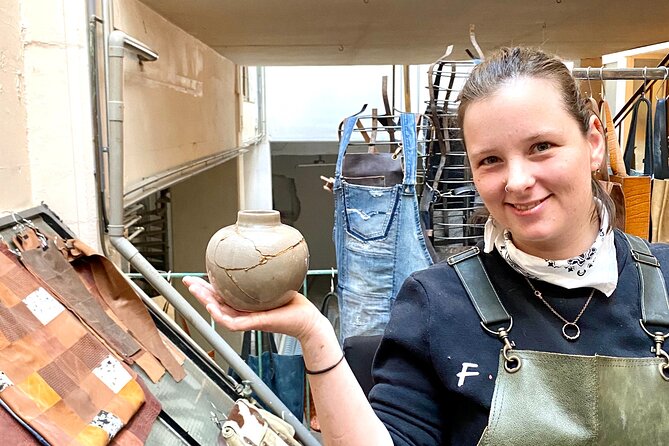
- Break and rebuild a plate: The workshop gives you a plate to break, then guides you through putting the pieces back together.
- Golden leaf glue creates the finish: Cracks become visible design lines rather than marks to hide.
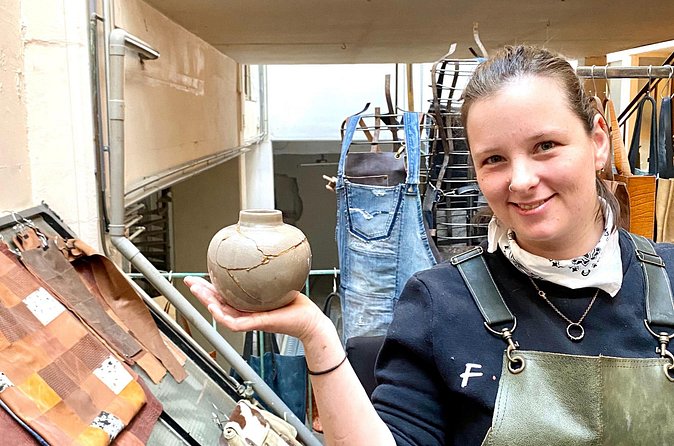
- Annelies leads the session: She welcomes the group and encourages patient, focused work.
- Only six people per class: This is a personal craft session, not a large demonstration.
- Everything is supplied: Materials are included, but coffee and tea are not.
- Plan for a Wednesday afternoon: The listed hours are 2:00 PM to 4:00 PM at Paleisstraat 107.
What Kintsugi means beyond fixing pottery
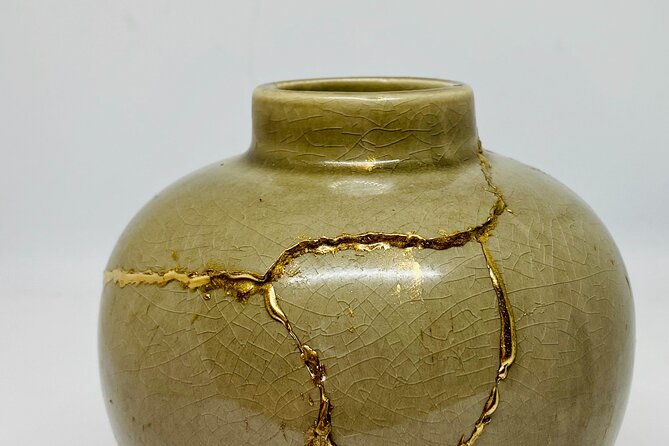
Kintsugi is often described as the art of repairing broken pottery with gold. That is accurate, but it misses some of the reason this workshop can feel different from a standard craft class.
The point is not to make a broken plate look untouched. The repaired cracks remain visible. They become part of the object’s new appearance, with golden lines marking where the break occurred. The result is less about hiding damage and more about accepting change.
The workshop connects this process with the Japanese idea of wabi-sabi, which values natural materials, age, irregularity, and imperfection. You are not simply following a decorative trend. You are working with an object that has been changed, then deciding how to give that change a place in the final design.
That idea may sound grand for a two-hour activity, but the physical process keeps it grounded. Your job is to handle small pieces, line them up, apply adhesive, and work with care. The meaning comes through your hands rather than through a long lecture.
Other things you can make yourself in Amsterdam:
- Amsterdam: Traditional Dutch Syrup Waffle Making Workshop
★ 4.8 · 4,093 reviews - Amsterdam Traditional Dutch Syrup Waffle Making Workshop
★ 5.0 · 960 reviews - Amsterdam: Bols Cocktail Experience and Cocktail Workshop
★ 4.8 · 666 reviews
A quiet start with Annelies
The session begins with a calm introduction. Annelies leads the class in English and sets a thoughtful tone before the practical work begins. That opening matters because Kintsugi is not a quick glue-and-go project. You need patience from the first step.
The setting and format are designed for focus. With no more than six people, you should have room to pay attention to your own plate and still follow the group’s progress. A small class also makes it easier to ask questions while you work.
Annelies is described as welcoming and encouraging, with particular attention to the way each person works. One finished piece received praise for the maker’s focus and the final result. That gives you a useful sense of the class: the goal is not speed, and you are not expected to produce a perfect object.
The workshop is offered in English. If you are comfortable following practical instructions in English, the language should suit the activity. The art itself also leaves room for a slower pace, since much of the session involves handling and assembling pieces rather than listening to complex explanations.
Breaking the plate and starting fresh
The symbolic break is the moment that sets this class apart. You are given an item to break for the activity, turning a normally unwanted event into the start of the creative process.
This step may feel strange at first. Most craft sessions begin with something intact. Here, the intact plate is not the finished product. It is the beginning of a new one.
The description connects the break with a fresh start, but the class remains practical. You are not required to make the gesture more dramatic than it feels. Some people may enjoy the symbolism, while others may simply see it as a clever way to create the material for the exercise.
A useful tip is to note that the provided materials include an item for breaking. One participant thought it could also be fun to bring a personal piece from home to repair. The supplied information does not confirm that personal pottery is allowed, so do not arrive with a treasured plate unless you have checked first. Treat that idea as something to ask about, not an included feature.
Reassembling the shards with golden lines
After the break comes the most focused part of the experience. You patiently reassemble the pieces, using golden leaf glue to join the cracks. The process calls for steady hands and attention to small details.
This is where the two-hour length makes sense. You are not watching someone complete a finished object while you take a few quick turns. You are doing the work yourself, and the finished design depends on how carefully you align the fragments.
The visible cracks are the point. Instead of trying to make the repair disappear, Kintsugi gives it a strong color and a clear place in the pattern. The final object will be unique because the breaks and repairs will not match anyone else’s.
You should expect a hands-on activity that rewards patience more than artistic confidence. The description links the process with improved focus and fine motor skills. That does not mean you need a special craft background. It means the task asks you to slow down, handle materials carefully, and accept that the result will have its own character.
There is also a small lesson in control. You can decide how to put the pieces together, but you cannot completely erase the fact that the plate broke. The repair works with that fact. For many people, that makes the activity more interesting than painting a blank object from scratch.
Same city, a different sort of day:
- Amsterdam: Van Gogh Museum Ticket
★ 4.7 · 52,054 reviews - Amsterdam Classic Saloon Boat Cruise with Drinks and Cheese
★ 5.0 · 31,825 reviews - Amsterdam Luxury Canal Cruise + Unlimited Drinks & Bites option
★ 5.0 · 30,518 reviews - Amsterdam: Heineken Experience Ticket
★ 4.6 · 30,055 reviews
Why the six-person limit matters
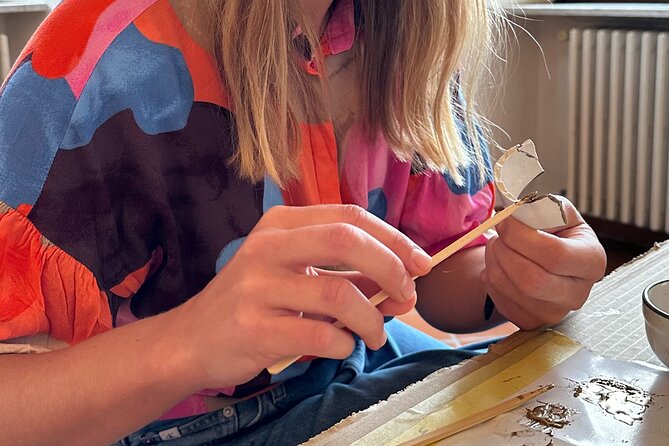
A maximum of six people keeps this from feeling like a production-line class. You have a better chance of receiving direct guidance, and the room should feel less crowded while you handle the pieces.
The small group also suits the subject. Kintsugi is built around concentration, and a large, noisy class would work against that mood. Here, the pace can remain measured, with each person working through the stages of the repair.
There is a tradeoff. A six-person limit means fewer available places per session, and the workshop is scheduled only on Wednesday afternoons in the listed operating periods. If your Amsterdam plans are tightly packed, you may need to shape your schedule around the 2:00 PM to 4:00 PM class rather than fit it in at the last minute.
The activity is booked, on average, about 90 days ahead. That does not guarantee every date sells out, but it is a useful warning for planners. If this is important to your Amsterdam visit, reserve early rather than assuming you can find a place a few days before arrival.
Location and timing at Paleisstraat 107
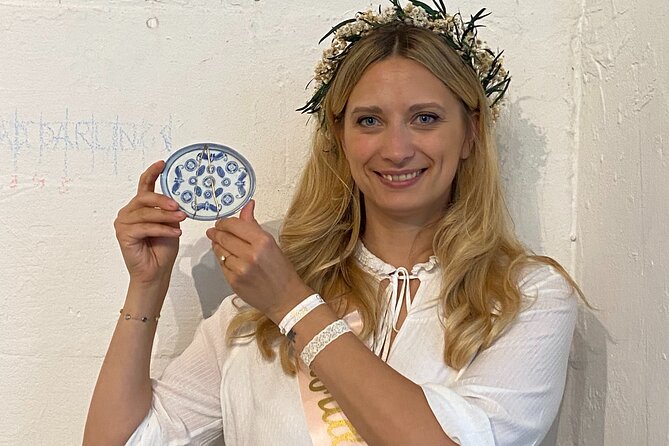
The meeting point is Paleisstraat 107, 1012 ZL Amsterdam. The activity begins and ends there, so you do not need to manage a second drop-off point or arrange transport back after the class.
The location is near public transportation. That makes the Wednesday afternoon timing easier to manage, especially if you are coming from another part of Amsterdam. Still, allow enough time to find the exact address and settle in before the 2:00 PM start. A calm craft session is a poor match for arriving breathless and rushed.
The workshop lasts approximately two hours. This is long enough for an introduction, the break, the reconstruction, and time to work toward a final piece. It is also short enough to combine with other plans later in the day, though you should avoid scheduling anything that requires you to leave early.
The listed operating dates are Wednesday from 2:00 PM to 4:00 PM, from November 9, 2025 through January 31, 2026, and again from November 9, 2026 through January 31, 2027. Check your selected date carefully, since the schedule is seasonal and limited.
What the $90.11 price gets you
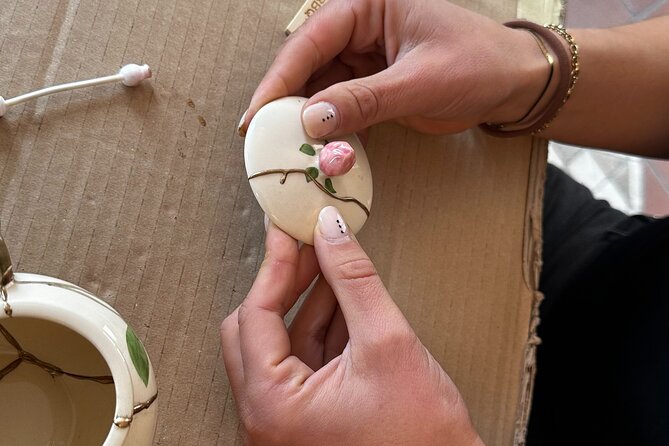
At about $90.11 per person, this is not a cheap way to fill an hour in Amsterdam. The price makes more sense if you want a guided craft session with all materials included, personal attention from Annelies, and a finished object connected to a traditional Japanese art.
You are paying for more than raw supplies. The class provides the structure, the plate, the adhesive, and the guidance needed to carry out a process that would be difficult to understand from a casual description alone. The small group also gives the session a more personal feel than a large workshop.
Still, you should consider what kind of value you want. If you mainly want a souvenir, Amsterdam offers easier and less expensive ways to buy one. If you want two focused hours, a creative activity, and the satisfaction of making something yourself, the cost is easier to justify.
Coffee and tea are not included. That is a minor point, but useful to know if you were expecting refreshments with the workshop. Plan to eat or have a drink before or after the session rather than counting on them here.
Who will enjoy this workshop most
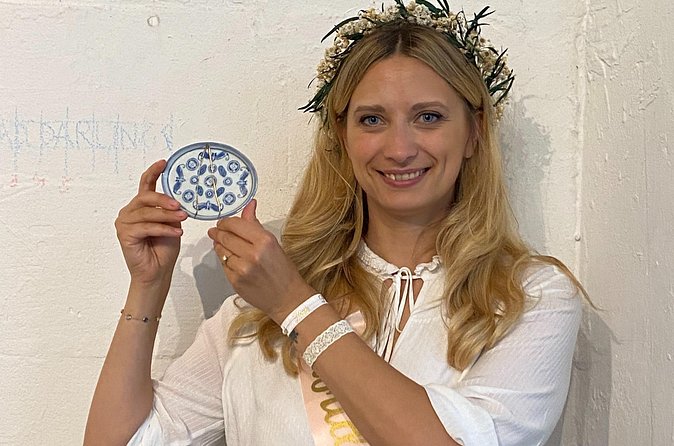
I would choose this activity for someone who likes making things with their hands and does not need a fast-moving schedule. It suits adults and older children who can work carefully with small pieces. Children under 10 are not allowed.
You should also be comfortable with the idea that your finished item may look handmade. Kintsugi is not about producing a flawless factory finish. The cracks are meant to show, and the final design will depend on how the pieces fit and how you apply the golden adhesive.
The workshop may appeal to couples, friends, solo visitors, and small groups looking for a quieter break from sightseeing. It offers a shared activity without requiring anyone to compete or perform. You can work alongside other people while keeping attention on your own piece.
It may be less suitable if you want a major Amsterdam landmark, a food tasting, or a broad cultural tour. The experience stays in one place and centers on one craft. Its strength is focus, not variety.
The listed information asks participants to have a moderate level of physical fitness. That requirement may relate to handling materials and taking part in the practical work. Service animals are allowed, which is useful information for eligible visitors planning their day.
The larger lesson in a small object
The best reason to book is not simply the golden finish. It is the way the activity gives you a physical way to think about damage and change.
A broken plate can be treated as waste. Kintsugi treats it as material for something new. The repair does not pretend that the break never happened, and that idea is easy to carry beyond the workshop. Scars, repairs, and past mistakes can remain visible without making an object worthless.
You may find the symbolism powerful, or you may prefer to focus on the craft itself. Both approaches work. The activity does not require you to share personal stories or turn the class into therapy. You can simply concentrate on fitting the pieces together and let the meaning come later.
That balance is one of the workshop’s strengths. It offers a thoughtful theme, but the experience remains concrete. You leave with the memory of making something, not just hearing an explanation about Japanese aesthetics.
My booking advice
Book this Kintsugi workshop if you want a small, calm Amsterdam activity with a clear creative purpose. The six-person limit, supplied materials, English instruction, and patient guidance from Annelies make it a good choice for anyone who values hands-on work over sightseeing from a distance.
The price is the main question. At about $90.11 for two hours, it is a premium activity, so I would not choose it as a casual filler. I would choose it because the process matters to you, because you like thoughtful craft, or because you want to make a personal object rather than purchase another souvenir.
Reserve well ahead if the Wednesday schedule fits your trip. Skip it if you need flexible timing, want a larger group experience, or would rather spend your budget on Amsterdam’s museums and sights. For the right person, though, breaking a plate and rebuilding it with gold can become one of the most memorable quiet moments of the visit.
FAQ
Where does the Kintsugi workshop begin and end?
It begins at Paleisstraat 107, 1012 ZL Amsterdam, Netherlands, and ends back at the same meeting point.
How long does the workshop last?
The activity lasts approximately two hours, with the listed session running from 2:00 PM to 4:00 PM.
On which days is the workshop offered?
The listed operating schedule is Wednesday from 2:00 PM to 4:00 PM during the stated seasonal periods.
Is the workshop offered in English?
Yes. The workshop is offered in English.
Are materials included?
Yes. All materials needed for the workshop are provided. Coffee and tea are not included.
Is the workshop suitable for children?
Children under the age of 10 are not allowed to take part. The activity also states that participants should have a moderate level of physical fitness.
Just added in Amsterdam
- Guided Day Trip – Volendam, Zaanse Schans, Marken & Edam★ 4.0 · 232 reviews
- Private Tour Zaanse Schans Windmills and Volendam in Jaguar★ 5.0 · 10 reviews
- Zaanse Schans and Giethoorn Unique Day Trip with Boat Cruise★ 4.5 · 17 reviews
- Half-Day Private Guided Sightseeing Tour of Zaanse Schans★ 5.0 · 14 reviews
- Zaanse Schans Private Tour Windmills★ 5.0 · 18 reviews
- Private bike tour: Hidden gems around Amsterdam and surroundings★ 5.0 · 4 reviews
- Bike tour in Amsterdam with an Italian guide★ 5.0 · 15 reviews
- Amsterdam Sightseeing Tour + Hidden Gems + Tastings + PDF guide★ 5.0 · 35 reviews
Dutch Workshops & Classes, compared.
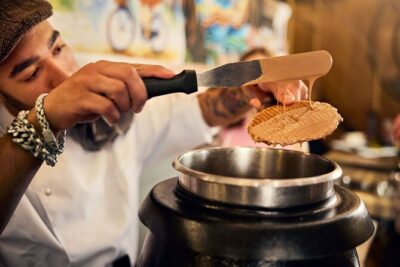
Traditional Dutch Syrup Waffle Making Workshop
Read our review →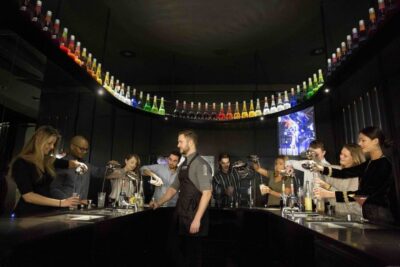

Amsterdam Light Festival Winter Walk with Stroopwafel Workshop
Read our review →
Cocktail workshop @ Spirited Union Rum Co. (Amsterdam)
Read our review →
Private Dutch Pancake Cooking Class in an Amsterdam Canal Home
Read our review →
Browse the lists this tour appears in