
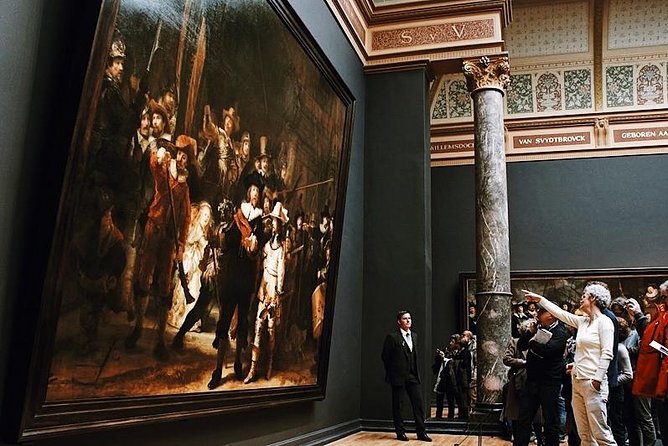
Reviewed · RIJKSMUSEUM TICKETS
Amsterdam Rijksmuseum Tour Semi-Private with 12ppl Max
The best reason to take this Rijksmuseum tour is simple: this museum is too large to tackle casually. In 2.5 hours, a guide helps you find the major Rembrandt and Vermeer works, then adds the human stories that make them memorable. I especially like the focus on The Night Watch and The Milkmaid, plus unusual displays such as 17th-century dollhouses and the old library.
I also like the small-group format. The experience is described as semi-private, with no more than eight guests in the main tour description, though the booking information also gives a maximum of 12 people, so confirm the group size when you book. The possible drawback is that the route appears to focus heavily on the famous second-floor collection, and one guest wanted more time with the museum’s other rooms.
Key points at a glance
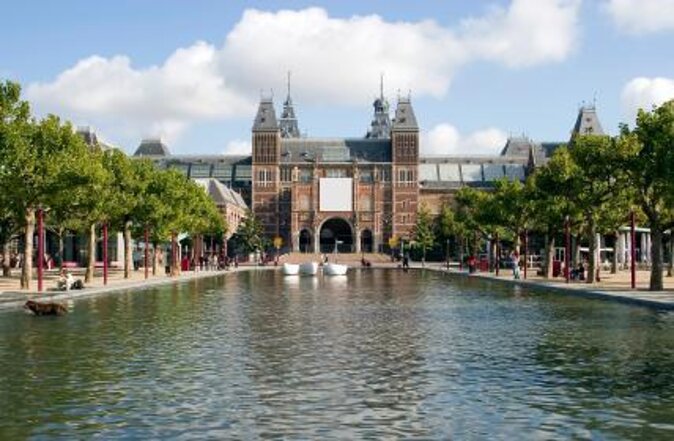
- See the Dutch masterpieces efficiently: The route includes Rembrandt’s major works, Vermeer’s The Milkmaid, and other essential rooms.
- Guides bring paintings to life: Anna, Cecilia, Monique, Janet, Tea, and others are praised for connecting art with Dutch life and personal stories.
- Small groups make questions easy: The advertised semi-private format is capped at eight guests, although the general maximum is listed as 12.
- Expect more than paintings: Dollhouses, globes, Delft ceramics, a ship replica, and a 19th-century library add variety.
- Allow time after the tour: The museum is enormous, and you may want to explore the first floor or other collections on your own.
- Pack light and wear sensible shoes: Large bags are not allowed, and the tour requires a moderate level of walking.
Why the Rijksmuseum needs a plan
Amsterdam’s Rijksmuseum is often compared with the Louvre, and the comparison is useful in one important way: you can spend hours inside and still see only part of it. Its collection covers centuries of Dutch art and culture, with about 8,000 objects on display. Without a plan, it is easy to drift from one room to the next and miss the works you most wanted to see.
This guided visit gives you a clear route through the museum. You are not simply handed a list of famous names. The guide places paintings in their social and historical setting, explains what to look for, and answers questions as you go.
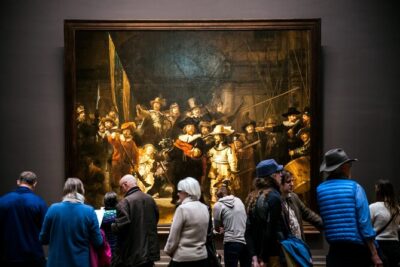
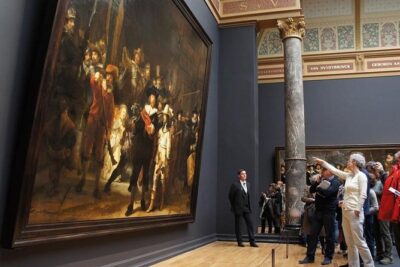
That matters most with works you may already know from books or postcards. The Night Watch is not just a large Rembrandt painting to photograph. A good guide can point out the unusual movement, the civic purpose of the group portrait, and the way Rembrandt directs your eye through the crowded scene.
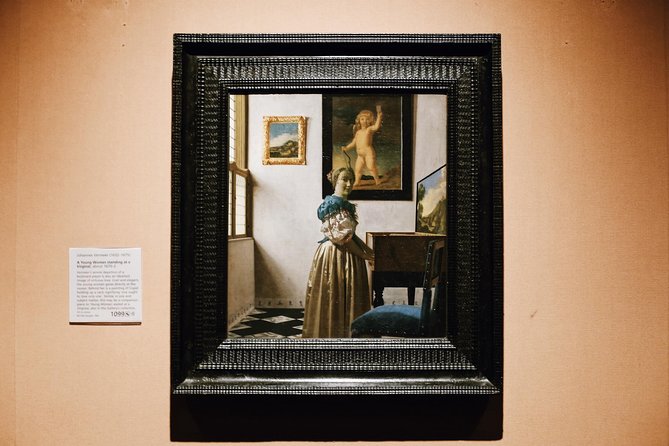
The same applies to Vermeer’s The Milkmaid. Its quiet subject can seem simple at first glance. With guidance, you can pay attention to the light, the small domestic details, and the sense of daily life that made Vermeer so distinctive.
More Rijksmuseum tickets and tours in Amsterdam:
- Amsterdam: Rijksmuseum Entry Ticket
★ 4.7 · 25,535 reviews - Amsterdam: City Canal Cruise and Rijksmuseum
★ 4.5 · 2,129 reviews - Rijksmuseum Amsterdam Small-Group Tour with Private Upgrade
★ 4.5 · 1,547 reviews
Meeting at Cobra Café and entering the museum
The tour begins at Cobra Café on Hobbemastraat, near the Rijksmuseum. The advertised meeting point is important because there are similar-looking buildings and shops near the museum entrance. One person had trouble distinguishing the meeting place from the museum gift shop, so I would arrive early and check the exact address rather than relying on a quick glance.
You will need your mobile phone number, including the country code, when booking. That allows the operator to contact you if there is a change, and it is especially useful when meeting points sit close together.
The Rijksmuseum is near public transportation, but hotel pickup and drop-off are not included. Plan to reach the area independently by tram, taxi, or Uber. The tour ends at the museum, so you are already in a good position to continue sightseeing afterward.
Security rules can affect your arrival. Large bags and suitcases are not allowed inside. Only a handbag or small, thin backpack can pass through security, so leave bulky luggage at your hotel or another permitted storage point before you come.
Rembrandt, Vermeer, and the Dutch Golden Age
The heart of the visit is the museum’s collection of Dutch masterpieces. Rembrandt receives particular attention, with several major works included when they are on display and not away for restoration or loan.
The guide may discuss The Night Watch, The Jewish Bride, and The Syndics of the Drapers’ Guild. These paintings show different sides of Rembrandt’s work. One is grand and public, one is intimate, and one presents a group of civic officials with a remarkable sense of presence.
Rembrandt’s own life also gives the art a human edge. His later financial troubles and eventual poverty contrast sharply with the prestige suggested by his earlier commissions. This kind of context came up often in the strongest guide experiences, especially with Anna, whose storytelling was praised for explaining the personal and less polished side of the artist’s life.
You should also expect a discussion of Vermeer’s The Milkmaid. It is a smaller, quieter work than The Night Watch, but the change of pace is part of its appeal. A strong guide can show you how paint, light, posture, and household objects create a scene that feels still yet full of purpose.
The tour is not limited to naming artists and dates. Guides such as Cecilia have been praised for explaining how Dutch people lived and for giving visitors a way to read other paintings after the tour ends. That is one of the best reasons to choose a live guide instead of walking through with no plan.
The unusual objects that make the museum memorable
Paintings are the main draw, but the Rijksmuseum becomes more interesting when you see how much else it holds. The tour may include 17th-century dollhouses, globes, Delft ceramics, and a model or replica of a ship.
The dollhouses are particularly useful for understanding domestic life. They are not modern children’s toys in the usual sense. These carefully made miniature homes reveal how wealthy households imagined order, comfort, rooms, furnishings, and status.
Delft ceramics add another side of Dutch culture. Their familiar blue-and-white appearance is easy to recognize, but the museum setting gives you a chance to see them as part of trade, design, and everyday life rather than as isolated souvenirs.
The globes and ship display broaden the picture again. They point toward navigation, commerce, and the outward reach of the Netherlands. Your guide may not have time to explain every object in detail, but these stops keep the visit from becoming a parade of only famous paintings.
A few more things to do in Amsterdam worth a look
- Van Gogh Museum Tour Reserved Entry Semi Private
★ 5.0 · 1,437 reviews - Private Amsterdam Red Light District and Coffee Shop Tour
★ 5.0 · 763 reviews - Anne Frank and Jewish Quarter Amsterdam Private Walking Tour
★ 5.0 · 684 reviews - Amsterdam Airport & Non-Airport Private Transfer to City Center
★ 4.5 · 521 reviews
A quiet stop in the 19th-century library
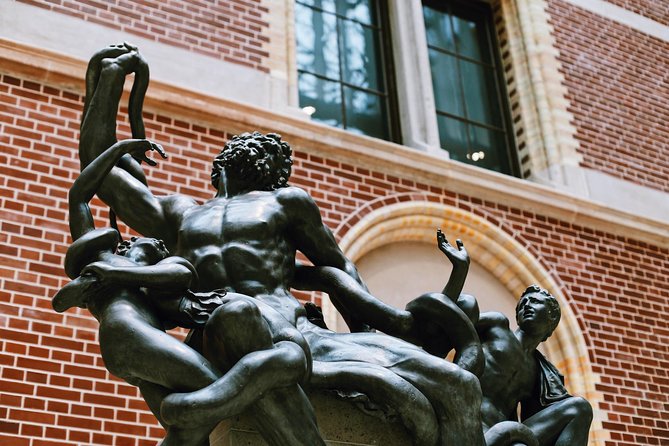
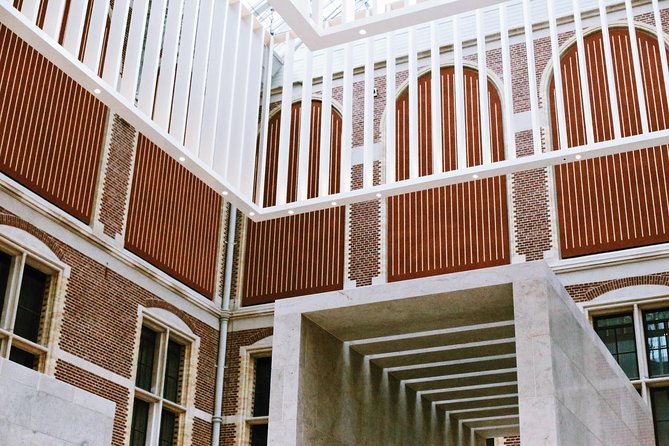
The 19th-century library is one of the tour’s most distinctive stops. It offers a change from the grand galleries and gives you a look at the museum as a place of study, books, and visual atmosphere.
Some rooms in the museum require quiet or limit speaking. Your guide should explain these rules before you enter. That can mean the information comes just outside the room, followed by a short period of quiet inside. It is a small practical point, but knowing it ahead of time makes the transition easier.
The library also helps show that the Rijksmuseum is not only about individual paintings. The building itself, its collections, and its research spaces form part of the experience. If you enjoy museums as places of discovery rather than just galleries of famous objects, this will likely be a highlight.
What the guide adds to the visit
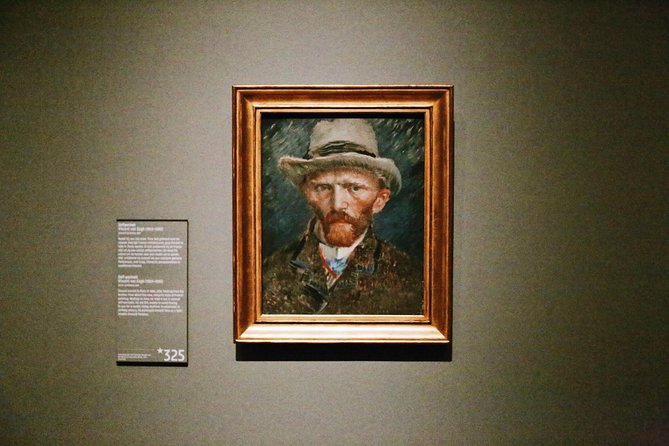
The strongest part of this tour is the guide’s ability to make old art feel connected to real people. Anna is praised for lively stories, personal details about artists, and a willingness to answer questions. Cecilia is noted for explaining Dutch life in a way that helps you understand paintings beyond the ones directly in front of you.
Monique is described as animated and enthusiastic, with a talent for making artworks feel alive. Janet receives praise for clear explanations of art and Amsterdam’s cultural past. Tea is singled out for explaining how artistic methods changed along with society. Other guides named in the feedback include Anita, Diana, Jo, Angelo, Massima, and Carola.
Guide quality can vary because you are not selecting a particular person at booking. Still, the pattern is clear: the tour works best when the guide uses stories and comparisons rather than simply reciting dates.
I would ask questions as you go. In a group of three or eight, there is usually more room for conversation than in a large coach tour. Ask why a work mattered in its own time, how the artist earned a living, or what details you might miss from across the room.
The small-group format and its limits
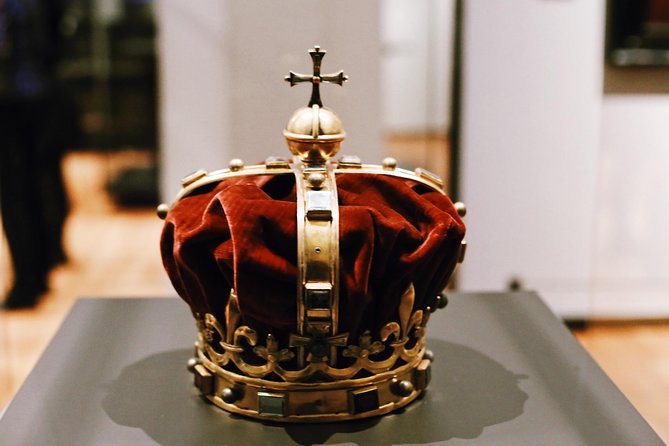
The advertised semi-private format is one of the main selling points. The description says the group never exceeds eight guests, while the general booking information says up to 12 travelers. That difference is worth clarifying before payment, especially if the small group is central to your decision.
Even eight people can feel personal in a museum gallery. You can usually stay close enough to hear the guide, and questions are less awkward than they would be in a crowd. If your party wants a slower or more flexible pace, a private upgrade is available.
The route is still shaped by the museum, opening conditions, and the guide’s timing. You will not choose every room or spend half an hour at one painting unless the guide’s schedule allows it. One less positive experience felt that the tour concentrated on the second floor and offered only a limited look at other holdings.
That is not necessarily a flaw. A focused visit is helpful during a short Amsterdam stay. Just understand that 2.5 hours is an introduction, not a complete survey of the Rijksmuseum.
Is $108.90 a fair price?
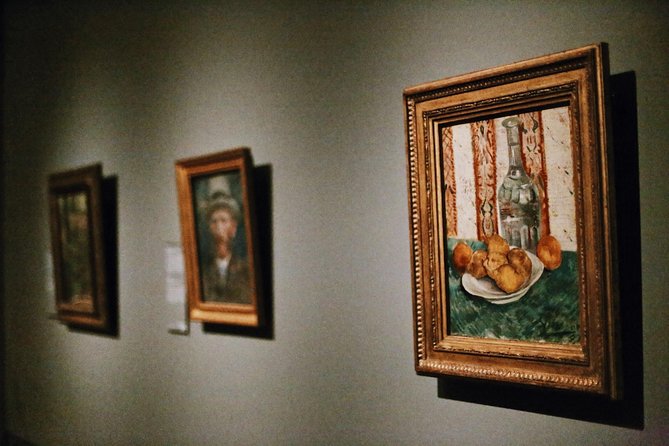
At $108.90 per person, this is not the cheapest way to enter the Rijksmuseum. You are paying for admission, a professional English-speaking guide, and a planned route through a large museum.
The price makes better sense if you are visiting for the first time, have limited time, or do not feel comfortable choosing what to see on your own. A guide can help you avoid spending your entire visit in one wing while missing the works that matter most to you.
It is less compelling if you enjoy reading labels at your own pace, already know the collection well, or want to see many areas beyond the standard highlights. In that case, you may prefer independent entry and an audio guide. One person specifically felt an audio tour offered broader coverage than this guided route.
For many visitors, the value comes from interpretation rather than access alone. Admission gets you inside. The guide gives you a way to understand what you are seeing and a structure for using your remaining museum time.
Physical effort, timing, and practical rules
The tour lasts about 2 hours and 30 minutes, and you should expect to walk and stand for much of that time. A moderate level of fitness is required. The experience is not recommended for people with walking disabilities or those using a wheelchair.
Wear comfortable shoes and avoid bringing anything you do not need. Large luggage is prohibited, and security lines may still form even when a tour is marketed with priority or skip-the-line language. Museum rooms may also close without warning, and collections can change during the year.
The Rijksmuseum and Van Gogh Museum can occasionally close or delay opening without advance notice. If the opening is delayed by more than an hour, an alternative may be offered, but refunds or discounts are not promised in that situation. Keep your schedule a little flexible.
Free cancellation is available up to 24 hours before the start time. Cancellations or changes made less than 24 hours in advance are not accepted for a refund.
Who should book this Rijksmuseum tour?
I would choose this tour for a first visit, especially if you want the major Rembrandt and Vermeer works but also want context about Dutch homes, trade, religion, and daily life. Families may find the storytelling helpful, though the museum’s older religious art may appeal more to some children than others.
It also suits art lovers who prefer conversation to an audio device. The guide can respond to your interests, explain a detail you missed, and adjust the emphasis when the group has questions.
I would hesitate if you need wheelchair access, dislike walking, or want a complete survey of every floor. I would also compare the price with independent entry if you already have a strong plan and enjoy exploring alone.
Should you book it?
Book this Rijksmuseum tour if you want a well-organized first look at a huge collection and value a guide who can connect paintings with people and place. The best guide experiences here seem to come from personal storytelling, with Anna, Cecilia, Monique, Janet, and Tea receiving especially strong praise for making the art clear and engaging.
Before booking, confirm the actual group size, check the meeting point at Cobra Café carefully, and plan to return to the museum on your own if you want more than the headline works. At $108.90, the tour is worthwhile for structure and interpretation, but not essential for confident independent museumgoers.
FAQ
How long does the Rijksmuseum tour last?
The tour lasts approximately 2 hours and 30 minutes.
What is included in the price?
The price includes museum admission, a semi-private guided tour, a professional guide, and all entrance fees.
What language is the tour offered in?
The tour is offered in English.
How many people are in the group?
The tour information says the general maximum is 12 travelers. It also describes the semi-private format as never more than eight guests, so confirm the expected group size when booking.
Where does the tour meet?
The meeting point is Cobra Café at Hobbemastraat 18, 1071 ZB Amsterdam. The tour ends at the Rijksmuseum.
Is hotel pickup included?
No. Hotel pickup and drop-off are not included. You need to make your own way to the meeting point and leave the museum independently afterward.
Can I bring a large bag or suitcase?
No. Large bags and suitcases are not allowed inside the museum. Only handbags or small, thin backpacks can pass through security.
What is the cancellation policy?
You can cancel up to 24 hours before the experience start time for a full refund. Cancellations or changes made less than 24 hours before the start time are not accepted for a refund.
Just added in Amsterdam
- Guided Day Trip – Volendam, Zaanse Schans, Marken & Edam★ 4.0 · 232 reviews
- Zaanse Schans and Giethoorn Unique Day Trip with Boat Cruise★ 4.5 · 17 reviews
- Half-Day Private Guided Sightseeing Tour of Zaanse Schans★ 5.0 · 14 reviews
- Private Tour Zaanse Schans Windmills and Volendam in Jaguar★ 5.0 · 10 reviews
- Zaanse Schans Private Tour Windmills★ 5.0 · 18 reviews
- Private bike tour: Hidden gems around Amsterdam and surroundings★ 5.0 · 4 reviews
- Bike tour in Amsterdam with an Italian guide★ 5.0 · 15 reviews
- Amsterdam Sightseeing Tour + Hidden Gems + Tastings + PDF guide★ 5.0 · 35 reviews
Rijksmuseum Tickets, compared.
Rijksmuseum Amsterdam Small-Group Tour with Private Upgrade
Read our review →
Rijksmuseum Entry Ticket and Canal Cruise Combo
Read our review →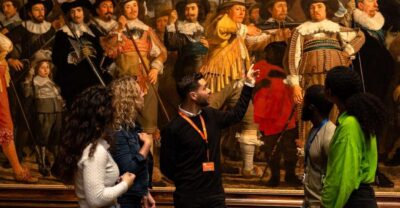
Rijksmuseum Amsterdam Exclusive Guided Tour w/ Reserved Entry
Read our review →
Van Gogh & Rijksmuseum w/ Reserved Entry Semi-Private 8ppl Max
Read our review →
Van Gogh & Rijksmuseum w/ Reserved Entry Exclusive Guided Tour
Read our review →Browse the lists this tour appears in