
Reviewed · ANNE FRANK & JEWISH AMSTERDAM
Liberal Amsterdam: Small-Group Walking Tour & Anne Frank VR
Amsterdam’s liberal spirit is best understood through its ordinary streets and human stories, and this tour makes that the main event. You walk from a WWII hiding place through canals, bridges, the Jewish Quarter, and the Holocaust Names Monument while guide Antonis links resistance, education, water management, social freedom, and daily life.
I like the relaxed pace and the personal touches: coffee, chocolate, a Polaroid photo, and a handwritten postcard turn a history walk into something you can remember. I also like Antonis’s practical restaurant and bar advice, plus his habit of using books, chalk drawings, humor, and questions rather than giving a stiff lecture.
The main consideration is the amount of walking on city streets and bridges. The tour is not suitable for wheelchair users, and the Anne Frank VR is optional, shared through one headset, so you should see it as a casual add-on rather than a full scheduled attraction.
Key points to know before you book
- WWII history without a classroom feel: The walk covers Jewish Amsterdam, resistance, hiding places, and the Holocaust Names Monument through personal stories.
- Antonis is the center of the experience: His friendly, energetic style combines historical facts with humor, questions, books, and simple chalk sketches.
- The route includes more than wartime history: You hear about canals, water control, leaning houses, houseboats, education, liberal culture, and unusual city customs.
- Anne Frank comes through optional VR: One headset is passed around during the coffee break, making this a low-pressure introduction rather than a formal museum visit.
- Small groups make conversation easy: The booking information lists a maximum of six participants, while other details mention up to ten, so confirm the exact group size when reserving.
- Useful souvenirs are included: You receive a mini Polaroid and a postcard with a personalized handwritten message and official stamp.
Starting at Kattengat and setting the tone
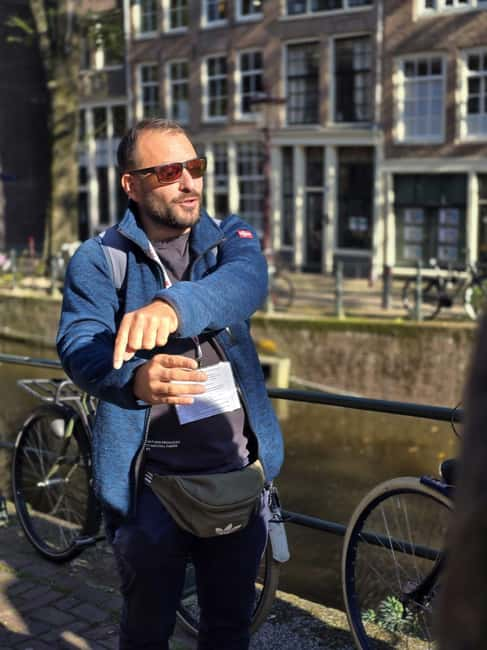
The meeting point is in front of De Silveren Spiegel at Kattengat 4-6. The tour begins outside a WWII-related building where Jewish families were hidden, which gives the first minutes a clear purpose. You are not starting with a general city overview and waiting an hour for the serious material. The history begins right away.
From here, Antonis guides the group through central Amsterdam at a relaxed pace. The walk lasts about two hours, with regular pauses for stories, questions, photographs, and brief explanations. That rhythm matters. Amsterdam’s streets can feel crowded and distracting, but frequent stops give you time to look up, listen, and regain your bearings.
Antonis’s approach is conversational. He uses books, chalk drawings, humor, and questions to make the city easier to understand. If you prefer a guide who simply recites dates, this may feel loose. If you like asking why a city developed as it did, the format should suit you well.
More Walking Tours in Amsterdam
- Anne Frank’s Story – Guided Walking Tour through Amsterdam
★ 5.0 · 11,619 reviews - Amsterdam: Life of Anne Frank and World War II Walking Tour
★ 4.8 · 10,467 reviews - Absolutely Amsterdam – the Essential Introductory Walking Tour
★ 5.0 · 3,629 reviews
From the HIV/AIDS Monument to Amsterdam Centraal
The first listed stop is the HIV/AIDS Monument, where you have about ten minutes for a photo stop and guided explanation. This introduces another part of Amsterdam’s social story: compassion, public health, and the city’s changing ideas about community and freedom.
The route then reaches Amsterdam Centraal Station. You get another short stop for photographs and context. The station is one of the city’s most familiar sights, but a guide can help you connect it to Amsterdam’s growth, movement, and relationship with the rest of the Netherlands.
I like this early pairing because it avoids making the tour only about the postcard version of Amsterdam. You see a major transport hub, but you also pause at a monument tied to a more recent social issue. That combination fits the tour’s larger aim: to show how the city’s identity comes from both public places and personal lives.
Chocolate, bridges, and Amsterdam’s unusual details
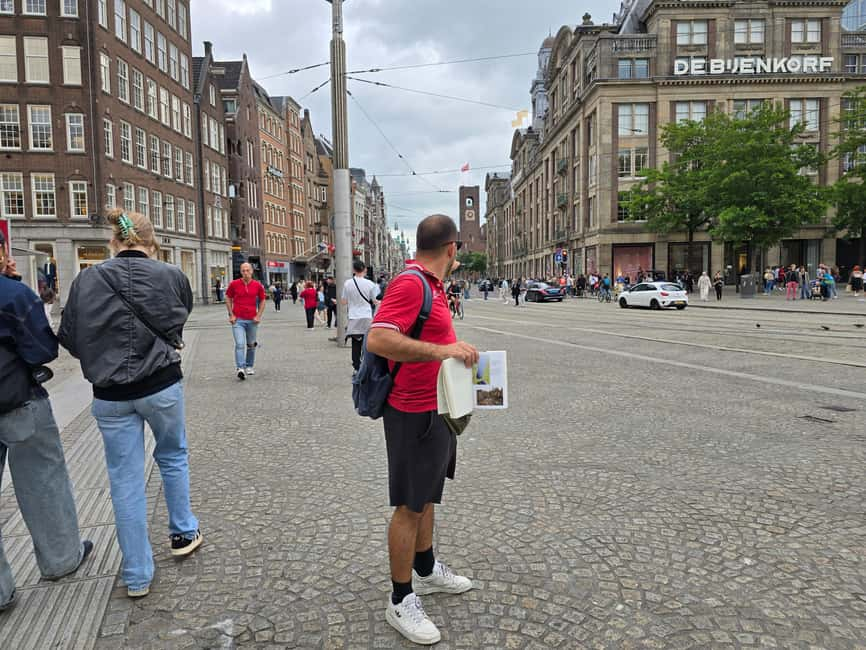
A five-minute stop at Tony’s Chocolonely Super Store adds a lighter moment. Chocolate is included with the tour, and this stop gives you a chance to see one of Amsterdam’s best-known chocolate shops. It is brief, so do not expect a long tasting session or free time for shopping.
Next comes the Aluminium Bridge, where the group spends around fifteen minutes. Bridges are not just ways to cross water in Amsterdam. They help explain how the city is organized, how canals shaped movement, and why water management remains central to Dutch life.
At Staalmeestersbrug, another bridge stop lasts about fifteen minutes. This part of the route is useful for photographs, but the guide’s interpretation is what gives it value. You learn about Amsterdam’s leaning houses, why buildings tilt, and what it means to live with water all around you.
The tour also touches on houseboats and the practical charm of living on the canals. You should not expect a houseboat visit, but you do get context for a type of Amsterdam home that many people photograph without understanding. Antonis also brings up small cultural details, including unusual toilets and other everyday quirks. These details keep the walk from becoming a parade of monuments.
The Jewish Quarter and wartime Amsterdam
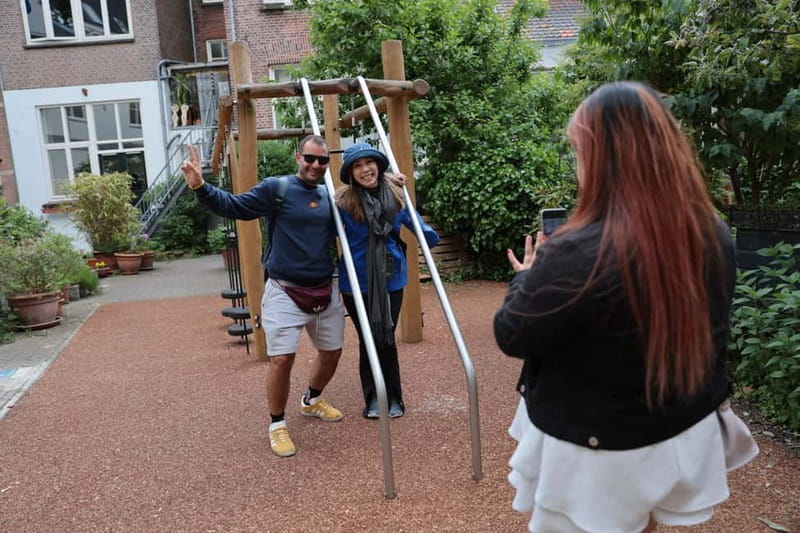
The Jewish Quarter receives about fifteen minutes of guided attention. This is one of the more serious sections of the tour, and the personal storytelling style is important here. You hear about WWII, Jewish families, resistance, and the choices made by ordinary people under occupation.
The tour does not treat the war as a distant block of dates. It connects wartime events to streets, bridges, homes, and quiet corners that you can see around you. That helps you understand how large events affected daily life in Amsterdam.
The route also includes stories about secret prisons under bridges and less obvious places tied to the city’s past. These are the kinds of details that are easy to miss if you walk through central Amsterdam alone. You will not visit every site in depth, but you gain a map of places worth noticing later.
This section may be emotionally demanding. The tour balances serious material with humor and conversation, but the Holocaust and the occupation are not treated as entertainment. Bring the right frame of mind, especially if you are traveling with children or prefer light sightseeing.
More Anne Frank and Jewish-history walks in Amsterdam:
- Amsterdam: Anne Frank Guided Small Group Walking Tour
★ 4.8 · 2,722 reviews - Amsterdam: Anne Frank Walking Tour – Guided in EN/DE/IT/ES
★ 4.9 · 2,676 reviews - Anne Frank Walking Tour Amsterdam Including Jewish Cultural Quarter
★ 5.0 · 1,879 reviews - Anne Frank’s Last Walk & See Anne Frank House in Virtual Reality
★ 5.0 · 957 reviews
Magere Brug and the city’s water story
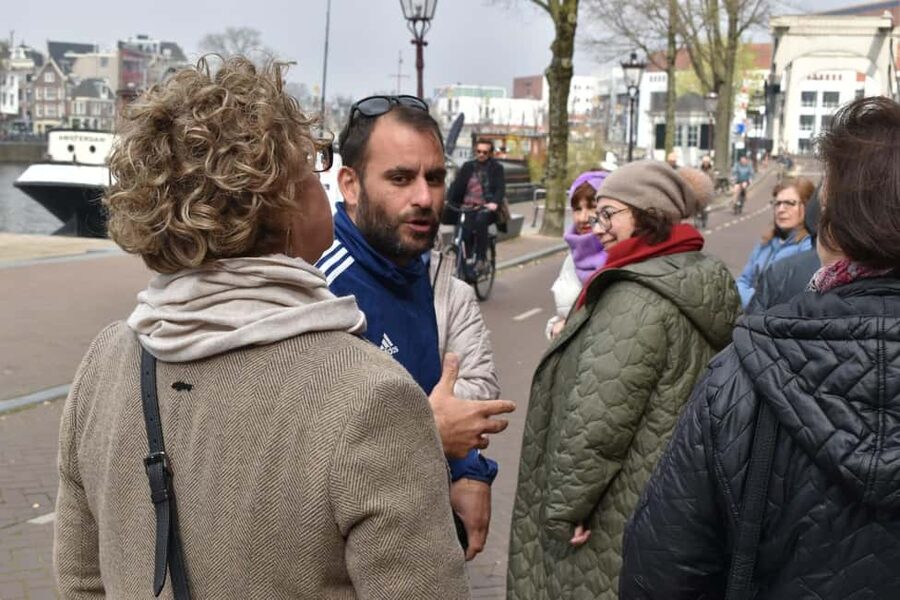
Magere Brug, the famous Skinny Bridge, is a ten-minute photo and sightseeing stop. It is one of Amsterdam’s classic views, yet the bridge also supports the tour’s larger discussion of water and city planning.
Amsterdam’s canals are attractive, but they are also the result of constant work with water. The tour explains the importance of water management and how that practical challenge shaped the city. This is a useful part of the walk because it gives you a better way to read Amsterdam’s architecture. The canals are not simply pretty scenery. They are part of the city’s survival and growth.
You also learn why some buildings lean. This is a good example of the tour’s method: take something you have already noticed, then explain the practical reasons behind it. Houses lean because of the city’s soft ground, old construction methods, and the way buildings were designed and maintained. The exact story depends on the building, so listen for the guide’s local explanation rather than treating every tilted facade as the same case.
The Holocaust Names Monument and Blauwbrug
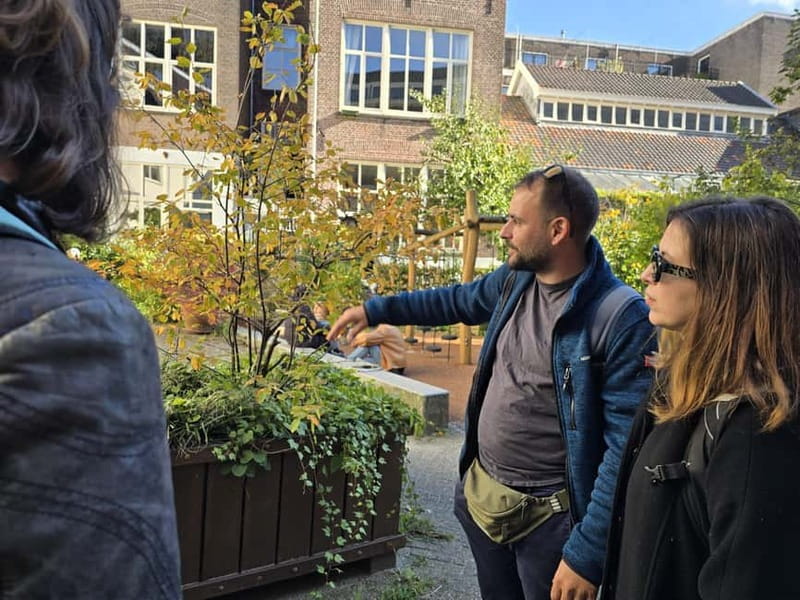
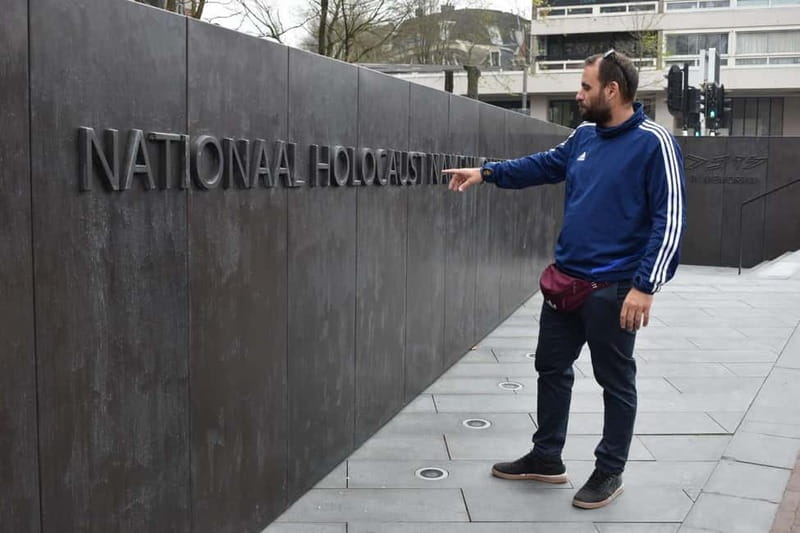
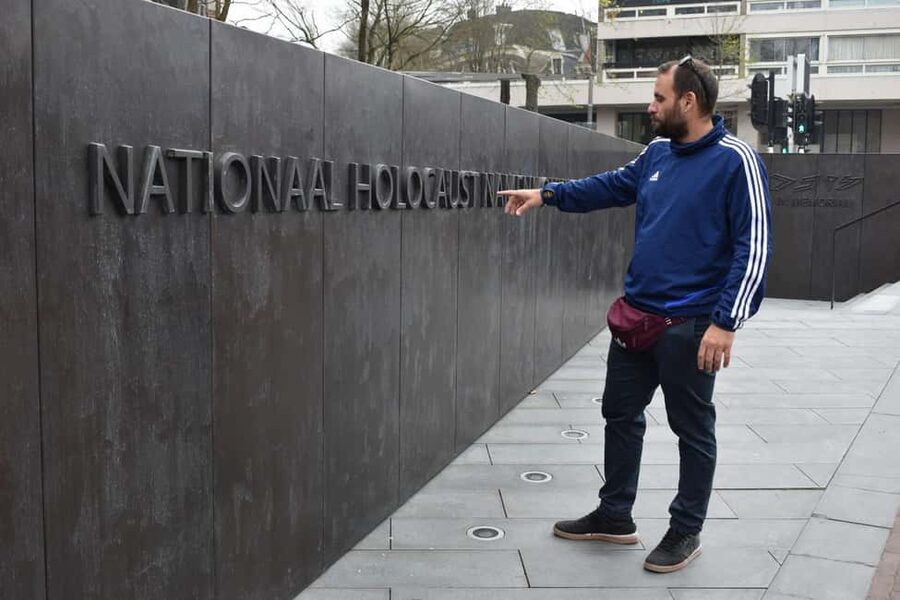
The National Holocaust Names Monument is one of the most important stops, with around fifteen minutes for guided interpretation. This is a place for quiet attention. The monument gives names and individual identities to people who can otherwise become an abstract number in a history book.
I appreciate that this stop comes after the Jewish Quarter rather than being treated as a quick photo opportunity. By this point, you have already heard about families, neighborhoods, resistance, and occupation. The monument gives that material a physical and personal focus.
The nearby Blauwbrug Bridge receives about ten minutes. You stop for photographs and more city context. Bridges on this route do double duty: they offer views, and they help explain Amsterdam’s layout, water network, and public life.
The route can feel full because it combines several themes in three hours. Antonis moves between wartime history, architecture, social culture, and practical city tips. That variety keeps the walk lively, but anyone wanting a slow, detailed treatment of each monument should choose a specialist WWII tour instead.
Zuiderkerk, Nieuwmarkt, and the Waag
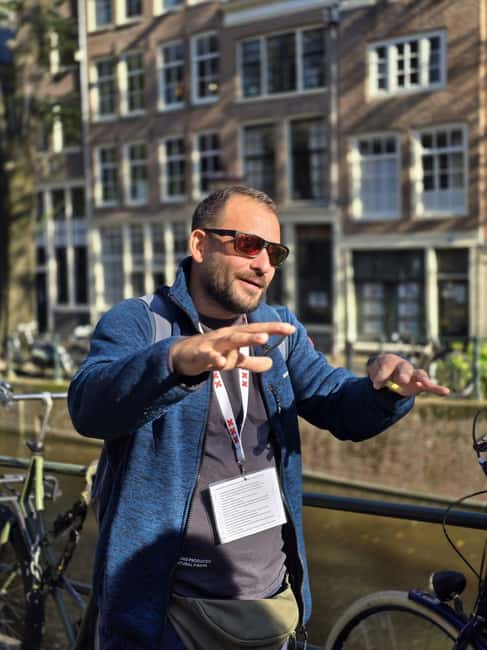
Zuiderkerk is another ten-minute stop for photographs and a guided explanation. The church adds an architectural and civic layer to the route. You are not only looking at a historic building. You are considering how Amsterdam’s religious, social, and public spaces fit into the city’s growth.
The final major stop is Nieuwmarkt Square, where the group spends about fifteen minutes. This is a good place to connect several threads from the tour: the old city, the Jewish Quarter, trade, public gathering spaces, and the liberal culture that Antonis discusses throughout the walk.
The experience ends at the Waag. This gives you a practical finish in a central part of Amsterdam rather than leaving you far from the city center. The supplied meeting details also say the activity ends back at the meeting point, so confirm the exact end arrangement when booking, since the route information places the finish at the Waag.
Coffee, chocolate, and the Anne Frank VR session
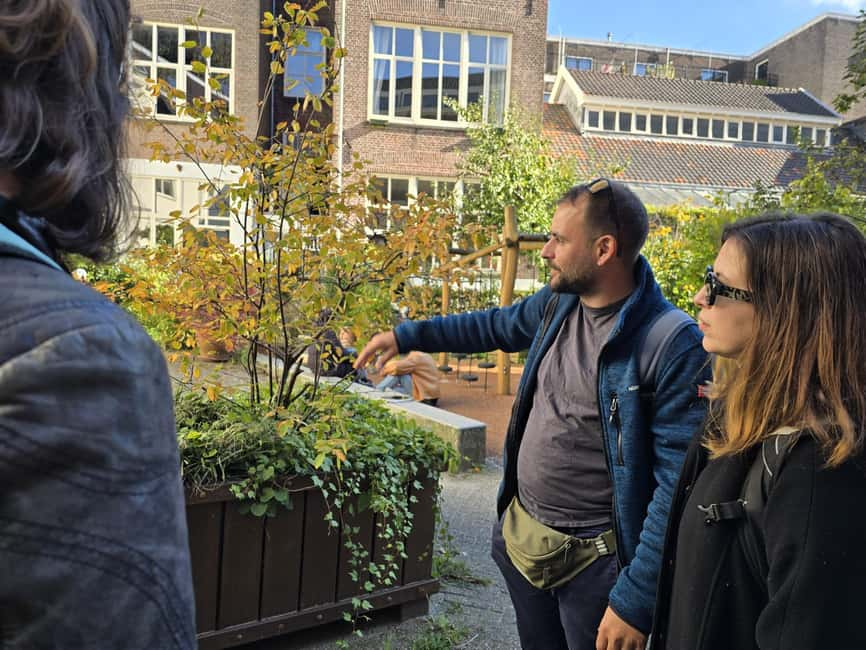
The tour includes a warm coffee, bottled water, chocolate or another local sweet, and time to sit and talk. The sweet may be chocolate or Dutch cookies, depending on the day. This break is not just a comfort stop. It gives you a chance to ask questions that come to mind during the walk.
The Anne Frank House VR experience comes during this final hour. You do not need an Anne Frank House ticket for this part, and the virtual visit lets you step into the Secret Annex in a different way. It can help you picture the tight space and understand the setting before or after a visit to the actual museum.
Keep your expectations in check. There is one headset, and it is passed around. The VR is optional, informal, and described as a conversation starter. It is not a private VR session or a full museum replacement. If you do not want to use the headset, you can still enjoy the coffee, stories, and discussion.
This arrangement works best for people who enjoy shared activities and conversation. It is less suitable if you want a polished, timed multimedia presentation with every participant using the equipment for a fixed period.
What the personal extras are worth
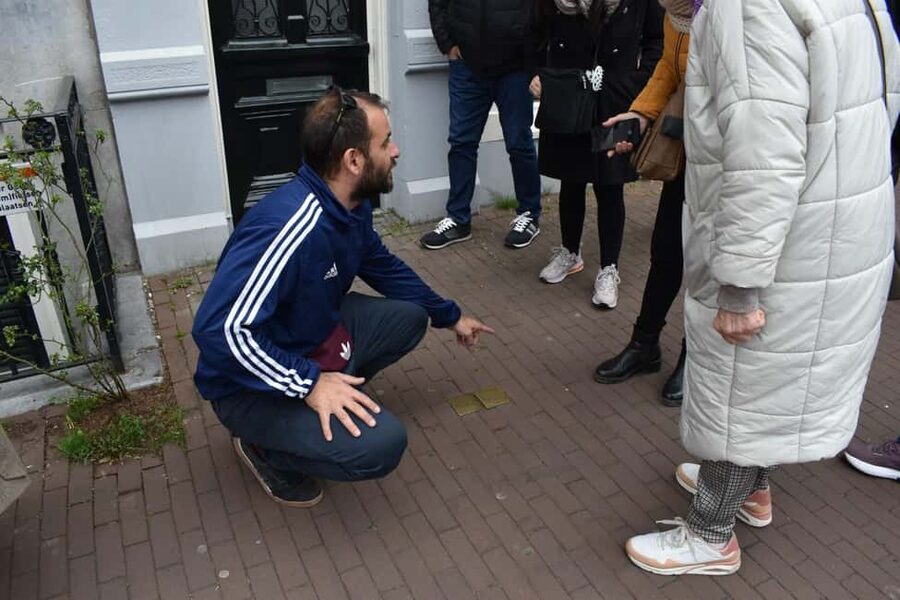
The included Polaroid is a small but clever touch. Antonis takes a mini instant photo during the experience, giving you a physical reminder of the walk instead of another image buried in your phone.
You also receive an Amsterdam postcard with a personalized handwritten message and an official stamp. That costs little in financial terms, but it makes the tour feel more personal. The postcard is especially useful if you like souvenirs tied to a particular day rather than generic city merchandise.
The recommendation list is another practical benefit. Antonis gives advice about nearby bars and restaurants, and the personal tips can help you decide where to eat after the tour. This matters most if you take the walk near the beginning of your stay, when you still need help choosing places to go.
Price, pace, and practical value
At $33 per person, the tour is priced below many longer guided city experiences. The value comes from the small group, the live English guide, the three-hour route, coffee, water, chocolate, VR access, Polaroid, postcard, and local suggestions.
You are not paying for a major museum ticket. You are paying for interpretation, a carefully linked route, and personal attention. If you planned to visit the Anne Frank House, remember that the VR does not replace admission to the real house. The value is strongest when you want orientation and context before exploring Amsterdam on your own.
The walking pace is relaxed, but you should wear comfortable shoes. The route includes bridges and city streets, with two hours on foot and plenty of standing. Bring water, a camera, and weather-appropriate clothing. Extra snacks and drinks are not included, although the tour does provide coffee, bottled water, and a sweet treat.
The booking information lists a small group limited to six participants, while another description gives a maximum of ten. I would confirm the exact number before paying if group size is important to you. Free cancellation is available up to 24 hours in advance, and you can reserve now and pay later.
Who will enjoy this Amsterdam walk?
I would choose this tour if you want more than the Red Light District, canals, and standard city facts. It suits solo visitors, couples, curious first-time visitors, and people returning to Amsterdam who feel they missed the city’s quieter stories.
It is also a good fit if you enjoy a guide with personality. Antonis’s style is warm, energetic, and interactive. His best qualities are his ability to connect history with daily life and his willingness to answer questions rather than rush through a script.
You may prefer another experience if you need wheelchair access, dislike walking, or want a strictly academic WWII program. The route also covers a lot in three hours, so some subjects receive a short explanation rather than a long lecture.
Should you book Liberal Amsterdam?
Book it if you want Amsterdam explained through people, places, and small details. The strongest parts are Antonis’s storytelling, the Jewish Quarter and Holocaust Memorial, the water and architecture lessons, and the chance to ask questions over coffee.
Do not book it expecting a full Anne Frank House visit or a private VR session. Instead, think of the experience as a social history walk with a thoughtful optional finale. At $33, it offers solid value for a small group, especially when you take it early in your stay and use the food and bar suggestions afterward.
FAQ
How long does the Liberal Amsterdam tour last?
The activity lasts three hours. About two hours are spent walking, followed by roughly one hour for coffee and the optional VR session.
What language is the tour conducted in?
The live tour guide speaks English.
Where does the tour start?
The meeting point is in front of De Silveren Spiegel at Kattengat 4-6 in Amsterdam.
Where does the tour finish?
The route information lists the Waag as the finishing point. The meeting details also describe the activity as ending back at the meeting point, so confirm the exact finish when booking.
Is the Anne Frank VR experience required?
No. The VR is completely optional. One headset is passed around during the coffee and discussion period.
What is included in the price?
The price includes the local guide, recommendation list, coffee, bottled water, chocolate or another local sweet, the VR experience, a mini Polaroid, and a personalized Amsterdam postcard with an official stamp.
Is the tour suitable for wheelchair users?
No. The activity is listed as unsuitable for wheelchair users. Comfortable shoes, water, a camera, and weather-appropriate clothing are recommended.
More guided walks around Amsterdam
- Amsterdam: Guided Cultural Walking Tour
★ 4.9 · 2,384 reviews - Amsterdam: Guided Ganja Walking Tour of Coffee Shops
★ 4.2 · 2,092 reviews - Amsterdam Highlights Walking Tour: Small Group Experience
★ 5.0 · 1,132 reviews - Amsterdam Small-Group Walking Tour
★ 4.7 · 995 reviews
Just added in Amsterdam
- Guided Day Trip – Volendam, Zaanse Schans, Marken & Edam★ 4.0 · 232 reviews
- Private Tour Zaanse Schans Windmills and Volendam in Jaguar★ 5.0 · 10 reviews
- Zaanse Schans and Giethoorn Unique Day Trip with Boat Cruise★ 4.5 · 17 reviews
- Half-Day Private Guided Sightseeing Tour of Zaanse Schans★ 5.0 · 14 reviews
- Zaanse Schans Private Tour Windmills★ 5.0 · 18 reviews
- Private bike tour: Hidden gems around Amsterdam and surroundings★ 5.0 · 4 reviews
- Bike tour in Amsterdam with an Italian guide★ 5.0 · 15 reviews
- Amsterdam Sightseeing Tour + Hidden Gems + Tastings + PDF guide★ 5.0 · 35 reviews
Anne Frank & Jewish Amsterdam, compared.
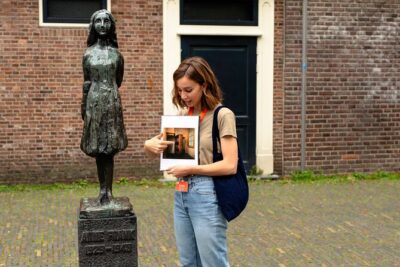
Anne Frank’s Story – Guided Walking Tour through Amsterdam
Read our review →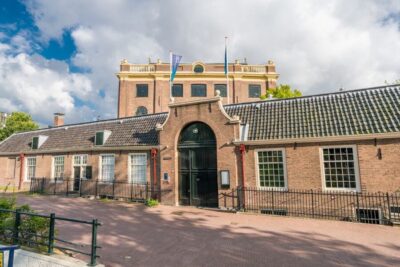
Life of Anne Frank and World War II Walking Tour
Read our review →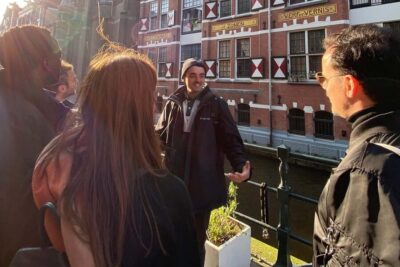
Anne Frank Walking Tour – Guided in EN/DE/IT/ES
Read our review →
Anne Frank Walking Tour Amsterdam Including Jewish Cultural Quarter
Read our review →
Anne Frank’s Last Walk & See Anne Frank House in Virtual Reality
Read our review →
Anne Frank and Jewish Quarter Amsterdam Private Walking Tour
Read our review →
Browse the lists this tour appears in