
Reviewed · STREET ART
Alternative Tour Amsterdam | Drugs Story, Street Art & More
Amsterdam’s polished canals and grand old buildings tell only part of the story. This two-hour walking tour tackles the subjects many city tours avoid, including soft drugs, prostitution, LGBTQ persecution, graffiti, houseboats, and the social forces behind Amsterdam’s famously relaxed image.
I like the small maximum of 10 people, which gives the guide room to explain sensitive topics without turning the walk into a street lecture. I also like the route’s mix of major sights and less tidy subjects, from Dam Square and the Royal Palace to the Gay Monument and street art. The main drawback is that you walk the whole time, and groups cannot enter the Red Light District.
Key points at a glance
- A look behind Amsterdam’s easygoing image: Learn how the city’s drugs policy, sex industry, and liberal reputation developed.
- A compact group of up to 10: The size should make it easier to hear the guide and ask questions.
- Jordaan gets the most time: About an hour is spent among its narrow streets, cafes, studios, boutiques, and working-class stories.
- The Red Light District is discussed, not entered: Tour groups have been barred from going inside since 2020.
- Sensitive subjects require maturity: The tour is aimed at adults, or teenagers accompanied by a guardian.
- A low-cost walking introduction: At $3.60 per person, the price is unusually low, though you should bring water and expect no included admission or transport.
Why this Amsterdam walk takes a different route
Many first-time visitors see Amsterdam as a pretty collection of canals, bicycles, museums, and old brick houses. Those sights matter, but this tour asks what sits beneath the city’s public image.
You’ll hear about the policies and social changes tied to soft drugs and prostitution. You’ll also stop at places connected to LGBTQ history and persecution. Street art and houseboats add a visual side to the discussion, while the Jordaan supplies a neighborhood setting rather than a string of famous facades.
That mix gives the walk a clear purpose. It is not mainly a sightseeing tour with a few edgy comments added for effect. The major landmarks act as starting points for a broader discussion about how Amsterdam developed its identity.
The tour is offered in English by a licensed guide and lasts about two hours. Since the group is capped at 10 people, you should get a more personal experience than you would on a large city walk. The available rating is 4.3 from 11 ratings, which suggests a generally positive response, but the sample is small. I would treat the score as useful but not definitive.
A few more things to do in Amsterdam worth a look
- Amsterdam: Streetart Museum STRAAT Entrance Ticket
★ 4.8 · 2,137 reviews - STRAAT Museum – Museum for Street Art Amsterdam Admission Ticket
★ 5.0 · 192 reviews - Amsterdam’s Hidden Gems and Street Art Bike Tour
★ 5.0 · 65 reviews
Starting at Dam Square and the Royal Palace
Meet at the National Monument in Dam Square at 1:30 p.m. The square is close to the place where Amsterdam was founded, so it is a sensible spot for a tour about the city’s growth and changing character.
You’ll spend about five minutes at the National Monument. Admission is free, and the tour both starts and finishes here. That makes the meeting point easy to understand, but arrive on time. If you are late, you cannot simply catch up with the group. You’ll need to book a new time slot.
The Royal Palace is the next short stop. The building began as Amsterdam’s town hall and later became a palace. The visit here is brief, about five minutes, and admission is not included because the tour does not take you inside.
I like the way this stop sets up the contrast between official Amsterdam and the less formal subjects ahead. You see one of the country’s most important civic buildings, then move toward stories involving protest, social rules, personal freedom, and public debate.
If you want to see the Royal Palace properly, plan a separate visit after the walk. Tickets can be booked through the palace’s website. The tour itself is not a substitute for an interior visit, but it gives you a useful reason to return.
Spending an hour in the Jordaan
The Jordaan receives the largest section of the route, about one hour. That is a good use of time. Instead of rushing through several neighborhoods, the guide can focus on one area and show how Amsterdam’s character changes from street to street.
You’ll walk narrow lanes lined with cafes, art studios, and independent boutiques. The route also covers the area’s working-class past, rebellious artists, and the difficulties faced by people in earlier periods.
The Jordaan is important here because it provides a human scale. Dam Square and the Royal Palace represent public power and national identity. The Jordaan is better suited to stories about ordinary residents, creative people, local businesses, and social change.
You should expect to walk continuously rather than stop for long periods. The tour does not include food or drinks, so bring water. Comfortable shoes are a practical choice, even though the walk is only about two hours.
The neighborhood portion may suit you best if you prefer local streets to a rapid list of major sights. It also gives the guide time to connect Amsterdam’s counterculture with its older working-class roots. That connection is more useful than hearing isolated facts about drugs or nightlife.
Paying respects at the Gay Monument
The stop at Amsterdam’s Gay Monument lasts about 10 minutes. It honors LGBTQ people who were persecuted because of their gender or sexual preference.
This is one of the tour’s most serious moments. Amsterdam is often presented as a liberal city, but the monument reminds you that this reputation did not appear by magic and was not shared equally across all periods of history.
The stop adds necessary balance to the city’s modern image. A discussion of freedom should include the people who were denied it. The guide’s task here is not simply to point out a monument, but to explain why it exists and what it asks you to remember.
This part may be especially valuable if you want more than nightlife stories and drug-policy anecdotes. It shifts the tour from curiosity about Amsterdam’s permissive reputation toward the human cost of prejudice.
Same city, a different sort of day:
- Amsterdam: Van Gogh Museum Ticket
★ 4.7 · 52,054 reviews - Amsterdam Classic Saloon Boat Cruise with Drinks and Cheese
★ 5.0 · 31,825 reviews - Amsterdam Luxury Canal Cruise + Unlimited Drinks & Bites option
★ 5.0 · 30,518 reviews - Amsterdam: Heineken Experience Ticket
★ 4.6 · 30,055 reviews
Street art, graffiti, and houseboats
The final part of the route moves through several locations linked to street art, graffiti, and houseboats. About 40 minutes are assigned to this section, though the exact locations are not specified.
That open-ended format may work well for a city walk. Street art changes, and the guide can point out what is present along the route rather than promise a fixed gallery of works. You will likely get a sense of how public walls, canals, and floating homes fit into Amsterdam’s alternative side.
The subject also connects neatly with the earlier stops. Graffiti raises questions about public space and regulation. Houseboats show how residents have adapted to a city shaped by water and limited land. Together, these details help explain why Amsterdam can feel both tightly managed and unusually open to unconventional ways of living.
Do not expect a formal street-art museum or a dedicated houseboat visit. The tour stops at examples along the walk, and admission is free. The value is in the guide’s explanation and the way these sights fit the larger story.
What you will and will not see in the Red Light District
The Red Light District is an important subject, but the tour does not take groups inside it. Since 2020, tour operators have not been allowed to bring groups into the district.
The guide does cover the area’s backstory and its connection to prostitution policy. That means you can learn about the subject without treating the district as a spectacle. For many people, this is a more thoughtful format than following a large group through narrow streets while listening to jokes and quick facts.
Still, expectations matter. If your main goal is to walk through the Red Light District itself, this is not the right tour. You will receive context about it, but not an escorted entry.
The same point applies to the drugs discussion. The tour is educational, not a purchase opportunity, and no food or drinks are supplied. The subject matter includes soft drugs policy and prostitution, so I would not choose this walk for young children. Teenagers may attend with a guardian, while adults are the clearest fit.
Is $3.60 good value?
At $3.60 per person, the price is extremely low for a two-hour guided walk. Even with the tour’s limitations, it offers a lot of subject matter for very little money.
The value depends on what you want. If you need museum entry, transport, food, or a long list of famous interiors, this price does not cover those extras. You walk from place to place, all admissions are free, and the Royal Palace interior is separate.
If you want an affordable orientation to Amsterdam’s counterculture, the calculation is much better. You get an English-speaking licensed guide, a small group, and a route that combines landmarks with difficult subjects. At this price, the walk can work well early in your visit, especially if it helps you decide which neighborhoods or attractions deserve a second look.
The small group adds to the value. A maximum of 10 people is far more manageable than a large crowd when the guide is discussing sensitive topics. You can hear the explanation, keep up with the group, and ask a question without shouting across a street.
The available rating of 4.3 from 11 ratings is encouraging, but I would not book solely on the number. The tour’s low price and unusual topic matter more to the decision. You should book because the content suits you, not because you expect a polished premium sightseeing experience.
Who should book this experience?
I would recommend this tour if you enjoy social history, city policy, street art, and the stories that sit outside standard guidebooks. It should suit adults who want to understand why Amsterdam is associated with personal freedom, soft drugs, prostitution, and LGBTQ rights.
It also works for visitors who have already seen the main sights and want a different angle. Dam Square and the Royal Palace provide familiar reference points, while the Jordaan and street art sections take you into a less formal side of the city.
Teenagers can attend under supervision, but parents should know the topics in advance. The tour includes prostitution, soft drugs policy, and LGBTQ persecution. That can lead to useful conversations, but it is not a child-focused walk.
You may want to skip it if you dislike walking, want to enter the Red Light District, or prefer a conventional tour centered on architecture and art collections. You should also avoid booking it if you are likely to arrive late, since the group will not wait for you to catch up.
The activity is near public transportation, and service animals are allowed. Most people can participate, but the supplied details do not describe step-free access or the exact walking distance. If you have specific mobility needs, confirm those points before booking.
Timing, meeting point, and cancellation
The tour begins at 1:30 p.m. at the National Monument in Dam Square, Amsterdam, postcode 1012 JS. It ends back at the same meeting point, which makes it easy to continue sightseeing afterward.
The walk takes about two hours. Since all transportation is on foot, plan your afternoon around a continuous outdoor activity. Bring water, and leave enough time to reach the monument before the start.
You can cancel for a full refund if you do so at least 24 hours before the start time. Cancellations or changes made later are not refunded or accepted. The local time in Amsterdam determines the cut-off.
The activity requires a minimum number of people. If it is canceled because that minimum is not reached, you can choose another date or experience, or receive a full refund.
Should you book the Alternative Tour Amsterdam?
Book it if you want Amsterdam explained through its tensions, not just its pretty buildings. The strongest parts are the small group, the hour in the Jordaan, the Gay Monument, and the frank treatment of drugs and prostitution policy.
Go in with clear expectations. You will walk the entire route, enter no attractions, and remain outside the Red Light District. You will also need to be comfortable with mature subjects.
For $3.60, this is an easy choice for an adult interested in the city’s counterculture and social history. It is less suitable if you want a classic highlights tour or a guided visit inside Amsterdam’s major buildings. Bring water, arrive early, and treat the walk as a thoughtful introduction to the city’s less polished side.
FAQ
Where does the tour start and finish?
It starts and ends at the National Monument in Dam Square, Amsterdam, 1012 JS.
What time does the tour begin?
The start time is 1:30 p.m.
How long does the experience last?
The tour lasts approximately two hours.
Is the Red Light District included?
The guide discusses the Red Light District and its backstory, but tour groups are not allowed to enter it.
Is the tour suitable for teenagers?
The tour is recommended for adults because it covers prostitution and soft drugs policy. Teenagers may attend under the supervision of a guardian.
Can I cancel for a full refund?
Yes. You must cancel at least 24 hours before the experience begins to receive a full refund. Changes or cancellations made less than 24 hours before the start are not accepted or refunded.
Just added in Amsterdam
- Guided Day Trip – Volendam, Zaanse Schans, Marken & Edam★ 4.0 · 232 reviews
- Private Tour Zaanse Schans Windmills and Volendam in Jaguar★ 5.0 · 10 reviews
- Zaanse Schans and Giethoorn Unique Day Trip with Boat Cruise★ 4.5 · 17 reviews
- Half-Day Private Guided Sightseeing Tour of Zaanse Schans★ 5.0 · 14 reviews
- Zaanse Schans Private Tour Windmills★ 5.0 · 18 reviews
- Private bike tour: Hidden gems around Amsterdam and surroundings★ 5.0 · 4 reviews
- Bike tour in Amsterdam with an Italian guide★ 5.0 · 15 reviews
- Amsterdam Sightseeing Tour + Hidden Gems + Tastings + PDF guide★ 5.0 · 35 reviews
Street Art, compared.
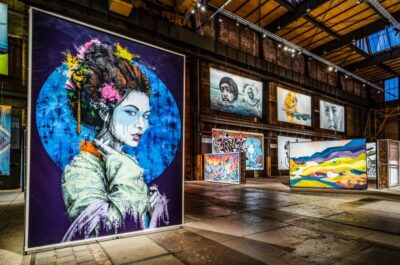

STRAAT Museum – Museum for Street Art Amsterdam Admission Ticket
Read our review →
Amsterdam’s Hidden Gems and Street Art Bike Tour
Read our review →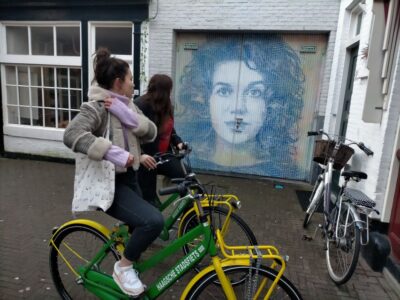
Browse the lists this tour appears in