Reviewed · TOURS IN AMSTERDAM
Amsterdam: Cultural Highlights in English/German/Italian
Amsterdam’s story comes alive on this 3 to 4-kilometer walk through the old center. You move from the city’s medieval beginnings at Dam Square to its Golden Age wealth, colonial past, Jewish history, LGBTQ+ heritage, and modern shopping streets. I like the clear timeline, and I like that the guide’s restaurant and sightseeing tips can shape the rest of your stay.
The small group limit of 15 should make it easier to hear and ask questions. The main drawback is that this is a brisk overview, not a museum tour: you do not enter paid sights, visit the Anne Frank House, or go into a coffee shop. You will also need comfortable shoes.
Key points to know before booking
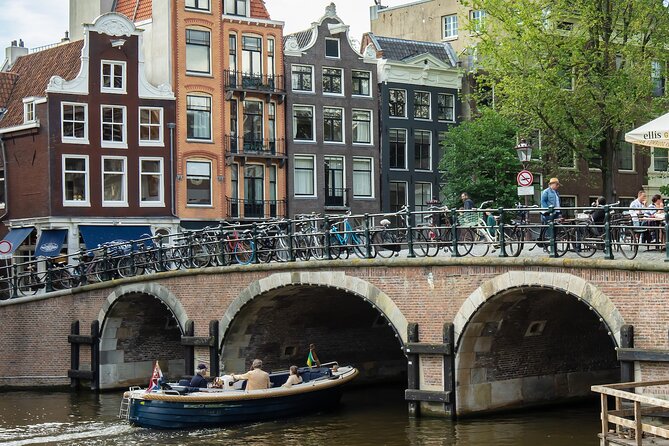
- A two-hour history walk: Follow Amsterdam’s development from Dam Square and the old town hall to the Golden Age and present-day city life.
- Eleven central stops: See the Beurs van Berlage, Nieuwe Kerk, Westerkerk, Anne Frank statue, Gay Monument, Nine Streets, and Begijnhof.
- Language choice matters: The experience is offered in German, English, or Italian, though some booking information specifically identifies the scheduled tour as German.
- A compact group: The maximum is 15 people, a useful size for questions and a steady walking pace.
- No admission fees during the walk: All scheduled stops are viewed from public areas, with no tickets included or needed for the tour itself.
- Useful follow-up advice: Guides give shopping, food, and sightseeing suggestions for the rest of your time in Amsterdam.
A city story that unfolds one street at a time
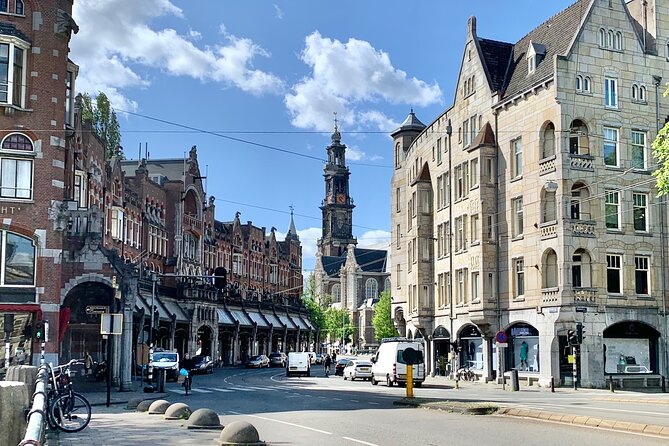
This tour works best as a first look at Amsterdam. You are not simply ticking off famous places. The route links them, showing how trade, religion, empire, war, tolerance, and urban change shaped the city.
The meeting point is the National Monument on Dam Square. From there, you walk through the historic center and finish back at the starting point. The route covers about 3 to 4 kilometers, so it is manageable for most people, but it is still a walking tour rather than a gentle pause between attractions.
I like that the guide can respond to questions as the route develops. Past guides have included Deborah, Josh, Stephanie, Marina, Justus, and Noeme. The strongest feedback centers on clear explanations, an easy pace, and practical tips about food and places to explore after the walk.
The group is kept to no more than 15 people. That does not guarantee a private feel, but it is far more workable than a large city walk. One guide was praised for letting the group move at the pace of its slowest member, which matters on Amsterdam’s busy streets and uneven walking surfaces.
Other trips people book in Amsterdam:
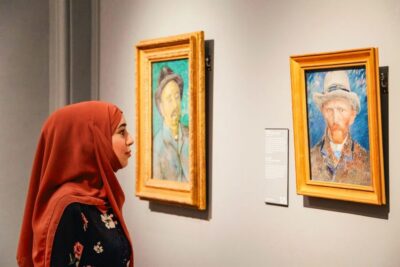
- Amsterdam: Van Gogh Museum Ticket
★ 4.7 · 52,054 reviews - Amsterdam Classic Saloon Boat Cruise with Drinks and Cheese
★ 5.0 · 31,825 reviews - Amsterdam Luxury Canal Cruise + Unlimited Drinks & Bites option
★ 5.0 · 30,518 reviews
National Monument and Dam Square: Amsterdam’s starting point
The National Monument is the meeting place, and the first few minutes help you locate yourself in central Amsterdam. It is a convenient start near public transportation, and there is no admission charge.
At Dam Square, the tour turns to the city’s beginnings. You learn how Amsterdam was established and how the old town hall later became the Royal Palace. This is one of the most useful stops because it gives you a basic map of the city’s power center before the route moves into trade and religion.
The stop lasts about 15 minutes. Do not expect a palace visit. The value is in the guide’s explanation of the buildings and the way Amsterdam grew around this central square.
Beurs van Berlage and Nieuwe Kerk: money and belief
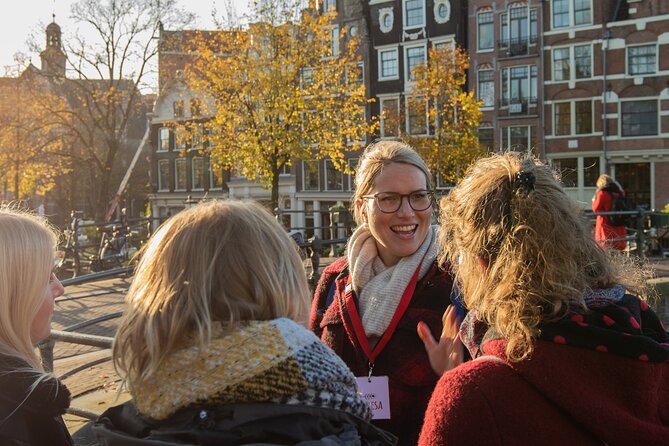
The Beurs van Berlage introduces Amsterdam during its Golden Era, when trade helped make the city one of the wealthiest places in the world. This is a strong historical bridge between the city’s modest beginnings and its later influence.
You will not just hear that Amsterdam became wealthy. The guide connects the exchange building with the commercial life that shaped the old center. If you want a quick explanation of why so many grand buildings appear in a relatively compact area, this stop helps.
The nearby Nieuwe Kerk brings religion and civic life into the story. You learn about the church’s role in Amsterdam’s development and why it mattered to the city. The scheduled stop is short, about five minutes, so expect an outdoor explanation rather than a detailed interior visit.
That short timing is both useful and limiting. It keeps the walk moving, but anyone hoping to inspect church art or architecture at length will need to return on their own.
Multatuli and Magna Plaza: uncomfortable chapters and changing uses
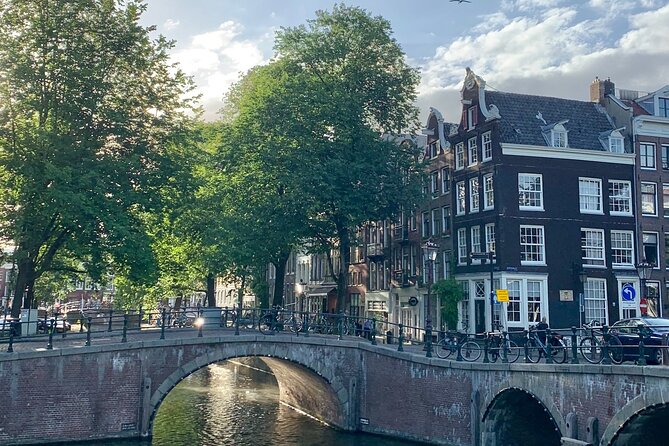
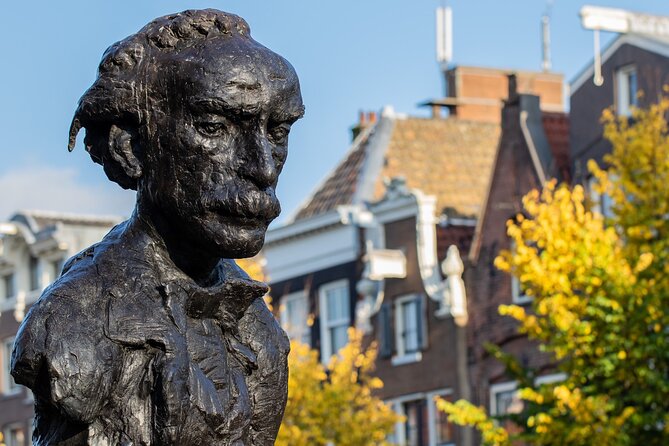
The statue of Multatuli opens a more difficult part of Amsterdam’s past. Here, the guide discusses the colonial era and its connection to one of the country’s most important books.
This is a worthwhile inclusion because the tour does not present Amsterdam as only a pretty canal city with prosperous merchants. It gives you a chance to consider the costs and contradictions behind that prosperity. The stop lasts about 10 minutes, long enough for context without turning the walk into a lecture.
Magna Plaza adds a different layer. The former post office is used to explain how an important civic building found a new role. Its architecture and location make it a useful example of how Amsterdam’s center keeps changing while retaining traces of earlier periods.
The five-minute stop is brief, but the building is easy to recognize later. That makes it a practical orientation point if you continue walking through the city after the tour.
Same city, a different sort of day:
- Amsterdam: Heineken Experience Ticket
★ 4.6 · 30,055 reviews - Amsterdam: Rijksmuseum Entry Ticket
★ 4.7 · 25,535 reviews - Amsterdam: Classic Boat Cruise with Optional Cheese & Wine
★ 4.6 · 22,925 reviews - Amsterdam: Evening Cruise with Optional Wine and Snacks
★ 4.4 · 19,696 reviews
Westerkerk and the Anne Frank statue: Jordaan and Jewish Amsterdam
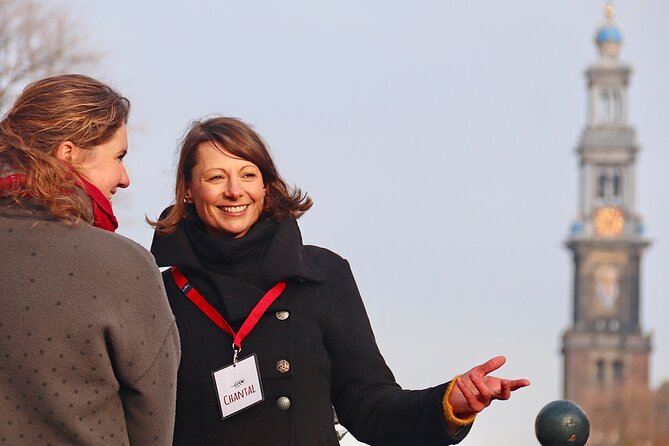
Westerkerk is described as Amsterdam’s biggest church, and the stop connects it to the Jordaan area. You learn about the church’s past and the neighborhood around it, one of the best-known parts of central Amsterdam.
The route then moves to the Anne Frank statue. This section covers Jewish life in Amsterdam and the experiences of Anne Frank and her family. The subject is serious, and the guide’s role is to place it within the broader story of the city.
Be clear about what is included. This is a stop at the statue, not a visit to the Anne Frank House. No house admission is part of the walk, and you should not book this tour expecting an interior visit or a substitute ticket.
One account of a past walk described an Anne Frank House visit being absent without replacement. That points to an important booking lesson: the advertised experience should be understood as an outdoor cultural tour, with the statue included and the house left out.
If the Anne Frank House is important to you, arrange that separately and check its own ticket rules. The walking tour can provide context, but it cannot replace the museum.
The Gay Monument and Amsterdam’s changing identity
The Gay Monument adds LGBTQ+ history to the route. This stop helps explain Amsterdam’s long connection with LGBTQ+ life and gives the tour a broader social focus.
I appreciate that the itinerary makes room for this subject alongside trade, religion, colonialism, and wartime history. You get a view of the city shaped not only by buildings and rulers, but also by communities and public memory.
The stop takes about 10 minutes. It is not a full survey of Amsterdam’s LGBTQ+ scene, but it gives you a useful starting point for understanding the area and deciding what you may want to explore later.
Nine Streets: a short stop with useful shopping advice
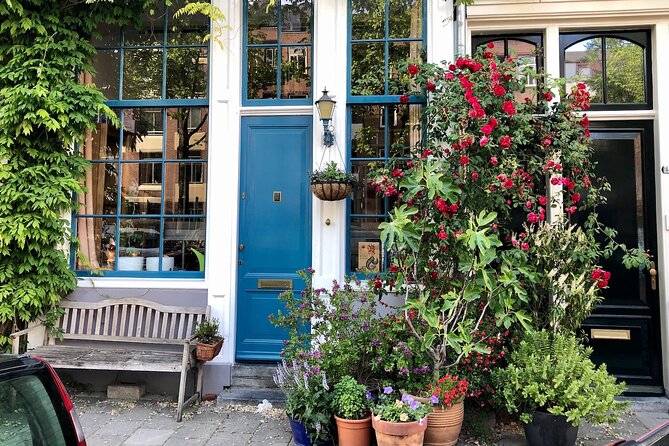
The Nine Streets, or Negen Straatjes, are included as a five-minute stop. The tour does not treat this as a long shopping session. Instead, the guide gives you suggestions so you can return after the walk.
That approach makes sense. Shopping is more enjoyable when you have time to browse at your own speed, and a short orientation helps you avoid wandering without a plan. Guides have also offered food advice, which can be useful when you are deciding where to eat during the rest of your visit.
This is one of the clearest examples of the tour’s practical value. You are not only hearing history. You are collecting ideas for the hours after the guide leaves you.
Spui and Begijnhof: reformation and a quieter close
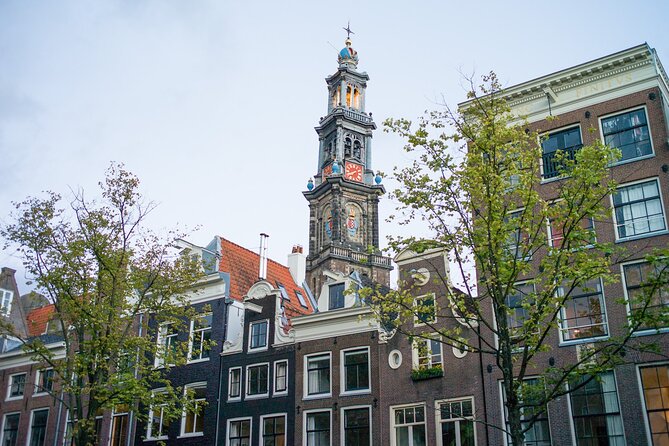
The final stop is Spui, where you visit the historic Begijnhof and learn about the Reformation in Amsterdam. The guide points out the hidden church inside the courtyard and suggests other lesser-known places to see later.
Begijnhof is a good ending because it shifts the mood from major squares and public monuments to a quieter historic setting. The stop lasts about 15 minutes, one of the longer pauses on the route.
The guide’s explanation helps you notice details you might otherwise pass without understanding. At the same time, remember that this remains a guided walk. You may want to return to Spui or Begijnhof later if you prefer to take your time.
The tour ends back at the National Monument. That makes planning simple. You can continue sightseeing from the same central area, take public transportation, or return to a nearby hotel.
What the $33.88 price really buys you
At $33.88 per person, the main purchase is not admission. You receive about two hours of guided explanation, route planning, and local suggestions in a small group.
That is a fair value if you are new to Amsterdam and want a framework for the city. The walk covers a wide range of subjects without asking you to spend extra on tickets along the way. It can also save you time during your first day, since the guide connects several central areas in one route.
The value is weaker if you prefer to explore slowly or already know central Amsterdam well. You will not enter museums, tour the Royal Palace, visit the Nieuwe Kerk in depth, or go inside the Anne Frank House. In that case, the price is mainly for interpretation and orientation.
The tour is booked, on average, well ahead of the date, with many bookings made about 46 days in advance. If your dates are fixed, reserving early is sensible, especially if you need a particular language.
Languages, pace, weather, and group size
The experience is described as available in German, English, or Italian. The additional booking information identifies the tour as German, so check the specific departure you select if language is important. Do not assume that every time slot includes all three languages.
The activity is suitable for children, and most people can participate. A dog has also accompanied a previous group without trouble, but you should still confirm any pet concerns when booking, since the supplied information does not promise a general pet policy.
Wear comfortable shoes. The route covers 3 to 4 kilometers, and Amsterdam’s streets can be tiring if you are wearing footwear meant for appearance rather than walking. Bring water and a hat in hot weather.
The experience requires good weather. If poor weather cancels the tour, you are offered another date or a full refund. For other cancellations, you can receive a full refund if you cancel at least 24 hours before the start time. Within 24 hours, the payment is not refunded.
Tips are not included. Set aside a little extra if you feel the guide earned it, but the listed price covers the walking tour itself.
Who will get the most from this walk
I would choose this tour for a first or second day in Amsterdam. It gives you a working map of the center and helps you decide where to spend more time later.
It suits you especially well if you want:
- A broad introduction to Amsterdam’s past
- A small group instead of a large crowd
- A guide who can answer questions in German, English, or Italian, depending on the departure
- A mix of royal, commercial, religious, colonial, Jewish, LGBTQ+, and shopping-related subjects
- Practical suggestions for food and places to visit after the tour
Families can use it as a simple introduction, since children are welcome. It may be less suitable if you have trouble walking several kilometers, want extensive time inside buildings, or need a tour focused only on the Anne Frank House or the red-light district.
The red-light district is not included. The route only passes its southern side, and the coffee shop is not visited. That makes the experience more cultural and historical than sensational.
Should you book Amsterdam’s Cultural Highlights walk?
Book it if you want a well-organized introduction to central Amsterdam at a reasonable price. The best features are the compact route, the broad range of subjects, the small group, and the useful advice for the rest of your trip.
Go in with the right expectations. This is an outdoor overview, not a series of interior visits. You will see important places, hear the story behind them, and leave with ideas for further exploring. You will not receive museum admission, the Anne Frank House, or a long stop at any single sight.
If you have limited time in Amsterdam, I would lean toward booking it early in your visit. Guides such as Deborah, Josh, Stephanie, Marina, Justus, and Noeme have been praised for clear explanations, friendly delivery, and answering questions. The strongest reason to choose this walk is simple: it helps you understand what you are seeing before you wander off on your own.
FAQ
How long does the Amsterdam Cultural Highlights tour last?
The walking tour lasts about two hours.
How far does the group walk?
The route covers approximately 3 to 4 kilometers.
Where does the tour start?
It starts at the National Monument on Dam Square, Amsterdam, postal code 1012 JS.
Where does the tour end?
The activity ends back at the meeting point at the National Monument.
What languages are available?
The tour is offered in German, English, or Italian. The additional booking information specifically identifies one version as German, so check the selected departure language before booking.
Is the Anne Frank House included?
No. The route stops at the Anne Frank statue and discusses Anne Frank and Jewish history in Amsterdam, but it does not include a visit to the Anne Frank House.
Does the tour enter the red-light district or a coffee shop?
No. The red-light district is not visited, though the route passes its southern side. The coffee shop is not visited.
Are admission fees included?
There are no admission fees during the tour. The scheduled sights can be visited for free as part of the walk, but the experience does not include tickets for separate attractions.
What happens if I need to cancel?
You can receive a full refund if you cancel at least 24 hours before the local start time. Cancellations or changes made within 24 hours are not refunded. If poor weather causes the tour to be canceled, you are offered another date or a full refund.
Just added in Amsterdam
- Guided Day Trip – Volendam, Zaanse Schans, Marken & Edam★ 4.0 · 232 reviews
- Private Tour Zaanse Schans Windmills and Volendam in Jaguar★ 5.0 · 10 reviews
- Zaanse Schans and Giethoorn Unique Day Trip with Boat Cruise★ 4.5 · 17 reviews
- Half-Day Private Guided Sightseeing Tour of Zaanse Schans★ 5.0 · 14 reviews
- Zaanse Schans Private Tour Windmills★ 5.0 · 18 reviews
- Private bike tour: Hidden gems around Amsterdam and surroundings★ 5.0 · 4 reviews
- Bike tour in Amsterdam with an Italian guide★ 5.0 · 15 reviews
- Zaanse Schans Edam Volendam Private Day Tour from Amsterdam★ 5.0 · 3 reviews
Tours in Amsterdam, compared.

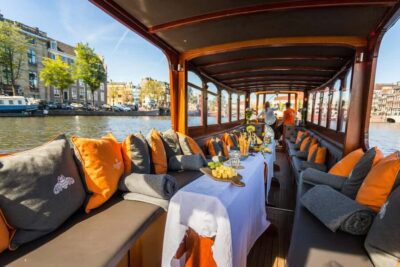
Amsterdam Classic Saloon Boat Cruise with Drinks and Cheese
Read our review →
Amsterdam Luxury Canal Cruise + Unlimited Drinks & Bites option
Read our review →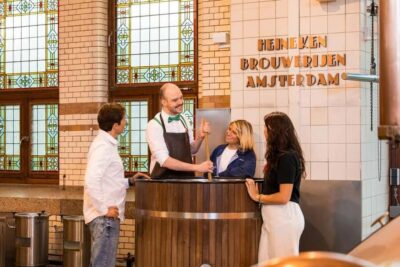
Classic Boat Cruise with Optional Cheese & Wine
Read our review →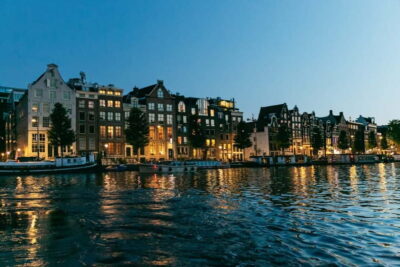
Evening Cruise with Optional Wine and Snacks
Read our review →