
Reviewed · FOOD TOURS
Amsterdam Food Tour of 10+ Local Classic Tastings in Jordaan Area
Amsterdam’s Jordaan is the setting, but food is the real guide. Over about three hours, you’ll move between local shops, cafés, and food stops for poffertjes, cheese, herring, kibbeling, stamppot, bitterballen, apple cake, and a final secret dish. The small group, capped at 12, makes it easier to ask questions and keep up with the guide.
I like the mix of classic Dutch food and neighborhood history, especially the fishmonger stop and the walk past the Westertoren and Anne Frank House area. I also like that guides such as Holly, Jolanda, Lorina, Helen, and Jules have been praised for keeping the pace friendly and adapting to the group. The main drawback is that the menu can change, and people who avoid fish or meat may find fewer choices.
Key points at a glance
- More than 10 tastings: Try poffertjes, Dutch cheese, ham, sausage, kibbeling, herring, bitterballen, apple cake, beer, and a secret dish.
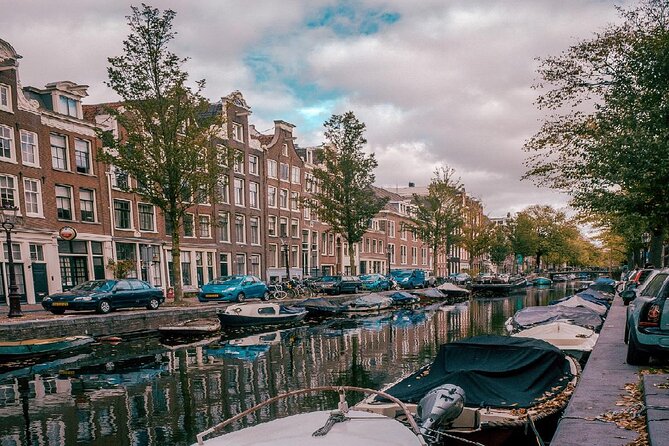
- Jordaan at walking pace: See canals, narrow lanes, 17th-century houses, specialty shops, and cafés while moving between food stops.
- A compact group: The regular tour allows no more than 12 people, with a private upgrade available.
- A strong local-food lesson: The route can include Dutch, Indonesian, and Surinamese influences, along with food customs and Amsterdam stories.
- Three hours and plenty of stops: The frequent tastings break up the walking, but comfortable shoes still matter.
- A practical meeting point: Start at the Anne Frank Monument on Westermarkt and finish back there.
Why the Jordaan is such a good food-tour setting
The Jordaan gives this experience more character than a simple crawl from restaurant to restaurant. Its narrow streets and canals make the walking part feel like sightseeing, while the small shops and cafés provide a more everyday view of Amsterdam than the city’s major museums alone.
The neighborhood is often compared with Greenwich Village because of its independent shops, cafés, galleries, and local feel. You’ll pass leafy canals lined with 17th-century houses, then turn into smaller lanes where the next tasting may be waiting.
This matters because the food makes more sense when you see where it fits into city life. Cheese, herring, fried fish, pancakes, and apple cake are not just items on a checklist. They are ordinary Dutch favorites, served in settings where you can ask how locals eat them and why they remain popular.
The meeting point at the Anne Frank Monument, Westermarkt 74, is easy to connect with the route’s cultural sights. The tour also passes the Westertoren, the highest church tower in Amsterdam at 87 meters, the Homomonument, and the Anne Frank House area.
You should not expect a full museum visit as part of the food tour. The attraction is the combination of outdoor sightseeing, neighborhood context, and food stops. If you want extended time inside the Anne Frank House, that requires separate planning.
More Food Tours in Amsterdam
- 10 Tastes of Amsterdam: Food Tour by UNESCO Canals and Jordaan
★ 5.0 · 3,020 reviews - Eating Amsterdam: Food Tour & Canals Cruise
★ 5.0 · 496 reviews - Amsterdam’s Market Street Food Tour with Streat Bites
★ 5.0 · 398 reviews
Poffertjes begin the Dutch tasting
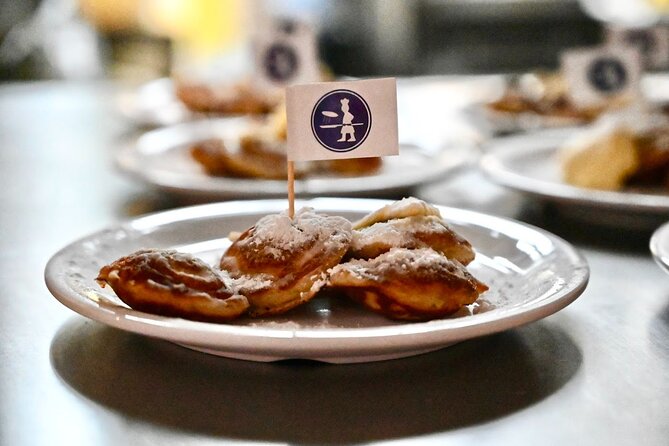
Poffertjes are a smart opening bite. These small, fluffy pancakes are usually served with powdered sugar and offer a sweet, simple introduction to Dutch food. They are lighter than a full breakfast pancake and easy to share within a group.
I like that this first tasting gives you something familiar before the tour moves into stronger flavors. It also sets up a useful contrast with the savory stops that follow.
The menu is designed to move between sweet and salty foods. That keeps the three hours from becoming a string of similar bites, though the exact order and location can change with availability, weather, and other conditions.
Cheese, ham, and sausage show the everyday side
Next comes Dutch cheese, including Gouda and other local favorites. The cheese stop is more useful than it may sound because it gives you a chance to compare styles and ask about the foods you are likely to see in markets and shops across the Netherlands.
Traditional ham and sausages add a savory counterpoint. These are not exotic discoveries, and that is part of the point. The tour focuses on foods people recognize and eat, rather than trying to make every stop feel unusual.
The portion sizes are intended as tastings, not full meals at each stop. By the end, though, the number of samples adds up. You should arrive hungry, but you do not need to plan a large meal immediately before the tour.
The fishmonger stop brings herring and kibbeling
The fish stop is one of the most distinctly Dutch parts of the route. You’ll taste fresh herring with onions, a classic combination, along with kibbeling, golden battered pieces of cod.
Herring can be the dividing line for the group. If you enjoy fish, it gives you a direct taste of a famous local food. If you avoid fish, this part of the menu will limit what you can eat, so contact the operator ahead of time with dietary requirements.
Kibbeling may be easier for cautious eaters because the fried coating makes it more familiar, but it is still fish. One useful feature of the tour is that the guide can explain how foods are eaten, not simply hand you a sample and move on.
The fishmonger setting also adds a sense of place. You are not just receiving a prepared tasting in one restaurant. You are seeing a type of local food business and sampling products associated with Dutch eating habits.
Other tastings and food walks around Amsterdam:
- Walking Rotterdam Food Tour
★ 5.0 · 89 reviews - Biking Rotterdam Food Tour with Local Guide
★ 5.0 · 82 reviews - Rotterdam: Guided Walking Food Tour
★ 4.6 · 55 reviews - Rotterdam: Food Tour by Bike
★ 4.8 · 31 reviews
Indonesian and Surinamese notes add needed context
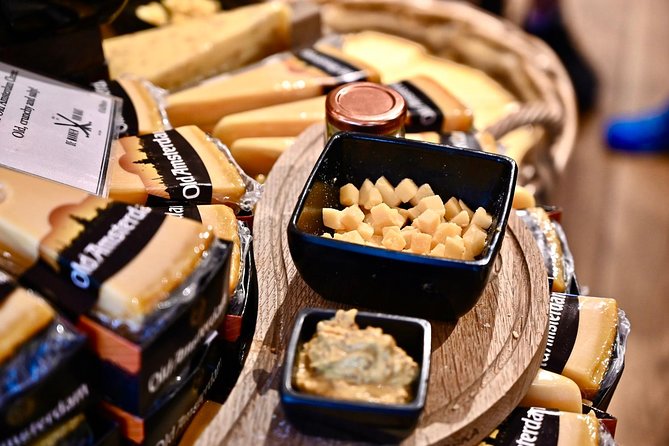
The food is not limited to old-fashioned Dutch dishes. Experiences on this route have included Indonesian satay and other flavors linked to Amsterdam’s wider food culture.
That variety is important. Dutch cuisine is often presented through cheese, pancakes, herring, and apple pie, but Amsterdam’s food culture also reflects its connections with Indonesia and Suriname. A good guide can explain those links without pretending the city’s food developed in isolation.
Jules, for example, has been praised for discussing the history of Dutch involvement in Indonesia alongside the food. That kind of plain treatment is valuable. It gives you a fuller picture of how dishes travel, change, and become part of daily life.
The exact Indonesian or Surinamese tasting is not guaranteed because the menu can change. Still, the possibility of broader flavors makes this tour more interesting than a route focused only on cheese and pancakes.
Stamppot and bitterballen bring the comfort food
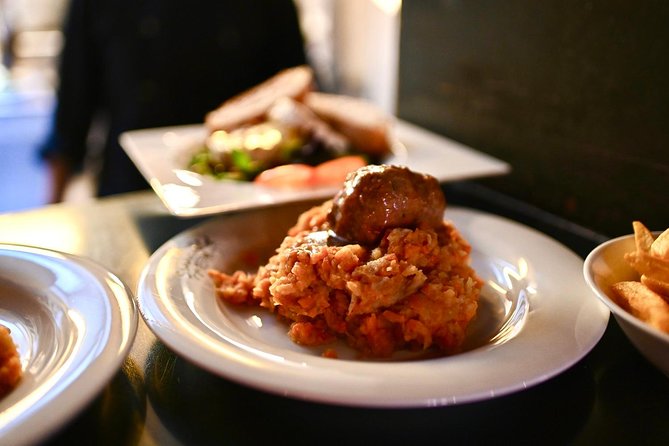
Stamppot is one of the best-known Dutch comfort foods, traditionally built around mashed potatoes and vegetables, often served with a savory addition. On this tour, it appears as one of the local favorites you may taste.
Bitterballen offer another classic. These round, fried snacks are common with drinks and are a useful example of casual Dutch bar food. Their crisp exterior and savory filling make them easy to enjoy, though the meat-based menu means they may not suit vegetarians.
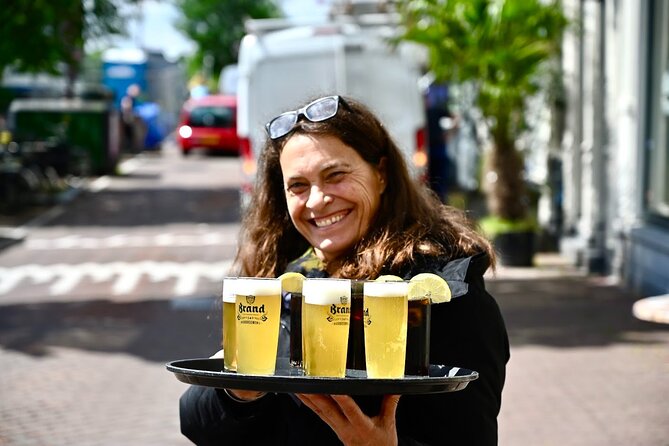
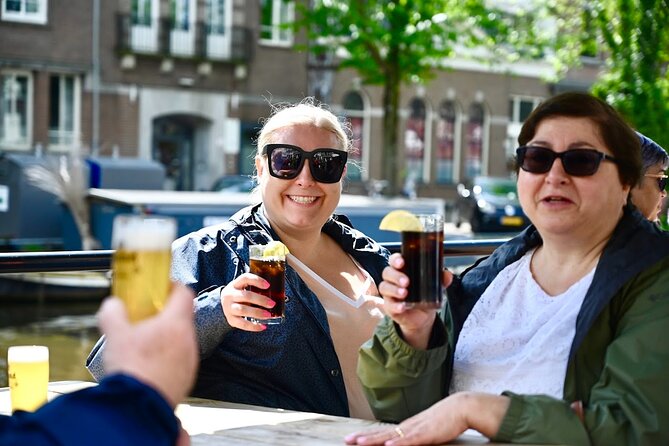
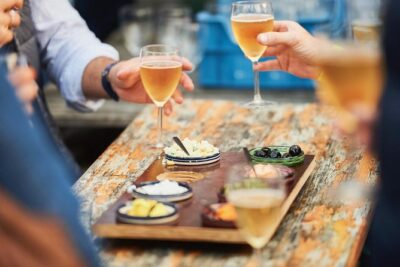
The tour includes a refreshing local beer, as well as coffee or tea and water. The drink pairing helps the route feel like a series of ordinary neighborhood stops rather than a formal tasting menu.
If you do not drink alcohol, you still have nonalcoholic options. If you have allergies or dietary restrictions, contact the company before the tour. The operator says it will try to accommodate requests, but the menu and venues can affect what is possible.
Apple cake and the secret dish finish the route
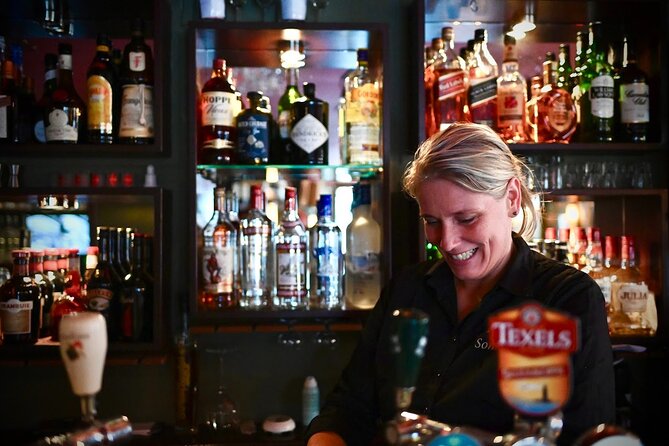
Dutch apple cake provides the sweet finish before the final secret dish. It is spiced, comforting, and familiar enough to reset your palate after herring, sausage, and fried fish.
The secret dish is deliberately not named in advance. That gives the final stop a bit of fun, but it also means you cannot judge the full menu before booking. Past tastings have included a final stop at Papeneiland Café, though the route is subject to change.
I would treat the secret dish as a pleasant extra rather than the main reason to book. The reliable value comes from the overall range: pancakes, cheese, meats, fish, snack foods, dessert, drinks, and a neighborhood walk.
Guides shape the experience
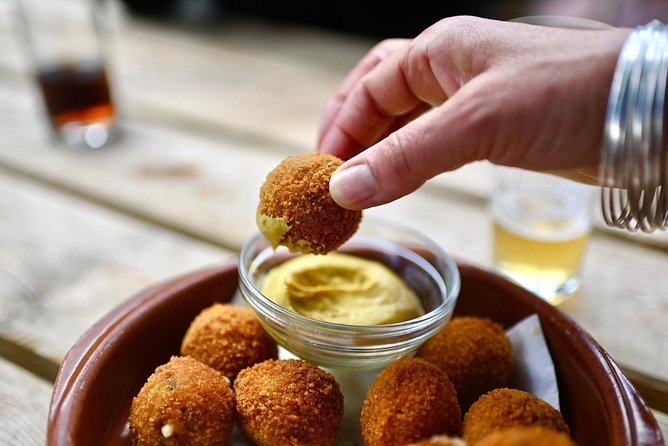
The food is important, but the guide can determine how well the pieces fit together. Guides named in feedback include Holly, Jolanda, Lorina, Helen, Jules, Judith, Lori, and Dianna.
The strongest pattern is a friendly, flexible style. Holly has been praised for slowing down for someone walking at a slower pace and for keeping a small group engaged. Lorina has been described as energetic and good at keeping conversation moving among an international group. Helen has been praised for adjusting a private tour to suit the couple’s tastes.
That does not mean every guide will use the same route or tell the same stories. It does mean you can expect the guide to do more than point out the next café. The better part of the experience is the connection between food, place, local habits, and Amsterdam’s past.
The group size helps. With a maximum of 12 people, you should have a better chance to hear the guide and ask questions than on a large coach-style excursion. On quieter dates, the group may be very small, and the regular tour can sometimes feel almost private.
A private version is also available if you want the guide exclusively for your group. That costs more, but it may suit families or couples who want a slower pace, more personal questions, or help around dietary preferences.
What the walking is really like
This is a walking tour with food stops, not a seated tasting event. You will move through Jordaan streets and crowded city areas, with regular pauses for food, conversation, and nearby sights.
Most people should be able to take part, but comfortable shoes are a sensible choice. One useful feature is the rhythm of the route: food stops alternate with walking and local points of interest, so you are not standing or walking continuously for three hours.
The route passes public monuments and famous landmarks, but you should not expect a structured architecture tour. The sights work as context for the neighborhood and give your group something to see while moving between tastings.
Weather can affect the experience. It requires good weather, and poor conditions may lead to a new date or a full refund. Keep that in mind if your Amsterdam schedule is tight.
Is $118.56 a fair price?
At $118.56 per person, this is not a cheap snack walk. It becomes better value if you count the number of tastings, the drinks, the guide, and the sightseeing built into the three-hour route.
You are paying for more than the raw cost of the food. The guide takes you to several businesses, explains the dishes, manages the group, and adds neighborhood and cultural context. The small maximum group size also gives the experience more personal space than a large organized tour.
Still, you should book it for the combination, not simply because it includes 10 or more bites. If you already have a strong plan for eating in Jordaan, you could spend less by buying individual snacks. The tour makes sense when you want a quick introduction to Dutch food and help finding places you might not notice on your own.
It can also be good early in your Amsterdam stay. You’ll learn which foods you like, pick up ideas for later meals, and get oriented to Jordaan’s streets. Since it is about three hours, it leaves most of the day open.
Who should book this Jordaan food walk?
I would recommend it to first-time visitors who want an easy introduction to Dutch food without spending an entire day in a cooking class or museum. It also suits people who prefer local shops and cafés to formal restaurant dining.
Food-loving couples, small families, and solo visitors who enjoy meeting a group should find the format appealing. The private option is better for people who value control over timing and conversation.
You should think twice if you do not eat fish, meat, or dairy. Some adjustments may be possible, but the listed food includes herring, cod, ham, sausage, bitterballen, cheese, and stamppot. Contact the operator before booking rather than assuming substitutions will be available.
The tour is also less suitable if you want a long, detailed visit inside the Anne Frank House or a formal history tour. You’ll see important sites along the route, but food remains the main subject.
Booking details worth knowing
The tour starts at the Anne Frank Monument on Westermarkt and ends back at the same meeting point. There is no hotel pickup or drop-off, so you need to reach Westermarkt yourself.
It is offered in English, with a mobile ticket. Confirmation is sent within 48 hours, subject to availability. Because the tour often fills well ahead of time, booking early is sensible if you need a particular date.
Free cancellation is available up to 24 hours before the start time for a full refund. Cancellations or changes made within 24 hours are not refunded or accepted. If poor weather or an insufficient number of bookings cancels the tour, you can choose another date or experience, or receive a full refund.
Should you book it?
Book this tour if you want a broad taste of Amsterdam in one compact outing, with enough walking to see Jordaan and enough food to make the route feel substantial. The best reasons are the small group, the range from poffertjes to herring, and guides who bring local history and food customs into the conversation.
Skip it if your diet rules out most of the menu, or if you prefer to choose every restaurant and dish yourself. For everyone else, $118.56 is a reasonable price for a guided introduction to one of Amsterdam’s most appealing neighborhoods, especially near the start of your visit.
FAQ
How long does the Amsterdam Jordaan food tour last?
The tour lasts approximately three hours.
Where does the tour start and finish?
It starts at the Anne Frank Monument at Westermarkt 74, 1016 DL Amsterdam. The activity ends back at the meeting point.
How many people can join the regular tour?
The tour has a maximum of 12 travelers.
Is a private version available?
Yes. You can upgrade to a private tour with a guide exclusively for your group.
What foods are included?
The listed tastings include poffertjes, Dutch cheeses, ham, sausages, kibbeling, fresh herring with onions, bitterballen, apple cake, and a secret dish. The tour also includes local beer, coffee or tea, and water.
Is hotel pickup included?
No. Hotel pickup and drop-off are not included.
Can the tour accommodate dietary requirements?
You should contact the operator in advance with any dietary requirements so it can try to accommodate them. The menu may change based on venue availability and other conditions.
What happens if the weather is poor?
The tour requires good weather. If it is canceled because of poor weather, you will be offered another date or a full refund.
Just added in Amsterdam
- Become a Dutch Art Piece Photo Shoot in Amsterdam – Single Portrait★ 5.0 · 65 reviews
- Become a Dutch Art Piece Photo Shoot in Amsterdam★ 5.0 · 100 reviews
- Full-Day Private Historic Royal Tour around Palaces and Castles★ 5.0 · 16 reviews
- Private transfers from or to Schiphol (AMS) airport Amsterdam★ 5.0 · 235 reviews
- Private Taxi Airport Transfer to or from Schiphol Airport (AMS)★ 4.5 · 66 reviews
- Castle De Haar Small-Group Tour from Amsterdam★ 5.0 · 101 reviews
- Amsterdam: ‘Boom Chicago’ English Comedy Show★ 4.5 · 213 reviews
- English Comedy Show Amsterdam: Boom Chicago★ 4.5 · 112 reviews
Food Tours, compared.
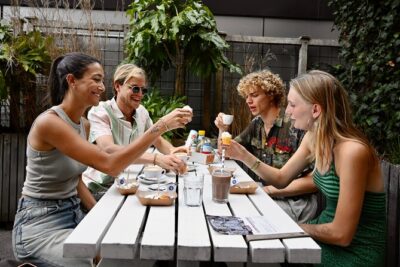
10 Tastes of Amsterdam: Food Tour by UNESCO Canals and Jordaan
Read our review →
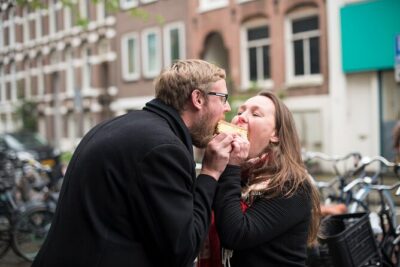
Amsterdam’s Market Street Food Tour with Streat Bites
Read our review →
Browse the lists this tour appears in