Reviewed · TOURS IN AMSTERDAM
Amsterdam: The ‘Hollandsche Manege’ Stables Entry Ticket
The most unusual thing about this Amsterdam visit is that you are not entering a polished museum built to imitate the past. You are walking into a working riding school founded in 1744, where horses, riders, hoofbeats, and old tack still share the same grand setting. I like the beautiful arches and columns, and I like the chance to see the stables and live lessons rather than only glass cases.
The main drawback is scope. This is a focused stop, not a full-day attraction, and one booking review called it without much interest. If horses do not appeal to you, the $18 price may feel high for a compact visit. People with animal allergies should also skip it.
Key points to know before you go
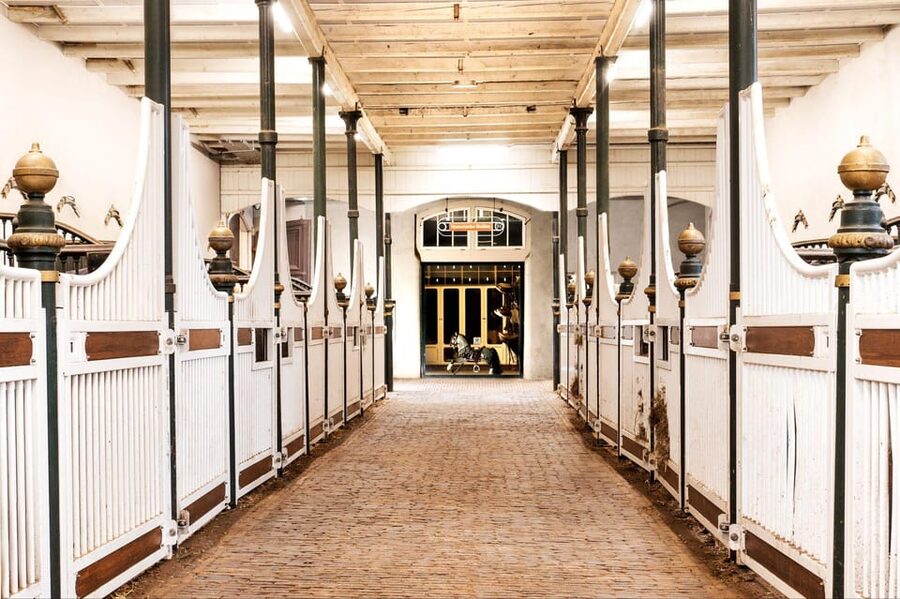
- A working 1744 riding school: The Hollandsche Manege combines an active equestrian venue with a historic interior.
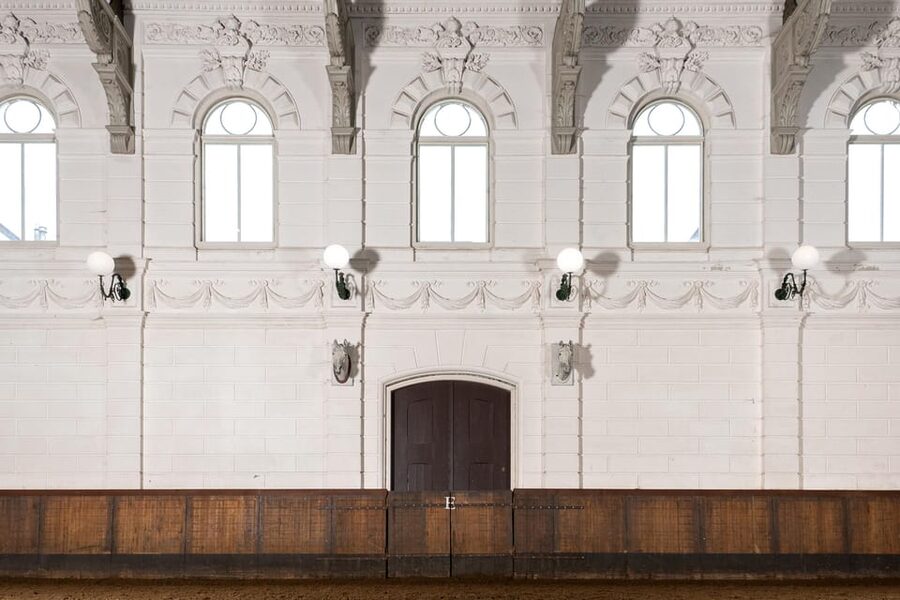
- Elegant Amsterdam architecture: Arches, columns, polished floors, and the sound of hoofbeats create the setting.
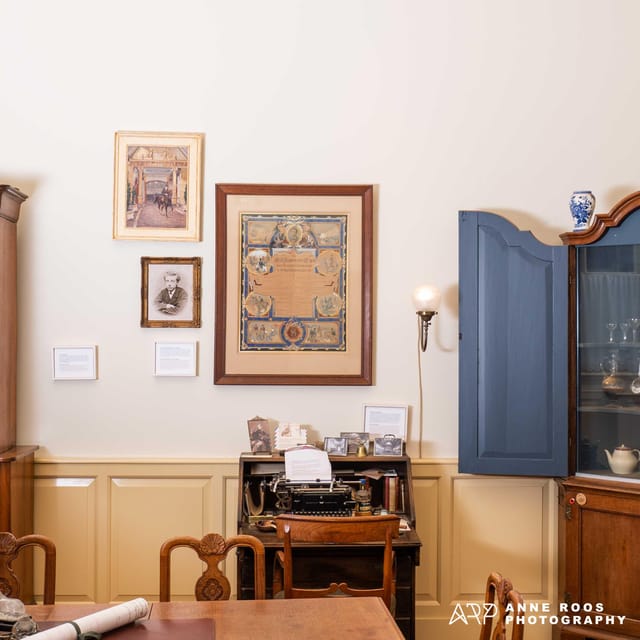
- A small museum with real riding objects: Antique saddles, riding equipment, and old photographs explain Dutch horsemanship.
- Horses are part of the visit: You can see the stable area and observe the daily routine of the animals.
- Live lessons add movement: The venue feels active rather than frozen in time.
- Good value for horse lovers: At $18, the ticket makes the most sense if you plan to spend time with the horses, displays, and lessons.
Entering Amsterdam’s oldest equestrian setting
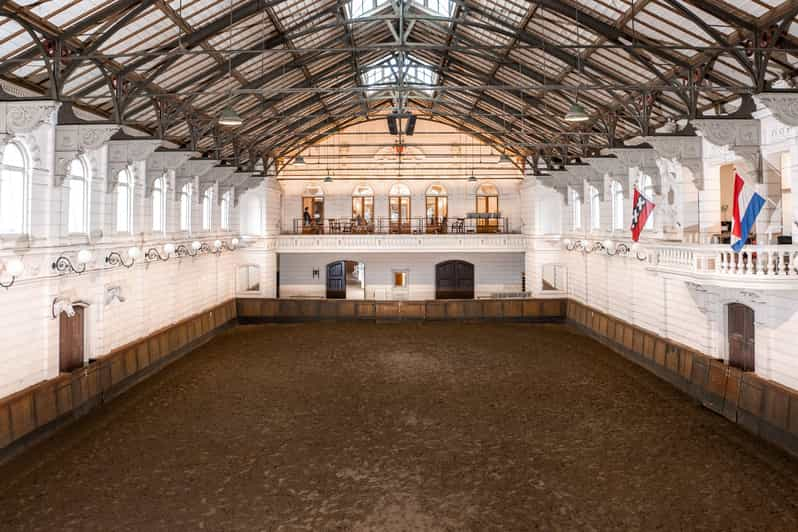
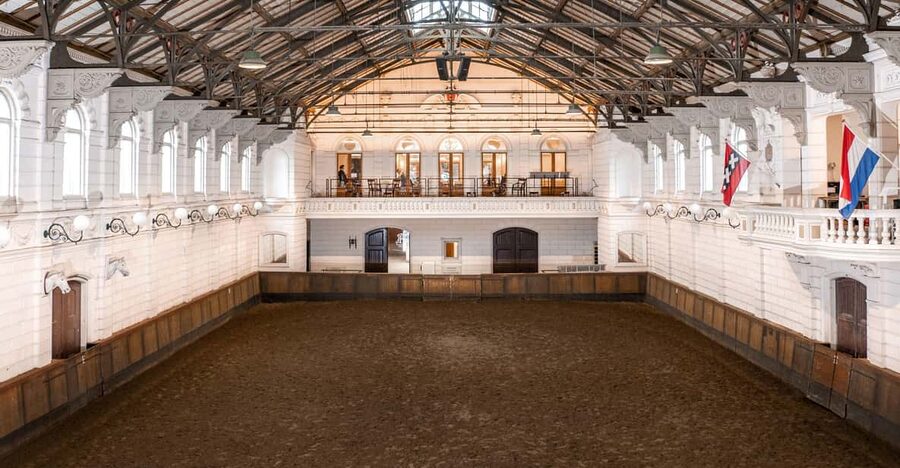
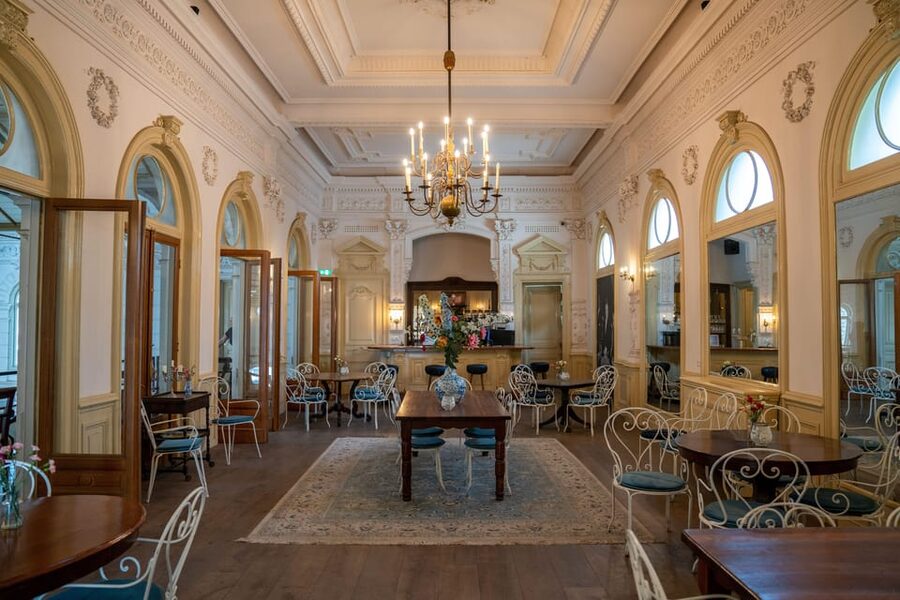
The Hollandsche Manege gives you a sharp change of pace from Amsterdam’s canals, museums, and crowded shopping streets. At the large doors listed for the meeting point, you enter a place shaped by riding rather than by urban Amsterdam. The first impression comes from the building itself: graceful arches, tall columns, and a formal interior that feels designed for ceremony.
The school was founded in 1744, which gives every part of the visit extra weight. The age matters because this is not simply a collection about horses. The riding school has continued as an equestrian place, so the historic setting still serves its original purpose.
I like this combination of age and daily use. A historic building can be beautiful but lifeless. Here, the floors, stable spaces, horses, and lessons give the setting a working rhythm. You might hear hoofbeats or see riders training while you look at the architecture.
The experience is valid for one day, with starting times based on availability. The supplied details do not promise a fixed tour length, but one booking review found it a brilliant use of an hour. That is a useful way to plan: allow about an hour as a starting point, then stay longer if a lesson or stable activity catches your attention.
A few more things to do in Amsterdam worth a look
- Amsterdam: Van Gogh Museum Ticket
★ 4.7 · 52,054 reviews - Amsterdam: Heineken Experience Ticket
★ 4.6 · 30,055 reviews - Amsterdam: Rijksmuseum Entry Ticket
★ 4.7 · 25,535 reviews
The architecture is part of the attraction
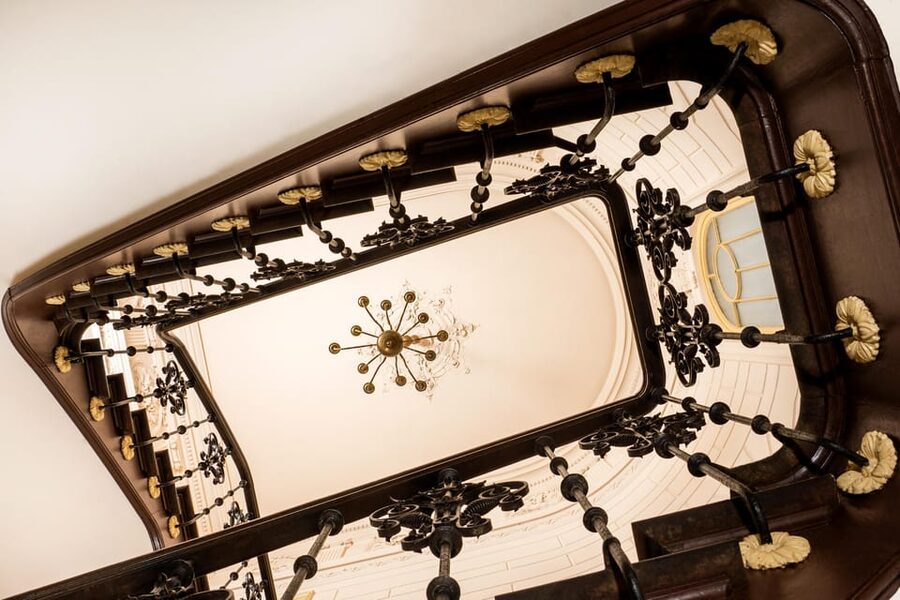
You do not need to be an expert rider to appreciate the building. The Hollandsche Manege has the kind of formal design that makes an ordinary activity, horses being trained indoors, feel ceremonial. Arched openings and columns frame the riding spaces, while polished floors reflect the movement around them.
I would make a point of looking up and around before rushing toward the museum displays. The architecture explains why the venue feels special. It was built around the needs of riding, but it also presents those needs with a sense of order and elegance.
The atmosphere is quieter and more deliberate than most central Amsterdam sights. That does not mean silent. Horses and riders create their own soundtrack, and the sound of hooves gives the place its character.
The building will appeal most to you if you enjoy historic interiors, traditional crafts, or places that still have their original function. If you are looking for a large attraction with many rooms, major art collections, or a long guided program, this visit may feel limited.
Antique saddles and photographs tell the human story
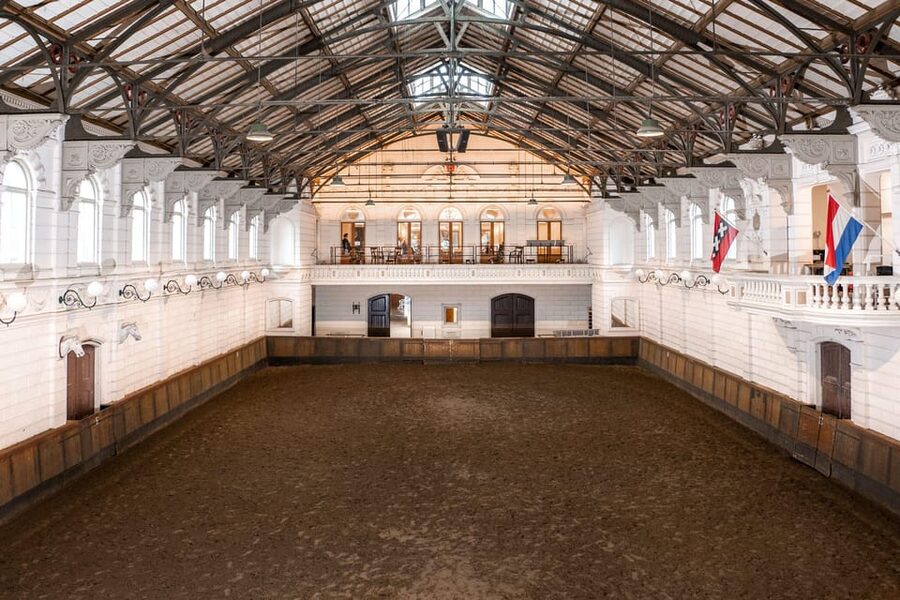
The museum section gives your visit a useful second layer. Antique saddles, old riding gear, and photographs show how equipment and riding practices changed over time. These objects help turn the building from a pretty backdrop into a place with a clear connection to Dutch horsemanship.
A saddle is practical equipment, but an old saddle also says something about the rider who used it, the horse that carried it, and the standards of an earlier period. The photographs add faces and working scenes to that story. Together, the displays connect the formal interior with the people and animals who used it.
I find this type of collection most rewarding when you take your time with a few objects rather than trying to race through everything. Look at how the saddles are shaped, notice the wear on older gear, and compare the historic photographs with the active stable around you.
The material also gives you a glimpse of Dutch horse breeds and the place horses have held in Dutch culture. The experience does not present horses only as sporting animals or decorative companions. It shows them as partners in work, training, identity, and daily life.
Do not expect a large national museum. The strength here is the connection between the exhibits and the living riding school. You can look at old equipment, then hear or see horses in the same setting. That link makes the collection more meaningful than a display of isolated objects.
The stable visit brings the history to life
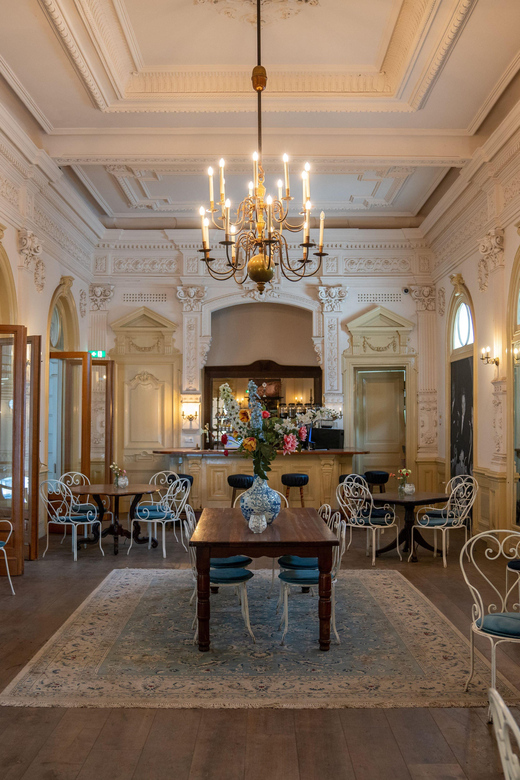
The stable area is likely to be the most personal part of the experience. You can see the horses in their everyday surroundings and get a better sense of the care and routine involved in running a riding school.
One of the most appealing details is the chance to interact with the horses. A booking review specifically praised being able to see and pet them. Another highlighted feeding the horses. Treat these moments as opportunities rather than guaranteed scheduled activities, since the exact stable routine can depend on what is happening during your visit.
That uncertainty is part of the difference between a working stable and a staged animal attraction. The horses are not presented as performers waiting for a photo opportunity. Their care, rest, training, and feeding come first.
Use a calm approach around the animals. Follow any instructions from the staff, and do not assume every horse wants to be touched. If you have an animal allergy, this is not the right activity for you. The information specifically lists animal allergies as a reason to avoid the visit.
For families, the stable area may be more engaging than the museum. Children can see that horses need regular care and training, not just riding. Adults who enjoy historic buildings may appreciate the stable as evidence that the venue is still a practical equestrian workplace.
Same city, a different sort of day:
- Amsterdam Classic Saloon Boat Cruise with Drinks and Cheese
★ 5.0 · 31,825 reviews - Amsterdam Luxury Canal Cruise + Unlimited Drinks & Bites option
★ 5.0 · 30,518 reviews - Amsterdam: Classic Boat Cruise with Optional Cheese & Wine
★ 4.6 · 22,925 reviews - Amsterdam: Evening Cruise with Optional Wine and Snacks
★ 4.4 · 19,696 reviews
Live lessons keep the venue active
The ticket includes access to live lessons, which changes the mood of the visit. Instead of viewing riding only through old photographs, you can watch riders and horses use the space for training.
A lesson also helps you understand the proportions of the building. The arches, columns, and polished floors are not just decorative features. They form the setting for riding practice, observation, and instruction.
You may find that a lesson becomes the most memorable part of the hour. Watch how the rider communicates with the horse, how the horse responds, and how the large indoor space frames the movement. Even if you know little about riding, the relationship between rider and animal is easy to appreciate.
There is no named guide supplied for this activity. Hosts or greeters speak Dutch and English, so you can expect help in either language. The visit appears to be organized as a private group experience, though the details do not describe a formal, extended guided tour.
That makes the stop fairly flexible. You can focus on the architecture, spend time near the horses, read the displays, or watch a lesson. It also means you should not expect a tightly scripted sequence with a guide explaining every object.
What the $18 ticket is really buying
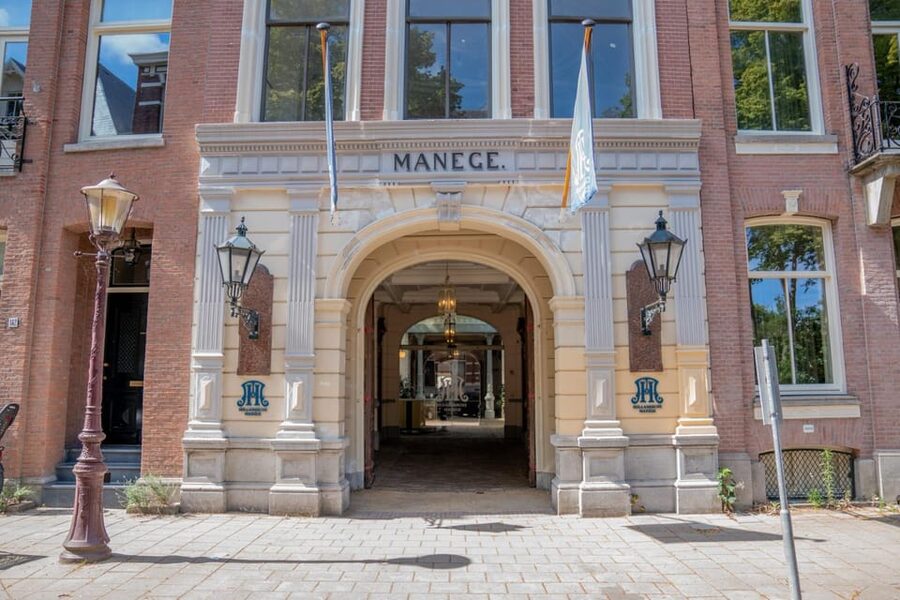
At $18 per person, this is not the cheapest quick stop in Amsterdam. The value depends on how much you care about the subject and how you use your time inside.
The ticket includes the Hollandsche Manege entry, access to the entire venue, a visit to the stables, and live lessons. It does not include a drink in the foyer. That omission is minor, but it is worth knowing if you are expecting a café visit to be part of the ticket.
I consider the price fair for a horse lover who wants several elements in one place: an old riding school, working stables, historic objects, and active lessons. You are paying for the setting as much as for the museum. The building itself is the main artifact, while the horses and riders supply the living part of the experience.
The value is weaker if you only want a quick photograph of a historic interior. It is also weaker if you are not interested in horses. The mixed feedback reflects that divide: one booking was very enthusiastic about seeing and touching the horses, while another found the activity uninteresting. Both reactions make sense.
If you have an open hour in Amsterdam and enjoy unusual cultural stops, $18 is a reasonable way to spend it. If your schedule is packed with major museums, you should choose this only if the equestrian theme genuinely interests you.
Who will enjoy this Amsterdam stop most
I would recommend the Hollandsche Manege to:
- Horse lovers who want to see animals in an active riding school.
- Families looking for an experience that is more hands-on than a standard museum.
- Architecture fans who enjoy historic interiors with an original purpose.
- Visitors interested in Dutch horsemanship and traditional riding equipment.
- Anyone who has already seen Amsterdam’s main museums and wants a quieter change of scene.
The experience is less suitable for people with animal allergies or for anyone hoping for a large, highly structured attraction. It may also disappoint you if you expect a long tour, a major theatrical show, or extensive entertainment.
The private group format may suit you if you prefer a more contained visit. The available information does not explain the exact group size or how much staff-led explanation you receive, so do not book it expecting a personal equestrian lesson unless that is specifically confirmed.
Practical details that shape the visit
Go to the large doors at the stated address. The booking information lists Dutch and English for the host or greeter, so language should not be a major problem for basic orientation and assistance.
The ticket is valid for one day, with entry times based on availability. Check the time before booking, especially if you want to see a live lesson. A lesson or stable routine may give the visit more energy than arriving when the venue is quiet.
The site is wheelchair accessible. Smoking indoors is not allowed, and alcohol and drugs are prohibited. Since horses are present, keep your behavior calm and follow staff directions inside the stable areas.
The booking can be canceled up to 24 hours ahead for a full refund, and you can reserve now and pay later. Those policies are useful if your Amsterdam plans are still shifting.
My verdict: book it for the horses, not just the building
Book the Hollandsche Manege if you want a compact Amsterdam experience built around horses, old riding traditions, and a beautiful working interior. The strongest reasons to go are the chance to see the stable area, watch live lessons, and connect antique saddles and photographs with horses still living in the venue.
I would plan on roughly an hour, while leaving room for a longer visit if you can watch a lesson or interact with the horses. The $18 price is sensible for an enthusiast and reasonable for anyone seeking an unusual cultural stop.
Skip it if animals are not your interest, if you have an allergy, or if you want a major museum with hours of exhibits. This is a specialized experience. Its appeal comes from the direct link between the 1744 setting and the horses using it today.
FAQ
How much does entry to the Hollandsche Manege cost?
The ticket costs $18 per person.
How long is the Hollandsche Manege ticket valid?
The ticket is valid for one day. Starting times depend on availability when you check.
What does the ticket include?
It includes entry to the Hollandsche Manege, access to the entire venue, a visit to the stables, and live lessons.
Is a drink included?
No. A drink in the foyer is not included.
What languages are available?
The host or greeter can assist in Dutch or English.
Is the Hollandsche Manege wheelchair accessible?
Yes, the activity is listed as wheelchair accessible. People with animal allergies should not take part.
Just added in Amsterdam
- Guided Day Trip – Volendam, Zaanse Schans, Marken & Edam★ 4.0 · 232 reviews
- Private Tour Zaanse Schans Windmills and Volendam in Jaguar★ 5.0 · 10 reviews
- Zaanse Schans and Giethoorn Unique Day Trip with Boat Cruise★ 4.5 · 17 reviews
- Half-Day Private Guided Sightseeing Tour of Zaanse Schans★ 5.0 · 14 reviews
- Zaanse Schans Private Tour Windmills★ 5.0 · 18 reviews
- Private bike tour: Hidden gems around Amsterdam and surroundings★ 5.0 · 4 reviews
- Bike tour in Amsterdam with an Italian guide★ 5.0 · 15 reviews
- Best of Netherlands: Zaanse Schans Mills, The Hague & Rotterdam★ 4.5 · 10 reviews
Tours in Amsterdam, compared.

Amsterdam Classic Saloon Boat Cruise with Drinks and Cheese
Read our review →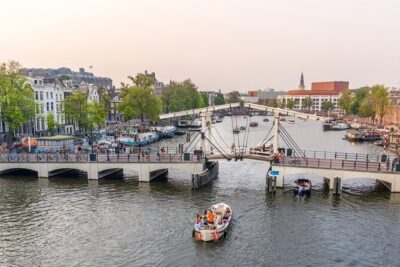
Amsterdam Luxury Canal Cruise + Unlimited Drinks & Bites option
Read our review →
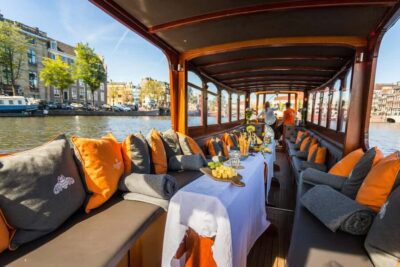
Classic Boat Cruise with Optional Cheese & Wine
Read our review →
Evening Cruise with Optional Wine and Snacks
Read our review →