Reviewed · TOURS IN AMSTERDAM
Amsterdam’s Hidden Facts: 750 Years of Secrets ⭐
Amsterdam’s strangest facts often sit right in front of you. On this two-hour walk, Antonis connects leaning houses, muddy foundations, old religions, liberal reforms, floods, trade, and World War II into one clear story about how Amsterdam became Amsterdam. You get more than dates. You get the reasons behind the city’s oddest features.
I like the small group limit of 12, which should make it easier to ask questions and keep the walk personal. I also like the handwritten postcard with a Dutch stamp, a simple souvenir that ties the experience to Amsterdam’s past. The main consideration is pace: 750 years in two hours means this is a lively overview, not a slow study of every building or historical period.
- Why Amsterdam’s houses lean: Learn how the city’s building conditions and old construction traditions helped create one of its most familiar sights.
- A 750-year story in two hours: Move from the first dam and dikes to trade, floods, war, and modern Amsterdam.
- Antonis leads in English or Greek: His style combines facts, warmth, humor, and personal affection for his adopted city.
- Small group, maximum 12 people: The format favors conversation instead of a large crowd following an umbrella.
- A postcard with a Dutch stamp: Receive a handwritten, archive-inspired keepsake at the end of the walk.
- Meeting point and return: Start in front of the Bull and finish back at the same meeting point.
Amsterdam’s First Stories Begin at the Dam
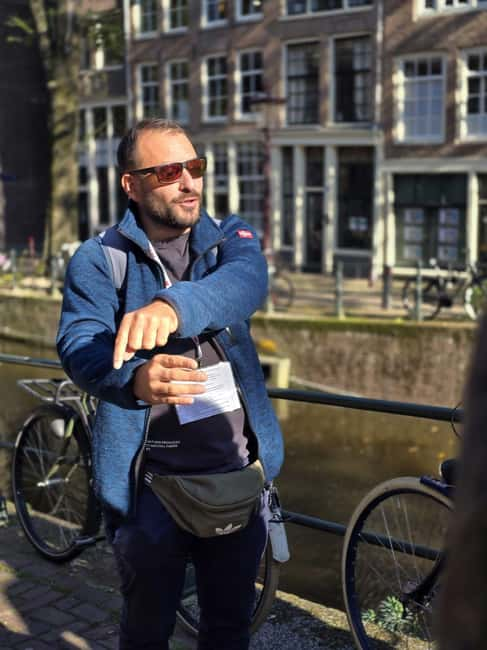
This tour is built around a simple idea: Amsterdam makes more sense when you understand the forces that shaped it. The city did not simply grow beside water. It was formed by people working with mud, rivers, dikes, dams, canals, trade, and repeated threats from floods.
Antonis takes you back to the earliest settlers and the first dam. You will hear how basic water control helped create a place where people could live, work, and trade. The point is not just to memorize a date or name. It is to see Amsterdam as a human project, built through cooperation and practical problem-solving.
That theme gives the walk a useful structure. Instead of looking at old buildings as isolated sights, you can connect them to the city’s survival. Streets, canals, foundations, and houses become part of a larger story about trust and resilience.
The first part should suit you if you want an introduction before exploring more of Amsterdam on your own. It gives you a working framework for the city. You may not leave knowing every detail, but you should better understand why water management is central to Amsterdam’s identity.
Why the Houses Lean and the City Sits on Mud
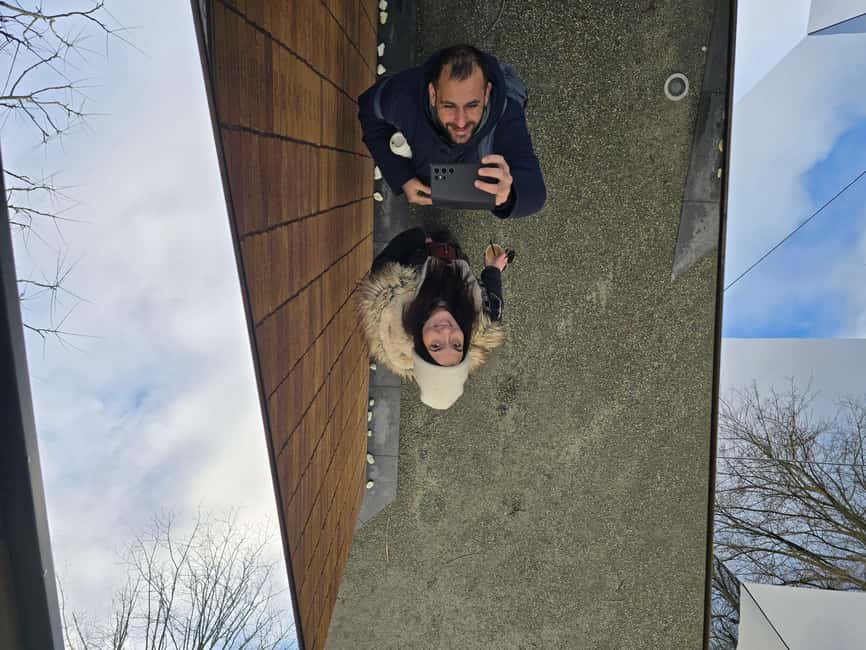
One of the tour’s memorable questions is why Amsterdam’s houses lean. You will also examine why the city is built on mud, two details that many people notice without fully understanding.
These topics are valuable because they turn familiar sights into evidence. A leaning house is no longer just a charming photo background. It becomes a clue about construction, ground conditions, and the long effort required to maintain a city built in difficult surroundings.
Antonis focuses on facts you can continue noticing after the tour. That is one of the strongest features of this experience. The information is practical in the best sense: it changes how you look at Amsterdam as you walk through it later.
Do not expect a technical engineering class. The tour is designed as storytelling, with unusual facts and surprises delivered in a warm, humorous style. If you enjoy asking Wait, how did that happen?, you are likely to find this part especially rewarding.
Other trips people book in Amsterdam:
- Amsterdam: Van Gogh Museum Ticket
★ 4.7 · 52,054 reviews - Amsterdam Classic Saloon Boat Cruise with Drinks and Cheese
★ 5.0 · 31,825 reviews - Amsterdam Luxury Canal Cruise + Unlimited Drinks & Bites option
★ 5.0 · 30,518 reviews
Dikes, Floods, and the Systems That Saved Amsterdam
Amsterdam’s relationship with water is not presented as a tidy success story. The walk covers devastating floods and the systems that helped protect the city. You will hear how dikes and other forms of water control shaped daily life and allowed the settlement to expand.
This section adds weight to the lighter stories about leaning houses and unusual symbols. The city’s survival depended on systems that required work, planning, and a shared sense of responsibility. Amsterdam’s identity as an open, confident city rests partly on this less glamorous foundation.
I appreciate that the tour links physical geography with social values. You are not only learning that Amsterdam had floods. You are considering how people responded to danger and how cooperation became necessary in a place where water could not be ignored.
The subject can also make the walk feel more serious. If you want only amusing anecdotes, some of the flood stories may slow the mood. That balance is useful, though. The city’s past includes hardship as well as cleverness, and the tour gives both a place.
Trade and the Amsterdam Golden Age
The story then moves into trade and the Golden Age, when Amsterdam became a major commercial center. The tour uses this period to explain expansion and the growth of the city.
You can expect a broad account rather than a specialist lecture on art, shipping, or finance. The emphasis is on how trade changed Amsterdam and helped shape its buildings, institutions, and public life. Antonis keeps the focus on memorable connections, so the period should remain accessible even if you are not an expert in Dutch history.
This is where the two-hour limit becomes important. A long period of history receives only part of the walk, along with the city’s earliest years, flood control, religion, liberal revolutions, World War II, and the present day. You will gain a strong outline, but you should not book this expecting detailed treatment of every economic or political event.
For many people, that is exactly the right level. You can use the tour to decide what deserves a closer look later. If the Golden Age is your main interest, you may want to pair this walk with a museum visit or a more focused historical tour.
From Old Religions to Liberal Revolutions
Amsterdam’s story also includes changes in religion and political thought. The walk moves from old religions to liberal revolutions, showing how ideas helped shape the city alongside water control and commerce.
This gives the tour a wider reach than a simple sightseeing walk. Amsterdam is not explained only through buildings and canals. You also consider the beliefs, conflicts, and reforms that affected how people lived together.
Antonis’s role matters here. The experience is described as combining deep knowledge with warmth, humor, and a touch of obsession. That suggests a guide who enjoys the details and wants you to see connections rather than simply receive a list of dates.
The Greek-language option may be useful for people who prefer to follow historical ideas in Greek. English is also available. The tour’s small size, with a maximum of 12 people, should help keep these subjects conversational, although the exact balance between explanation and questions can vary with the group.
Same city, a different sort of day:
- Amsterdam: Heineken Experience Ticket
★ 4.6 · 30,055 reviews - Amsterdam: Rijksmuseum Entry Ticket
★ 4.7 · 25,535 reviews - Amsterdam: Classic Boat Cruise with Optional Cheese & Wine
★ 4.6 · 22,925 reviews - Amsterdam: Evening Cruise with Optional Wine and Snacks
★ 4.4 · 19,696 reviews
What the XXX Really Means
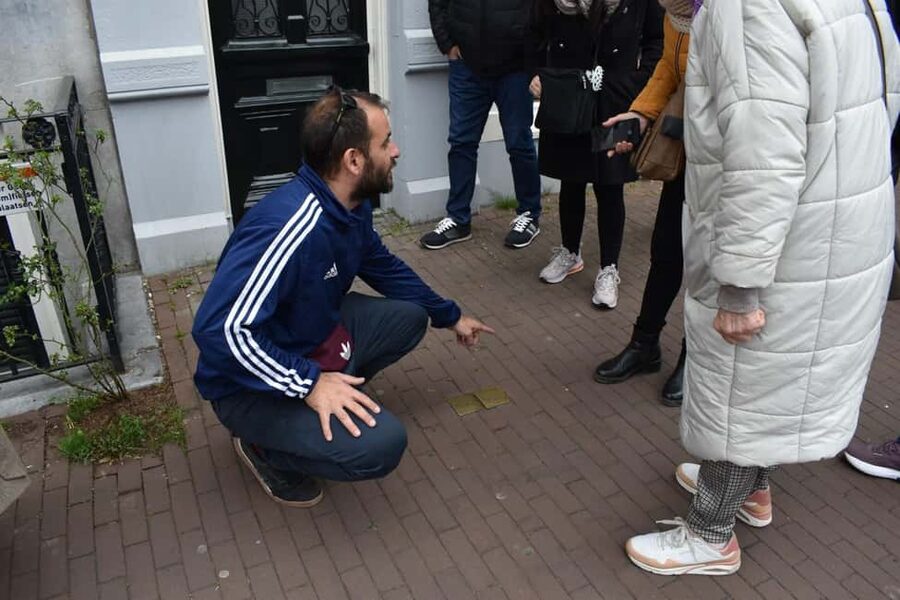
Amsterdam’s XXX symbol is another question the tour addresses. You will learn what is behind the city’s repeated use of those three crosses, one of the visual details that can seem mysterious when you first arrive.
This kind of fact is well suited to a walking tour. You hear the explanation, then continue seeing the symbol around the city. The result is more lasting than a fact that appears only once in a museum display.
The same applies to the tour’s other unusual details. Antonis aims to give you facts that stay in your head, not just information that disappears when the walk ends. You may find yourself pointing out the symbol or explaining the leaning houses to friends later in your trip.
The tour does not rely on video recording. Bring a camera for your own photographs, but plan to listen rather than film the presentation. That is a small point, but it matters if you normally document every walking tour on your phone.
World War II and Amsterdam’s Harder Memories
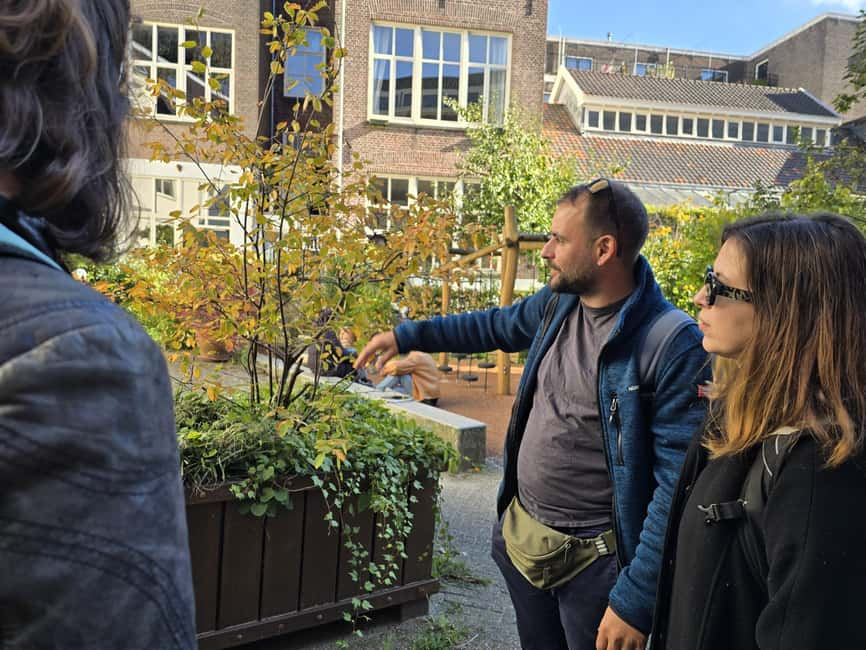
World War II is part of the route’s historical arc. The subject brings the walk into the modern period and reminds you that Amsterdam’s story is not limited to trade, architecture, and liberal ideas.
The information provided does not promise a specialist World War II itinerary, so you should think of this as one important chapter within a wider narrative. Antonis places the war alongside the city’s earlier development and later identity, giving you context without making the entire walk about the conflict.
That broad approach suits a first visit. You receive a timeline that reaches from the first settlers to the present day, with enough signposts to help you decide which subjects deserve more time.
If World War II is your main reason for visiting Amsterdam’s historic center, choose a focused tour instead. If you want the war included in a wider account of the city, this walk provides that connection.
Antonis’s Storytelling Style and Group Size
Antonis is central to the experience. He speaks English and Greek, and the tour description presents him as a guide who mixes facts with warmth, humor, and personal affection for Amsterdam. One useful detail from the available feedback is that he kept the tour running even when one person was alone, rather than canceling.
That matters if you are traveling solo. A small booking does not automatically mean the experience disappears. You may still receive the full two-hour walk, although the exact group size depends on bookings.
The maximum of 12 people is another strong point. There are no umbrellas or large crowds built into the format. A smaller group can make it easier to hear, ask a quick question, or stay connected to the guide while moving through the city.
The tradeoff is that this is a walking experience, not a seated presentation. Wear comfortable shoes, bring water, and dress for the weather. Amsterdam’s conditions can change, and there is no hotel pickup or drop-off.
The Postcard Makes a Simple Souvenir
At the end, you receive a handwritten postcard with a Dutch stamp. It is archive-inspired and connected to the story of Amsterdam, rather than being a generic piece of merchandise.
You can send it or keep it. I like this detail because it extends the experience beyond the final explanation. The postcard gives you a physical reminder of the city’s past and a practical way to share the tour with someone at home.
It is also a modest extra, not a reason on its own to book. The main value comes from the guide and the historical connections. Still, small details like this can make a walking tour feel personal, especially when the souvenir has a clear link to the subject.
Is $28 a Fair Price?
At $28 per person, the tour sits at a reasonable price for a two-hour guided walk, especially with a professional guide and a maximum group size of 12. You are paying for interpretation and conversation, not transportation, meals, or admission to a major attraction.
The value is strongest if you want context early in your Amsterdam stay. Two hours with Antonis can help you understand the city before you explore it independently. The facts about water, houses, the XXX symbol, trade, religion, war, and liberal ideas can make later sightseeing more meaningful.
The value is weaker if you prefer a self-guided walk or want detailed coverage of one subject. This is a wide story told at a quick pace. It gives you many useful facts, but it cannot give every period equal time.
You can reserve now and pay later, and cancellation is free up to 24 hours in advance for a full refund. Those terms help if your schedule is still changing. Check the available starting times before booking, since the tour lasts two hours and returns to the meeting point.
Who Will Enjoy This Walk Most?
I would choose this tour for curious people who like facts with a human voice. It suits solo visitors, couples, and friends who prefer a small walking group to a large sightseeing procession.
It is particularly useful at the start of a visit. You will leave with a better sense of how Amsterdam was formed, what questions to ask, and which details deserve a second look.
The tour may not suit you if you have limited mobility, dislike walking, or want an in-depth visit focused only on art, World War II, architecture, or the Golden Age. The provided details do not specify accessibility arrangements, so contact the operator if that affects your decision.
Should You Book Amsterdam’s Hidden Facts?
Book it if you want a lively two-hour introduction to Amsterdam’s past and enjoy unusual facts more than a formal lecture. Antonis’s personal style, the 12-person limit, and the handwritten postcard give the walk a friendly character.
Skip it if you want a tightly focused historical study or a tour built around museum entry. For most first-time visitors who want to understand why Amsterdam looks and feels the way it does, $28 is a fair price for a compact, story-led introduction.
FAQ
How long does the Amsterdam’s Hidden Facts tour last?
The walking tour lasts two hours.
What is the price?
The price is $28 per person.
Where does the tour start?
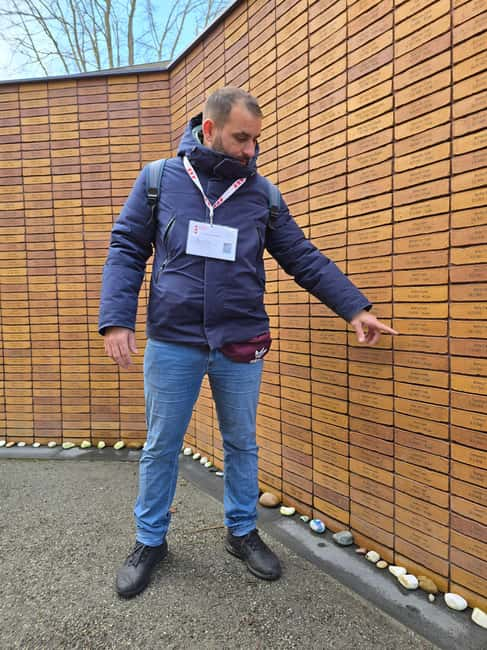
The tour starts in front of the Bull.
Where does the tour end?
The activity ends back at the meeting point.
Which languages are available?
The live tour guide is available in English and Greek.
Who leads the tour?
The guide is Antonis.
How large is the group?
The group is limited to a maximum of 12 people.
What is included?
The tour includes a professional guide, a two-hour storytelling walk, and a handwritten Amsterdam postcard with a Dutch stamp.
Is hotel pickup included?
No. Hotel pickup and drop-off are not included.
Can I cancel for a refund?
Yes. You can cancel up to 24 hours in advance for a full refund.
What should I bring?
Bring comfortable shoes, water, a camera, and clothing suited to the weather.
Can I record the tour?
Video recording is not allowed.
Just added in Amsterdam
- Guided Day Trip – Volendam, Zaanse Schans, Marken & Edam★ 4.0 · 232 reviews
- Private Tour Zaanse Schans Windmills and Volendam in Jaguar★ 5.0 · 10 reviews
- Zaanse Schans and Giethoorn Unique Day Trip with Boat Cruise★ 4.5 · 17 reviews
- Half-Day Private Guided Sightseeing Tour of Zaanse Schans★ 5.0 · 14 reviews
- Bike tour in Amsterdam with an Italian guide★ 5.0 · 15 reviews
- Zaanse Schans Private Tour Windmills★ 5.0 · 18 reviews
- Private bike tour: Hidden gems around Amsterdam and surroundings★ 5.0 · 4 reviews
- Amsterdam Sightseeing Tour + Hidden Gems + Tastings + PDF guide★ 5.0 · 35 reviews
Tours in Amsterdam, compared.

Amsterdam Classic Saloon Boat Cruise with Drinks and Cheese
Read our review →
Amsterdam Luxury Canal Cruise + Unlimited Drinks & Bites option
Read our review →


Classic Boat Cruise with Optional Cheese & Wine
Read our review →
Evening Cruise with Optional Wine and Snacks
Read our review →