
Reviewed · DUTCH WORKSHOPS & CLASSES
Cheese making workshop next to De Hallen, heart of Amsterdam
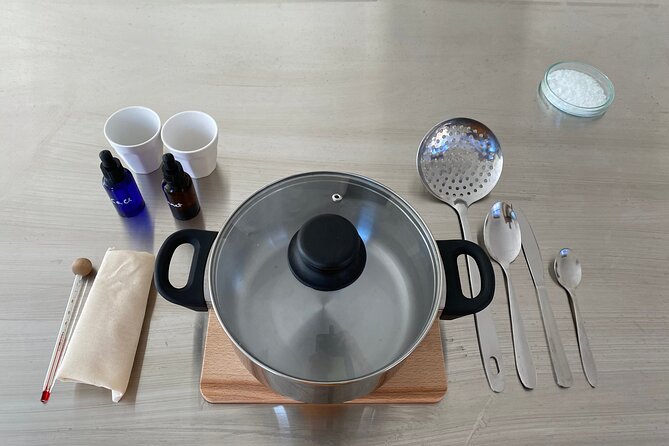
The best part of this Amsterdam experience is that you do not just taste cheese, you learn the basic craft behind it. At De Kaasserie, you make two fresh cheeses, one set with rennet and one with acid, then season one with herbs and colors before sitting down to taste cheese with a drink.
I like the small group of up to eight, which gives the class a personal, hands-on feel. I also like that you leave with two cheeses, basic tools, and recipes by email, so the lesson can continue in your own kitchen. The main drawback is the price: at $144.49 per person, this is a serious food activity rather than a casual market stop.
Key points before you book
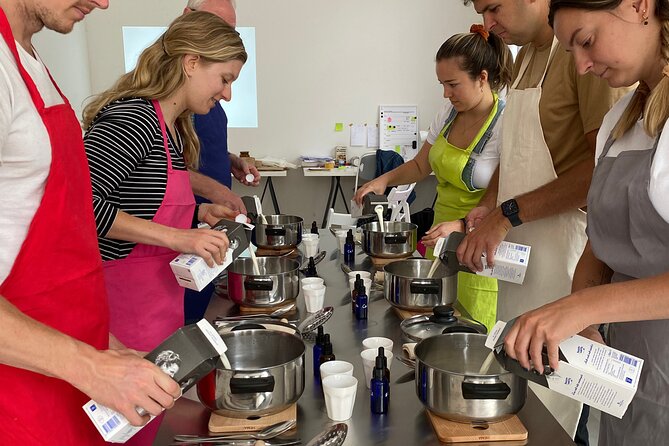
- Make two different fresh cheeses: Learn both rennet-based and acid-based methods in one three-hour session.
- Work in a group of up to eight: The intimate format suits beginners who want guidance while they make the cheese themselves.
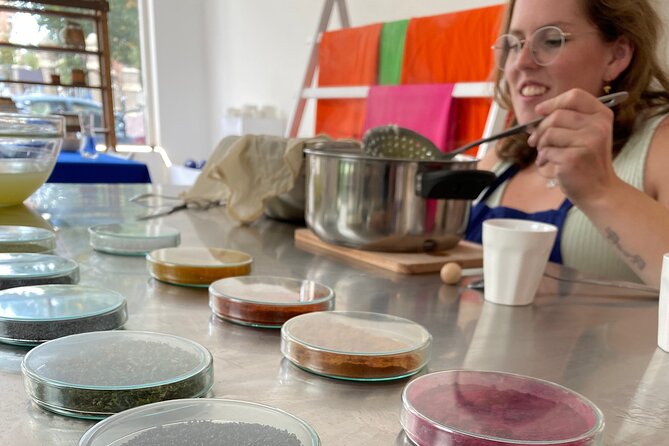
- Add herbs and colors: The acid-coagulated cheese gives you room to experiment with flavor and appearance.
- Take the results home: Your two cheeses, basic tools, and emailed recipes are included.
- Meet near De Hallen and Ten Katemarkt: The location puts the workshop in one of Amsterdam’s useful food-and-culture areas.
- Plan for a hands-on food lesson: This is more involved than a tasting, and you should allow about three hours.
What happens at De Kaasserie
You begin at De Kaasserie, at Bellamystraat 8, near De Hallen in Amsterdam. The setting is a food design studio, which gives the class a practical workshop feel rather than the polished pace of a formal restaurant demonstration.
The class is offered in English and runs for about three hours. That is enough time to explain the basic process, make both cheeses, finish the flavored cheese, taste homemade samples, and pack up what you have made.
The group is capped at eight people. I consider that one of the strongest features of the experience. Cheese making involves small steps, timing, and texture, so a crowded room could turn the lesson into a demonstration you simply watch. Here, you should have a better chance to ask questions and handle the ingredients yourself.
The teaching style is calm and patient, with room for questions, conversation, and a few laughs. That matters for first-time cooks. You are not expected to arrive with specialist equipment or prior knowledge, and the ingredients and materials are supplied.
Other things you can make yourself in Amsterdam:
- Amsterdam: Traditional Dutch Syrup Waffle Making Workshop
★ 4.8 · 4,093 reviews - Amsterdam Traditional Dutch Syrup Waffle Making Workshop
★ 5.0 · 960 reviews - Amsterdam: Bols Cocktail Experience and Cocktail Workshop
★ 4.8 · 666 reviews
The first cheese uses rennet
The first cheese is coagulated with rennet. In plain terms, rennet helps milk set into curds, creating a different method and texture from the acid-based cheese you make later.
You will learn through the process rather than simply hearing a talk about it. The point is to understand how a liquid mixture changes as you work with it, and how a small number of basic ingredients can produce a fresh cheese.
This part should appeal to curious cooks who like to know why a recipe works. It also gives you a useful comparison for the second cheese. Making two varieties in one sitting helps you see that cheese is not one single technique, but a family of methods based on different forms of coagulation.
The workshop is beginner-friendly, but it is still a real activity. You will need to pay attention to instructions and take part in the preparation. If you prefer a relaxed tasting with no practical work, this may feel like more commitment than you want.
The second cheese invites creativity
The second cheese is coagulated with acid. Once it is finished, you are encouraged to experiment with herbs and colors.
This is where the class moves beyond a strict recipe. You can explore how seasoning changes a fresh cheese, and you get to think about appearance as well as flavor. The supplied information does not specify a fixed list of herbs or colors, so the exact creative choices may vary during the session.
I like this part because it makes the workshop personal. Two people can follow the same basic method and still produce cheeses with different character. It also gives you ideas for future batches at home, where fresh herbs, spices, and natural colors can help you develop your own version.
The creative stage is especially useful for anyone who cooks by instinct. You are not only copying a finished product. You are learning a base method that can be adjusted.
A homemade cheese tasting finishes the class
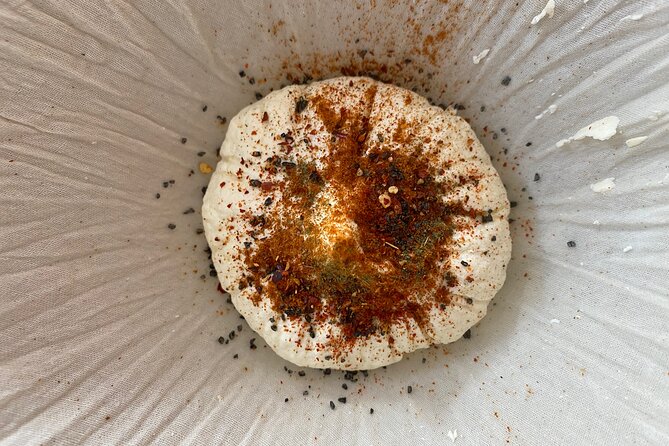
After the hands-on work, you sit down for a tasting of homemade cheeses made by the host. The cheeses are served with spices and herbs, along with a drink.
This closing tasting gives the class a social rhythm. You start by learning and making, then finish by slowing down and trying the results in a more relaxed setting. It is a good chance to compare flavors and see how herbs and spices affect a simple fresh cheese.
The tasting is not presented as a full meal, so you should not book this as a substitute for lunch or dinner. It is better viewed as the final food lesson of the workshop. If you need a substantial meal afterward, plan one separately around De Hallen or Ten Katemarkt.
The calm setting is another plus. The experience is designed to be engaging without feeling rushed, and the small group makes it easier to talk with the instructor and the other participants.
Other cheese and wine boards around Amsterdam:
- Amsterdam Classic Saloon Boat Cruise with Drinks and Cheese
★ 5.0 · 31,825 reviews - Amsterdam: Classic Boat Cruise with Optional Cheese & Wine
★ 4.6 · 22,925 reviews - Amsterdam: Guided Zaanse Schans, Windmills & Cheese Tour
★ 4.4 · 4,826 reviews - Zaanse Schans Windmills, Clogs and Dutch Cheese Small-Group Tour from Amsterdam
★ 4.5 · 2,369 reviews
What you take home after three hours
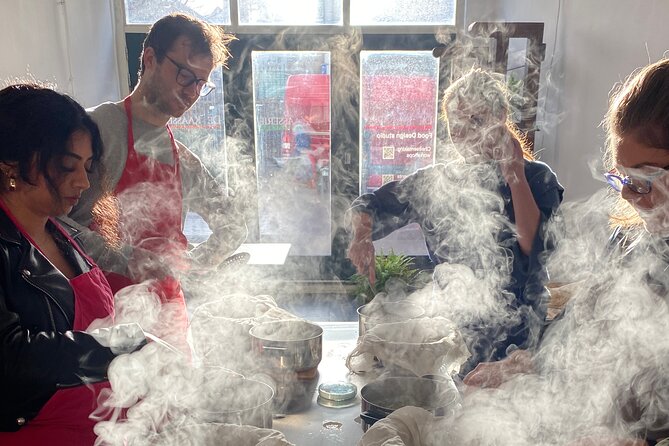
You leave with both cheeses you made during the class. You also receive the basic tools used for the work and recipes by email, giving you a way to repeat the process at home.
That take-home element makes the price easier to assess. You are not paying only for a tasting or a short demonstration. You are paying for instruction, ingredients, equipment use, food to eat, and physical results you can bring with you.
Still, $144.49 per person is not a bargain activity. The value depends on how much you want to learn and how likely you are to make cheese again. If you love cooking, enjoy small workshops, or want a food memory with a practical skill attached, the cost may feel fair. If you only want to sample Dutch cheese, you can find less expensive options elsewhere in Amsterdam.
The recipes are sent by email, which is convenient after you return home. The basic tools also remove one barrier for a beginner, since you can start experimenting without buying a full set of equipment immediately.
You should think about how you will carry the cheese during the rest of your day. The experience information confirms that you take both cheeses with you, but it does not provide storage or transport details. If you are continuing sightseeing afterward, ask the host how best to handle them.
De Hallen gives the class a useful setting
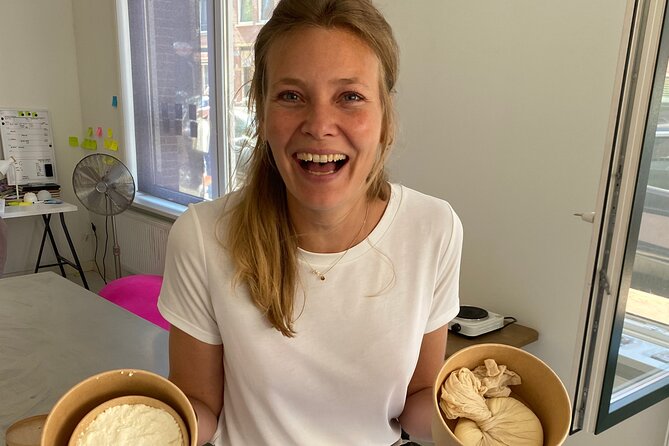
De Hallen is listed as the first stop and provides the broader setting for the experience. The meeting point itself is De Kaasserie at Bellamystraat 8, 1053 BL Amsterdam.
The area is practical for combining the workshop with other food-focused plans. Ten Katemarkt is also included in the itinerary, so this is not an isolated activity with no connection to the surrounding neighborhood.
You should not expect a guided city tour built around major landmarks. The focus remains cheese making. De Hallen and Ten Katemarkt matter mainly because they place the class in a part of Amsterdam associated with food, local life, and easy onward plans.
Near-public-transport access is listed, which helps if you are coming from another part of the city. The meeting and ending point are the same, so you do not need to arrange a separate return location.
Who will enjoy this Amsterdam food class
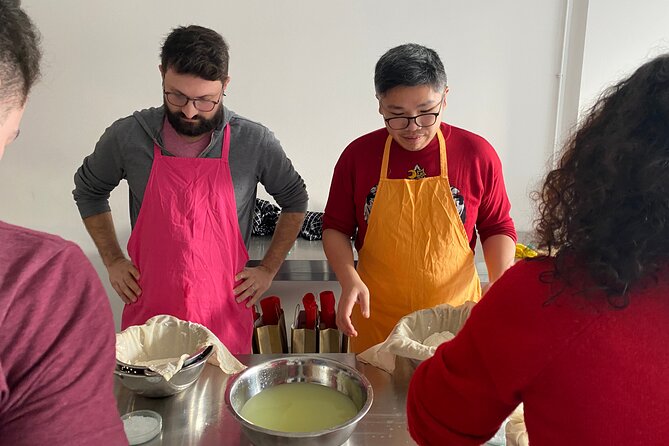
This class is a good match for:
- First-time cheese makers: The activity is designed for beginners, with ingredients and materials included.
- Home cooks: You receive recipes and basic tools, so the workshop gives you a starting point for making cheese later.
- Food-focused couples and friends: The small group and shared tasting add a social side without making the activity feel like a large group event.
- Visitors who want a local-style activity: You spend time making food rather than only looking at it or buying it.
- Curious families with older children: Service animals are allowed, but the supplied details do not set a child age range, so check before booking for younger participants.
- People who like creative cooking: The herb and color stage gives you space to make the second cheese your own.
It may be less suitable if you want a quick, inexpensive tasting, have little interest in cooking, or need a fully passive activity. Three hours is a meaningful part of your day, and the work is central to the experience.
How the price compares with the experience
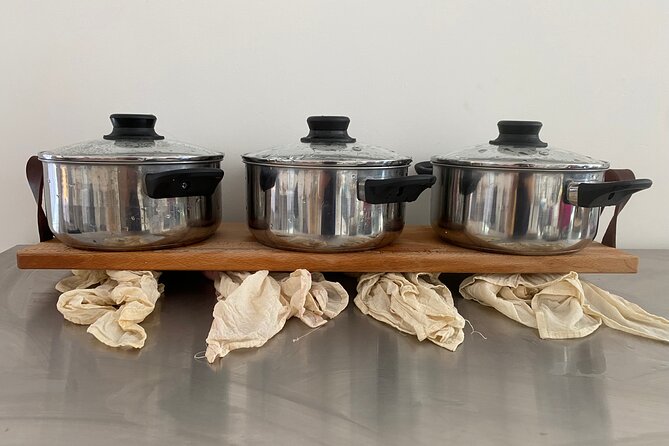
At $144.49, this sits in the premium range for a food activity. The strongest value comes from the combination of teaching and take-home material.
You get two cheese-making methods, ingredients, materials, a tasting, a drink, two cheeses to take with you, basic tools, and recipes. The group size also matters. A class limited to eight can offer more direct attention than a large demonstration, especially when you are working with unfamiliar steps.
I would book it for the learning, not just the food. The cheese itself is only part of what you pay for. The real benefit is leaving with enough understanding to try again.
The value is also stronger for people who cook at home. If you use the emailed recipes and tools after your trip, the experience keeps giving you something beyond the afternoon in Amsterdam. If you are staying in a hotel with no kitchen or have no interest in repeating the craft, some of that value may be lost.
Practical details to know
The activity is offered in English, and confirmation is provided when you book. The maximum group size is eight people, and mobile tickets are supported.
The meeting point is De Kaasserie, Bellamystraat 8, 1053 BL Amsterdam. The activity ends back at the meeting point, which keeps the transport plan simple.
Service animals are allowed, and the location is near public transportation. The information does not give a specific walking route from a station, a detailed accessibility statement, or an age policy, so ask the provider if any of those points affect your plans.
Free cancellation is available if you cancel at least 24 hours before the start time. Cancellations or changes made inside that period are not refunded or accepted. The activity also requires a minimum number of participants. If the minimum is not met and the class is canceled, you are offered another date or experience, or a full refund.
Since the activity is often booked well in advance, with an average lead time of about 58 days, I would not leave it until the last moment if your schedule is fixed.
Is this cheese-making workshop worth booking?
I would book this if you want an intimate, hands-on food experience and like the idea of learning a skill you can repeat at home. The two different coagulation methods, creative seasoning, tasting, and take-home tools make it more useful than a simple cheese sampling.
The main question is the price. At $144.49, you should be ready to value instruction and craft as much as the food itself. Book it for the experience of making cheese, not as the cheapest way to eat cheese in Amsterdam.
If that sounds like your kind of afternoon, De Kaasserie offers a focused and personal class in a convenient food district. If you prefer a short tasting or a broad city tour, spend your budget elsewhere.
FAQ
Where does the cheese-making workshop meet?
It meets at De Kaasserie, Bellamystraat 8, 1053 BL Amsterdam, Netherlands.
How long does the experience last?
The workshop lasts approximately three hours.
How many people can join the class?
The maximum group size is eight people.
Is the workshop offered in English?
Yes. The experience is offered in English.
What types of cheese will I make?
You will make two fresh cheeses. The first is coagulated with rennet, and the second is coagulated with acid.
Can I take anything home?
Yes. You can take home both cheeses you make, along with basic tools. Recipes are sent by email.
What is the cancellation policy?
You can cancel for a full refund up to 24 hours before the experience start time. Cancellations or changes made less than 24 hours in advance are not accepted or refunded.
Just added in Amsterdam
- Guided Day Trip – Volendam, Zaanse Schans, Marken & Edam★ 4.0 · 232 reviews
- Private Tour Zaanse Schans Windmills and Volendam in Jaguar★ 5.0 · 10 reviews
- Zaanse Schans and Giethoorn Unique Day Trip with Boat Cruise★ 4.5 · 17 reviews
- Half-Day Private Guided Sightseeing Tour of Zaanse Schans★ 5.0 · 14 reviews
- Zaanse Schans Private Tour Windmills★ 5.0 · 18 reviews
- Private bike tour: Hidden gems around Amsterdam and surroundings★ 5.0 · 4 reviews
- Bike tour in Amsterdam with an Italian guide★ 5.0 · 15 reviews
- Amsterdam Sightseeing Tour + Hidden Gems + Tastings + PDF guide★ 5.0 · 35 reviews
Dutch Workshops & Classes, compared.
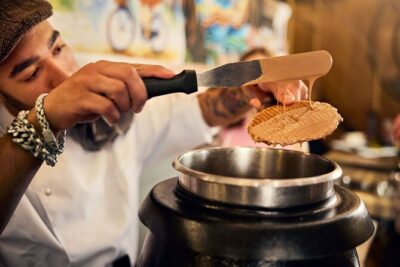
Traditional Dutch Syrup Waffle Making Workshop
Read our review →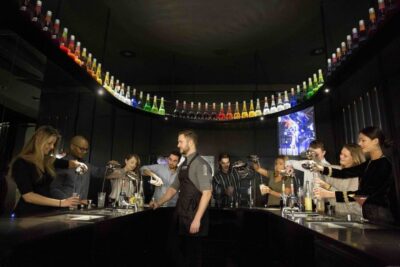
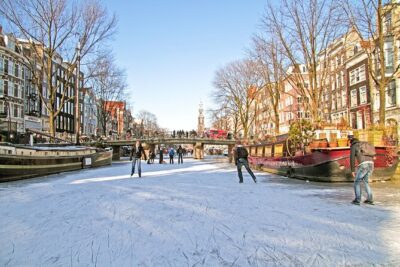
Amsterdam Light Festival Winter Walk with Stroopwafel Workshop
Read our review →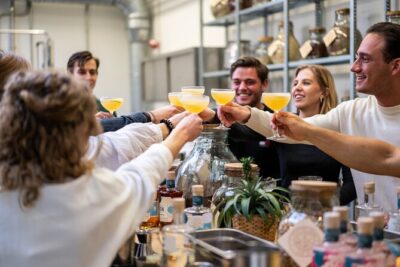
Cocktail workshop @ Spirited Union Rum Co. (Amsterdam)
Read our review →
Private Dutch Pancake Cooking Class in an Amsterdam Canal Home
Read our review →
Browse the lists this tour appears in