Reviewed · TOURS IN LEIDEN
Leiden: Hortus Botanicus Entry Ticket
The oldest botanical garden in the Netherlands began in 1590, and its most famous early chapter involves the first tulips grown in Europe. Today, a visit takes you from a historic front garden and Japanese planting traditions to tropical glasshouses filled with orchids and carnivorous plants. The garden’s global range is the main attraction.
I like the freedom of a self-paced visit and the way one ticket covers very different settings, from seasonal outdoor planting to humid tropical rooms. I also like the strong seasonal interest: jadevine in March and April, Victoria amazonica from June to September, and Chinese lotus in July. The main consideration is that the visit is relatively short at about 90 minutes, so you may need to move briskly if you want to see every section carefully.
Key points to know
- Founded in 1590: Hortus Botanicus Leiden is the Netherlands’ oldest botanical garden, with a direct link to the arrival of tulips in Europe.
- A worldwide plant collection: Southeast Asian plants are especially well represented, alongside orchids, carnivorous plants, endangered species, and seasonal flowers.
- Distinct garden areas: Plan on seeing the Front Garden, modern glasshouse, Clusius Garden, and Japanese Garden.
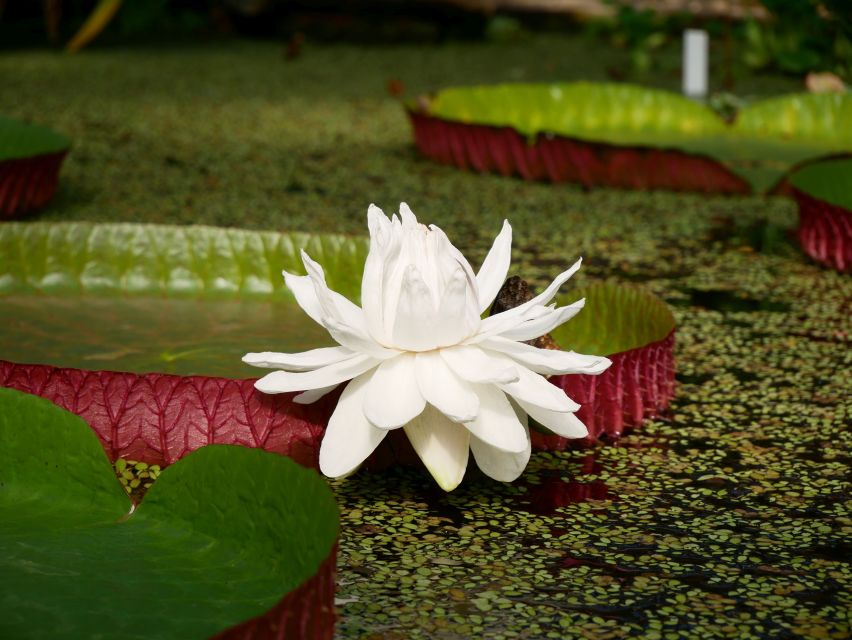
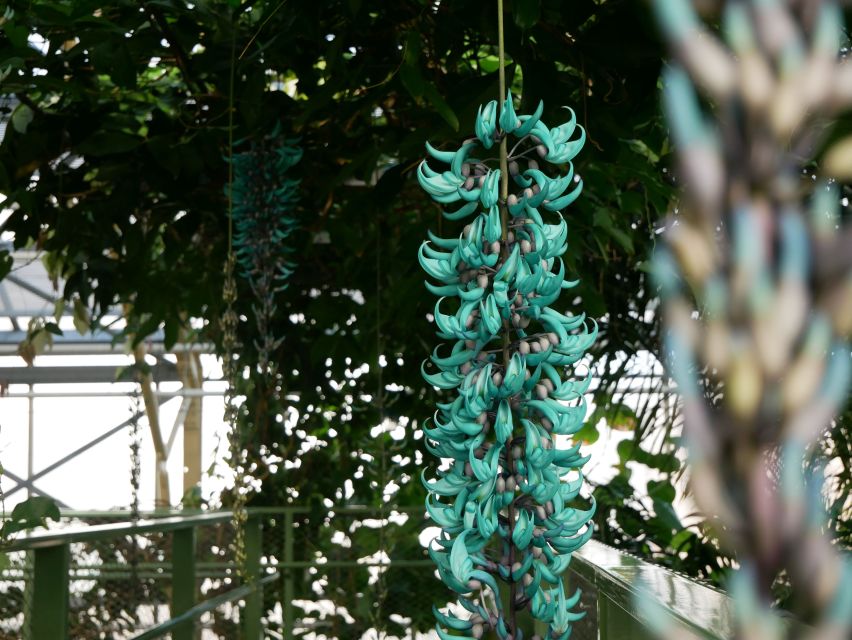
- Best seasonal displays: Jadevine flowers in March and April, Victoria amazonica from June to September, and Chinese lotus in July.
- Nearly 30 old trees: Some are more than 100 years old, giving the outdoor sections a calm, mature feel.
- Easy, flexible format: The ticket is valid for one day, admission is self-guided, and the site is wheelchair accessible.
Why Leiden’s 1590 garden is worth your time
Hortus Botanicus Leiden is not simply a park with attractive flowers. It is a working botanical garden built around plants collected from many parts of the world, especially Southeast Asia. That gives the visit more variety than a standard city garden: you can compare cultivated outdoor beds, tropical glasshouse plants, old trees, and unusual species that are rarely seen together.
The date matters. Founded in 1590, the garden belongs to the early age of European botanical study, when plants arriving from distant parts of the world were grown, classified, and shared. The first tulips in Europe were grown here, connecting the garden to one of the Netherlands’ best-known plants without turning the visit into a tulip-only experience.
I would allow around an hour and a half. That is enough for a pleasant walk and a good look at the main areas, but not enough for a slow study of every plant label. If you enjoy botanical details, plan your route with care and give yourself extra time if the ticket’s one-day validity allows you to return according to the opening schedule.
A few more things to do in the Netherlands worth a look
- Amsterdam: Van Gogh Museum Ticket
★ 4.7 · 52,054 reviews - Amsterdam: Heineken Experience Ticket
★ 4.6 · 30,055 reviews - Amsterdam: Rijksmuseum Entry Ticket
★ 4.7 · 25,535 reviews
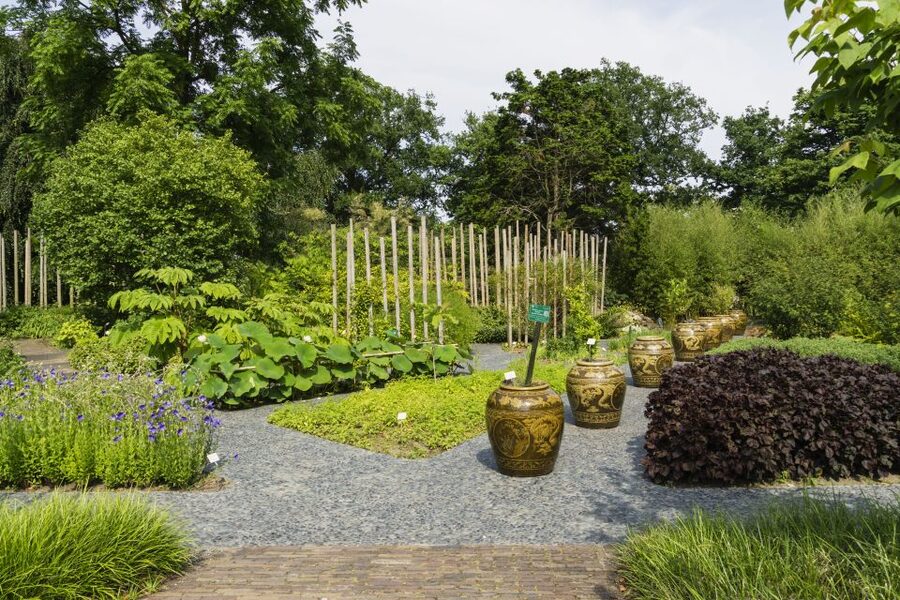
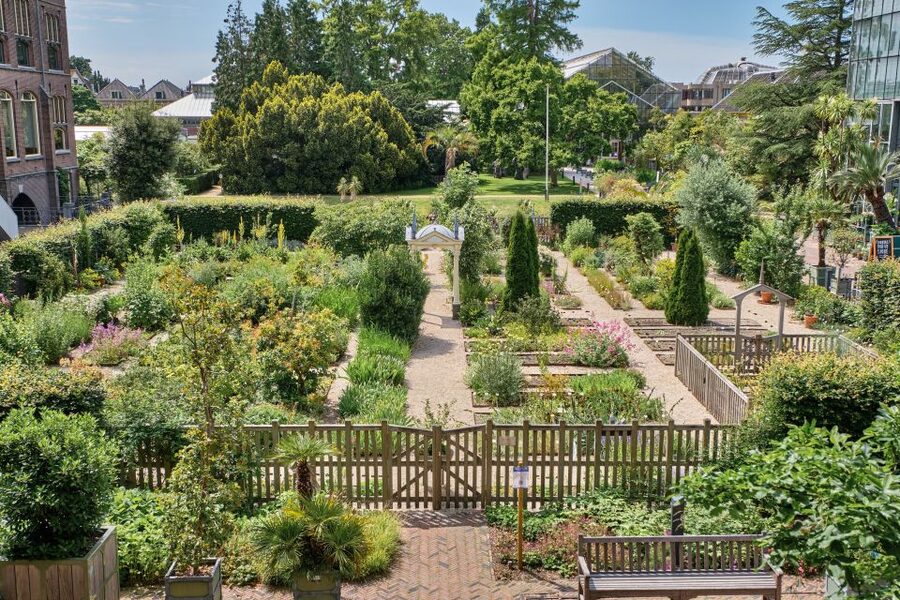
Starting at the Front Garden and glasshouse
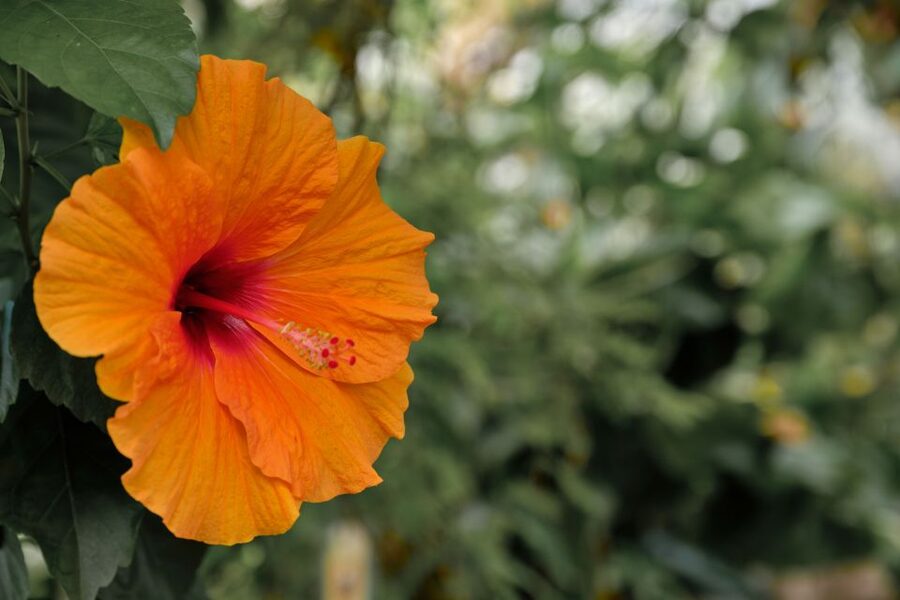
After exchanging your ticket at the front gate, you begin in the Front Garden. This is a useful first stop because it helps you get your bearings before the garden opens into its more specialized areas.
The recently built glasshouse changes the pace of the visit. Outdoor beds give you open air and changing seasonal color, while the glasshouse creates a more controlled setting for plants that need warmer conditions. I like this contrast because it makes the garden feel like several small botanical worlds rather than one repeated planting style.
Do not rush through this first section simply because it is near the entrance. Depending on the season, you might find flowering bulbs in spring or a different set of seasonal plants later in the year. The display changes, so the garden is not locked into one best month.
The Clusius Garden and Leiden’s botanical roots
The Clusius Garden is one of the places where the garden’s early purpose is easiest to understand. It connects the present-day plant collections with the period when European botanical gardens were being created to study plants brought from abroad.
The tulip connection gives this area extra interest. You will not just be looking at flowers in a formal bed. You are standing in a garden associated with the early cultivation of tulips in Europe, a plant that later became deeply linked with Dutch culture and commerce.
This section should appeal to you if you want some context along with your plants. It may feel less dramatic than the tropical rooms, but it helps explain why Hortus Botanicus Leiden exists and why it has remained important for so long.
The Japanese Garden and plant exchange with Japan
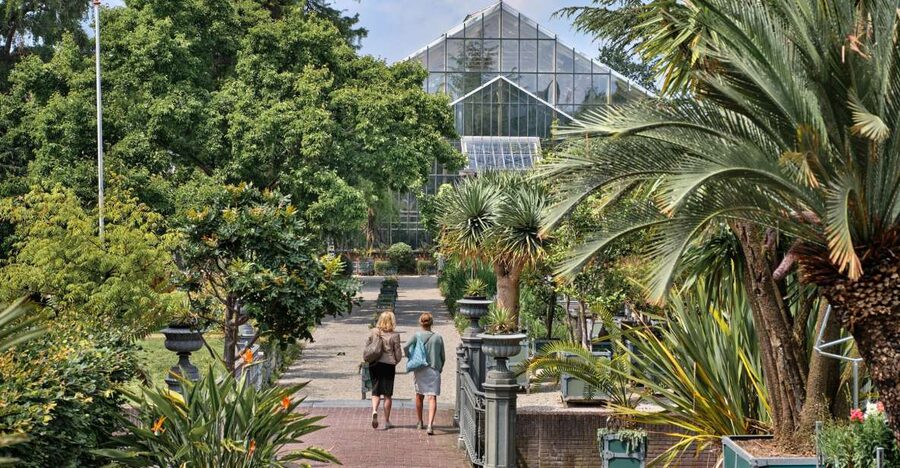
The Japanese Garden offers a different mood and a more focused planting style. Here, you can see the historical exchange of plants between Japan and the Netherlands expressed through a garden setting rather than a museum display.
I would pay attention to the shift in atmosphere as you move into this area. After the mixed plantings near the front, a Japanese garden can feel quieter and more deliberate. It gives you a pause between the historical collections and the tropical sections.
The garden is also useful for visitors who are not dedicated plant specialists. You do not need to identify every species to appreciate the layout, the sense of restraint, and the link between two countries that exchanged plants across a great distance.
Same city, a different sort of day:
- Amsterdam Classic Saloon Boat Cruise with Drinks and Cheese
★ 5.0 · 31,825 reviews - Amsterdam Luxury Canal Cruise + Unlimited Drinks & Bites option
★ 5.0 · 30,518 reviews - Amsterdam: Classic Boat Cruise with Optional Cheese & Wine
★ 4.6 · 22,925 reviews - Amsterdam: Evening Cruise with Optional Wine and Snacks
★ 4.4 · 19,696 reviews
Tropical orchids and the Southeast Asian collection
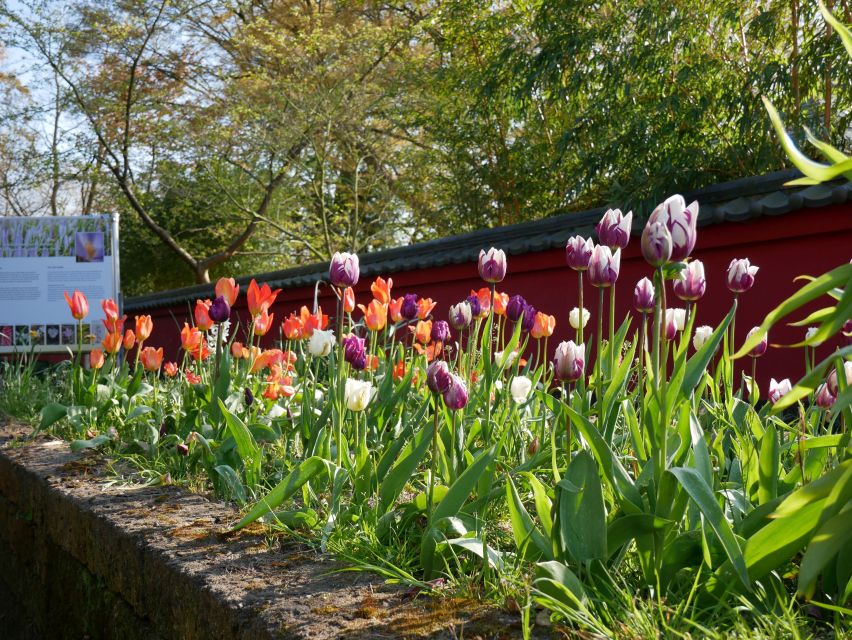
The tropical collection is one of the strongest reasons to visit. Hortus Botanicus Leiden focuses heavily on plants from Southeast Asia, and the tropical rooms let you see orchids and other warm-climate species in conditions suited to them.
Rare tropical orchids are a major draw. Some visitors will come specifically for unusual flowers, while others will enjoy the shapes, roots, leaves, and growing habits of the plants. The setting also gives you a brief change from the Dutch weather outside, which can be welcome on a cool or rainy day.
The tropical areas are more enclosed than the outdoor gardens, so take your time if you want to notice smaller details. An hour and a half is enough for a good overview, but it is easy to spend that whole period in the glasshouses if orchids are your main interest.
Carnivorous plants and endangered species
The carnivorous plant collection adds a playful edge to the visit. These plants attract attention because they do something unexpected, but the display also shows how varied plant survival strategies can be.
You will also see plants that are endangered worldwide. That gives the collection a practical purpose beyond decoration. Botanical gardens help preserve plant diversity and give you a chance to see species that may be difficult to encounter elsewhere.
I would treat this section as a reason to slow down rather than simply take a quick photograph. Carnivorous plants can be familiar as an idea, but seeing them alongside tropical orchids, seasonal flowers, and old trees makes the garden’s range clearer.
Seasonal highlights worth planning around
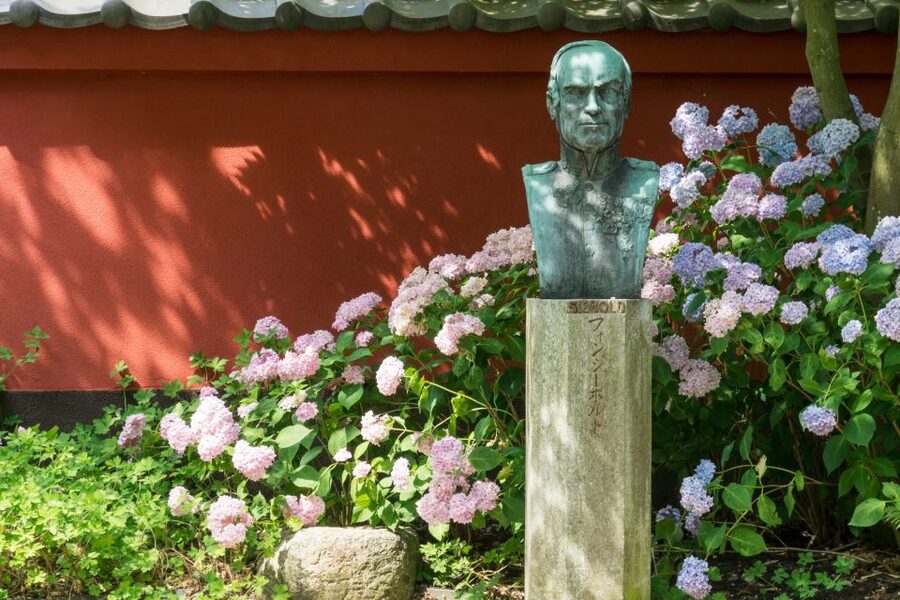
Hortus Botanicus Leiden works in every season, but certain plants have specific flowering periods. If your schedule is flexible, these dates can help you decide when the visit may be most rewarding:
- Jadevine: Usually flowering in March and April.
- Victoria amazonica: Usually flowering from June through September.
- Chinese lotus: Usually flowering in July.
- Flowering bulbs: A spring highlight across the garden.
- Ancient trees and autumn color: A good reason to visit in autumn, when the mature outdoor planting takes on a different character.
These periods are useful guides, not a guarantee of flowers on a particular day. Weather and growing conditions affect plants. Still, the calendar shows why this is not a one-season attraction.
Spring brings bulbs and the jadevine. Summer offers the Victoria amazonica and Chinese lotus. Autumn shifts attention toward the old trees and changing foliage. Even outside those periods, the tropical collection gives you a dependable indoor reason to visit.
The nearly 30 monumental trees
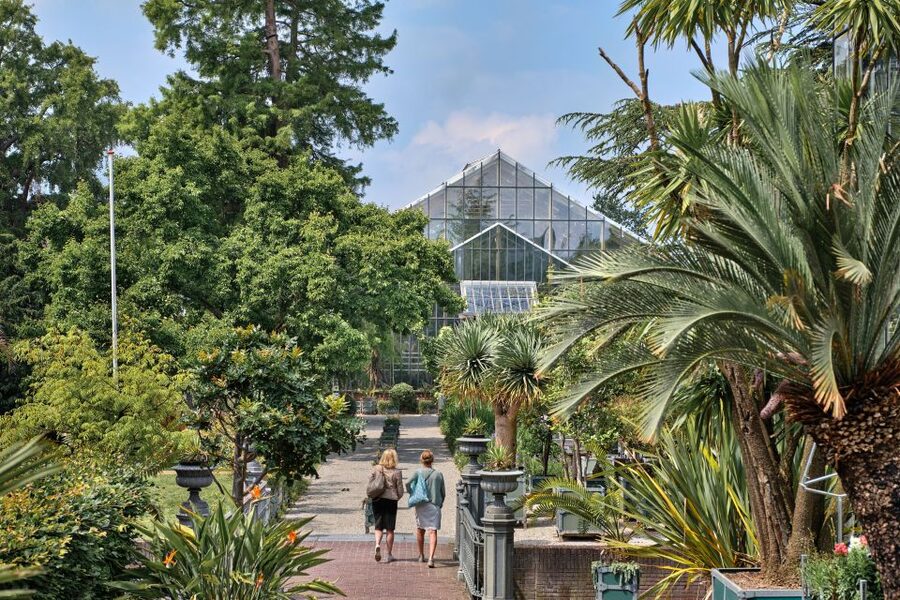
The garden includes almost 30 trees, with some more than a century old. They add scale and shade to the outdoor areas and help give the garden a settled, mature feeling.
I find old trees especially valuable in a botanical garden because they provide a link between the plant collections and the garden’s long life. A flower may last for weeks, but a tree can show how the site has developed across generations.
Plan to walk beneath these trees rather than viewing them only from a distance. They are part of the experience of moving through the garden, not merely a list of specimens. In autumn, they become one of the main reasons to visit, especially if you prefer a quiet walk to a greenhouse-focused outing.
How long to spend and how to pace the visit
The suggested visit time is about 90 minutes. That works well for a first visit if you keep moving and want a broad look at each major section.
For a focused visit, I would use this order:
- Start with the Front Garden and new glasshouse.
- Continue to the Clusius Garden for the historical and tulip connection.
- Visit the Japanese Garden.
- Spend time in the tropical orchid and carnivorous plant areas.
- Finish with the outdoor paths and old trees.
- Leave time for the Grand Café and souvenir shop.
You can also reverse the order and begin indoors if the weather is poor. Since the ticket is valid for one day, you have more flexibility than with a timed tour, though you should check the available starting times when booking.
This is not a guided walk with a fixed group pace. Dutch and English support is available, but the format is essentially independent. That suits you if you like stopping for photographs, reading plant information, or moving quickly past displays that do not interest you.
Is the $13 ticket good value?
At $13 per person, the ticket is reasonably priced for a central cultural and nature experience, especially if you enjoy plants or want a quiet break from city sightseeing. You are paying for access to a historic site, indoor tropical collections, outdoor gardens, seasonal displays, and mature trees in one visit.
The value depends on how you use the time. If you rush through in 30 minutes, the price will feel less convincing. If you spend the full 90 minutes exploring the different areas, or return during the ticket’s one-day validity if permitted by the operating schedule, the admission makes more sense.
Food and drinks are not included. The Grand Café is available before or after the visit, so you can make the garden part of a longer stop rather than treating the ticket as a complete meal-and-attraction package. The souvenir shop is another small end point, especially if you want a plant-related keepsake.
Who will enjoy Hortus Botanicus Leiden most?
I would recommend this experience to plant lovers, photographers, families looking for an educational stop, and anyone who wants a calmer hour or two in Leiden. The mix of orchids, carnivorous plants, endangered species, old trees, and seasonal flowers gives different interests something to focus on.
It is also a good choice if you want a flexible activity. You do not need to follow a guide or keep up with a group. You can move at your own speed and spend more time in the glasshouse, Japanese Garden, or outdoor paths.
The main limitation is that this may not satisfy you if you want a large, all-day garden with long walking routes and many formal displays. The planned visit takes about 90 minutes, and the experience is strongest when you appreciate a compact collection with historical context rather than expecting a huge park.
The garden is wheelchair accessible, which makes it a practical choice for visitors who need an accessible attraction. Food and drinks cost extra, and no guided tour or meal is included in the admission.
Should you book this Leiden garden visit?
Book it if you want a reasonably priced, self-guided visit with genuine historical importance and a broad mix of plants. The first tulips in Europe, the 1590 foundation, Southeast Asian specimens, tropical orchids, carnivorous plants, and century-old trees give the garden more substance than a simple flower walk.
I would especially choose it in spring for bulbs and jadevine, in summer for the Victoria amazonica and Chinese lotus, or in autumn for the monumental trees. If you have only a short time in Leiden, the 90-minute format fits neatly into a sightseeing day.
Skip it if your main goal is a full-day garden visit or if you are unlikely to spend time looking closely at plants. For most visitors who want a quiet, flexible attraction with indoor and outdoor sections, the $13 ticket offers a fair amount to see.
FAQ
Where is Hortus Botanicus Leiden?
Hortus Botanicus Leiden is in South Holland, Netherlands.
How much does admission cost?
The listed price is $13 per person.
How long does the visit take?
You can explore the garden in about an hour and a half, though your actual visit may vary depending on how closely you examine the collections.
Is the ticket valid for more than one day?
The ticket is valid for one day. Check availability for the starting times offered when you book.
Is the visit guided?
The experience is designed for you to explore at your own pace. Dutch and English host or greeter support is available.
What plants can I see?
The garden includes Southeast Asian plants, tropical orchids, carnivorous plants, endangered species, seasonal flowers, and nearly 30 trees, some more than 100 years old.
When does the jadevine flower?
The jadevine flowers in March and April.
When can I see the Victoria amazonica and Chinese lotus?
The Victoria amazonica flowers from June through September. The Chinese lotus flowers in July.
Is the garden wheelchair accessible?
Yes, Hortus Botanicus Leiden is wheelchair accessible.
Just added in the Netherlands
- Aalsmeer: Flower Auction Royal Flora Holland Entry Ticket★ 4.6 · 41 reviews
- The Hague: Old City Private Walking Tour★ 4.4 · 81 reviews
- Rotterdam: Highlights & Gems Walking Tour with Dutch Local★ 5.0 · 133 reviews
- The rise of Haarlem: Culture, History, Art and Architecture Walking Tour★ 5.0 · 59 reviews
- Haarlem Old Town Private Walking Tour★ 5.0 · 24 reviews
- 2 Hours Walking Tour Throughout History & Highlights of Haarlem★ 4.5 · 18 reviews
- Highlight Running Tour★ 5.0 · 118 reviews
- Maastricht Privat Sightseeing City Walk★ 5.0 · 76 reviews
Tours in Leiden, compared.

Cruise through the Historic City Center with Guide
Read our review →