
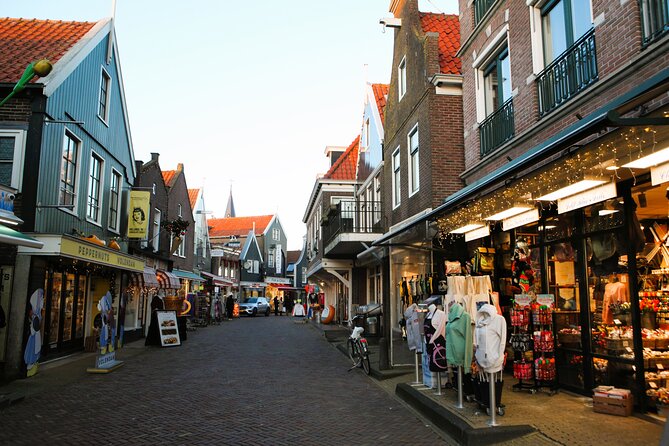
Reviewed · ZAANSE SCHANS & WINDMILL TOURS
Private Off-the-beaten-path Countryside Windmill Tour
The most memorable part of this tour is the chance to see the Dutch countryside through someone who grew up in a windmill. Esther takes you beyond the better-known stops to small villages, reclaimed polders, and quiet dike roads that are easy to miss on a standard day trip.
I like the private format, which lets you set the pace and choose your lunch in Volendam. I also like the mix of windmill engineering, village history, cheese tasting, and local scenery. The main drawback is the price: at $473.17 per person, this makes the most sense for a small group that values personal guiding and door-to-door transport.
Key points to know
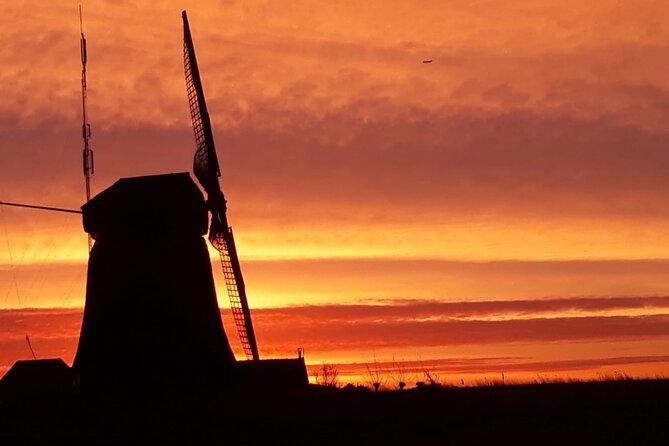
- A windmill guide with family roots: Esther grew up in a windmill and explains both its machinery and its human side.
- Seven countryside stops beyond Amsterdam: Visit Schermer, De Rijp, Beemster, Katwoude, Volendam, Edam, and Broek in Waterland.
- A real working-water story: The Schermerpolder was created when 52 windmills drained the former Schermeer lake in the 17th century.
- Cheese and clogs in Katwoude: Taste Gouda and Edam cheeses, then watch a wooden shoe demonstration.
- Lunch is flexible: Choose a local fish restaurant or a Dutch pancake restaurant in Volendam.
- Private from start to finish: Pickup at your Amsterdam hotel, private transport, parking, bottled water, and return to your hotel are included.
Why the Schermer windmills are the heart of the day

Your morning begins with pickup at your Amsterdam hotel at about 9:30 a.m. From there, you head toward the Schermer, one of the largest areas of reclaimed land in the Netherlands.
The Schermer was once a lake called the Schermeer. In the 17th century, 52 windmills worked together to pump out the water and create the Schermerpolder. This is not just a pretty setting for photographs. It is a clear example of how Dutch communities reshaped their country through planning, canals, dikes, and wind power.
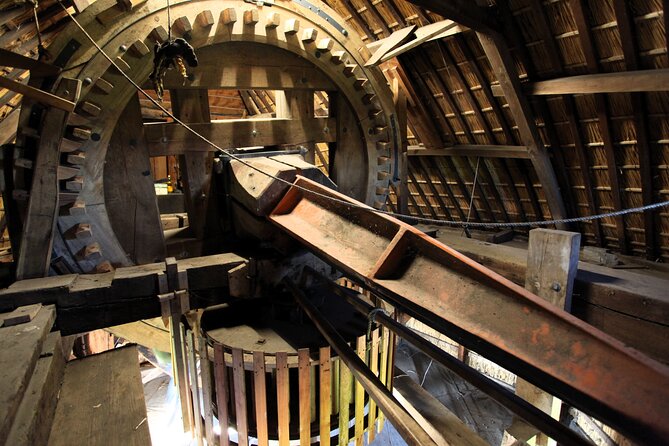
The visit to Museummolen Schermer is one of the strongest parts of the tour. You can see the historic mill from top to bottom and learn how the machinery works. You also see how people lived inside these unusual homes, which gives the windmill a human scale that a quick roadside photo cannot provide.
The included entrance fee matters here. You are not simply driving past a row of mills. You are going inside one historic windmill and getting a closer look at the technology that made the surrounding farmland possible.
Allow about 30 minutes at the museum mill. That is enough for a focused visit, though anyone fascinated by engineering or Dutch water management may wish for more time. The tour has a full schedule, so this is a taste of the subject rather than a long museum study.
More windmill trips booked from Amsterdam:
- Amsterdam: Zaanse Schans, Edam, Volendam & Marken Bus Tour
★ 4.6 · 15,034 reviews - Day Trip to Zaanse Schans, Edam, Volendam and Marken from Amsterdam
★ 5.0 · 5,392 reviews - Amsterdam: Guided Zaanse Schans, Windmills & Cheese Tour
★ 4.4 · 4,826 reviews
A slow drive along Schermer’s dikes
After the windmill visit, the route continues along the dikes through the Schermer. This part of the tour is about seeing how the reclaimed land works as a whole.
You pass farms, canals, meadows, small villages, and Esther’s family windmill. That personal connection gives the drive a special focus. Instead of treating the mills as isolated sights, Esther can place them within the story of family life and water control.
The scheduled drive lasts about 15 minutes, although the overall road journey connects several stops. You should expect time in the vehicle between villages, but private transport makes that easier. You are not worrying about parking, train connections, or finding a bus in a village where service may be limited.
This is also where the tour earns its off-the-beaten-path description. You are not spending the entire day in one famous photo spot. The appeal is the steady change from mill to dike, from farm to village, and from open fields to old town centers.
De Rijp, a former fishing village on dry land
De Rijp offers a different kind of Dutch story. It was once a busy fishing village, known for its herring fleet and whalers. After the surrounding waters were drained, the village found itself surrounded by land instead of sea.
That change tells you a lot about the Netherlands. Places that once depended on fishing could be reshaped by large water projects, while hydraulic engineers helped create new farmland and new routes between towns.
De Rijp is also associated with Jan Adriaanzoon Leeghwater, a well-known hydraulic engineer who was born here. Your stop is short, about 15 minutes, so think of it as an introduction and a chance to walk around rather than a full historical visit.
I like this stop because it gives the day a sense of place. You are not only looking at old buildings. You are seeing a village whose entire setting changed when the water disappeared.
The planned farmland of the Beemster
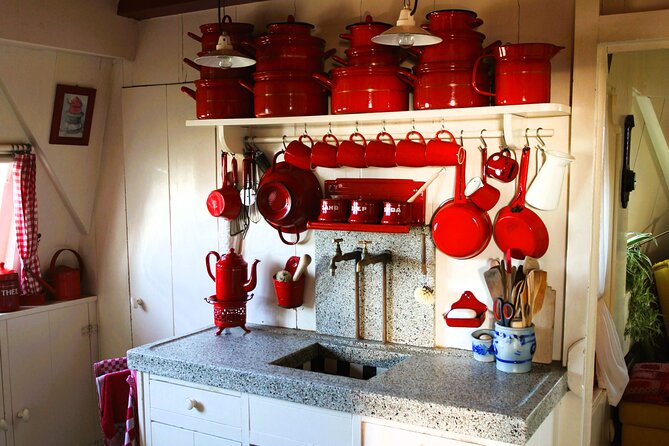
The drive continues through the Beemster, a UNESCO World Heritage site made from reclaimed land. After Beemster Lake was drained, planners laid out roads, farms, plots, and canals in a careful pattern.
You will see farmhouses, green meadows, and the organized structure of the polder. The view is calm, but the design behind it is impressive. The straight routes and divided fields reflect a deliberate plan rather than a village that grew in a random way over centuries.
This section is best appreciated from the vehicle as you connect the other stops. It may not provide a single dramatic sight, but it helps you understand why Dutch countryside scenery often looks so orderly.
If your main goal is a long walking tour or many indoor attractions, this portion may feel quiet. If you want to understand how land reclamation shaped daily life, it adds valuable context to the windmill visit.
Other countryside days out of Amsterdam:
- Countryside Bike Tour from Amsterdam: Cheese, Clogs & a Windmill
★ 5.0 · 1,485 reviews - Amsterdam: Windmill, Cheese, and Countryside E-Bike Tour
★ 4.5 · 1,166 reviews - Cheese, Canals & Windmill Countryside E-Bike Tour Amsterdam
★ 5.0 · 501 reviews - From Amsterdam: Keukenhof and Dutch Countryside Tour
★ 4.4 · 494 reviews
Cheese and wooden shoes in Katwoude
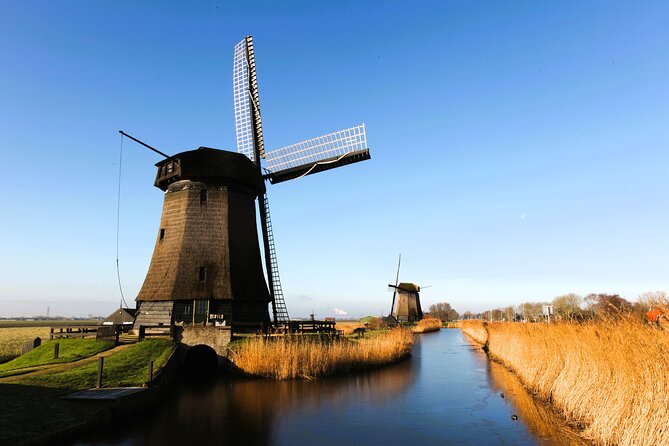
At Jacobs Hoeve Cheese Farm by Henri Willig, you get a 40-minute stop built around two familiar Dutch traditions: cheese and wooden shoes.
The tasting includes Gouda and Edam, two cheeses strongly linked with the Netherlands. Henri Willig makes about 30 flavors, including cheeses developed with travel in mind. That last point is useful if you want to bring something home, since a travel-friendly cheese is easier to pack and share than a delicate local product.
This is not only a tasting counter. You can also watch a wooden shoe craft demonstration and try on a pair of clogs. You may buy a pair if you want a distinctly Dutch souvenir.
The stop will suit anyone who enjoys food, shopping, or hands-on demonstrations. It may feel commercial compared with the quiet village visits, but it also offers a practical way to taste several Dutch cheeses in one place.
Cheese is included in the tour price, along with the windmill entrance, parking, private transportation, and bottled water. Lunch is not included, so keep room in your budget for the midday meal.
Choosing lunch in Volendam
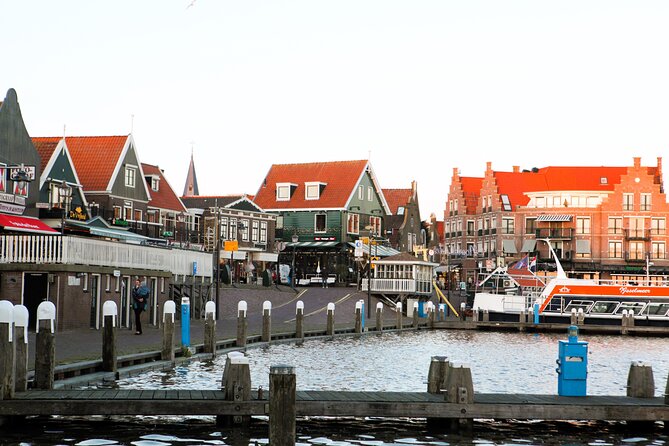
Volendam is your lunch stop, with about an hour to eat. The private format lets you choose the type of meal that suits your group. Esther can arrange a local fish restaurant or a traditional Dutch pancake restaurant based on your preference.
That flexibility is useful. A group that wants seafood can choose accordingly, while families or anyone seeking a simple, filling meal can opt for pancakes. You are not locked into a fixed restaurant or a set menu.
Because lunch is separate, the final cost will depend on what you order. The tour price covers many transport and admission costs, but you should plan for lunch in addition to the advertised rate.
Volendam is also a well-known stop, so this is the part of the day that may feel more familiar and visitor-oriented than De Rijp or Broek in Waterland. The benefit is choice and convenience. You can take a proper break before the afternoon towns.
Edam and the character of an old Dutch town
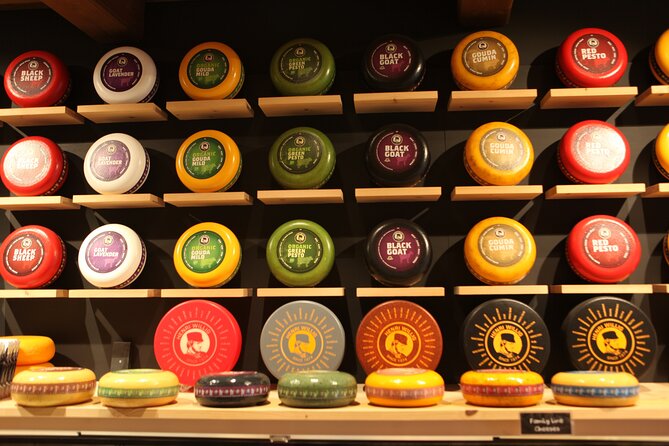
Edam is famous for its cheese, but the town offers more than a name on a round yellow wheel. It is one of the best-preserved places on the route, with historic streets and a strong sense of old Dutch town planning.
The stop lasts about 30 minutes. That gives you time to walk, look at the buildings, and get a feel for the town without turning the visit into a full museum program.
Edam works well after Volendam because the two stops offer a useful contrast. Volendam is tied closely to its waterfront and visitor culture, while Edam presents a quieter town setting with its own cheese-making identity.
You should not expect a long guided history lecture at every stop. The value of this private tour is the way the locations fit together, with Esther explaining the connections as you move through the region.
Broek in Waterland and its wooden houses
The final countryside village is Broek in Waterland, a place surrounded by water and known for its wooden houses. The village is often compared with Giethoorn, another famous Dutch water village, but Broek offers its own character.
You take a pleasant walk past houses with preserved details such as ceremonial doors and carved lintels. These features show how local building traditions reflected both practical needs and the status of the families who lived there.
You also see a restored 16th-century church. Its floor is paved with tombstones belonging to formerly wealthy inhabitants of Broek in Waterland, an unusual detail that links the village’s quiet appearance with the fortunes of earlier residents.
The walk lasts about 20 minutes. Wear comfortable shoes, since several stops involve short walks on village streets. The pace is not designed for a long hike, but you will want to step out of the vehicle and look around properly.
This is one of the most atmospheric parts of the day. It feels removed from Amsterdam without requiring a long journey, which is exactly what many people want from a private countryside outing.
What the private format adds
The tour lasts about six hours and begins and ends at your Amsterdam hotel. That door-to-door setup saves time and removes much of the effort involved in reaching rural villages by public transport.
Private transport also matters because the route covers several separate areas. You visit windmills, polders, farms, and villages in one day rather than choosing just one destination.
Only your group participates. You can ask questions freely, spend more time on a subject that interests you, or keep moving if a stop is less important to your group.
The clearest benefit is Esther herself. Her family connection to windmills gives the day a personal thread, and one five-star response specifically praised her for showing places the guest would not otherwise have seen. That is the strongest reason to book this tour instead of simply renting a car and following a map.
The tradeoff is cost. At $473.17 per person, this is not a budget excursion, especially for one or two people. Group discounts may improve the value, and a larger group can share the advantages of private transport and a dedicated guide. You are paying for time saved, a custom-feeling day, included parking, local guidance, and several admissions and tastings.
Who will get the most from this tour
I would recommend this experience to you if you want to see more than Amsterdam but do not want to plan a complicated day in the countryside. It is especially suitable for a small private group that values comfort, local stories, food, and a flexible lunch.
It is also a strong choice if you have already seen the major Amsterdam sights and want a quieter day. The route gives you working-water history, village architecture, cheese, clogs, and reclaimed farmland in one outing.
You may want to choose another type of day trip if your priority is spending hours inside windmills, visiting many museums, or keeping costs low. The schedule covers a lot of ground, and several stops are brief. Its strength is variety and personal transport, not long stays at every site.
Booking confirmation is provided at the time of booking. Most people can participate, and the tour is offered in English. Free cancellation is available if you cancel at least 24 hours before the 9:30 a.m. start time.
Should you book the countryside windmill tour?
Book it if you want the Dutch countryside explained by someone with a personal connection to its windmills, rather than viewed only through a coach window. The museum mill, Schermer dikes, Beemster planning, De Rijp, Edam, and Broek in Waterland create a well-rounded day.
I especially like the combination of private hotel pickup and genuine local detail. Just be clear about the price and the pace: this is a premium half-day experience with several short stops, not an inexpensive single-site excursion.
If your group can share the cost and you enjoy village walks, Dutch cheese, water engineering, and flexible sightseeing, Windmillgirl Tours is a sensible choice. The strongest reason to go is Esther’s personal connection to the subject and her ability to take you beyond the usual countryside circuit.
FAQ
Where does the tour begin and end?
Pickup is offered from your hotel in Amsterdam, and the tour returns you to your hotel at the end of the day.
What time does the tour start?
The start time is 9:30 a.m.
How long does the experience last?
The tour lasts approximately six hours.
Is this a private tour?
Yes. Only your group participates in the activity.
What is included in the price?
Private transportation, parking fees, bottled water, entrance to a historic windmill, and a cheese tasting are included.
Is lunch included?
No. Lunch is not included. In Volendam, you can choose between options such as a local fish restaurant or a traditional Dutch pancake restaurant.
What language is the tour offered in?
The tour is offered in English.
Just added in Amsterdam
- Guided Day Trip – Volendam, Zaanse Schans, Marken & Edam★ 4.0 · 232 reviews
- Private Tour Zaanse Schans Windmills and Volendam in Jaguar★ 5.0 · 10 reviews
- Zaanse Schans and Giethoorn Unique Day Trip with Boat Cruise★ 4.5 · 17 reviews
- Half-Day Private Guided Sightseeing Tour of Zaanse Schans★ 5.0 · 14 reviews
- Zaanse Schans Private Tour Windmills★ 5.0 · 18 reviews
- Private bike tour: Hidden gems around Amsterdam and surroundings★ 5.0 · 4 reviews
- Bike tour in Amsterdam with an Italian guide★ 5.0 · 15 reviews
- Amsterdam Sightseeing Tour + Hidden Gems + Tastings + PDF guide★ 5.0 · 35 reviews
Zaanse Schans & Windmill Tours, compared.
Zaanse Schans, Volendam, and Marken Day Trip
Read our review →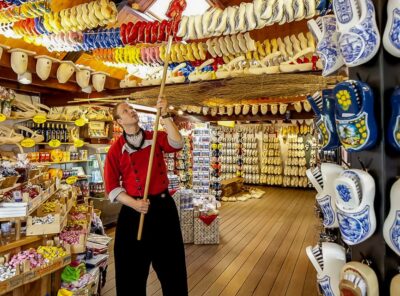
Zaanse Schans, Edam, Volendam & Marken Bus Tour
Read our review →
Guided Zaanse Schans, Windmills & Cheese Tour
Read our review →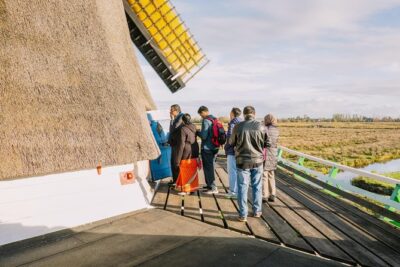
Windmill Tour from Amsterdam, Including Volendam & Marken
Read our review →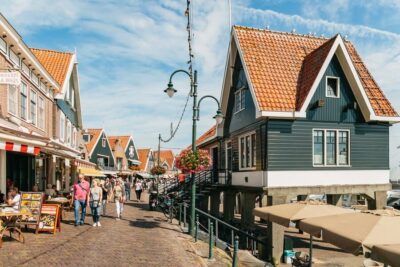
Tour to Keukenhof Gardens with Windmill Cruise
Read our review →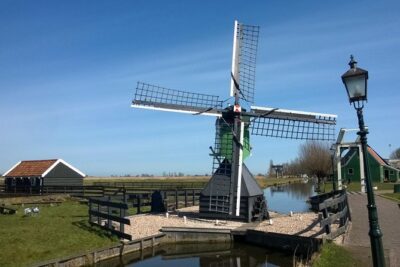
Zaanse Schans Windmills, Clogs and Dutch Cheese Small-Group Tour from Amsterdam
Read our review →
Browse the lists this tour appears in