Reviewed · TOURS IN AMSTERDAM
Your Own Amsterdam: The Art Underground
Amsterdam’s underground system is more than a way to get across town. On this private two-hour tour, metro stations become small museums, archaeological sites, music rooms, and political history lessons. You move from Centraal Station to Amsterdam-Noord, seeing a side of the city that many people miss while rushing between canals and museums.
I like the small private format, since your guide can adjust the pace and answer questions without a large group slowing things down. I also like the range of subjects: tulip mania, colonialism, ancient objects, Dutch music, architecture, and local plants all appear along one short route.
The main drawback is the price: $236.59 per person, plus 9 euros for metro tickets, is a serious spend for two hours. The value depends on how much you enjoy guided interpretation and unusual public art rather than famous museum masterpieces.
Key points to know before booking
- Six metro stops create the tour’s framework, with about 15 minutes spent at each location.
- Centraal Station uses public art to explain Amsterdam, including climate, tulip mania, the Dutch East India Company, and colonialism.
- Rokin displays archaeological finds, some more than 2,000 years old.
- The private format keeps the conversation personal, and guide Maria is noted for her patience and clear explanations.
- The route ends in Amsterdam-Noord, where art connects with local plants, animals, and the city’s ecosystem.
- Budget another 9 euros per person for metro tickets, since they are not included.
Why Amsterdam’s metro makes a good museum
You probably come to Amsterdam for canals, old houses, and major art museums. Those are good reasons to visit, but they show only the city’s familiar face. This tour asks you to look at places built for daily travel.
The stations tell stories through design and objects rather than through long museum labels. You are not simply being taken from one stop to another. The guide helps you read the artwork, understand the setting, and connect each station with a wider part of Amsterdam’s past and present.
That approach works best if you enjoy asking why a city looks and functions as it does. The tour is less about ticking off famous sights and more about noticing details built into the places people use every day.
The route also gives you a quick cross-section of Amsterdam. You begin in the historic center, pass through areas connected with archaeology and popular culture, then continue toward Noord and its natural setting. Each stop lasts about 15 minutes, so expect a brisk sequence rather than long time at any one station.
Other trips people book in Amsterdam:
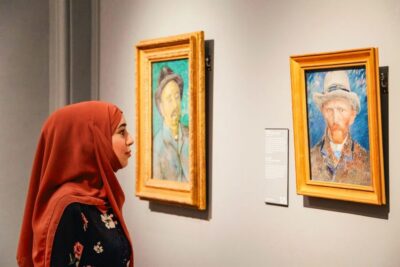
- Amsterdam: Van Gogh Museum Ticket
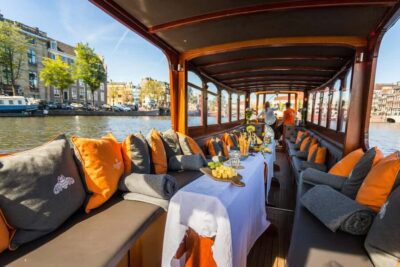
★ 4.7 · 52,054 reviews - Amsterdam Classic Saloon Boat Cruise with Drinks and Cheese
★ 5.0 · 31,825 reviews - Amsterdam Luxury Canal Cruise + Unlimited Drinks & Bites option
★ 5.0 · 30,518 reviews
Centraal Station: art beneath the city’s front door
The first stop is at Stationsplein, outside or around Centraal Station. More than ten million people pass through this area each year, so the art here is not hidden behind a museum entrance. It is part of the daily commute.
Your guide uses the station’s artworks to discuss several themes tied to Amsterdam. These include the local climate, city history, tulip mania, Dutch overseas trade, and colonialism. That range gives the opening stop some weight. You are not only looking at decoration. You are considering how public art can present, question, or frame a city’s identity.
Centraal Station is a sensible starting point because it is easy to reach and familiar to almost anyone arriving in Amsterdam. At the same time, its crowds and constant movement may make close listening harder at busy moments. Keep your attention on the guide and allow the group to stay together.
The 15-minute timing means the discussion has to remain focused. You will get a useful introduction to the subjects, not a full lecture on each one. If questions about colonial history or tulip mania interest you, use the private setting to ask for more context.
Rokin: ancient objects beneath a modern station
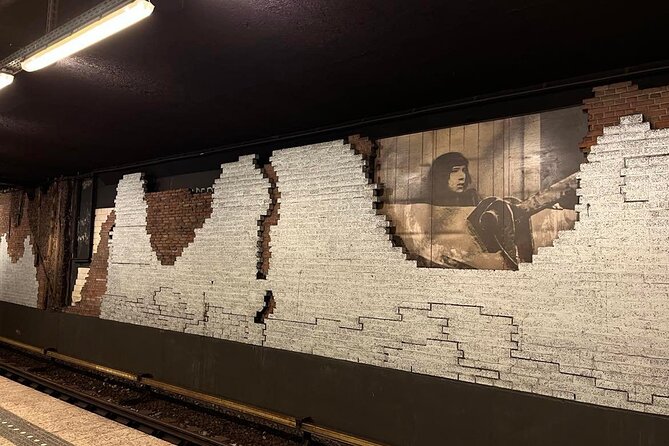
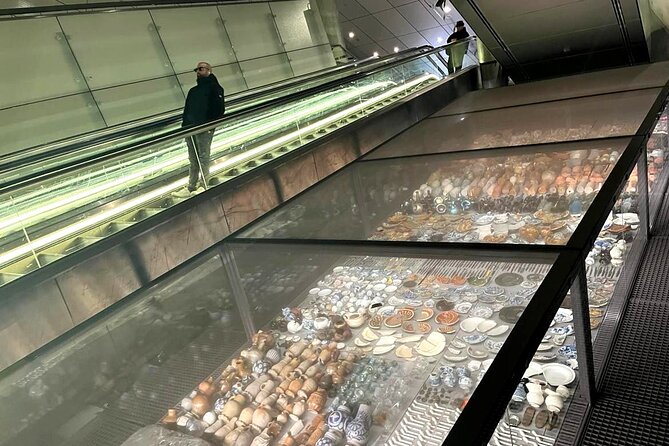
At Rokin, the focus shifts from public art to archaeology. Excavations connected with the station uncovered objects that can tell stories about Amsterdam and its residents. Some finds are more than 2,000 years old.
This is one of the strongest stops for anyone who likes evidence you can see. An old object can reveal how people lived, traded, traveled, or used the area long before the modern metro arrived. The contrast is part of the appeal: a transport project built for the present also exposed traces of a much older past.
The station setting matters here. You are not walking through a traditional archaeological museum with a long series of galleries. The site links construction, engineering, and the city’s earlier inhabitants in one place. Your guide’s explanation helps you understand why those discoveries matter.
Because the stop lasts about 15 minutes, do not expect an exhaustive account of every excavation. Think of it as a compact introduction that adds depth to the streets above. You may leave this section wanting to spend more time with Amsterdam’s archaeology elsewhere.
Vijzelgracht: a short lesson in Dutch music
Vijzelgracht changes the mood. Here, the subject is popular Dutch music from the 20th century.
This stop gives the tour a cultural break from archaeology and political history. It also shows how a metro station can carry memories that are not limited to architecture or transport. Music offers a way to discuss everyday life and national culture through a subject that feels more immediate than a date on a wall.
The information provided for this stop is brief, so the exact musical examples will depend on the guide and the conversation. That uncertainty is worth keeping in mind. If you want a dedicated music tour, this is not one. If you like a short, unexpected cultural chapter within a broader city tour, it adds welcome variety.
The stop is listed with free admission, and the private group format should make it easier to ask questions about the music or its place in Dutch life.
Same city, a different sort of day:
- Amsterdam: Heineken Experience Ticket
★ 4.6 · 30,055 reviews - Amsterdam: Rijksmuseum Entry Ticket
★ 4.7 · 25,535 reviews - Amsterdam: Classic Boat Cruise with Optional Cheese & Wine
★ 4.6 · 22,925 reviews - Amsterdam: Evening Cruise with Optional Wine and Snacks
★ 4.4 · 19,696 reviews
Nieuwmarkt: why metro construction caused anger
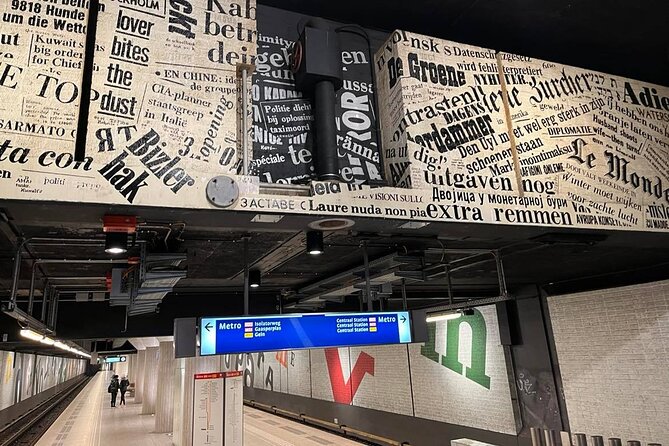
Nieuwmarkt brings in modern political history. The stop looks at an old metro station and explains why construction of Amsterdam’s first metro lines in the 1980s created such strong resistance from local residents.
This subject helps you see that transport projects are never only about trains and tunnels. They can affect homes, streets, neighborhoods, and people’s trust in city government. The conflict still shapes current life in Amsterdam, so this is not presented as a closed chapter.
For me, this is the kind of stop that gives the route its practical value. You learn why the city’s underground system looks and feels the way it does, and why some local objections carried on after construction ended. It also adds a needed human side to the engineering story.
The 15-minute limit keeps the explanation from becoming a full civic-history seminar. Still, the private format gives you room to ask about the resistance, the design of the station, and how the past continues to affect the city.
Noorderpark: Amsterdam School design in context
At Noorderpark, the tour turns to the Amsterdam School, one of the Netherlands’ major architectural styles. The guide explains its influence on modern architecture and society.
This is not simply a lesson in recognizing a style. The tour connects architecture with social ideas, which helps you look beyond decorative details. You will consider how buildings and public spaces express the values of the period in which they were made and how those ideas can influence later design.
The location also marks a change in the feel of the route. After the central stations and their dense urban setting, Noorderpark provides a different context for discussing design. The 15-minute stop is short, but it gives you a useful lens for seeing Amsterdam’s buildings beyond the postcard canal ring.
If architecture is your main interest, you may wish the tour spent longer here. The benefit is breadth: you receive this design lesson as part of a wider route that also includes art, archaeology, music, and ecology.
Amsterdam-Noord: art, plants, and animals
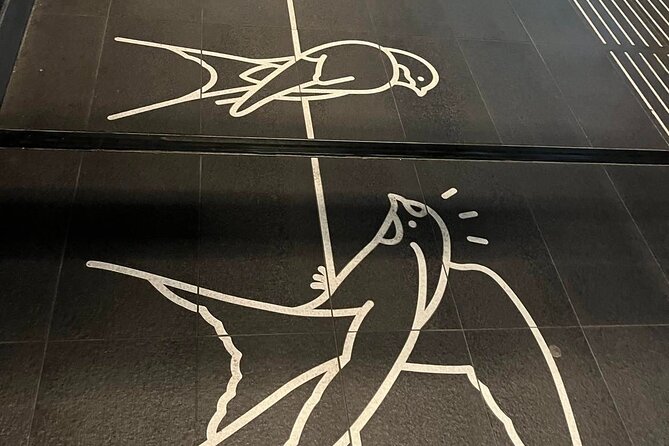
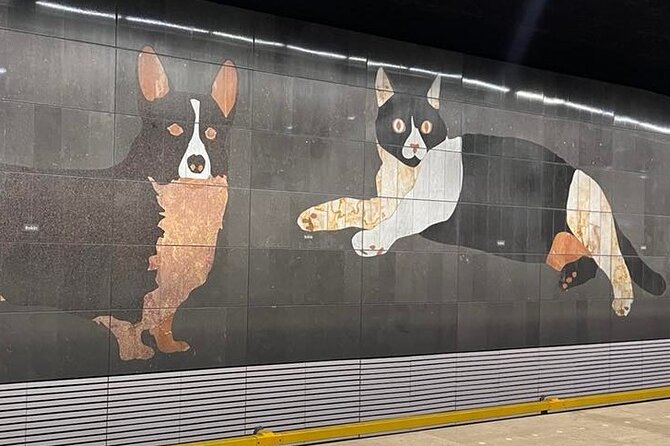
The final stop is in Amsterdam-Noord. Here, the focus is the local ecosystem, including flora and fauna, and how those subjects appear in public art.
This ending works because it brings the tour back to the present. The route begins with city history and public artworks at Centraal Station, then ends by asking how Amsterdam relates to its natural surroundings. You are encouraged to see art not only as a record of the past but also as a way to discuss the living environment.
The end point is also practical to note. You finish in Amsterdam-Noord rather than returning to Centraal Station or your hotel. That can be useful if you plan to explore Noord afterward, but you need to organize your next trip from there.
The station is listed with free admission. As with the other stops, the 15-minute visit gives you an introduction rather than a full nature walk or ecology program.
What the private format really adds
This is a private tour, so only your group takes part. That matters more here than it would on a simple sightseeing loop because the subjects are varied and the route is interpretive.
You can ask why a particular artwork was chosen, request more detail about the archaeological discoveries, or spend a little longer on the topics that interest you most. The guide can also point out nearby areas of interest as you move through the city.
Maria is the named guide in the available feedback. She is described as patient and well informed, with an ability to explain both the metro art and nearby points of interest. One useful example is her reference to the De Pijp market during the route. That suggests the experience is not limited to staring at station walls. You may also receive brief local context about the neighborhoods you pass through.
The private setting does not guarantee an entirely flexible schedule. The route has six planned stops, each about 15 minutes, and the total duration is approximately two hours. Still, the format should feel more responsive than a large group tour.
Is $236.59 per person a fair price?
At $236.59 per person, this is not a budget way to spend an afternoon. The 9-euro metro cost per person is extra, and the price does not include a museum admission or a meal. You are paying mainly for the guide’s time, planning, and interpretation.
The value improves if you are traveling with people who share your interest in art, design, city planning, or social history. A private group can also make the cost easier to justify if several people are splitting the guide fee, though the listed price is still charged per person.
The price is harder to defend if you want only a quick look at attractive station art. You can see public spaces independently, but you would miss the organized links between the artworks, the archaeological finds, the metro’s troubled beginnings, and Amsterdam-Noord’s ecology.
I would compare this tour with the cost of a standard museum visit. It offers no famous collection and no long indoor viewing time. Instead, it gives you a moving lesson across the city, with personal explanations and a route that reaches places you might not connect on your own.
Timing, transport, and what to bring
The experience lasts about two hours and is offered in English. You will use Amsterdam’s metro, and the required underground tickets cost 9 euros per person. Those tickets are not included, so add that amount to your budget.
The meeting point is Stationsplein 13a, 1012 AB Amsterdam, near Centraal Station. The tour ends in Amsterdam-Noord. Check the start and end points carefully if you have a train, museum booking, or dinner reservation afterward.
A mobile ticket is available, and confirmation is provided when you book. The tour is near public transportation, and most people can participate. No special admission payment is listed for the stations themselves.
Wear comfortable shoes and keep your attention on the route. You will be changing locations rather than settling into one gallery. If you have mobility concerns, the supplied information does not give detailed access notes, so ask the provider before booking.
You can cancel free of charge up to 24 hours before the start time for a full refund. Changes or cancellations made less than 24 hours before the start time are not accepted for a refund.
Who should book this Amsterdam art tour?
I would recommend it most to people who have already seen Amsterdam’s major sights or who want a different way to understand the city. It suits art and culture fans, architecture enthusiasts, curious first-time visitors, and anyone who enjoys public history presented in unusual places.
Families and mixed-interest groups may also like the variety. One person can focus on design, another on archaeology, and another on music or ecology. The private format gives the guide a chance to respond to those different interests.
I would hesitate to recommend it to someone seeking a relaxed canal cruise, a long museum visit, or a low-cost activity. Six stops in two hours create a quick pace, and the high per-person cost requires genuine interest in the subject.
Should you book Your Own Amsterdam: The Art Underground?
Book this tour if you want Amsterdam explained through places people normally use rather than only through famous sights. The strongest features are the private format, the range of themes, and the connection between metro art and larger questions about history, society, and the natural world.
The archaeological stop at Rokin and the account of resistance to the 1980s metro construction add substance. Maria’s patient guidance and attention to nearby places, including De Pijp market, make the route more useful than a simple station-by-station art walk.
Skip it if $236.59 per person feels too high for a two-hour activity or if you prefer to explore independently. For the right audience, though, this is a thoughtful and unusual way to see Amsterdam, with a clear reminder that the city’s stories are often waiting below street level.
FAQ
How long does the tour last?
The tour lasts approximately two hours.
How many locations does the tour visit?
The route includes six stops: Centraal Station, Rokin, Vijzelgracht, Nieuwmarkt, Noorderpark, and Amsterdam-Noord.
Is this a private tour?
Yes. Only your group takes part in the activity.
What language is the tour offered in?
The tour is offered in English.
Are metro tickets included?
No. Underground metro tickets cost 9 euros per person and are not included in the tour price.
Where does the tour begin and end?
The tour begins at Stationsplein 13a, 1012 AB Amsterdam, near Centraal Station, and ends in Amsterdam-Noord.
Can I cancel for a full refund?
Yes. You can cancel at least 24 hours before the experience start time for a full refund. Cancellations made less than 24 hours before the start time are not refunded.
Just added in Amsterdam
- Guided Day Trip – Volendam, Zaanse Schans, Marken & Edam★ 4.0 · 232 reviews
- Private Tour Zaanse Schans Windmills and Volendam in Jaguar★ 5.0 · 10 reviews
- Zaanse Schans and Giethoorn Unique Day Trip with Boat Cruise★ 4.5 · 17 reviews
- Half-Day Private Guided Sightseeing Tour of Zaanse Schans★ 5.0 · 14 reviews
- Zaanse Schans Private Tour Windmills★ 5.0 · 18 reviews
- Private bike tour: Hidden gems around Amsterdam and surroundings★ 5.0 · 4 reviews
- Bike tour in Amsterdam with an Italian guide★ 5.0 · 15 reviews
- Zaanse Schans Edam Volendam Private Day Tour from Amsterdam★ 5.0 · 3 reviews
Tours in Amsterdam, compared.

Amsterdam Classic Saloon Boat Cruise with Drinks and Cheese
Read our review →
Amsterdam Luxury Canal Cruise + Unlimited Drinks & Bites option
Read our review →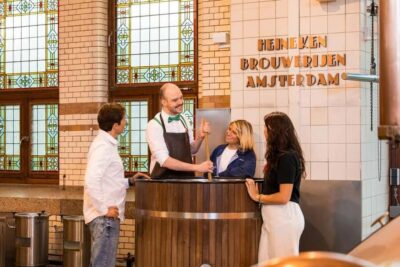
Classic Boat Cruise with Optional Cheese & Wine
Read our review →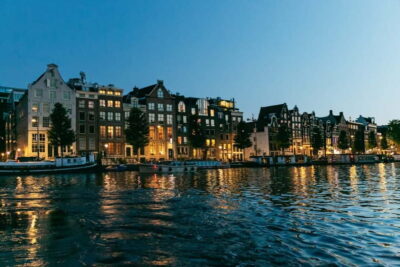
Evening Cruise with Optional Wine and Snacks
Read our review →