
Reviewed · MUSEUMS
Middelburg: Zeeuws Museum Entry Ticket
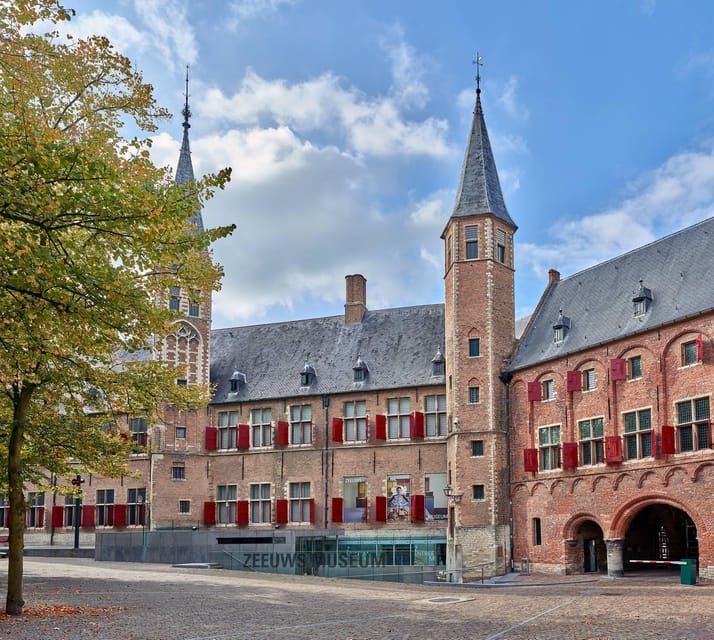
The Zeeuws Museum puts Zeeland’s story inside a former abbey, where old stone, naval battles, regional dress, and far-flung objects share the same rooms. I like that the collection does not stop at famous local scenes. It shows how Zeelanders lived, traded, traveled, worked, dressed, and brought outside influences home.
I also like the 30,000-object collection, which gives you plenty to explore without making the museum only about one period. The jewelry and costume displays are especially strong, and the museum keeps changing its fashion exhibitions. The main drawback is that exhibitions can change during your visit. One floor was closed without advance notice for a recent visitor, so check current displays before you go.
Key points at a glance
- A former abbey setting: Explore Zeeland’s culture and history inside one of Middelburg’s most distinctive historic buildings.
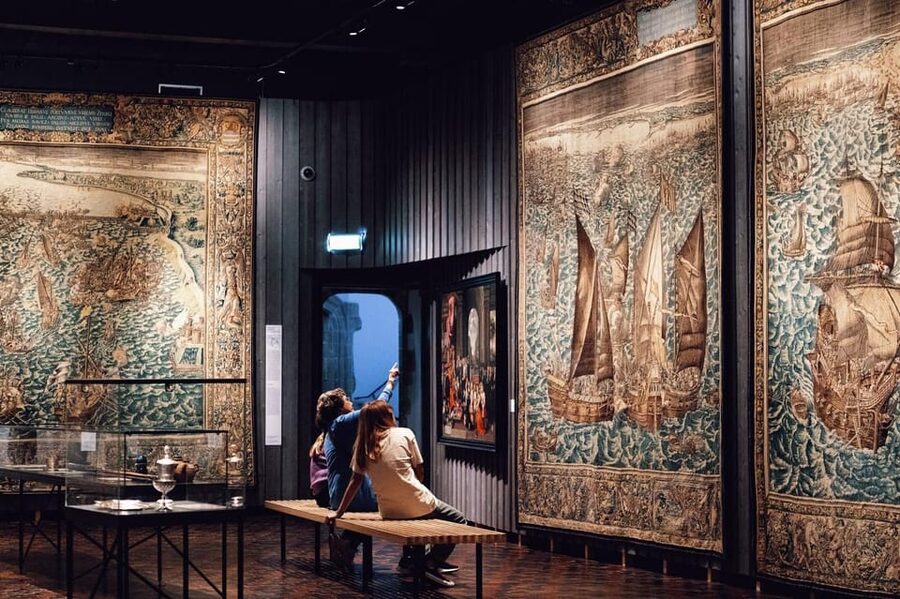
- Naval scenes on woven artworks: See large works showing battles from the Eighty Years’ War.
- A wide regional collection: Move from archaeology and porcelain to silver, costume, jewelry, and objects brought home from abroad.
- Fashion with a Zeeland accent: Changing displays connect regional clothing and jewelry with present-day ideas.
- A self-guided museum visit: Your ticket covers entry for one day, but no guide is included.
- A practical accessibility limit: Wheelchair access is available for chairs with a maximum turning circle of 150 centimeters, and loan wheelchairs can be reserved in advance.
Why the Zeeuws Museum belongs on your Middelburg list
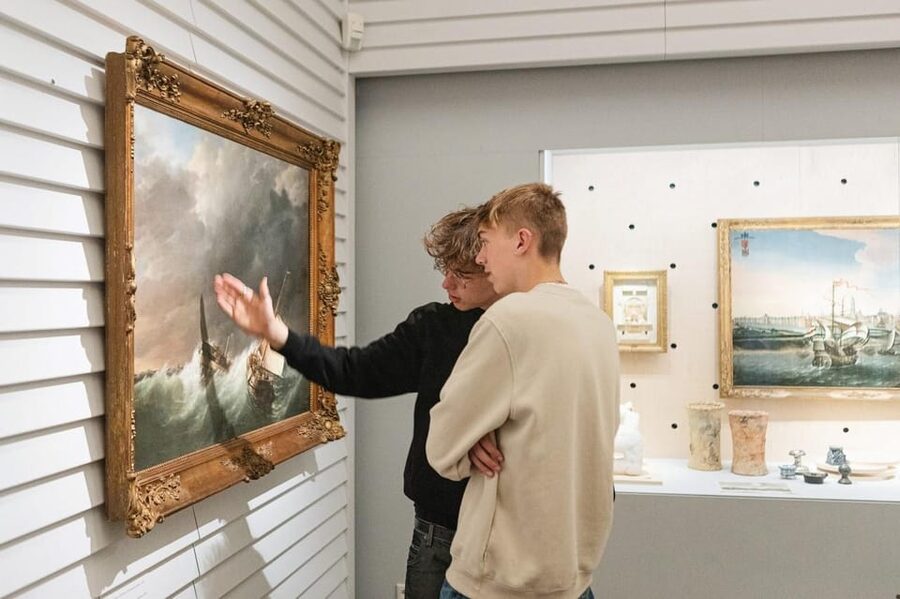
Middelburg can feel like a town built from layers. Its streets, former religious buildings, maritime connections, and regional traditions all point to different parts of Zeeland’s past. The Zeeuws Museum gathers those layers under one roof, making it a useful stop if you want more than a quick walk through the historic center.
The museum’s subject is not simply Zeeland as a place. It is Zeeland as a culture shaped by water, trade, faith, work, dress, conflict, and contact with faraway regions. That wider approach gives you more to think about than a display of local objects in isolation.
I particularly like the museum’s decision to show objects brought back by Zeelanders. A piece made elsewhere can still belong in a Zeeland story if someone from the region bought it, used it, collected it, or carried it home. That idea helps explain how local life is shaped by the wider world.
The visit also has a clear modern purpose. The museum uses art and heritage to encourage discussion, new ways of looking, and contact between artists, designers, and local communities. You may find that some displays ask you to consider how old objects connect with life today rather than simply giving you dates and names.
Other collections worth booking around the Netherlands:
- Amsterdam: Van Gogh Museum Ticket
★ 4.7 · 52,054 reviews - Moco Museum Amsterdam Entrance Tickets with Banksy & More
★ 4.4 · 10,088 reviews - Amsterdam: The Upside Down Museum Entrance Ticket
★ 4.4 · 9,506 reviews
Entering the former abbey
The building is part of the experience. You are not walking into a plain modern box where the architecture disappears behind the displays. The former abbey gives the museum a strong sense of place before you even begin considering the collection.
That setting suits the subject. Zeeland’s history includes religious institutions, civic power, maritime activity, and changing ideas about identity. A former abbey can hold all of those stories without needing much decoration.
Take a moment to get your bearings when you arrive. The museum is large enough to reward a calm visit, but its collection is varied enough that you may want to decide how closely you plan to examine each section. Since the ticket is valid for one day, you do not have to race through every case in a single short visit.
The experience is self-guided. No guide is included, so you set your own pace and choose which objects deserve extra time. That works well if you like museums that let you pause at a striking object, skip a section, or return to something later.
Zeeland’s story, from archaeology to overseas objects
The core exhibition is the museum’s main foundation. It introduces Zeeland’s culture and history through archaeological finds, historic objects, works of art, clothing, household pieces, and items linked to travel and trade.
Archaeology gives the story a local starting point. These objects help connect present-day Zeeland with earlier communities and daily life. They are not only grand historical pieces. Small finds can tell you about work, belief, materials, and the practical choices people made.
From there, the collection opens outward. Porcelain and silver suggest changing tastes and social habits. Objects brought back from distant places show that Zeeland was never cut off from the rest of the world. You might find yourself asking who owned an item, how it arrived in Zeeland, and what it meant once it became part of local life.
That mix is one of the museum’s best qualities. You are not confined to military history, fine art, or folk culture. The visit moves between those subjects, showing how they overlap.
The sheer size of the collection also matters. With around 30,000 objects in its care, the museum can build exhibitions around different themes instead of repeating one narrow story. You will not see all of those objects in one visit, of course, but the number explains why the museum can keep changing what it puts in front of you.
The Eighty Years’ War in large woven scenes
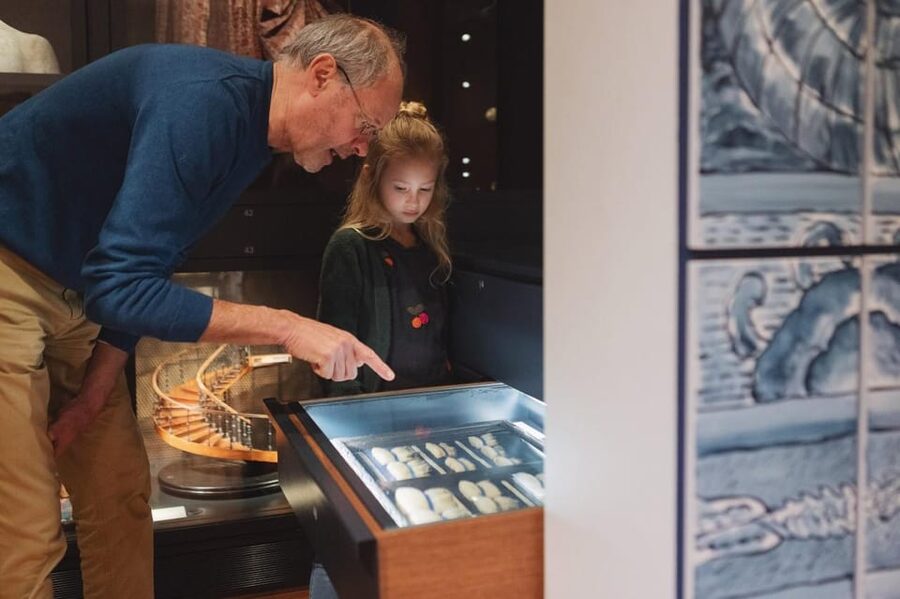
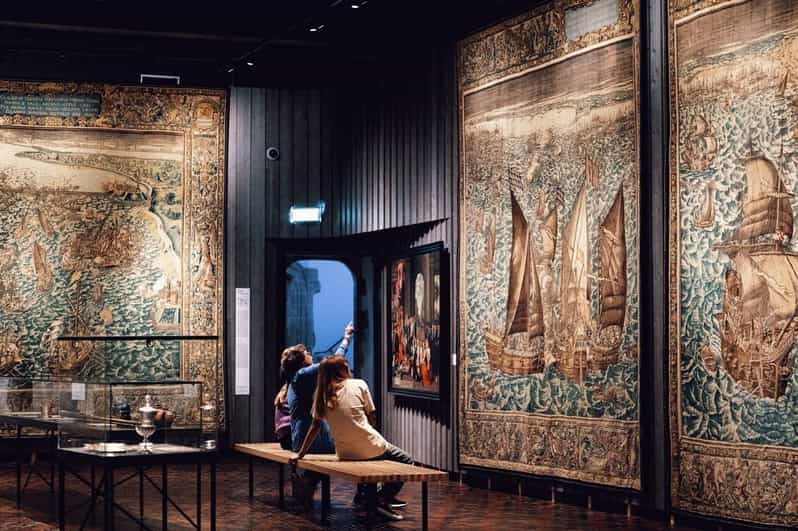
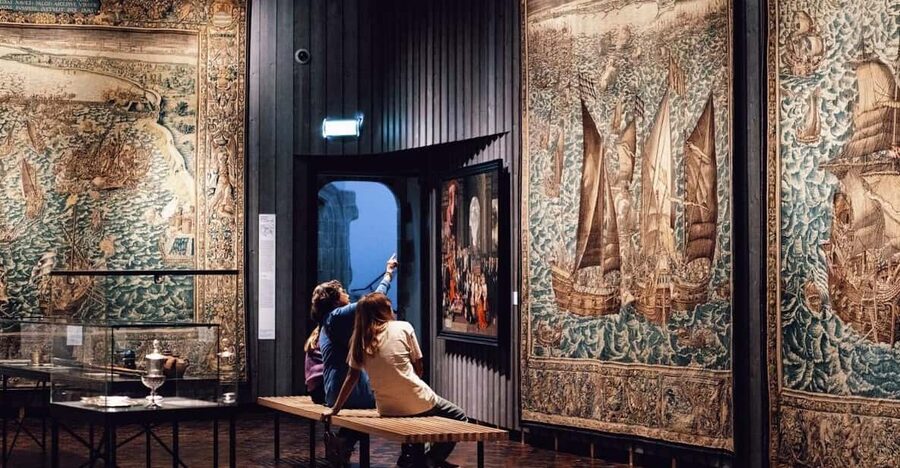
The naval battle displays are among the museum’s strongest historical attractions. Large woven works depict fighting during the Eighty Years’ War, giving you a visual account of conflict at sea and the political world around it.
These works are useful because they make military history concrete. Rather than reading only about ships and battles, you can study how the events were represented, what details received attention, and how a historical victory or struggle could be turned into a lasting public image.
The scale also changes how you look. Smaller objects invite close inspection, while large woven scenes ask you to step back and take in the full composition. Give yourself room and time here. The details may reward a second look after you first understand the wider scene.
The displays are not a complete replacement for a guide or a history book. If you want a detailed account of every battle, dates, and commanders, you may need to do extra reading. But for a museum visit in Middelburg, the works offer a memorable way into Zeeland’s wartime past.
A few more things to do in the Netherlands worth a look
- Amsterdam: Heineken Experience Ticket
★ 4.6 · 30,055 reviews - Amsterdam: Rijksmuseum Entry Ticket
★ 4.7 · 25,535 reviews - Amsterdam: Icebar Entry Ticket with 3 Drinks
★ 4.2 · 14,562 reviews - Amsterdam: Keukenhof Ticket and Roundtrip Shuttle Transfer
★ 4.7 · 11,799 reviews
Costume and jewelry that make local identity visible
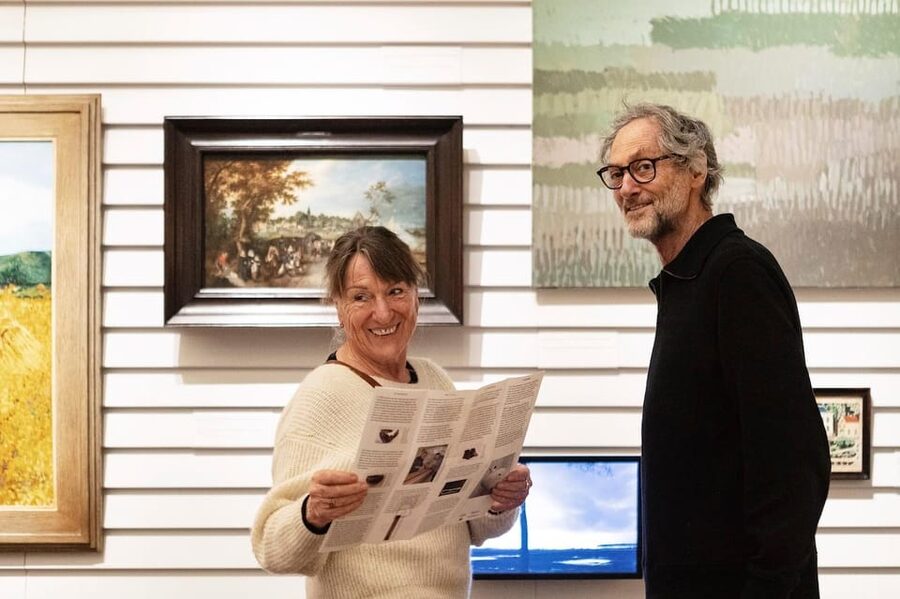
The regional costume displays are a major part of the museum’s appeal. Clothing can reveal where people lived, how they presented themselves, what materials they valued, and how local customs developed.
Jewelry adds another layer. It can signal family ties, prosperity, faith, or regional belonging. The jewelry collection has been a particular highlight for many people, and one recent visitor described it as fascinating and especially beautiful. That is a good reason to slow down rather than treat the costume rooms as a quick walk-through.
The fashion exhibitions are dynamic, not fixed forever. They draw on regional costume and jewelry while connecting those subjects with current ideas. This keeps the displays from feeling like a simple collection of old clothes behind glass.
You may find the fashion section more approachable than a traditional political history display. Clothing is personal. It gives you a direct sense of how people moved through ordinary life, marked occasions, and showed where they belonged.
The main limitation is that the museum’s temporary displays can change. A floor may be closed during your visit, as happened to one recent visitor, and the available material may not match what you expected. If a particular costume or fashion display is your main reason for going, check the current museum information before you book.
Objects from abroad, brought home to Zeeland
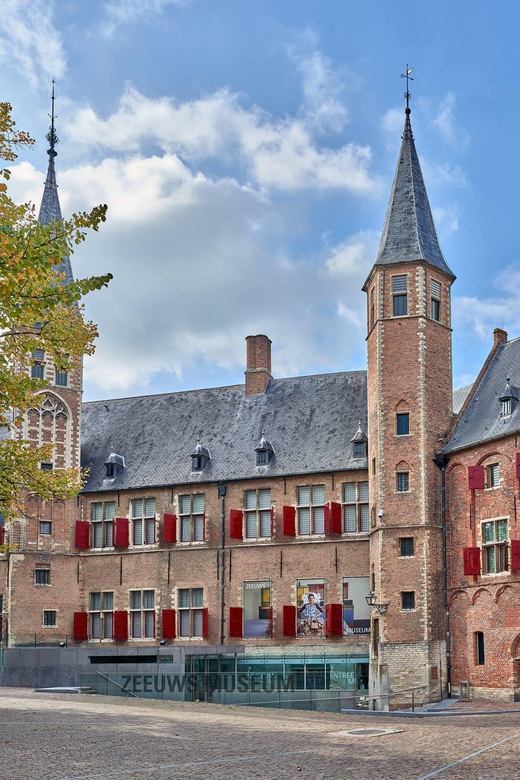
One of the most interesting themes is the way the museum treats foreign objects. These pieces are not presented simply because they are exotic or unusual. Their place in the collection comes from their connection to Zeelanders who encountered them elsewhere and brought them home.
That approach gives the museum a more honest view of regional identity. Local culture is not sealed off from outside influence. It changes through travel, trade, work, collecting, and personal contact.
You might see an object from abroad and first focus on its material, design, or craftsmanship. Then the more useful question is how it became part of a Zeeland household, collection, or community. The museum encourages that shift from looking at an item as a curiosity to considering its path and meaning.
This section should appeal to you if you enjoy museums that connect local stories with international movement. It also gives the visit more range than a strictly regional collection would have.
How much time should you allow?
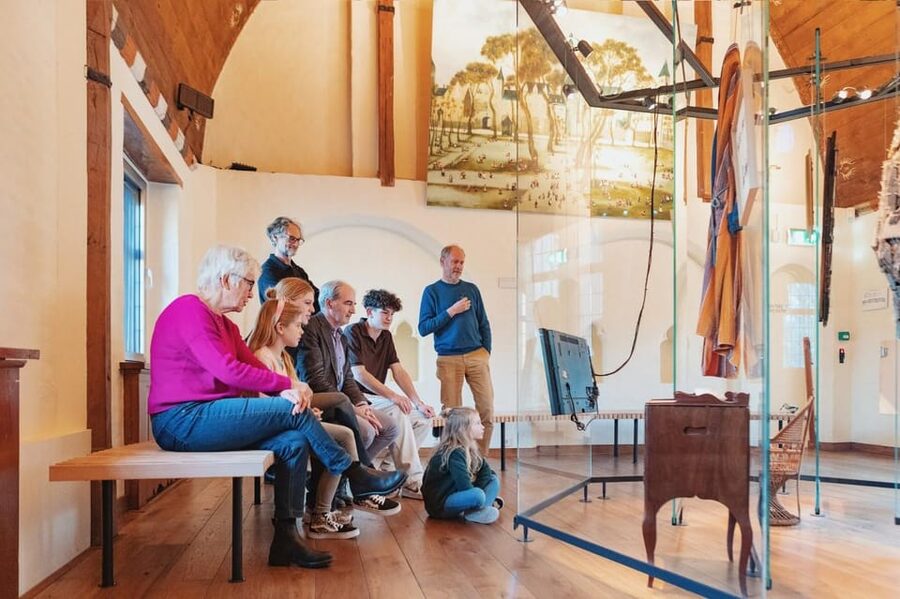
The ticket is valid for one day, so you have room to shape the visit around your schedule. The supplied details do not set a fixed visit length, and the museum’s size makes a rushed stop less satisfying.
If you have limited time in Middelburg, concentrate on the core exhibition, the Eighty Years’ War naval scenes, and the costume and jewelry displays. That combination gives you the clearest sense of the museum’s main strengths.
With more time, move through the archaeology, porcelain, silver, and overseas objects at a slower pace. The collection is varied, and you may find that a small object catches your attention more than the headline display.
The self-guided format is useful here. You are not tied to a timed group or a guide’s route. You can take a short visit, spend much longer with one room, or use the museum as a flexible stop during a day in Middelburg.
Keep in mind that a closed floor can affect your plans. The museum staff may not always be able to help with online check-in as smoothly as you expect. One recent visitor found the coffee shop staff member more helpful than the reception desk, so if you have a practical question, ask clearly and allow a little patience.
Is the $19 ticket good value?
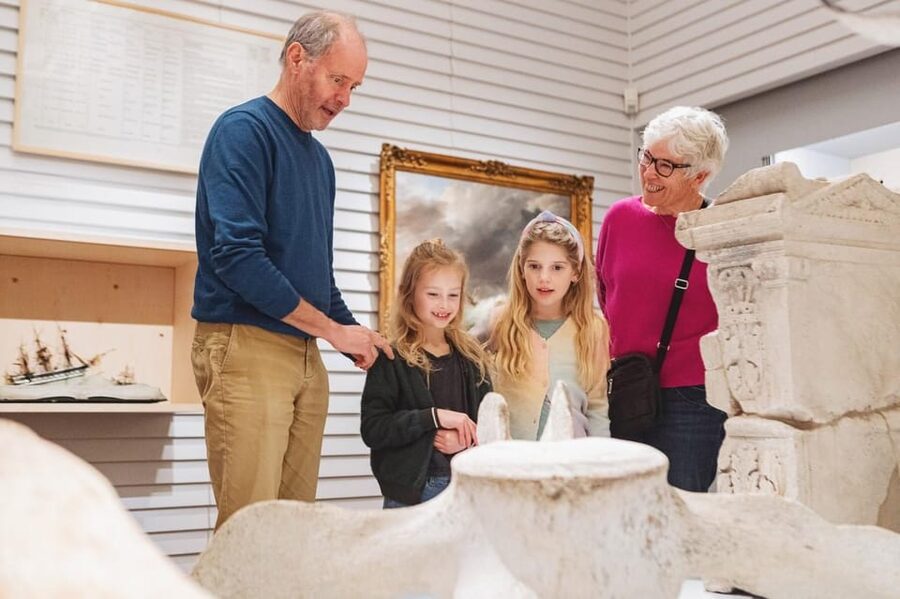
At $19 per person, this is not a throwaway museum stop, but the price can make sense if you plan to use the full day. You are paying for access to a large collection in a distinctive building, not for a short guided attraction.
The value is strongest for people who enjoy variety. You can see archaeology, historic battle scenes, costume, jewelry, porcelain, silver, and objects from abroad in one place. A narrow specialist museum may suit you better if you want only maritime history or only regional clothing, but the Zeeuws Museum gives you a fuller picture of Zeeland.
The ticket is less compelling if you want an organized tour with personal explanation. There is no guide included, and the visit depends on your own interest in reading, looking, and making connections.
It also helps that you can reserve now and pay later, with free cancellation up to 24 hours before the visit. That flexibility matters if your Zeeland plans depend on weather or changing transport arrangements. The ticket is valid for one day, and you should check availability for the current starting times.
Accessibility and practical points
The museum is wheelchair accessible, with an important condition: the wheelchair must have a maximum turning circle of 150 centimeters. If you use a wheelchair that meets that limit, the museum can provide one free of charge, but you need to reserve it in advance.
Mobility scooters are not allowed. Bags are also not allowed, so plan to travel light and check the current storage arrangements before arrival if you need to bring more than the essentials.
There is no guide included, and no guide names are provided for this experience. You should expect an independent museum visit rather than a tour led by a named expert.
The visit is listed for one day, but exact starting times depend on availability. Check those details when booking, especially if you are fitting the museum between other Middelburg plans.
Who will enjoy this museum most?
I would recommend the Zeeuws Museum to you if you like regional museums that mix serious history with everyday culture. It suits people who want to understand how a place developed, not just collect a few postcard views.
It is also a good choice for anyone drawn to costume, jewelry, design, or objects with a personal story. The fashion displays can make the museum especially rewarding if clothing and adornment interest you.
Families and mixed-interest groups may appreciate the broad range. One person can focus on naval scenes, another on jewelry, and another on objects from abroad. The lack of a guide gives everyone room to follow a different path.
You may want to skip it if you dislike self-guided museums, have only a few minutes in Middelburg, or need guaranteed access to a particular exhibition floor. The changing displays are part of the museum’s appeal, but they also mean the exact visit can vary.
Should you book the Zeeuws Museum?
Book it if you want a flexible, self-guided look at Zeeland through art, objects, clothing, conflict, and travel. The former abbey, the Eighty Years’ War naval scenes, and the well-liked jewelry collection give you several clear reasons to go, while the wider collection keeps the visit from feeling one-note.
Before paying $19, check the current exhibition status and confirm that the accessibility rules fit your needs. If you accept that no guide is included and a floor may occasionally be closed, this is a thoughtful and varied museum stop in Middelburg.
FAQ
Where is the Zeeuws Museum located?
The Zeeuws Museum is in Middelburg, in the Zeeland region of the Netherlands. It is based in a former abbey.
How much does admission cost?
The entry ticket costs $19 per person.
How long is the ticket valid?
The ticket is valid for one day. Check availability for the current starting times.
Is a guide included?
No. The activity includes an entry ticket only, and no guide is included.
What can I see inside the museum?
You can see archaeological finds, Eighty Years’ War naval scenes on large woven works, regional costume and jewelry, porcelain, silver, and objects brought home from abroad by Zeelanders.
Is the museum wheelchair accessible?
Yes, but the wheelchair must have a maximum turning circle of 150 centimeters. Wheelchairs can be borrowed free of charge if you reserve one in advance.
Are mobility scooters and bags allowed?
Mobility scooters and bags are not allowed.
Just added in the Netherlands
- Private Tour of The Hague, Delft and Rotterdam with Lunch★ 5.0 · 3 reviews
- Historical The Hague: Private Tour with Local Guide★ 5.0 · 6 reviews
- The Blue’s Clues in Delft Exploration Game and Tour★ 3.5 · 10 reviews
- The Hague Self-Guided Audio Tour★ 5.0 · 3 reviews
- Discover Historical Delft with an Audio Guide★ 5.0 · 3 reviews
- Taking Pictures in the Tulip Field at De Tulperij★ 4.5 · 35 reviews
- Delft 2-Hour Walking Tour | Discover The City With A Local★ 4.5 · 8 reviews
- 90 minutes Self Guided Walking Tour with puzzles in Den Haag★ 4.5 · 7 reviews
Museums, compared.

Moco Museum Amsterdam Entrance Tickets with Banksy & More
Read our review →
Browse the lists this tour appears in