

Reviewed · MUSEUMS
Garderen: Sandsculpture Exhibition Entry Ticket
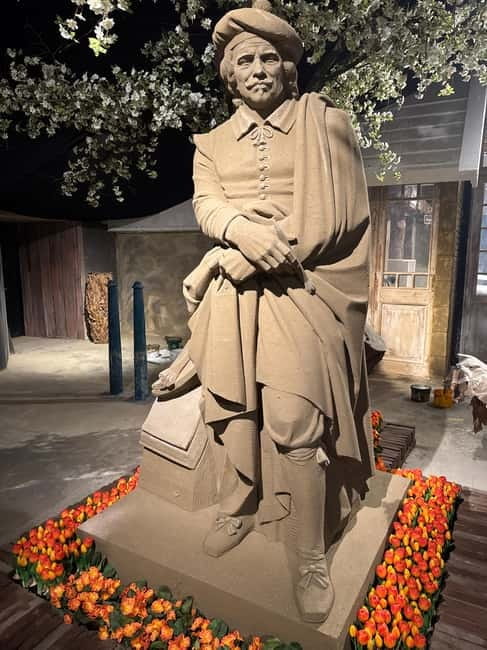
Amsterdam’s story is told here in an unusual material: sand. At De Beeldentuin Garderen, detailed sculptures lead you from a small fishing village through the Golden Age, canal building, wartime hardship, and modern city life. The result is part museum, part art show, and an easy outing for families.
I like the way art and history share the same path, so you can look closely at a sculpture and then read about the event or period it represents. I also like that your ticket includes the whole sculpture garden, giving you more than a three-hour indoor exhibition. The main thing to consider is time: the sand sculptures alone take about three hours, so this is not a quick stop.
Key points
- 750 years of Amsterdam: Follow the city from its fishing-village beginnings to its modern identity.
- Sand sculptures with a story: See famous landmarks, daily scenes, trade, canal building, and wartime moments in carefully shaped sand.
- Interactive displays: Use the added information to place each sculpture in its historical setting.
- Garden access included: Your ticket also covers De Beeldentuin Garderen and its surrounding garden.
- A practical family outing: The mix of visual art and short historical explanations works for different ages.
- Wheelchair-friendly park: The full park is accessible for wheelchair users.
Amsterdam’s story, shaped one grain at a time
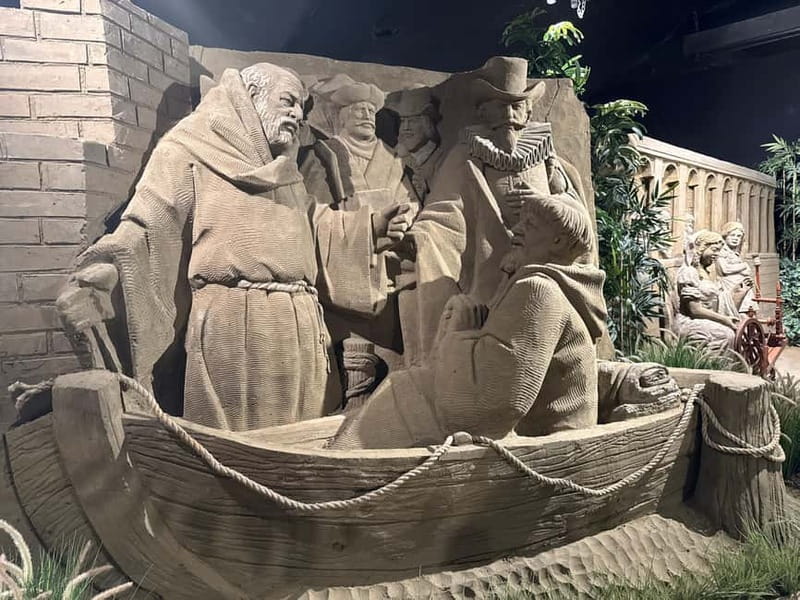
This exhibition gives you a fresh way to meet Amsterdam. Instead of moving through rooms of paintings, documents, or old objects, you follow a story told in sculpted sand. The material is temporary and fragile, which makes the careful detail even more striking.
You begin with Amsterdam’s earliest identity as a fishing village. From there, the displays trace the city’s growth into an important trade center. That change is one of the useful themes of the exhibition: the city did not appear fully formed. Its character developed through work, trade, construction, conflict, and daily life.
The presentation is broad rather than narrowly academic. You will see major events and recognizable parts of the city, but you will also find small scenes of ordinary life. That balance matters. Famous places give you quick visual reference, while everyday scenes help explain how the city functioned beyond its postcard views.
Other collections worth booking around the Netherlands:
- Amsterdam: Van Gogh Museum Ticket
★ 4.7 · 52,054 reviews - Moco Museum Amsterdam Entrance Tickets with Banksy & More
★ 4.4 · 10,088 reviews - Amsterdam: The Upside Down Museum Entrance Ticket
★ 4.4 · 9,506 reviews
From fishing village to Golden Age power
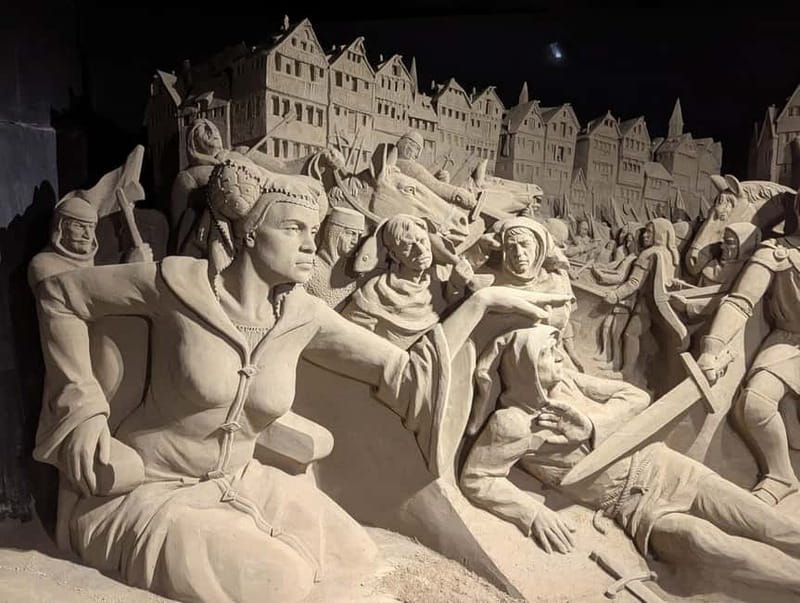
The early section sets up the city’s basic story. Amsterdam’s beginnings as a fishing village show a smaller settlement before it became a major center of commerce. Sand is well suited to this kind of large historical picture because the sculptures can show buildings, people, activity, and setting together.
As you continue, the exhibition moves into Amsterdam’s period of major trade and prosperity. The Golden Age is presented not just as a date in a schoolbook, but through scenes that suggest the movement of goods, people, and money through the city.
I appreciate this approach because it gives younger visitors something to look at while older ones consider the wider story. The sculptures provide the instant visual hook. The information panels and interactive displays add the facts and context.
You should not expect a full museum course on every period of Amsterdam’s past. The experience is designed to be clear and visual. If you want highly detailed scholarship about individual buildings or political events, you may want another Amsterdam museum as well. For a compact introduction, though, the format works well.
Canals, trade, and the city taking shape
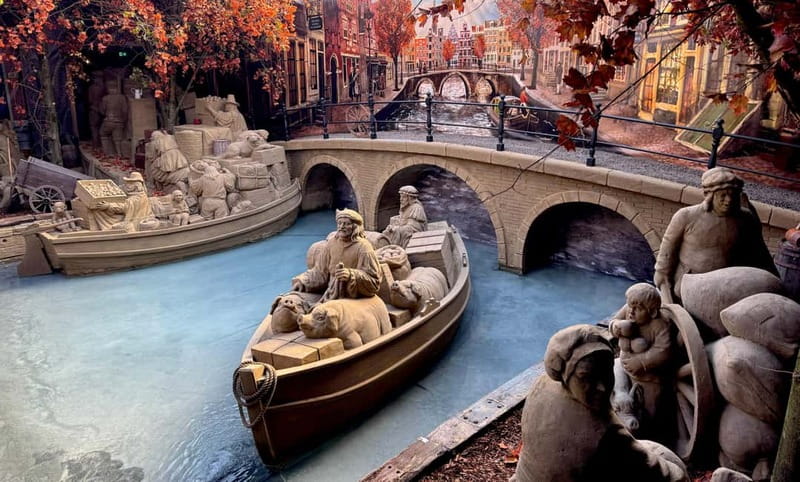
The construction of Amsterdam’s iconic canals is one of the exhibition’s natural highlights. Canals are such a central part of the city that it helps to see them as a planned response to growth, trade, transport, and urban space, rather than simply as pretty waterways.
The sand scenes can show the city as a whole, something that is hard to grasp when you are standing beside one canal in Amsterdam. You can compare the buildings, routes, and activity in a single view. That makes this part especially useful if you are preparing for a first visit to the Dutch capital.
Look closely instead of rushing past. Sand sculpture is easy to admire from a distance, but the smaller details reward you when you move nearer. Faces, clothing, building surfaces, and bits of street life help turn a general historical scene into something you can read.
The exhibition also gives you a chance to pause between subjects. There is no need to keep up with a guide or a fixed group schedule. You set your own pace, which is helpful for families and for anyone who likes to spend extra time with a particular sculpture.
Daily life beside famous landmarks

Amsterdam’s major landmarks make the exhibition easy to follow, but the scenes of daily life may be just as useful. They show the city through its people, work, movement, and routines. You might find that these smaller details hold your attention longer than the biggest sculpture.
This is where the exhibition feels most approachable. You do not need prior knowledge of Amsterdam to understand a street scene or recognize the visual clues of a busy trading city. If you already know Amsterdam, the displays give you a chance to connect familiar places with the events that shaped them.
The scale also helps. A city can feel confusing when you first arrive, with canals crossing streets and historic buildings packed close together. Here, the story is presented in a controlled setting. You can step back, see the larger scene, and then inspect the details.
Bring a camera. Photography is specifically suggested, and the sculptures offer plenty of unusual subjects. I would use your camera to record details you want to remember, not just wide shots of the full displays.
A few more things to do in the Netherlands worth a look
- Amsterdam: Heineken Experience Ticket
★ 4.6 · 30,055 reviews - Amsterdam: Rijksmuseum Entry Ticket
★ 4.7 · 25,535 reviews - Amsterdam: Icebar Entry Ticket with 3 Drinks
★ 4.2 · 14,562 reviews - Amsterdam: Keukenhof Ticket and Roundtrip Shuttle Transfer
★ 4.7 · 11,799 reviews
Wartime resilience and a more difficult past

The exhibition does not stop with Amsterdam’s prosperous periods. It also covers the city’s resilience through wartime. That gives the experience a necessary change of mood and prevents the story from becoming a parade of attractive buildings and commercial success.
A historical exhibition for families has to handle difficult subjects with care. Here, the wartime period forms part of the city’s wider story, alongside its growth and cultural life. The contrast helps you see that Amsterdam’s identity was shaped by hardship as well as prosperity.
The supplied information does not specify the exact scenes or text used for every wartime display, so you should expect an overview rather than a detailed war museum. Still, its presence adds weight to the exhibition. Amsterdam is shown as a city that changed under pressure and continued forward.
The interactive elements are useful here. They give you more than a quick look at a sculpture and help explain why a particular moment matters. If you are visiting with children, you can choose how much historical detail to discuss at each display.
Three hours in the sand sculpture exhibition
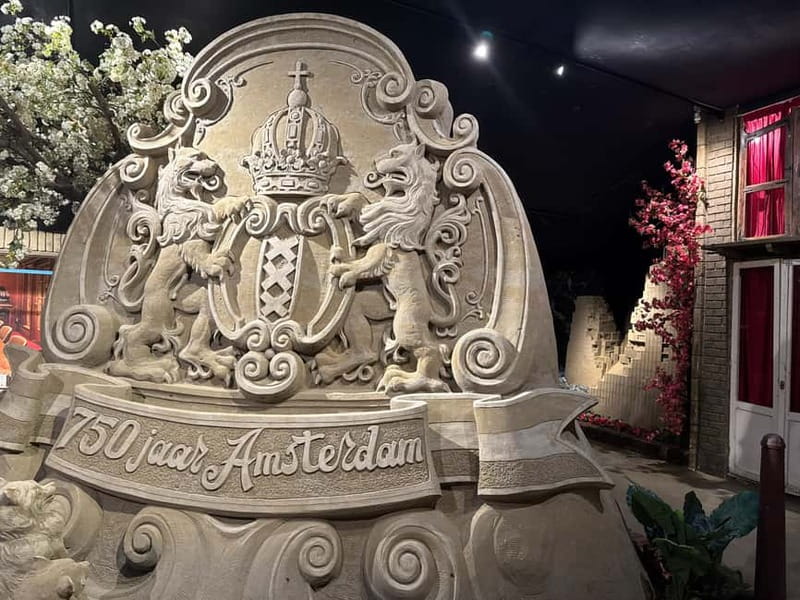
Plan for about three hours for the sand sculpture section alone. That is a substantial visit, especially when you add the garden and Beeldentuin access included with your ticket.
A sensible rhythm is to start with the broad story, then return to details that catch your eye. Read the explanatory material as you go, but do not feel that you must study every panel with equal care. The exhibition is at its best when you combine the large visual scenes with a few well-chosen facts.
Three hours also makes this a better planned outing than an accidental stop between other appointments. If you have young children, allow time for them to look closely and ask questions. If you are visiting as an adult group, you may move more quickly through familiar periods and spend longer with the sculpture work itself.
There is no stated fixed route or guided walking schedule. You receive entry for one day and can check availability for the available starting times. A host or greeter may assist in Dutch, English, or German, but the information provided does not identify individual guides.
De Beeldentuin Garderen adds value

The ticket includes free entry to De Beeldentuin and the garden, not only the sand exhibition. This is an important part of the value because you can extend the outing beyond the indoor or dedicated sculpture displays without paying for a second admission.
The garden gives you a change of pace after the historical scenes. Sand sculptures demand close attention. Garden paths offer a more open setting and a chance to reset before looking at more art.
The full park is wheelchair friendly, which makes the combined visit practical for more people. Accessibility can be a real problem at art sites with uneven outdoor paths, so this clear information is worth noting before you book.
The details about the garden itself are limited, so I would not plan the day around a particular plant collection or named feature. Think of it as included outdoor space that broadens the visit, not as a separate guided attraction with its own promised program.
Is $15 good value for a full day?

At $15 per person, the price is reasonable if you use both parts of the ticket. The sand sculpture exhibition is estimated at three hours, and garden entry is included. That gives you a substantial half-day outing at a cost below many major museum admissions.
The value is strongest for families and mixed-age groups. One person can focus on the historical content, another on the craft, and children can respond to the size and detail of the sculptures. The displays also make it easier to share the experience because you can point to a scene rather than explain an abstract date.
The price is less compelling if you only want a brief look at sand art. Since the exhibition takes time to appreciate and the garden is part of the package, I would avoid booking it as a rushed one-hour activity.
You also have some booking flexibility. You can reserve now and pay later, and cancellation is free up to 24 hours before the activity for a full refund. Those terms are helpful if your day in Gelderland is still changing.
Who will enjoy this Garderen outing most?
I would recommend it to families who want an activity that mixes looking, learning, and walking. The subject is familiar enough to interest adults, while the unusual material keeps the display accessible for children.
It also suits anyone who has already seen Amsterdam’s canals and wants more context. You can recognize the city’s visual identity while learning how its past is arranged into a larger story.
The experience is a good fit for art lovers who enjoy painstaking detail. Sand sculpture is not just a novelty here. The material has been used to build scenes with historical purpose, so you can look at technique and subject at the same time.
It may be less suitable if you want a quiet, formal museum focused on original historic objects. You will not be examining old documents or artifacts. You will be seeing artistic reconstructions and reading supporting information.
Practical details before you go
Set aside at least three hours for the sand exhibition, with extra time for the garden. The ticket is valid for one day, and you should check availability for the starting times before you commit to a particular schedule.
Dutch, English, and German support is available. That makes the attraction easier to use if you do not speak Dutch, though the supplied information does not promise a personal guide throughout your visit.
The park is wheelchair friendly. That applies to the full park, which is useful if you plan to combine the exhibition with the garden rather than leaving after the indoor display.
Bring a camera. Alcohol and drugs are not allowed, and nudity is not allowed. These are simple rules, but knowing them in advance keeps an otherwise easy visit uncomplicated.
One small human touch can shape the arrival. A group has been welcomed with music playing, so the greeting may feel more lively than a standard ticket check. The information does not promise music at every arrival, but it suggests that group welcomes can include that kind of extra touch.
Should you book the sand sculpture exhibition?
Book it if you want a relaxed half-day outing with a clear theme, strong visual appeal, and enough material to keep both adults and children interested. The $15 price makes good sense when you allow time for the three-hour exhibition and use the included garden access.
I would skip it only if your schedule is too tight for more than a quick stop, or if you prefer original museum objects to artistic recreations. For most people looking for something different in Gelderland, this is a practical choice: unusual art, a useful introduction to Amsterdam’s past, and a wheelchair-friendly park in one admission.
FAQ
How long does the sand sculpture exhibition take?
The average visit duration for the sand sculptures is about three hours. You should allow additional time if you also want to explore the garden and Beeldentuin.
What does the ticket include?
The ticket includes entry to the sand sculpture exhibition, De Beeldentuin, and the garden.
Is the park wheelchair accessible?
Yes. The full park is wheelchair friendly.
Which languages are available?
Host or greeter assistance is available in Dutch, English, and German.
Can I cancel my booking?
Yes. You can cancel up to 24 hours in advance for a full refund.
Can I reserve now and pay later?
Yes. You can reserve your place and pay later, which allows more flexibility when planning your visit.
Just added in the Netherlands
- Private Tour of The Hague, Delft and Rotterdam with Lunch★ 5.0 · 3 reviews
- Historical The Hague: Private Tour with Local Guide★ 5.0 · 6 reviews
- The Blue’s Clues in Delft Exploration Game and Tour★ 3.5 · 10 reviews
- The Hague Self-Guided Audio Tour★ 5.0 · 3 reviews
- Discover Historical Delft with an Audio Guide★ 5.0 · 3 reviews
- Taking Pictures in the Tulip Field at De Tulperij★ 4.5 · 35 reviews
- Delft 2-Hour Walking Tour | Discover The City With A Local★ 4.5 · 8 reviews
- 90 minutes Self Guided Walking Tour with puzzles in Den Haag★ 4.5 · 7 reviews
Museums, compared.

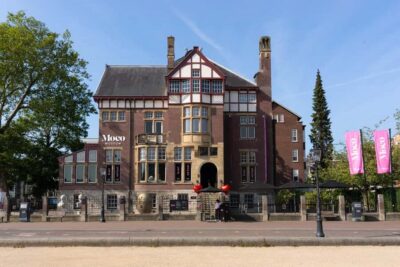
Moco Museum Amsterdam Entrance Tickets with Banksy & More
Read our review →




Browse the lists this tour appears in