
Reviewed · MUSEUMS
Amsterdam Museum of the Canals Admission Ticket with Audiotour
Amsterdam’s canal story comes alive inside a 17th-century canal house, where classical rooms, scale models, and clever projections explain how the city was planned and built. I like the way the museum turns engineering into something easy to follow, and I like that the audio tour works alongside physical models rather than replacing them. The main drawback is its short running time: some parts of Amsterdam’s past pass by quickly if you want a full historical study.
I especially appreciate the interactive sections, including a projected dollhouse presentation, and the fact that you can book ahead for guaranteed entry at a busy central attraction. The museum is a good choice after you have walked the canals for a day or two, though its listed opening information shows Monday hours from noon to 5 p.m., so you should check the schedule carefully before setting out.
Key points at a glance

- A canal house setting: The museum occupies a historic home on Herengracht, one of Amsterdam’s best-known canals.
- A one-hour city lesson: The permanent multimedia tour gives you a compact explanation of Amsterdam’s growth and canal construction.
- Models and projections: Scale models show construction methods, while the projected dollhouse adds a playful visual element.
- Audio in your chosen language: The audio guide is multilingual, with English offered through the booking information.
- A useful prebooking option: Your advance ticket guarantees entry, a practical benefit for a popular central attraction.
- A flexible cancellation policy: Cancel at least 24 hours before the start time for a full refund.
Herengracht 386, where the canal story begins
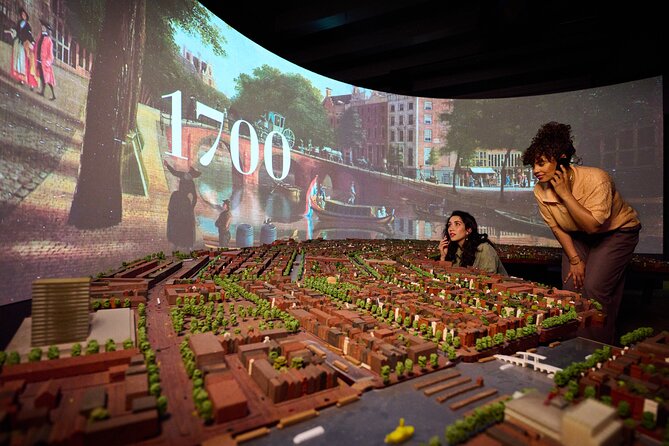
The Museum of the Canals is at Herengracht 386, in the center of Amsterdam. That address matters because you are not learning about the canal district from a modern exhibit hall far from the water. You are entering one of the canal houses that helps explain the city’s original urban character.
The setting gives the visit a clear sense of place. Amsterdam’s Canal Ring is listed as a UNESCO World Heritage site, and the museum focuses on why this network of waterways was created, how it shaped the city, and how Amsterdam grew around it.
I would visit after spending some time on the canals themselves. A boat ride or a walk can show you the graceful façades and long stretches of water, but it may leave you wondering how the city was planned and built. This museum supplies that missing framework in a fairly short visit.
The museum is also suitable for different ages. Children can follow the models and projections, while adults can focus on the planning, construction, and historical development of the city. It is not a formal guided walk, so you can move through the presentation at your own pace.
More Museums in Amsterdam
- Amsterdam: Van Gogh Museum Ticket
★ 4.7 · 52,054 reviews - Moco Museum Amsterdam Entrance Tickets with Banksy & More
★ 4.4 · 10,088 reviews - Amsterdam: The Upside Down Museum Entrance Ticket
★ 4.4 · 9,506 reviews
What you see during the one-hour visit
The visit centers on a permanent multimedia tour through the canal house. You move from room to room, using the audio guide and displays to follow Amsterdam’s development.
The historical explanation begins with the city and its canals rather than with a single famous building. That is useful because the Canal Ring is not just a scenic backdrop. It is the result of planning, construction, and changing needs over time. The museum helps connect the water outside with the decisions that shaped the streets and buildings around it.
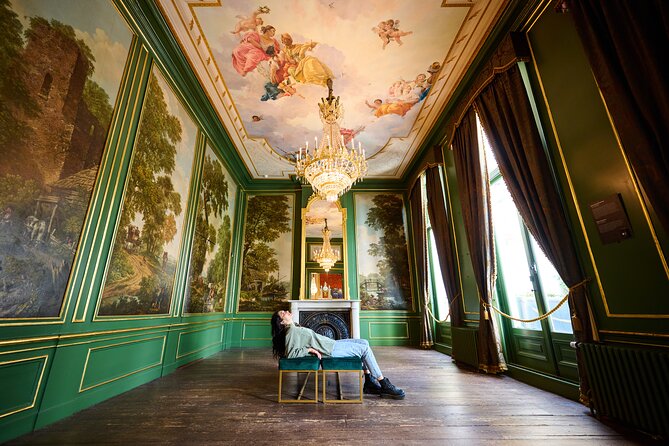
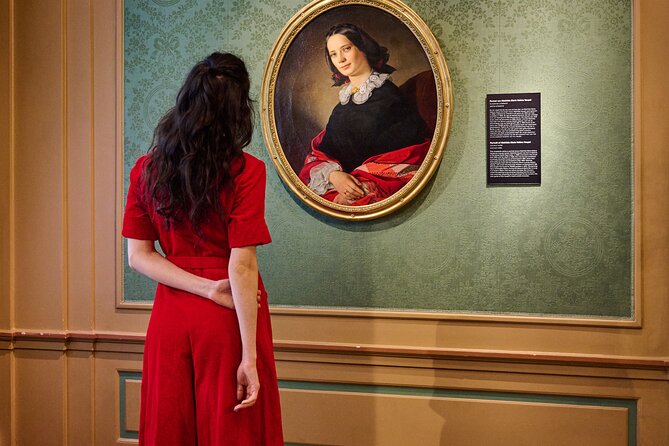
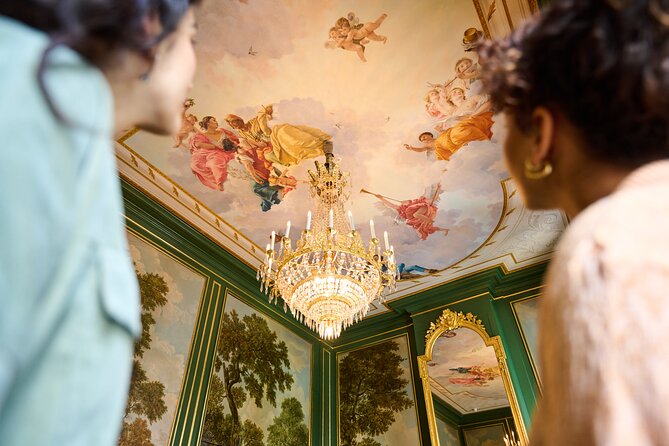
Classical period rooms add atmosphere without turning the visit into a simple house tour. They show the type of setting in which Amsterdam’s canal story unfolded. The mix of historic interiors and modern media keeps the experience from feeling like a long sequence of text panels.
Allow about an hour, though your pace may vary. If you listen to every part of the audio tour and stop at each model, you may use the full time. If you are traveling with children or mainly want the broad story, you can move more quickly.
The compact format is both a strength and a limit. You get a clear introduction without spending half a day indoors, but individual parts of Amsterdam’s history may receive only a short explanation. I would not treat this as the city’s only historical museum. I would treat it as a focused lesson about the Canal Ring.
Models that show how Amsterdam was built
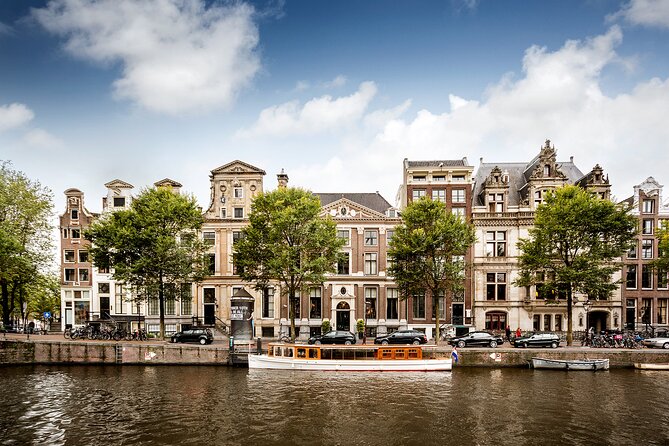
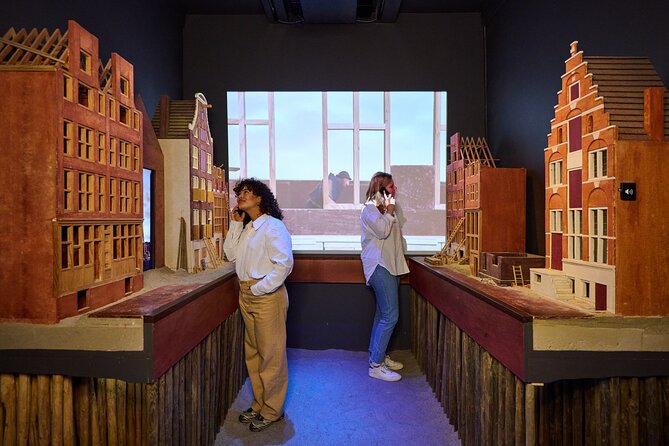
One of the best features is the use of models to explain construction methods. A model can make the city’s planning easier to understand than a paragraph of written information. You can see how streets, canals, and buildings relate to one another, rather than trying to picture the process from dates alone.
This is especially helpful if you have already admired Amsterdam’s orderly canal layout but have not thought much about how such a large urban project was carried out. The museum gives you a physical sense of the work involved and the way the city was organized.
The displays also help younger visitors stay involved. A full historical lecture can lose a child’s attention quickly. Models offer something to look at while the audio explains what is happening.
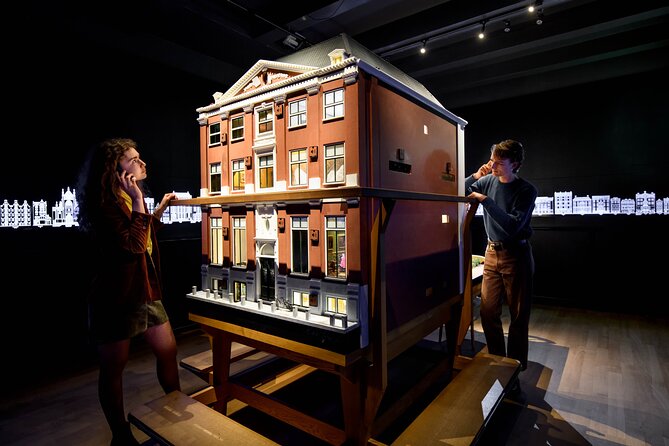
A particularly memorable feature is the projected presentation in the dollhouse. It uses the scale of the house as part of the display, making the story feel more visual and less like a standard museum talk. I would make sure not to rush through this section.
The museum uses technology as a tool, not as a replacement for the building itself. That balance works well. You get the character of old rooms along with moving images and recorded explanations.
The audio tour and language choice
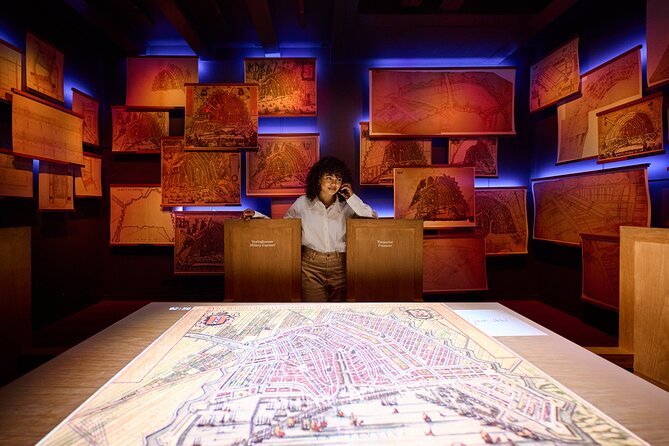
The permanent tour includes a multilingual audio guide, and the booking information offers English. This gives you a more controlled visit than a fixed talk. You can listen in the language you choose and spend extra time with the parts that interest you.
An audio tour also works well for a small museum with several short displays. You are not waiting for a guide to gather a group, and you are not tied to a set presentation time once inside. The experience remains personal, even though the subject is broad.
The supplied information does not name individual audio guides, so you should not expect a host-led tour with a particular person. This is a self-guided multimedia visit. That suits me when I want historical context but also want to set my own pace.
The tradeoff is that an audio tour can feel less interactive than a live guide. If you want to ask detailed questions about architecture, city planning, or specific canal houses, this may feel limited. The museum’s models and projected displays help fill that gap, but they do not replace conversation.
Other collections worth booking around Amsterdam:
- Amsterdam: Red Light Secrets Museum Entry Ticket
★ 4.2 · 5,722 reviews - Amsterdam’s Weirdest Museum: Believe It or Not!
★ 4.5 · 4,086 reviews - Amsterdam: Van Gogh Museum Ticket and City Canal Cruise
★ 4.6 · 3,899 reviews - Amsterdam: Rembrandt House Museum Entrance Ticket
★ 4.7 · 3,385 reviews
Why the timing matters
The visit lasts about one hour, making it easy to fit between other central Amsterdam plans. You can use it as a morning or afternoon stop rather than building an entire day around it.
The listed opening information shows Monday hours from 12 p.m. to 5 p.m. for the stated operating period, which runs from May 16, 2024, through December 8, 2026. Because the available schedule is specific, I would check the current opening time before heading to Herengracht 386.
That timing is an important practical point. A small museum can be easy to overlook when you are moving through Amsterdam’s busy center, and arriving outside its open hours would waste a trip across town. Your confirmation is received at booking, but you still need to check the museum’s operating schedule.
The average booking point is 11 days before the visit. That suggests many people plan this stop ahead, and prebooking is useful if you want guaranteed entry. It also gives you a little structure in a city where daily plans can otherwise drift from one canal to the next.
Is the $22.29 price fair?
At $22.29 per person, this is not a free quick stop, but the value depends on how much you want historical context. You are paying for entry to a central museum, a permanent multimedia tour, an audio guide, the period rooms, the garden, and changing exhibitions.
I see the strongest value for people who are genuinely curious about Amsterdam’s canal construction. The models and projections offer more than a simple room-by-room history display, and the one-hour length keeps the cost from turning into an all-day commitment.
The value is less convincing if you only want a broad city overview. Some historical subjects are handled in quick bursts, and you may leave wanting more detail. If you already know Amsterdam’s development well, the visit may feel introductory.
Still, the ticket includes the complete museum experience rather than only access to a single exhibit. The central location also makes it easier to combine with other sightseeing, though the price should be judged on the museum itself rather than on nearby attractions.
The prebooking benefit matters too. Guaranteed entry can be worth paying for when you have limited time in Amsterdam and do not want to gamble on availability. The group size is capped at 12 people for this activity, which supports a calmer visit, even though the tour itself is self-guided.
Who will enjoy this museum most?
I would recommend it to first-time visitors who want to understand the city beyond its pretty façades. After you have seen the canals in person, the museum can answer practical questions about their purpose and construction.
It also suits history lovers who prefer objects and visual explanations to long written panels. The construction models, projections, and period rooms give you several ways to follow the story.
Families may find the multimedia approach easier than a traditional history museum. The information remains useful for adults, while the visual displays give younger visitors something concrete to watch.
The museum is less suitable for someone seeking a long, highly detailed study of Amsterdam. The visit is designed as a compact introduction. You will get a good outline of the Canal Ring, but certain parts of the city’s past move on before every question is answered.
I also think it works well for visitors with a tight itinerary. One hour is long enough to add substance to your sightseeing without taking over the day.
Practical details before you book
The starting point and ending point are the same: Herengracht 386, 1016 CJ Amsterdam. The activity is near public transportation, and most people can participate. Service animals are allowed.
The ticket is mobile, so you do not need a printed voucher based on the information provided. The experience is offered in English, while the audio guide is described as multilingual. If language is important to your plans, check the available selection when booking.
Free cancellation is available if you cancel at least 24 hours before the start time. A cancellation made within 24 hours is not refunded, and changes within that period are not accepted. The cut-off follows Amsterdam local time.
The provider is Grachtenmuseum Amsterdam. You can book through Viator, which is described as a trusted platform for purchasing directly from the museum.
My call: book it for context, not a full history course
I would book the Museum of the Canals if you want to understand how Amsterdam became the city you are walking through. The period rooms, construction models, and projected dollhouse give the one-hour visit a useful mix of history and visual interest.
Book it especially if you have already spent a day or two exploring Amsterdam and want the canals to make more sense. The museum will not cover every part of the city’s past in detail, but it gives you a clear foundation and fits neatly into a sightseeing day.
If you prefer live guides, long historical talks, or highly detailed exhibits, you may find the format too brief. For most first-time visitors who value a focused, well-priced introduction, the guaranteed entry and compact multimedia tour make this a sensible addition to an Amsterdam itinerary.
FAQ
Where does the Museum of the Canals experience start?
It starts at Herengracht 386, 1016 CJ Amsterdam, Netherlands.
Where does the experience end?
The activity ends back at the meeting point at Herengracht 386.
How long does the visit take?
The visit lasts approximately one hour.
What language is the audio tour available in?
The audio guide is multilingual, and English is offered through the booking information.
Is admission included?
Yes. Admission to the Museum of the Canals is included.
What are the listed opening hours?
The listed schedule shows Monday opening hours from 12 p.m. to 5 p.m. for the stated operating period. Check the current schedule before visiting.
Can I cancel for a full refund?
Yes. You can receive a full refund if you cancel at least 24 hours before the experience start time. Cancellations within 24 hours are not refunded.
Just added in Amsterdam
- Guided Day Trip – Volendam, Zaanse Schans, Marken & Edam★ 4.0 · 232 reviews
- Private Tour Zaanse Schans Windmills and Volendam in Jaguar★ 5.0 · 10 reviews
- Zaanse Schans and Giethoorn Unique Day Trip with Boat Cruise★ 4.5 · 17 reviews
- Half-Day Private Guided Sightseeing Tour of Zaanse Schans★ 5.0 · 14 reviews
- Zaanse Schans Private Tour Windmills★ 5.0 · 18 reviews
- Private bike tour: Hidden gems around Amsterdam and surroundings★ 5.0 · 4 reviews
- Bike tour in Amsterdam with an Italian guide★ 5.0 · 15 reviews
- Amsterdam Sightseeing Tour + Hidden Gems + Tastings + PDF guide★ 5.0 · 35 reviews
Museums, compared.

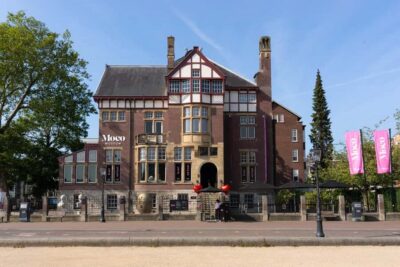
Moco Museum Amsterdam Entrance Tickets with Banksy & More
Read our review →




Browse the lists this tour appears in