
Reviewed · VAN GOGH MUSEUM TICKETS
Rembrandt & Van Gogh Amsterdam walking experience
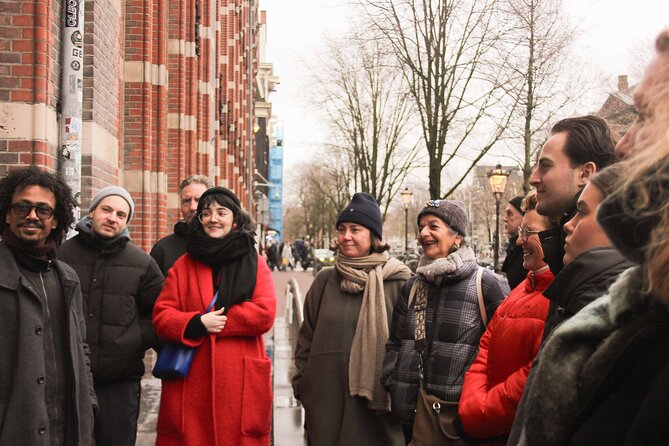
Amsterdam makes more sense when you connect its streets with the paintings created there. This two-hour walk links Rembrandt, Van Gogh, Vermeer, and Frans Hals with Amsterdam’s canals, bridges, churches, and old neighborhoods. I like the small maximum of 15 people, and I like that guides use pictures of the art while standing in the places that shaped it.
I also like the relaxed pace and the chance to ask questions along the way. Guide Manouk has been especially attentive, even adjusting her speaking style for a visitor with hearing loss. The main drawback is simple: this is an outdoor introduction, not a museum visit, and the Rijksmuseum ticket costs €22.50 extra.
Key points to know before you book
- The route ties paintings to real Amsterdam places, so art feels less abstract and more connected to the city.
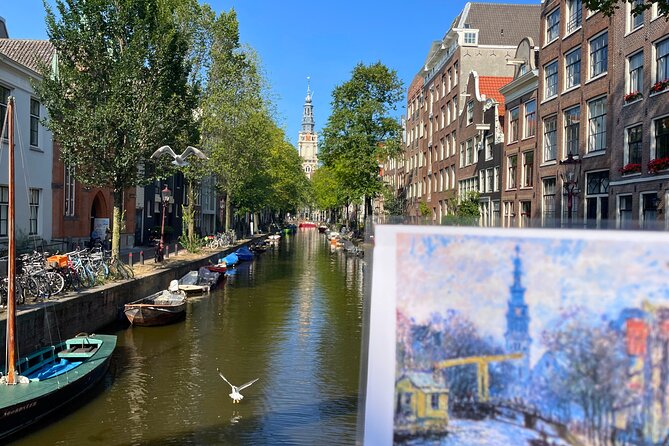
- Guide Manouk brings printed images, making it easier to follow the discussion outside a gallery.
- The group is capped at 15 people, a useful middle ground between a private tour and a large crowd.
- The walk ends at Blauwbrug, between Rembrandt Square and Waterloo Square, handy for continuing your afternoon.
- The Rijksmuseum is not included, but the walk can give you useful context before your museum visit.
- The tour is in English, lasts about two hours, and uses a mobile ticket.
Why this art walk works in Amsterdam
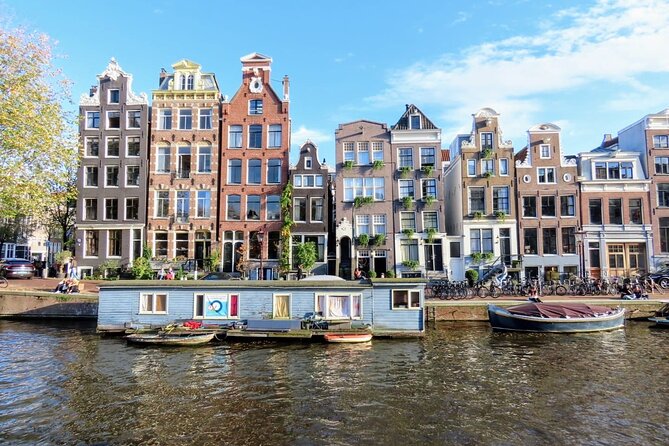
Amsterdam is often treated as a city of canals, bicycles, and narrow houses. Those sights are pleasant enough, but the city becomes more interesting when you understand how painters saw it. This tour uses familiar streets as an outdoor art lesson, showing you the settings, trades, buildings, and social changes behind Dutch painting.
You are not simply told that Rembrandt was important. You hear about the places tied to his work and the art market that helped him succeed. You also get a sense of how Italian painting influenced Dutch artists, how Vermeer fits into the larger picture, and why Frans Hals matters to Amsterdam’s story.
The tour is best viewed as preparation for the Rijksmuseum rather than a substitute for it. You will not stand in front of the original paintings during the walk. Instead, you build a mental map first, then visit the museum with more useful questions in mind.
That order can work well. The Rijksmuseum can feel crowded with famous names and masterpieces competing for attention. After this walk, you may recognize subjects, techniques, and connections that would otherwise pass by unnoticed.
More Walking Tours in Amsterdam
- Anne Frank’s Story – Guided Walking Tour through Amsterdam
★ 5.0 · 11,619 reviews - Amsterdam: Life of Anne Frank and World War II Walking Tour
★ 4.8 · 10,467 reviews - Absolutely Amsterdam – the Essential Introductory Walking Tour
★ 5.0 · 3,629 reviews
Starting at Prins Hendrikkade and the Weeping Tower
The meeting point is Prins Hendrikkade 95, in central Amsterdam. Your mobile ticket and confirmation are provided at booking, and the tour is offered in English. Since the starting point had caused some confusion for one couple, I would check the address carefully before setting out and arrive with enough time to find the guide.
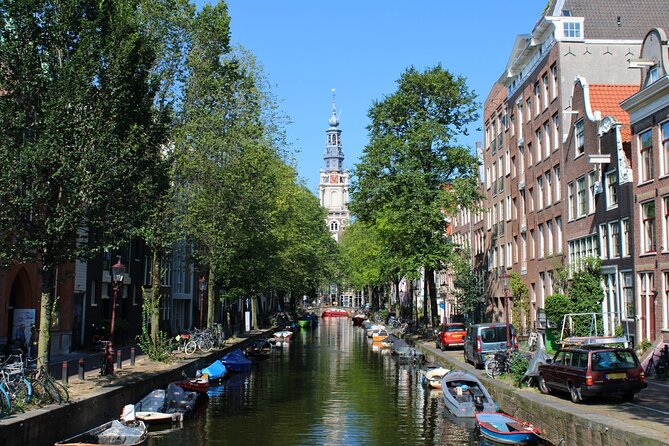
The first stop is the Weeping Tower, with about 15 minutes set aside for the visit. The focus here is on the scenes that attracted famous painters and on one of Amsterdam’s striking views. This is a promising opening because it sets the tone: the city itself becomes the subject, not just a backdrop between museum stops.
You should have a camera ready. The tour includes several chances for photographs, and the opening view gives you a quick sense of Amsterdam’s old center. The stop is free, with no admission ticket required.
The tour does not appear to rush you from point to point. Fifteen minutes is long enough for a focused explanation and a few photos, though it is not enough for a full historical lecture. That is a fair trade on a two-hour walk.
Nieuwmarkt and the city painters saw
The next 15-minute stop is Nieuwmarkt. Here again, the guide connects the surrounding scenes with the painters who found material in Amsterdam. The value is not only the view. You begin to see how working streets, civic buildings, and public spaces could become part of an artist’s visual world.
Nieuwmarkt also helps you get your bearings. If Amsterdam is new to you, an early walking tour can make later exploring easier. You learn the basic relationship between the old center, the waterways, and the route toward the museum district.
The experience is deliberately light on formal entry tickets. You are walking through public places, listening, looking, and taking photos. That keeps the tour simple, but it also means the quality depends heavily on the guide’s ability to tell a clear story.
The available feedback points to Manouk’s enthusiasm and preparation as a major strength. She brings images of the art, which matters outdoors. A painting discussed without a visual reference can become a blur of names. With a picture in hand, you can connect the details to the places around you.
Trippenhuis and the road toward the Rijksmuseum
Trippenhuis gets another 15-minute segment. The discussion includes who Rembrandt painted there, along with the history of the Rijksmuseum and the notable people connected with its earlier story.
This is one of the tour’s most useful links for museum-goers. The Rijksmuseum is not simply a large building filled with paintings. Its collections and public role developed over time, and learning a little about that background can make the museum feel less overwhelming.
The tour does not include entry to the Rijksmuseum. Admission is listed separately at €22.50 per person. That extra cost is worth considering in relation to your plans. If you already intend to visit the museum, the walking tour adds context. If you are not planning to go inside, the outdoor route still offers value, but you will miss the original works that give the discussion its full payoff.
I would schedule the museum for later the same day or the following day, while the names and themes are still fresh. The walk is specifically well suited to people who want an introduction before seeing the collection.
Other ways into the Van Gogh Museum from Amsterdam:
- Amsterdam: Van Gogh Museum Ticket
★ 4.7 · 52,054 reviews - Amsterdam: Van Gogh Museum Ticket and City Canal Cruise
★ 4.6 · 3,899 reviews - Amsterdam: Van Gogh Museum Ticket & Canal Cruise
★ 4.5 · 3,304 reviews - Van Gogh Museum Amsterdam Exclusive Tour w/ Reserved Entry
★ 5.0 · 1,760 reviews
South Church and the Italian influence on Dutch painting
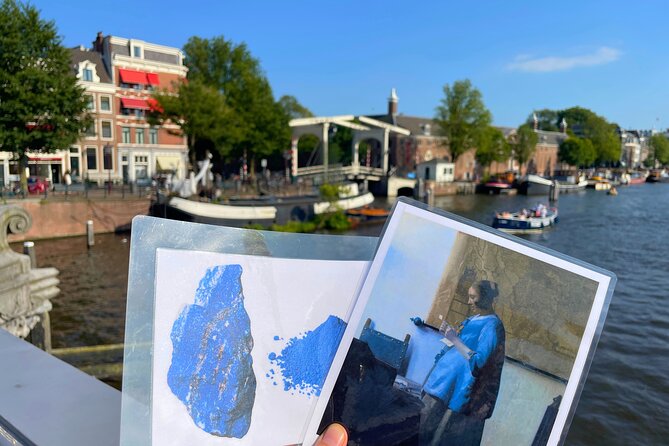
South Church receives roughly 15 minutes. The guide explains how Italy influenced Dutch painting in the 17th century and discusses the technique that helped Dutch artists gain fame.
This stop adds welcome depth to a tour that could otherwise become a parade of famous names. Art does not develop in isolation. Dutch painters absorbed ideas from elsewhere and reshaped them for their own audience, market, and surroundings.
You do not need to be an art specialist to benefit from this section. The point is to give you a way to look. Notice how an artist handles light, space, people, or everyday life, then consider how those choices connect to wider European trends.
The church is also a useful reminder that Amsterdam’s art story is tied to its buildings and public life. You are learning outdoors, but the subject remains more than scenery. It is about the habits, money, faith, and taste that shaped what artists made.
Rembrandt’s former home and the Dutch art market
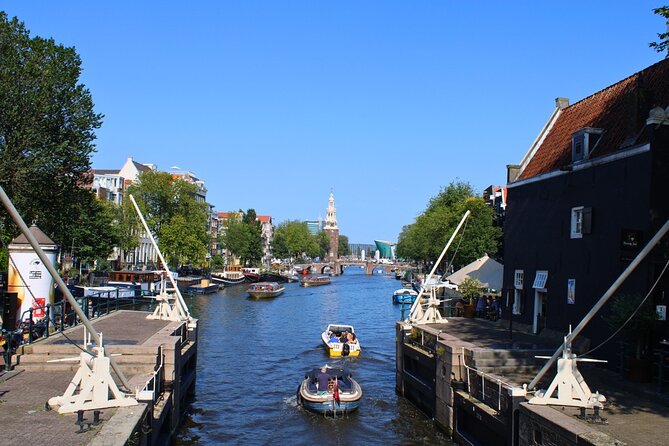
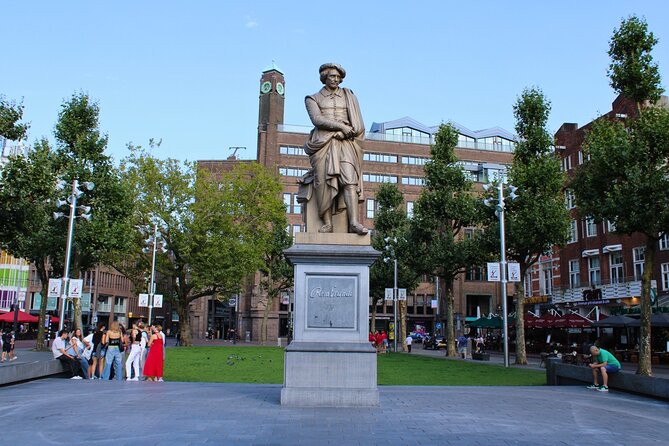
The stop at Museum Het Rembrandthuis lasts about 15 minutes. You explore the former site of Rembrandt’s 17th-century home and learn about the Dutch art market that supported his success.
The wording matters here. You are visiting the location connected with the house, not receiving admission to the museum as part of this walk. If you want the indoor Rembrandt experience, you would need to arrange that separately.
Still, the outdoor explanation can give the building more meaning. Rembrandt is often presented as a lone genius, but his career also depended on buyers, commissions, collectors, and a market willing to pay for art. That business side helps explain both his fame and his place in Amsterdam’s cultural life.
I like this stop because it moves beyond biography. You are not just hearing where Rembrandt lived. You are considering how an artist made a living and how Amsterdam’s commercial strength helped create demand for paintings.
Oudemanhuispoort and Vermeer’s wider world
Oudemanhuispoort is given about 10 minutes. The subject shifts to Vermeer and to a famous collection now displayed at the Rijksmuseum.
This is a shorter stop, so expect a compact explanation rather than a full account of Vermeer’s career. Its purpose is to widen the story. The walk is not only about Rembrandt, even though he receives much of the attention. Vermeer helps show the range of Dutch painting and the different ways artists handled domestic life, light, and quiet observation.
For me, this is where the Rijksmuseum connection becomes especially practical. If you plan to visit the collection, keep this section in mind when you reach the galleries. The outdoor tour gives you names and themes, while the museum gives you the original works.
Staalstraat, French influence, and Amsterdam trade
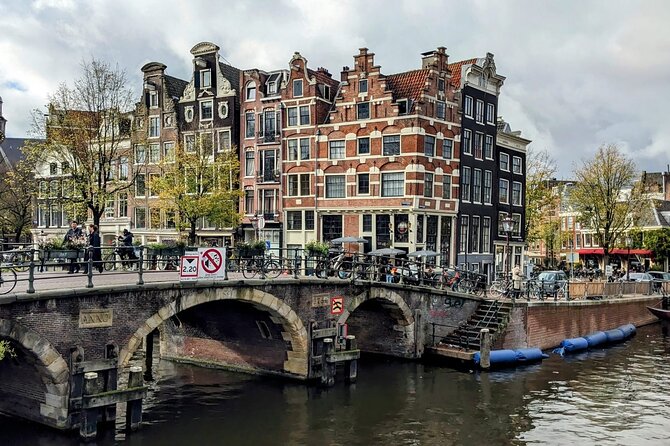
At Staalstraat, the tour spends around 10 minutes discussing the French painter who drew inspiration from Dutch masters and one of Amsterdam’s important industries.
This stop links local art to later international influence. It also returns art to everyday commerce. Amsterdam’s creative life was tied to the city’s trades and business networks, not separated from them.
The details supplied for this stop are intentionally broad, so your guide’s explanation will carry much of the interest. That is not a flaw, but it is worth knowing. If you prefer a tour built around long museum time and precise object labels, this route may feel too conversational. If you like connecting art with streets and city life, the format should suit you.
Tivoli Doelen Amsterdam Hotel and Frans Hals
The Tivoli Doelen Amsterdam Hotel receives another 10 minutes. Here you learn about the masterpiece linked with the site and the only painting Frans Hals created in Amsterdam.
This is an intriguing stop because it brings in a painter who is often associated more strongly with Haarlem. The mention of a specific Amsterdam work gives the discussion a clear anchor and shows how artists moved between cities and commissions.
Again, the walk does not put you in front of the original painting. You are using the location as a prompt for the story. Manouk’s practice of carrying pictures is especially useful at points like this, since you can see what the guide is describing rather than relying only on memory.
Finishing at Blauwbrug with a city view
The final stop is Blauwbrug, with about 10 minutes for the visit. The guide explains what painter used this location and points out another impressive Amsterdam view.
The tour ends here, in the center between Rembrandt Square and Waterloo Square. That is a practical finish. You are not left at an isolated suburb or required to retrace the route. You can continue sightseeing, look for lunch, or move on to another central attraction.
The ending also gives the walk a visual finish. After two hours of streets, buildings, artists, and art-market stories, you get another chance to look at Amsterdam as a painter might. Bring a phone or camera, but keep it secondary to the view.
Group size, pace, and practical comfort
The maximum group size is 15 people. That is small enough for a more personal feel without the price or fixed schedule of a private guide. A group of this size should also make it easier to hear explanations and ask questions, though city noise and passing bicycles are still part of any Amsterdam walking route.
The total duration is about two hours. That makes it easy to fit into a first full day, especially if you want a gentle introduction before tackling the Rijksmuseum. You should wear comfortable shoes, since the experience moves through central streets and public spaces, though the supplied information does not give a precise distance or walking surface.
The tour is near public transportation, and most people can participate. Service animals are allowed. No separate accessibility details are provided, so if you need specific arrangements, ask the provider before booking rather than assuming every stop will suit your needs.
The relaxed style is a key part of the appeal. One especially useful detail is Manouk’s care with communication. She spoke clearly and directly to a visitor with hearing loss, showing the kind of personal attention that can make a small-group tour work well.
Is the price good value?
The tour price itself is not provided here, so I cannot judge it against a stated booking cost. I can judge what you receive: a two-hour English walk, a local guide, an intimate group capped at 15, art connections across nine central stops, and a useful lead-in to the Rijksmuseum.
The separate €22.50 Rijksmuseum admission is the main extra cost. Think of the two purchases as different experiences. The walk gives you place, context, and a guide’s interpretation. The museum gives you original paintings and more time with them.
For someone already planning a Rijksmuseum visit, the combination can make sense. For someone mainly interested in casual sightseeing, the walking tour still offers good city orientation, but the art discussion may be more detailed than necessary.
Who should book this Amsterdam art walk?
I would recommend it to first-time visitors who want to get their bearings while learning why Amsterdam matters to European art. It also suits people who are curious about Rembrandt but do not consider themselves art experts. The relaxed explanations are designed to make the subject approachable.
It is a good match for couples, solo visitors, and small groups who prefer conversation over a large scripted tour. The personal exchanges described by the guide, including recommendations for lunch, a canal cruise, and apple tart, suggest that you can also get useful local suggestions at the end.
I would think twice if you want a long indoor museum visit, a detailed examination of original paintings, or a tour focused only on Van Gogh. The route includes Van Gogh in its title and covers Dutch art more broadly, but the listed stops place strong emphasis on Rembrandt, Vermeer, Frans Hals, the Rijksmuseum, and Amsterdam’s artistic setting.
Should you book it?
Book this walk if you want Amsterdam’s art to feel connected to real streets rather than locked inside museum walls. The strongest reasons are the small group, Manouk’s prepared and attentive guiding style, the visual aids, and the final location near Rembrandt Square and Waterloo Square.
Skip it if you want admission to the Rijksmuseum included or if your main goal is to spend two hours viewing original art. For most first visits, though, this is a useful opening lesson. Take the walk first, then visit the Rijksmuseum with a better sense of what you are looking at.
The cancellation policy is friendly if your plans change: cancel at least 24 hours before the local start time for a full refund. Cancellations or changes made within 24 hours are not refunded or accepted.
FAQ
How long does the Rembrandt and Van Gogh Amsterdam walking experience last?
The tour lasts approximately two hours.
In which language is the tour offered?
The experience is offered in English.
Where does the tour start?
It starts at Prins Hendrikkade 95, 1012 AE Amsterdam, Netherlands.
Where does the tour end?
It ends at Blauwbrug, 1011 PT Amsterdam, between Rembrandt Square and Waterloo Square.
Is the Rijksmuseum admission included?
No. Rijksmuseum admission is separate and listed at €22.50 per person.
How many people can join the tour?
The tour has a maximum of 15 participants.
Is the tour accessible by public transportation?
Yes. The experience is near public transportation.
What is the cancellation policy?
You can cancel at least 24 hours before the local start time for a full refund. Cancellations or changes made less than 24 hours before the start time are not refunded or accepted.
More guided walks around Amsterdam
- Amsterdam: Anne Frank Guided Small Group Walking Tour
★ 4.8 · 2,722 reviews - Amsterdam: Anne Frank Walking Tour – Guided in EN/DE/IT/ES
★ 4.9 · 2,676 reviews - Amsterdam: Guided Cultural Walking Tour
★ 4.9 · 2,384 reviews - Amsterdam: Guided Ganja Walking Tour of Coffee Shops
★ 4.2 · 2,092 reviews
Just added in Amsterdam
- Guided Day Trip – Volendam, Zaanse Schans, Marken & Edam★ 4.0 · 232 reviews
- Private Tour Zaanse Schans Windmills and Volendam in Jaguar★ 5.0 · 10 reviews
- Zaanse Schans and Giethoorn Unique Day Trip with Boat Cruise★ 4.5 · 17 reviews
- Half-Day Private Guided Sightseeing Tour of Zaanse Schans★ 5.0 · 14 reviews
- Bike tour in Amsterdam with an Italian guide★ 5.0 · 15 reviews
- Zaanse Schans Private Tour Windmills★ 5.0 · 18 reviews
- Private bike tour: Hidden gems around Amsterdam and surroundings★ 5.0 · 4 reviews
- Amsterdam Sightseeing Tour + Hidden Gems + Tastings + PDF guide★ 5.0 · 35 reviews
Van Gogh Museum Tickets, compared.
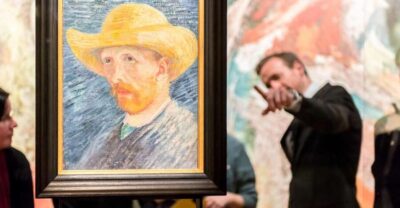
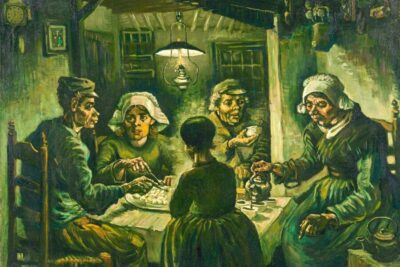
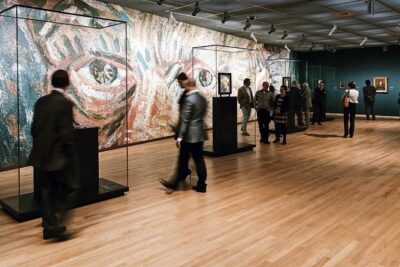
Van Gogh Museum Amsterdam Exclusive Tour w/ Reserved Entry
Read our review →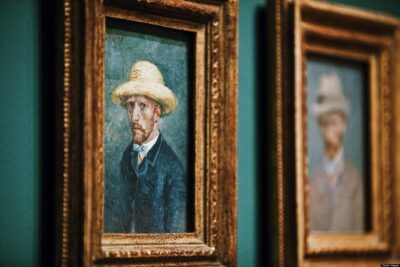
Van Gogh Museum Tour Reserved Entry Semi Private
Read our review →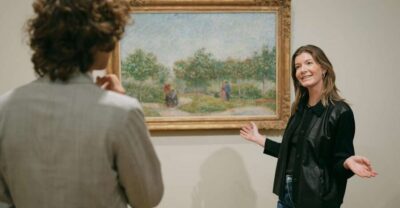
Combo Ticket: Van Gogh Museum Ticket and 1-Hour Canal Cruise
Read our review →
Van Gogh & Rijksmuseum w/ Reserved Entry Semi-Private 8ppl Max
Read our review →
Van Gogh Museum Amsterdam Small Group Guided Tour
Read our review →Browse the lists this tour appears in