
Reviewed · MUSEUMS
Amsterdam: ARTIS-Micropia Microbe Museum Entry Ticket
The most unusual thing about ARTIS-Micropia is also its central trick: it makes invisible life visible. In a city full of grand museums, this compact stop turns bacteria, fungi, and other tiny organisms into the main event, using microscopes, living cultures, models, and clever screens.
I like the body scanner, which shows the microbes living on and inside you, and I like the stamp-collecting activity that gives children a reason to examine every station. The daily lab talks add useful human explanation. The main drawback is value: at $21 per adult, you may feel the museum is small if you move quickly or have little interest in biology.
Key points to know before you go
- The world’s only microbe museum: Micropia focuses entirely on organisms too small to see with your eyes alone.
- Plan for 45 minutes to two hours: A quick visit works, but careful readers and science fans can spend much longer.
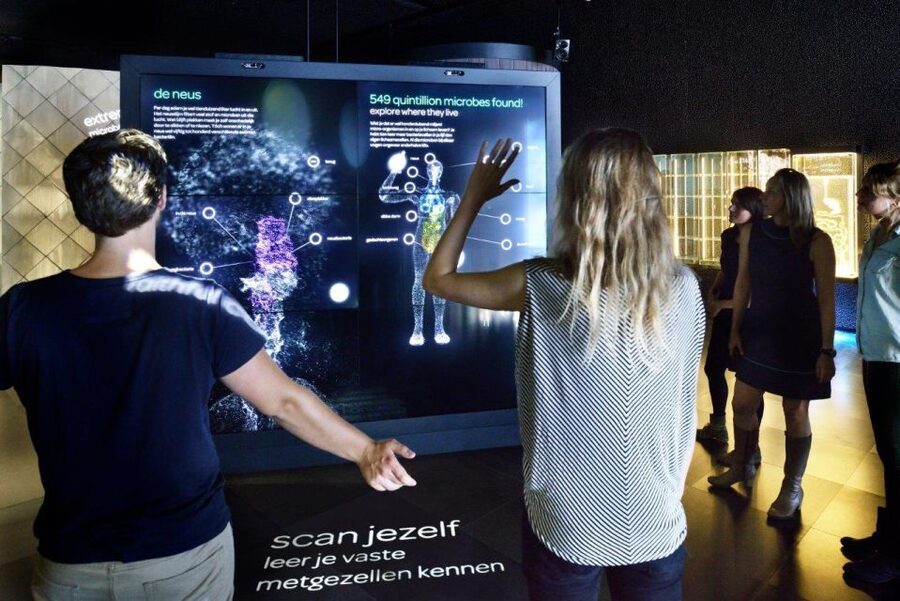
- Scan your own body: The interactive scanner reveals the microbes found on and inside you, with results that can be surprising.
- Children up to age 12 enter free: The recommended age is 8 and older, though younger children may enjoy the visual displays and stamps.
- Daily lab talks add context: Staff explain the science in front of the Laboratorium.
- Pair it with ARTIS: Combination tickets can include the Groote Museum or ARTIS Amsterdam Royal Zoo, both separate admissions.
Why Micropia is different from an ordinary science museum
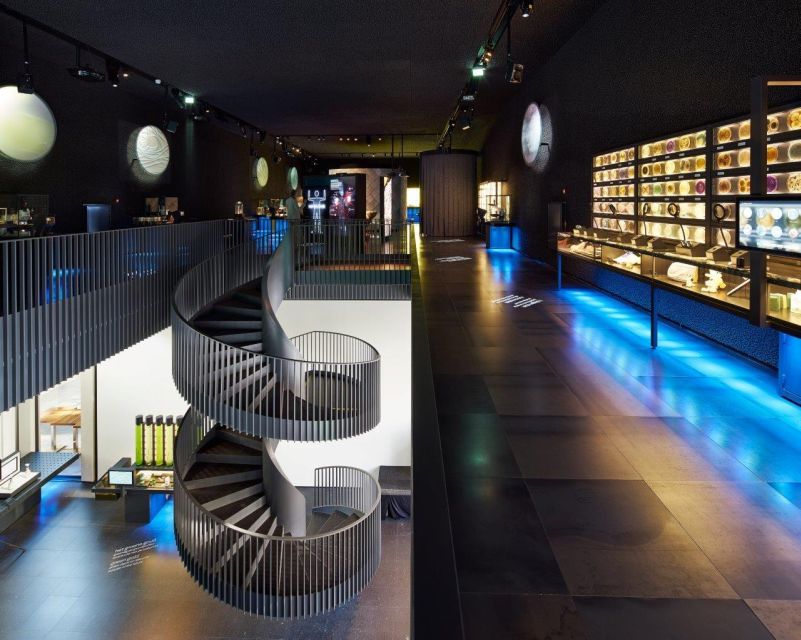
Micropia asks you to look at life from the other end of the scale. You are not here for dinosaur skeletons or huge machines. You are here for organisms that live in the air, on your skin, in your gut, in food, and throughout nature.
That small change in viewpoint gives the museum its appeal. Microbes are often treated as something unpleasant, but Micropia shows that they also help digest food, make food taste good, keep bodies healthy, and maintain natural balance. You leave with a less simple idea of bacteria. Some are harmful, some are useful, and many are simply part of everyday life.
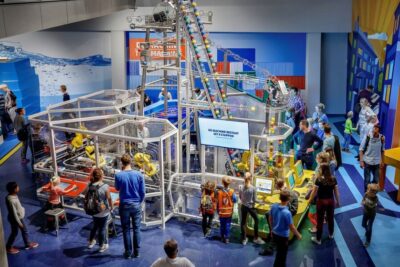
I find this more effective than a long biology lecture because the museum gives you things to see and do. You look through microscopes, examine growing cultures, watch animations, and handle interactive displays. The subject stays practical because it connects directly to your body, your food, and the world around you.
The museum works best when you take your time. If you simply walk from display to display, you can finish in about 45 minutes. If you read the explanations, wait for interactive stations, attend a lab talk, and stop at each living display, allow one and a half to two hours.
More Museums in Amsterdam
- Amsterdam: Van Gogh Museum Ticket
★ 4.7 · 52,054 reviews - Moco Museum Amsterdam Entrance Tickets with Banksy & More
★ 4.4 · 10,088 reviews - Amsterdam: The Upside Down Museum Entrance Ticket
★ 4.4 · 9,506 reviews
Entering ARTIS-Micropia at Plantage Kerklaan
The museum is at Plantage Kerklaan 38-40, about a 10-minute walk from Amsterdam’s city center. Its location beside ARTIS Amsterdam Royal Zoo makes it easy to add to a day around the Plantage district.
This part of Amsterdam gives you more to do before or after your visit. You can combine Micropia with the zoo, or choose the ARTIS-Groote Museum, which looks at connections between people, animals, plants, and microbes. Micropia is a separate admission, so check the price of a combination ticket if you plan to visit more than one ARTIS attraction.
At the entrance, you can collect the children’s Micro Mission during spring break. It is free at the ticket desk and available every day during the break from 10 am to 5 pm. The mission asks young explorers to consider how plants, animals, and microbes work together. That makes it more than a simple hunt for buttons and screens.
The museum is wheelchair accessible. English and Dutch are available, and the host or greeter can assist in either language. Opening hours are generally 10 am to 5 pm each day, with special holiday hours listed for Christmas, New Year’s Eve, and New Year’s Day.
The first stations: seeing life you normally miss
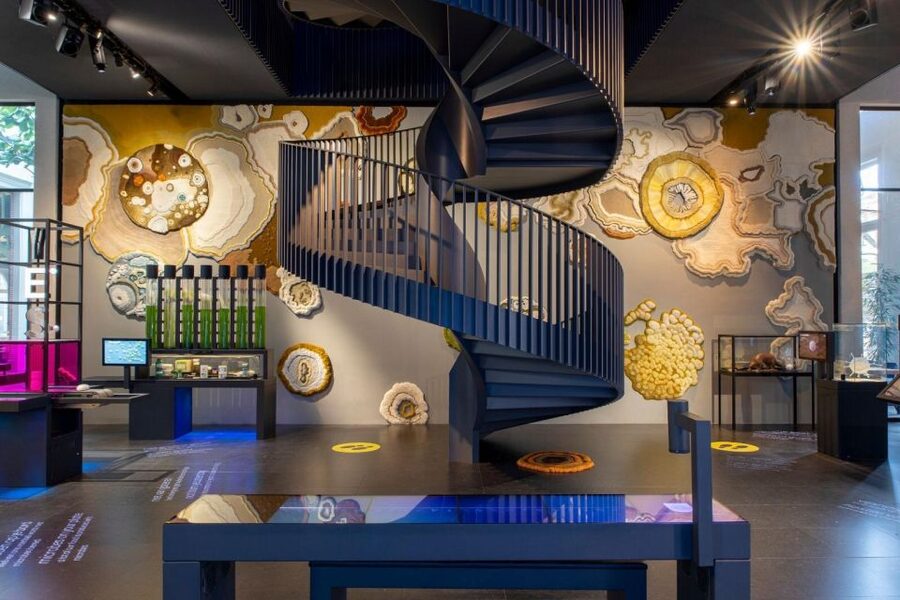
The early part of the museum establishes the basic idea: you are surrounded by microbial life at all times. This is where the microscopes and screens do important work. You start with things that feel familiar, then see them from a much smaller point of view.
The museum uses living microbes, not only plastic models or digital pictures. That matters because the subject is constantly changing. Growing cultures and lab displays show microbes as active organisms rather than frozen textbook illustrations.
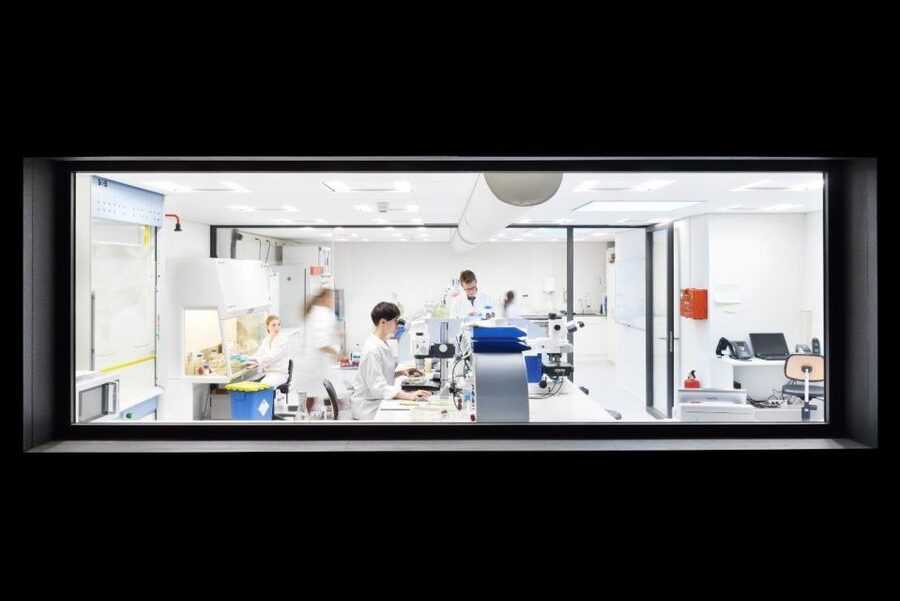
The visible laboratory is one of the most appealing details. You can see the work area as you move through the museum, which helps connect the displays with real scientific practice. Daily lab talks take place in front of the Laboratorium and give you a chance to hear explanations beyond the printed panels.
I would make this section your slow start. Read enough to understand the difference between bacteria, fungi, and other microscopic life, then use the displays to reinforce the idea. You do not need a science degree, but you will get more from the museum if you are willing to stop and read.
The body scanner and your personal microbe report
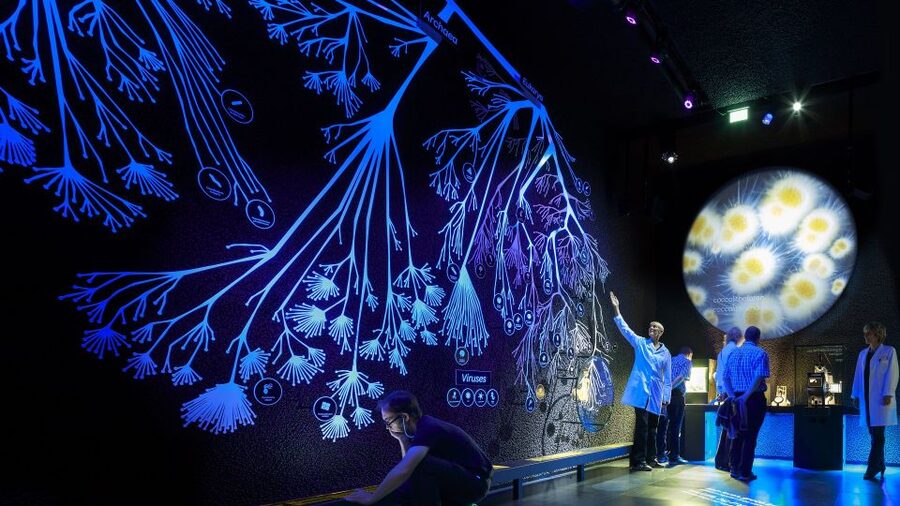
The body scanner is the museum’s most memorable interactive feature. It scans you and reveals microbes living on and inside your body. This turns a broad science subject into something personal very quickly.
The result can be alarming if you think of every microbe as dangerous. Micropia’s wider message helps put the scan in context. Your body is not a sterile object, and many of the organisms associated with you are part of normal life. The scanner is best treated as an educational display, not a medical test.
This station works for adults as well as children. Younger visitors may enjoy the surprise factor, while older children and adults can connect it to the museum’s explanations about digestion, health, and the human body.
Allow extra time here if the museum is busy. Interactive displays are more rewarding when you can read the screen and consider what it is showing. If you rush through, the scanner becomes a quick novelty rather than one of the clearest ways to understand the museum’s subject.
Other collections worth booking around Amsterdam:
- Amsterdam: Red Light Secrets Museum Entry Ticket
★ 4.2 · 5,722 reviews - Amsterdam’s Weirdest Museum: Believe It or Not!
★ 4.5 · 4,086 reviews - Amsterdam: Van Gogh Museum Ticket and City Canal Cruise
★ 4.6 · 3,899 reviews - Amsterdam: Rembrandt House Museum Entrance Ticket
★ 4.7 · 3,385 reviews
Living cultures, mould, and the visible laboratory
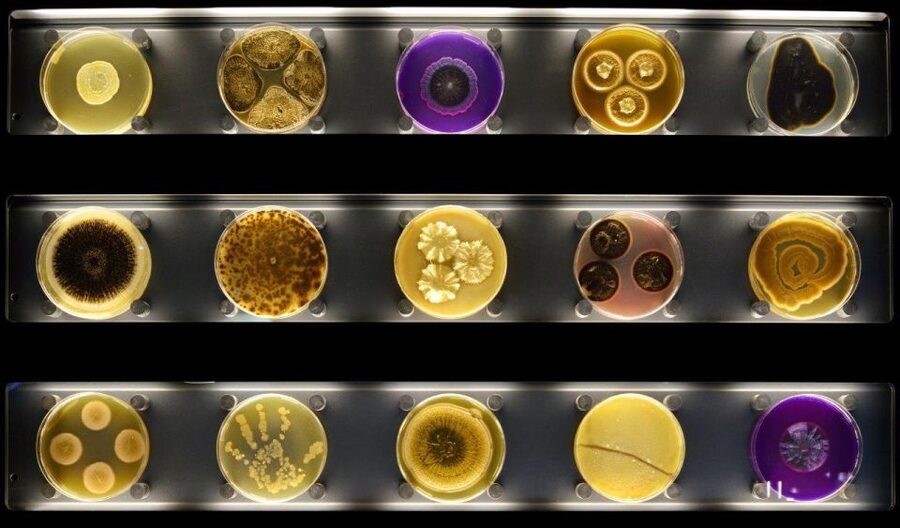
Some of the most effective displays are the ones that show microbes growing over time. Plates with mould can be thrilling, especially if you are comfortable with the slightly strange side of biology. They make it clear that microbial life is not an abstract idea. It grows, changes, spreads, and interacts with its surroundings.
The sculptures of bacteria and viruses offer a different approach. They make the shapes and structures easier to imagine, especially when the real organisms are too small for ordinary vision. Alongside the models, visual effects and animations explain processes that would otherwise be hard to follow.
I appreciate the mix of beauty and discomfort here. Some displays are surprisingly attractive, while others remind you that the natural world is not designed to look tidy. That variety keeps the museum from feeling like a row of identical information panels.
The laboratory setting also gives the experience some credibility without turning it into a formal class. You can see that the museum is dealing with active biological material, and the lab talks help explain what is happening. If you have a specific question, staff are available to help.
Food, digestion, and the microbes inside you
Micropia connects microbes to ordinary routines, which is one reason the museum suits visitors who do not normally choose science museums. You learn that microbes help your gut digest food and that they play a role in producing or changing the food you eat.
These ideas are useful because they take the subject away from fear. Many people first think of illness when they hear the word bacteria. Here, you get a broader picture of the organisms that support the body and help natural systems function.
The information is detailed enough for people with a real interest in microbiology. A scientist or microbiology student could spend a long time reading the material, while a family can focus on the visual displays and return to the harder explanations as interest grows.
The museum does not need to be treated as a full-day attraction. For many visitors, the best plan is to spend around one to two hours here, then continue to another ARTIS attraction or explore the nearby area. That keeps the visit focused and helps the $21 admission feel more reasonable.
Microbe stamps and the family experience
The stamp activity is a simple idea, but it gives children a clear goal. As they move through the museum, they collect microbe stamps from different stations. This encourages them to look closely instead of wandering past the displays.
The recommended age for Micropia is 8 and older. That feels right for children who can read short explanations and wait their turn at interactive exhibits. The museum can still work for younger children, especially if an adult explains the basic ideas, but the content is not designed only for toddlers.
During spring break, the free Micro Mission adds another layer for young explorers. It focuses on how plants, animals, and microbes depend on one another. The example of gut microbes helping with digestion gives children a direct connection to the topic.
I would choose Micropia for a family that wants something more thoughtful than a standard children’s attraction. It is playful, but it also asks real questions about health and nature. Adults do not need to pretend to be interested, since the museum has enough unusual material to hold attention on its own.
How long to stay and how to plan the day
Your visit can take as little as 45 minutes, especially if you mainly use the interactive stations. I would allow at least 90 minutes for a proper visit, and closer to two hours if you read the information, attend a lab talk, and want time at the scanner.
The museum is open daily from 10 am to 5 pm. On December 24, 25, and 26 it is open from 9 am to 5 pm. On December 31, hours are 9 am to 4 pm, and on January 1 the museum opens from 10 am to 5 pm.
Because Micropia is close to the zoo, you can plan it as a compact morning or afternoon stop. A zoo visit can take much longer, so Micropia works well either before the zoo, after the zoo, or as a separate activity on a day when you want an indoor attraction.
Free lockers for bags and coats have been available, which is useful because several displays are easier to enjoy without carrying a backpack. The museum is wheelchair accessible, though one note of practical criticism concerns the toilets, which have not always been kept to the standard expected of a major museum.
Is $21 a fair price?
At $21 per person, Micropia is not the cheapest small museum in Amsterdam. The question is not simply how large the building is, but how much time and attention you give it.
If you rush through in 45 minutes, the price may feel high. The museum is compact, and there is no large collection of traditional objects to fill several hours. You are paying for a specialized experience with live displays, microscopes, digital equipment, and staff explanations.
The value improves if you stay for close to two hours or combine the visit with ARTIS Zoo or the Groote Museum. Children up to age 12 enter free, which makes it more attractive for families. Combination tickets may also reduce the overall cost when you plan to see more of ARTIS.
I would consider it good value for anyone interested in biology, medicine, food, health, or the natural world. If you want a broad Amsterdam museum with famous artworks, this is not the right choice. If you want one unusual subject presented in a hands-on way, the admission makes more sense.
Who should book Micropia?
I would recommend Micropia to families with children around 8 and older, science fans, biology students, and adults who enjoy museums with a clear central idea. It also works well for couples looking for something different from Amsterdam’s major art museums.
The museum is especially suitable if you like interactive learning. You can scan yourself, use microscopes, inspect cultures, watch animations, collect stamps, and ask staff questions. It is not simply a place to read wall text.
You should think twice if you dislike biology, mould, or close-up images of microbes. The museum is not frightening, but some displays are designed to make you notice organisms that you usually ignore. Its small size may also disappoint you if you expect a full-day attraction.
Should you book ARTIS-Micropia?
Book it if you want an unusual, compact museum that gives you a new way to think about your own body and the natural world. The body scanner, living cultures, visible laboratory, and stamp trail create a strong mix of science and play.
I would book Micropia as part of an ARTIS day if possible, especially with children. For a solo visit or a couple, it is still worthwhile if microbiology interests you, but allow enough time to read and attend a lab talk. At $21, it rewards curiosity more than speed.
FAQ
Where is ARTIS-Micropia located?
ARTIS-Micropia is at Plantage Kerklaan 38-40 in Amsterdam, North Holland. It is about a 10-minute walk from the city center.
What does admission include?
Admission includes entry to ARTIS-Micropia. It does not include entry to ARTIS Amsterdam Royal Zoo or the ARTIS-Groote Museum.
How much does admission cost?
The listed price is $21 per person. Children from age 0 to 12 can enter free.
How long does a visit take?
A visit can take around 45 minutes, while visitors who read the displays and use the interactive stations may spend close to two hours.
What age is Micropia recommended for?
The recommended age is 8 years and older. The stamp activity and interactive displays can also make it suitable for families with younger children, with adult help.
What can I do at the museum?
You can examine microbes through microscopes, see living cultures, use interactive displays, scan your body, collect microbe stamps, and attend daily lab talks in front of the Laboratorium.
Is the museum available in English?
Yes. The activity is available in Dutch and English, and the host or greeter can assist in either language.
Is ARTIS-Micropia wheelchair accessible?
Yes, the museum is wheelchair accessible.
What are the regular opening hours?
ARTIS-Micropia is open daily from 10 am to 5 pm. Special holiday hours apply on December 24, 25, 26, December 31, and January 1.
Can I cancel my booking?
You can cancel up to 24 hours in advance for a full refund. A reserve-now-and-pay-later option is also available.
Just added in Amsterdam
- Become a Dutch Art Piece Photo Shoot in Amsterdam – Single Portrait★ 5.0 · 65 reviews
- Become a Dutch Art Piece Photo Shoot in Amsterdam★ 5.0 · 100 reviews
- Full-Day Private Historic Royal Tour around Palaces and Castles★ 5.0 · 16 reviews
- Private transfers from or to Schiphol (AMS) airport Amsterdam★ 5.0 · 235 reviews
- Private Taxi Airport Transfer to or from Schiphol Airport (AMS)★ 4.5 · 66 reviews
- Castle De Haar Small-Group Tour from Amsterdam★ 5.0 · 101 reviews
- Amsterdam: ‘Boom Chicago’ English Comedy Show★ 4.5 · 213 reviews
- English Comedy Show Amsterdam: Boom Chicago★ 4.5 · 112 reviews
Museums, compared.
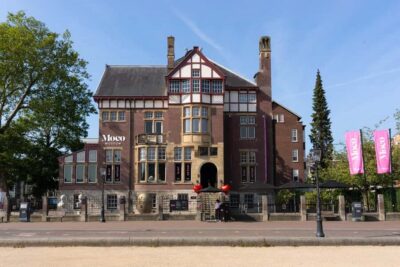
Moco Museum Amsterdam Entrance Tickets with Banksy & More
Read our review →
Browse the lists this tour appears in