
Reviewed · MUSEUMS
Amsterdam: Amsterdam Museum Entry Ticket
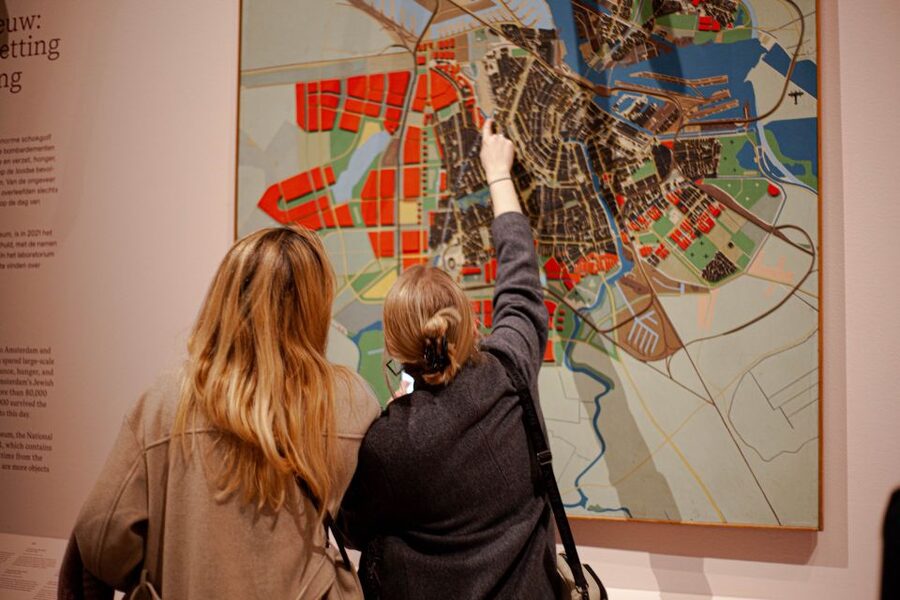
Amsterdam Museum does more than display old paintings and famous objects. It asks you to look at who gets included in Amsterdam’s story, then brings in voices and events that are often left out. The result is a city portrait that reaches from Rembrandt to modern artists such as Raquel Haver, Natasja Kensmil, and Brian Elstak.
I like the honest treatment of Amsterdam’s past, and I like the mix of classic works with newer views of the city. The included audio tour adds useful context without requiring a scheduled guide. The main drawback is practical: the museum is in a temporary home on the Amstel, and one visitor found it a little hard to locate.
Key points to know before you go
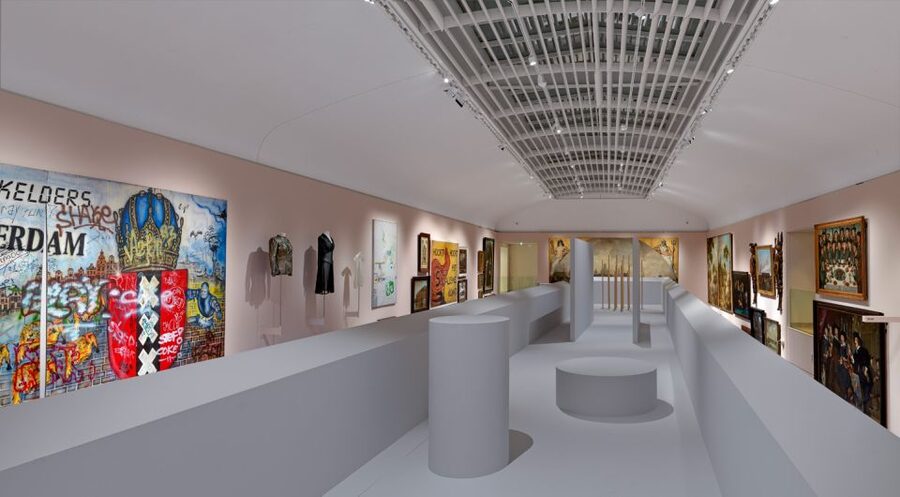
- Amsterdam’s story is not presented as one fixed version: The displays make room for less familiar and more recent histories.
- Old masters meet modern voices: Works connected with Rembrandt and Lingelbach appear alongside artists including Raquel Haver, Natasja Kensmil, and Brian Elstak.
- The museum is temporarily located on the Amstel: It occupies the building of the Hermitage while the historic Burgerweeshuis is renovated.
- The visit is easy to fit into a busy day: Your ticket is valid for one day, and the museum does not take long to explore.
- An audio tour is included: You can take in the displays at your own pace rather than depend on a live guide.
- The ticket is practical for many visitors: Skip-the-line entry and wheelchair access are included.
A city museum that asks harder questions
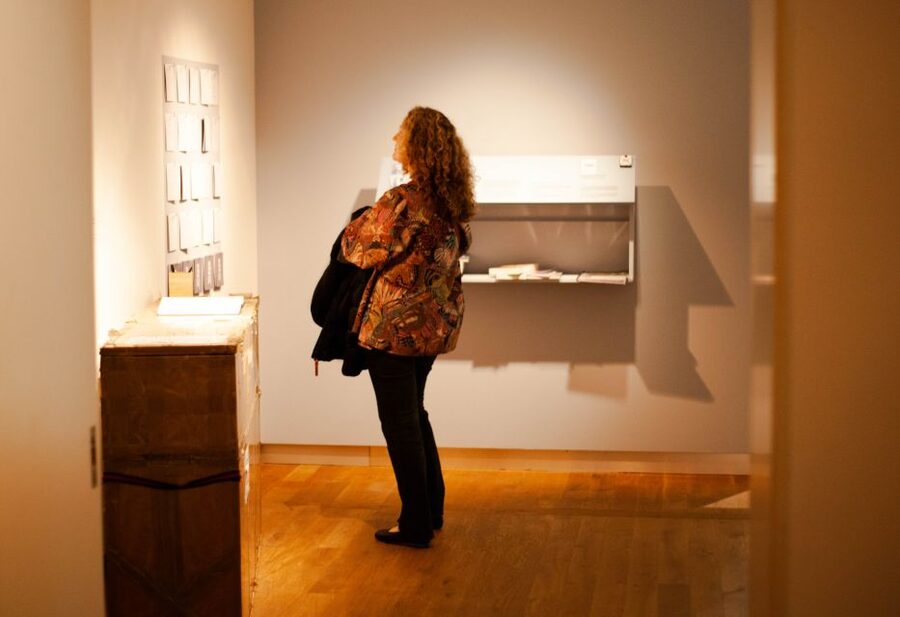
Amsterdam is often sold through canals, merchant houses, grand paintings, and the polished image of the Golden Age. This museum gives you those familiar reference points, but it does not stop there. It also asks how the city was formed, whose work made it possible, and which stories have been overlooked.
That makes the Amsterdam Museum a useful first stop if you want more than postcard Amsterdam. You see how the city has changed over time, while also being reminded that history is shaped by selection. The museum’s current presentation gives space to dissenting voices, residents, and more recent accounts of life in Amsterdam.
I appreciate that approach because it keeps the visit from becoming a parade of famous names. The classic city collection still matters, but it is placed beside work that challenges the old picture. You may leave with a less tidy, but more believable, understanding of Amsterdam.
The museum is not designed as a single narrow lesson. Instead, it gives you several ways to think about the city: through art, objects, public memory, daily life, and changing ideas about who Amsterdam is for.
More Museums in Amsterdam
- Amsterdam: Van Gogh Museum Ticket
★ 4.7 · 52,054 reviews - Moco Museum Amsterdam Entrance Tickets with Banksy & More
★ 4.4 · 10,088 reviews - Amsterdam: The Upside Down Museum Entrance Ticket
★ 4.4 · 9,506 reviews
What you see inside the temporary Amstel location
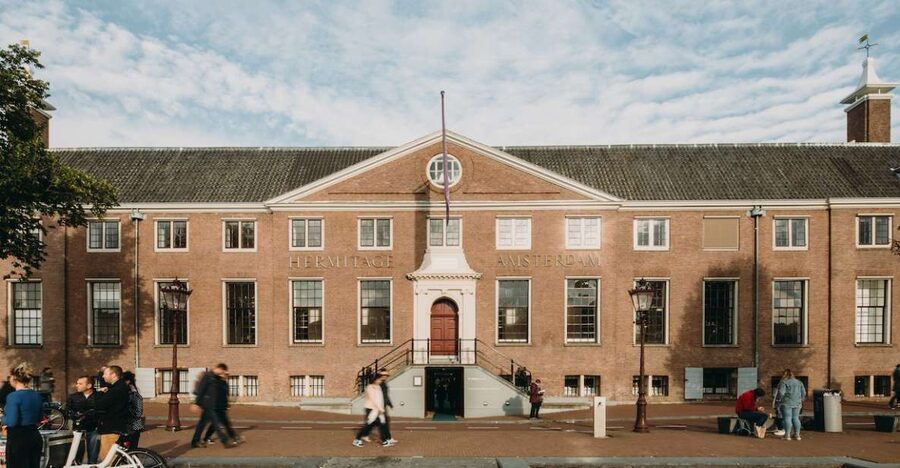
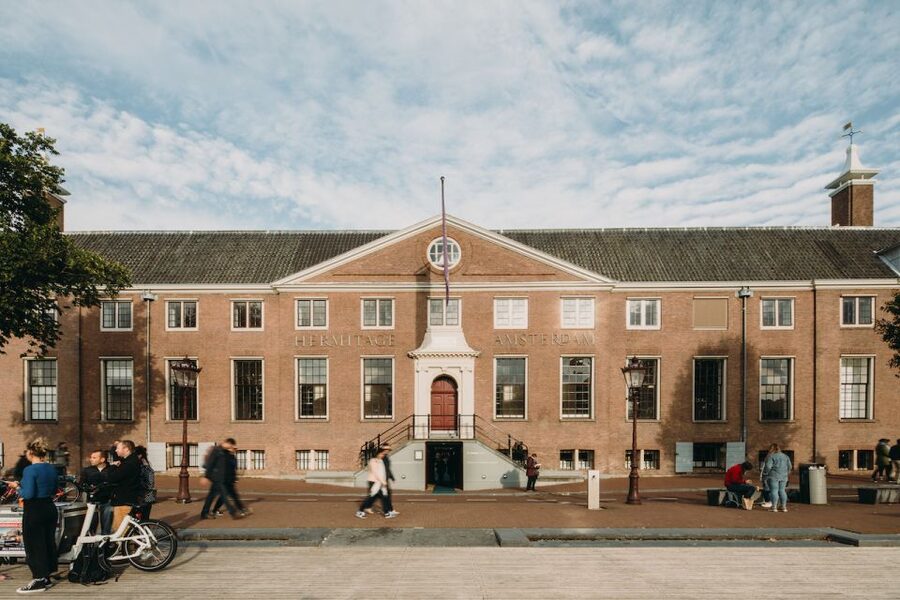
Since March 2022, the Amsterdam Museum has operated from the building of the Hermitage on the Amstel. This is a temporary arrangement while the monumental Burgerweeshuis undergoes major renovation.
That change of address matters. You are not visiting the Amsterdam Museum in its long-term historic home, and the setting may feel more like an adapted museum space than a purpose-built presentation of city history. Still, the temporary location allows the institution to keep presenting exhibitions and public programs while its main building is being worked on.
The Amstel setting also puts the museum in a pleasant part of central Amsterdam. One visitor specifically noted that the area is near a beautiful Holocaust memorial, giving you a meaningful place to visit before or after the museum. That memorial is not part of the ticket, but it can help you make better use of your time in the neighborhood.
Finding the entrance may require a little attention. A visitor who eventually found the museum said it took some time to locate, so do not assume you can simply spot it from a busy street. Check the exact meeting and entrance details before setting out, especially if you have a timed start.
From Rembrandt and Lingelbach to present-day Amsterdam
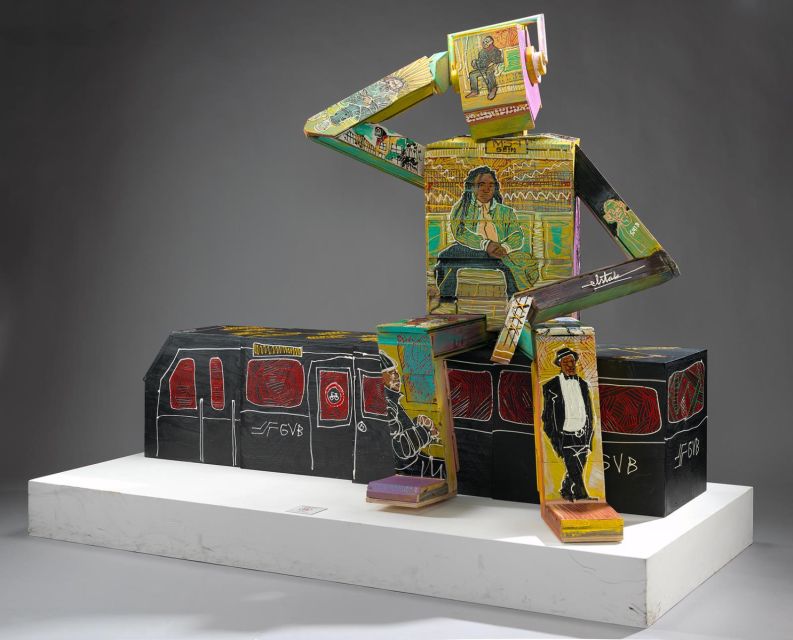
The collection connects well-known names with artists working in more recent times. Rembrandt and Lingelbach represent the old city collection, while Raquel Haver, Natasja Kensmil, and Brian Elstak bring different concerns and artistic languages into the same wider conversation.
You should not expect every work to tell a complete story by itself. Instead, the value comes from seeing how the pieces sit beside one another. A familiar painting can show you the city’s older public image, while a modern work may question what that image leaves out.
This is especially useful if you already know a little about Amsterdam’s art. You can enjoy the names you recognize, but you are also encouraged to look beyond the standard list of Dutch masters. If you know very little about art, the audio tour should help explain why particular objects and artists matter.
The presentation is also a reminder that Amsterdam is not only a historical subject. The city is still changing, and the museum includes newer and less familiar histories rather than treating the past as finished business.
The audio tour and the pace of the visit
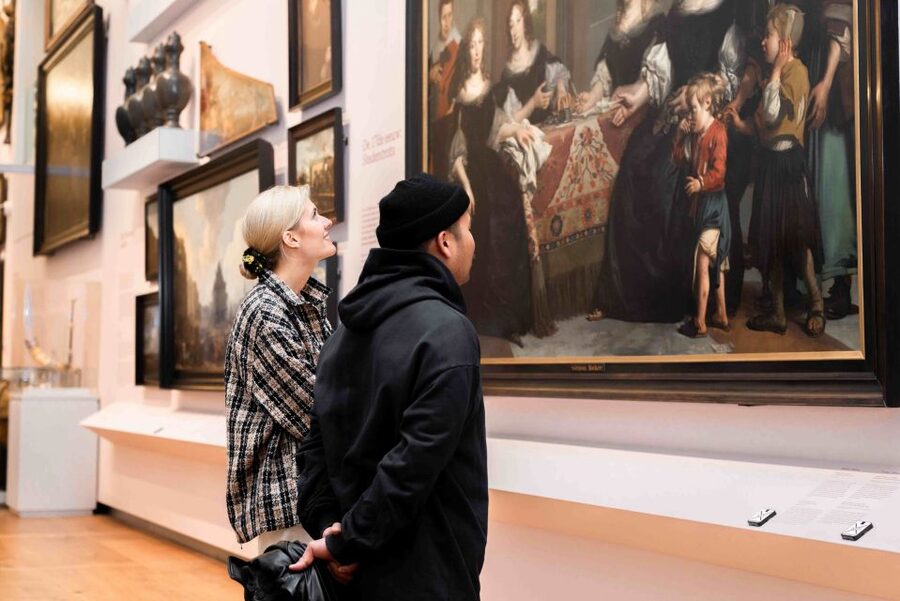
An audio tour is included with the ticket. No guide names are provided, and there is no indication that this is a live guided tour, so you should plan for a self-guided museum experience.
That format suits this type of collection. You can pause when a painting catches your eye, move faster through material that interests you less, and return to a section without worrying about holding up a group. The audio also gives you a way to understand the connections between individual works and the wider story of Amsterdam.
A visitor praised both the staff and the audio process, which suggests that the basic arrival and listening setup are handled well. Still, allow a moment to get oriented before rushing into the galleries. The museum’s subjects are varied, and the audio can help you follow the intended links.
The visit is not especially long. One person found it easy to see the museum and still fit other activities before or afterward. That makes this a good choice for a morning or afternoon in central Amsterdam, rather than a full-day commitment.
Other collections worth booking around Amsterdam:
- Amsterdam: Red Light Secrets Museum Entry Ticket
★ 4.2 · 5,722 reviews - Amsterdam’s Weirdest Museum: Believe It or Not!
★ 4.5 · 4,086 reviews - Amsterdam: Van Gogh Museum Ticket and City Canal Cruise
★ 4.6 · 3,899 reviews - Amsterdam: Rembrandt House Museum Entrance Ticket
★ 4.7 · 3,385 reviews
Why the lesser-known stories matter
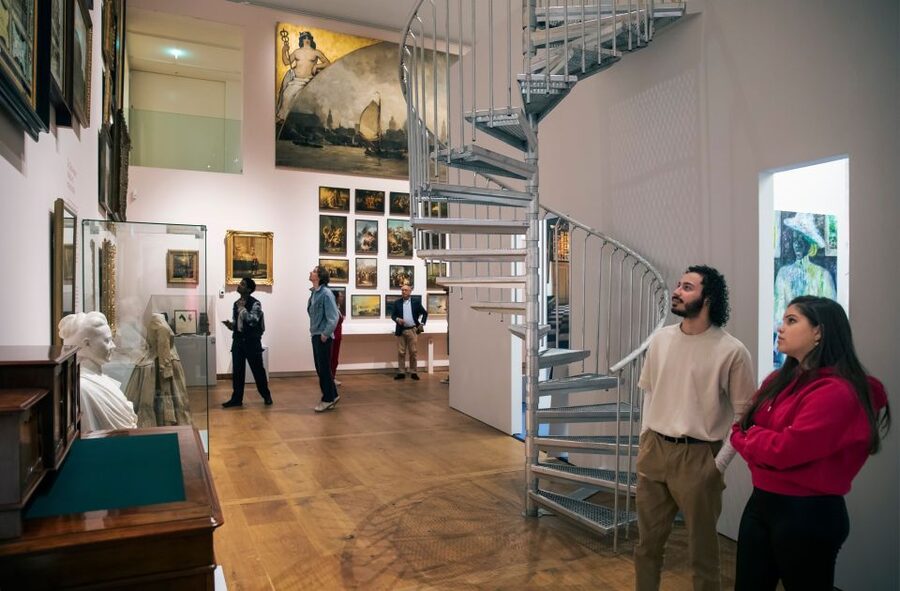
The most valuable part of the museum is its willingness to complicate the usual Amsterdam story. Famous canals, trade, painting, and architecture tell only part of the picture. The city was also shaped by people whose names are less familiar, by disagreement, and by changes that continue today.
The displays give residents and lovers of the city a chance to show their Amsterdam through temporary exhibitions. You may see well-known objects placed beside newer or less familiar works, with each combination suggesting that the meaning of a city depends on who is looking at it.
That is an important distinction. The museum is not simply asking you to memorize dates or admire old objects. It is asking you to consider how a public version of Amsterdam is built. If you enjoy museums that leave room for questions, this approach will likely reward your time.
If you prefer a straightforward chronological museum with every room following a clear timeline, you may find the presentation less direct. The museum’s strength is its range of viewpoints, but that range can also make the experience feel less tidy.
How long should you allow?
Your ticket is valid for one day, and you can check availability for the starting times offered when you book. The available information does not give a fixed number of hours or a detailed room-by-room route, so I would treat this as a compact museum visit rather than plan your entire day around it.
The short format is useful in Amsterdam. You can combine the museum with a walk along the Amstel, a nearby memorial visit, or other central sights. It is also a good rainy-day stop because the ticket gives you a focused indoor activity without demanding a full day.
For a more thoughtful visit, use the audio tour instead of racing through the galleries. If you are mainly interested in the headline works, you can move quickly. If you want to understand the competing views of the city, give yourself time to listen and compare.
Families may also find the format manageable. Children’s activities are part of the Amsterdam Museum’s temporary program, although the available information does not specify which activities are running on a particular date. Check the current program if that matters to your plans.
Is the $23 ticket good value?
At $23 per person, the ticket is fairly easy to justify if you want a focused look at Amsterdam’s history and culture. You receive museum admission and an audio tour, plus skip-the-line entry. The one-day validity gives you some flexibility around the rest of your schedule.
The value depends on your museum habits. If you are happy with a short visit and want context for the city you are exploring, this is a sensible purchase. The museum can fill a useful gap between outdoor sights and gives you a more considered view of Amsterdam than a quick canal walk alone.
If you expect a huge collection or several hours of grand interiors, you may feel the price more sharply. The museum does not sound like an all-day attraction, and its temporary setting may not have the same impact as the restored Burgerweeshuis will eventually offer.
I would judge the ticket by its ideas, not by the number of rooms. You are paying for a carefully framed look at Amsterdam’s past and present, not for a massive collection that takes half a day to cover.
Practical details that can improve your visit
The skip-the-line feature is helpful if you are visiting during a busy period. It does not remove the need to check your starting time, but it can reduce uncertainty at arrival.
The museum is wheelchair accessible, which makes it a practical option for visitors who need step-free access. The supplied information does not give further details about lifts, restrooms, or seating, so contact the museum directly if you need a specific accommodation.
Free cancellation is available up to 24 hours in advance for a full refund. You can also reserve now and pay later, which helps if your Amsterdam schedule is still shifting.
Since the museum is in a temporary location, confirm the address before leaving your hotel. This is the simplest way to avoid the small but annoying problem of arriving at the wrong building or wandering around the Amstel area looking for the entrance.
Who will enjoy this museum most?
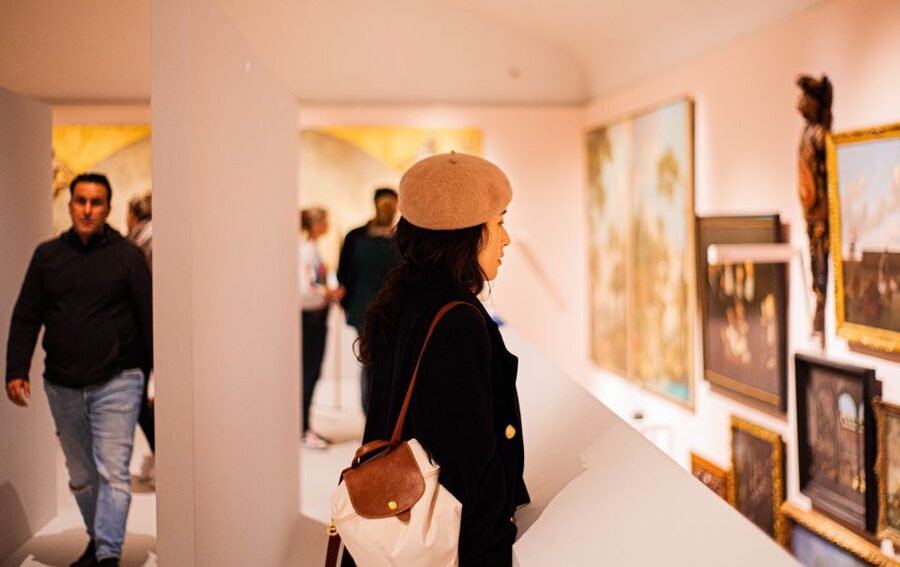
I would recommend the Amsterdam Museum to you if you want a city museum with a point of view. It suits visitors who care about social history, modern art, public memory, and the ways museums decide what belongs in the story.
It is also a good fit if you have already seen Amsterdam’s most famous art and want something that connects those works with current voices. The combination of Rembrandt and Lingelbach with Haver, Kensmil, and Elstak gives you more range than a museum devoted only to old masters.
The museum may be less satisfying if you want a large, traditional collection arranged in a simple timeline. It may also disappoint if you expect the permanent Burgerweeshuis setting, since that building is still being renovated and the museum is currently on the Amstel.
Should you book the Amsterdam Museum?
Book it if you want a reasonably priced, accessible museum visit that adds context to the city around you. The best reasons are the honest treatment of Amsterdam’s past, the inclusion of lesser-known voices, the mix of historic and modern art, and the included audio tour.
Skip it if your schedule is already packed with major museums and you only want a short list of famous masterpieces. Otherwise, the museum is an easy addition to an Amsterdam day, especially if you value thoughtful interpretation over sheer size. Allow enough time to find the temporary entrance, then let the city’s many versions speak for themselves.
FAQ
Where is the Amsterdam Museum currently located?
The Amsterdam Museum is currently located on the Amstel, in the building of the Hermitage. It is using this temporary home while the monumental Burgerweeshuis is renovated.
How much does admission cost?
The ticket costs $23 per person.
How long is the ticket valid?
The ticket is valid for one day. Check availability for the starting times offered when you book.
Is an audio tour included?
Yes. The ticket includes an audio tour as well as museum entrance.
Can I skip the ticket line?
Yes. Skip-the-line entry is included with this activity.
Is the museum wheelchair accessible?
Yes. The Amsterdam Museum entry is wheelchair accessible.
Can I cancel my booking for a refund?
Yes. You can cancel up to 24 hours in advance for a full refund.
Just added in Amsterdam
- Guided Day Trip – Volendam, Zaanse Schans, Marken & Edam★ 4.0 · 232 reviews
- Private Tour Zaanse Schans Windmills and Volendam in Jaguar★ 5.0 · 10 reviews
- Zaanse Schans and Giethoorn Unique Day Trip with Boat Cruise★ 4.5 · 17 reviews
- Half-Day Private Guided Sightseeing Tour of Zaanse Schans★ 5.0 · 14 reviews
- Zaanse Schans Private Tour Windmills★ 5.0 · 18 reviews
- Private bike tour: Hidden gems around Amsterdam and surroundings★ 5.0 · 4 reviews
- Bike tour in Amsterdam with an Italian guide★ 5.0 · 15 reviews
- Amsterdam Sightseeing Tour + Hidden Gems + Tastings + PDF guide★ 5.0 · 35 reviews
Museums, compared.

Moco Museum Amsterdam Entrance Tickets with Banksy & More
Read our review →




Browse the lists this tour appears in