
Reviewed · MUSEUMS
Amsterdam: Dutch WWII Resistance Museum Entry Ticket
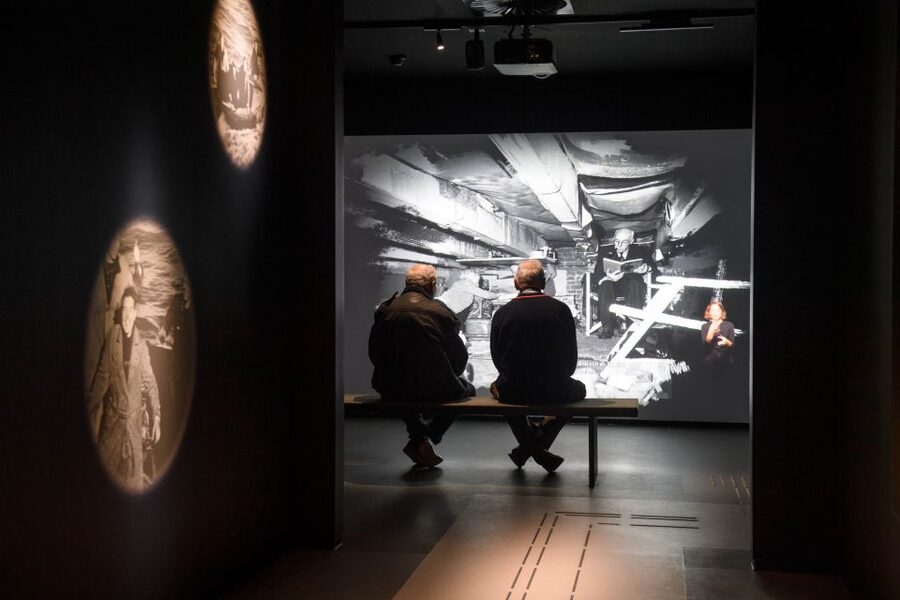
The Dutch Resistance Museum is most powerful when it shows how ordinary people faced impossible choices under Nazi occupation. You move through streets recreated with wartime photographs, then meet people who forged papers, hid neighbors, printed illegal newspapers, escaped through secret routes, or chose to cooperate.
I like the personal documents and real objects, which keep the story grounded in daily life rather than military dates alone. I also like the handheld audio system, since you can scan the exhibits you want and listen in your own language.
The main drawback is the amount of material. A quick visit can miss much of the story, and the subject matter is often painful, especially in the sections on Jewish persecution and the Dutch East Indies. Plan at least two hours, and closer to three if you want to listen to nearly everything.
Key points to know before you go
- A civilian view of World War II: The museum focuses on Dutch people living under occupation, not only on battles and generals.
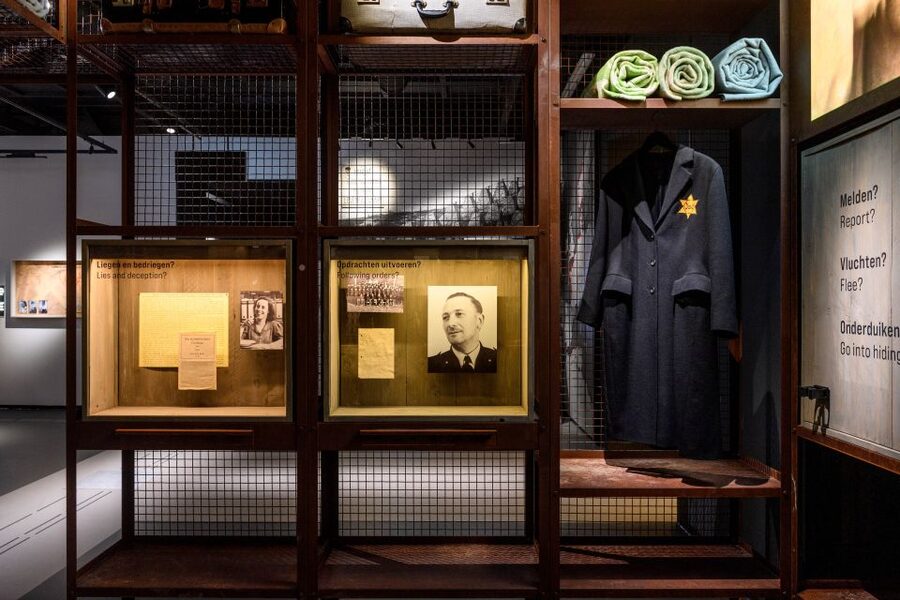
- Resistance in many forms: You’ll see evidence of strikes, forged documents, hiding places, underground newspapers, espionage, escape routes, and armed action.
- A flexible audio guide: Scan selected exhibits and hear information in Dutch, English, French, German, Italian, Spanish, or Portuguese.
- More than the Amsterdam story: A dedicated section covers Dutch colonial subjects who suffered under Japanese rule in the Dutch East Indies.
- Allow two to three hours: The museum is deeper than its exterior suggests, with films, photographs, personal accounts, and interactive displays.
- Accessible for many visitors: The museum is wheelchair accessible, and the audio system lets you sit while continuing with the exhibits.
Entering Amsterdam’s Dutch Resistance Museum
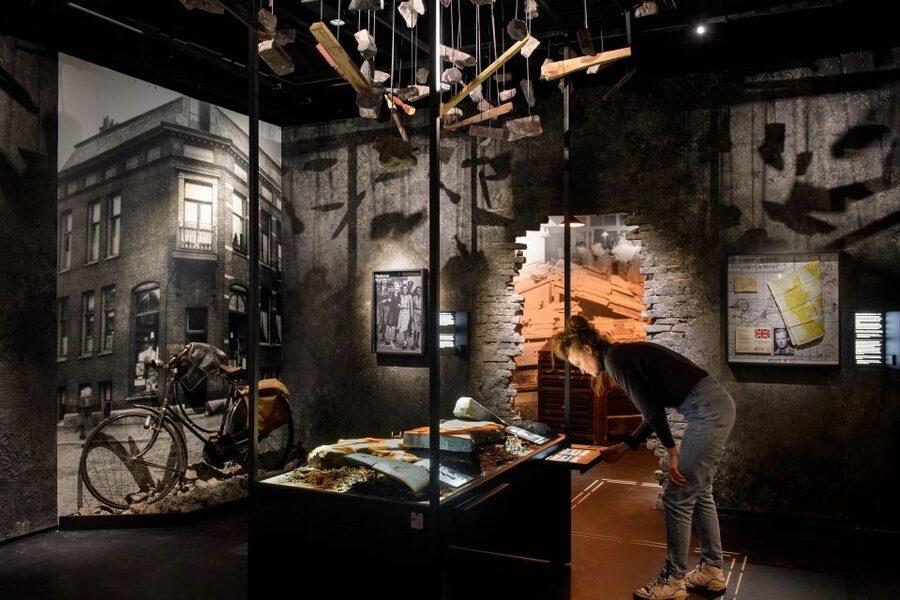
The museum tells the story of the Netherlands during German occupation through the choices faced by civilians. That focus gives the visit a human scale. You are not simply asked to remember dates. You are asked to consider what it meant to find food, protect a family, obey a new authority, or decide how far to resist.
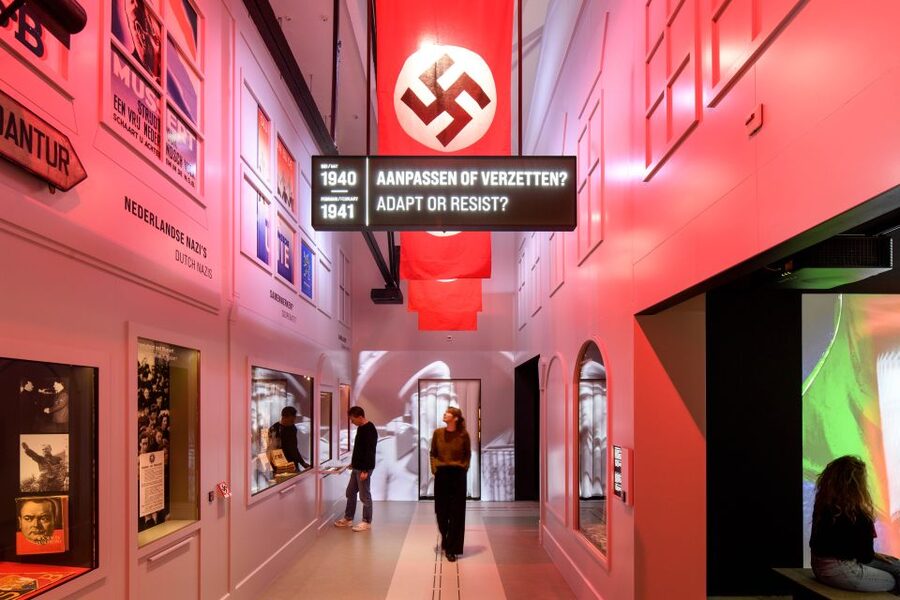
The exhibition takes you into the 1940s with photographs covering walls and displays arranged like wartime streets. The setting helps explain the atmosphere of occupation without turning the museum into a theatrical show. You see how public life changed, how propaganda worked, and how people tried to carry on while knowing that surveillance and punishment were real threats.
The museum is located in Amsterdam, in North Holland, and you show your ticket at the museum counter. There is no live guide included, so the audio system is your main companion. That suits independent visitors who prefer to set their own pace, but anyone looking for a guided discussion with a historian should know that this ticket does not provide one.
More Museums in Amsterdam
- Amsterdam: Van Gogh Museum Ticket
★ 4.7 · 52,054 reviews - Moco Museum Amsterdam Entrance Tickets with Banksy & More
★ 4.4 · 10,088 reviews - Amsterdam: The Upside Down Museum Entrance Ticket
★ 4.4 · 9,506 reviews
Resistance beyond the usual wartime story
Many visitors arrive knowing something about Anne Frank and the Jewish experience in Amsterdam. This museum adds a wider view by showing the many ways Dutch civilians resisted Nazi control.
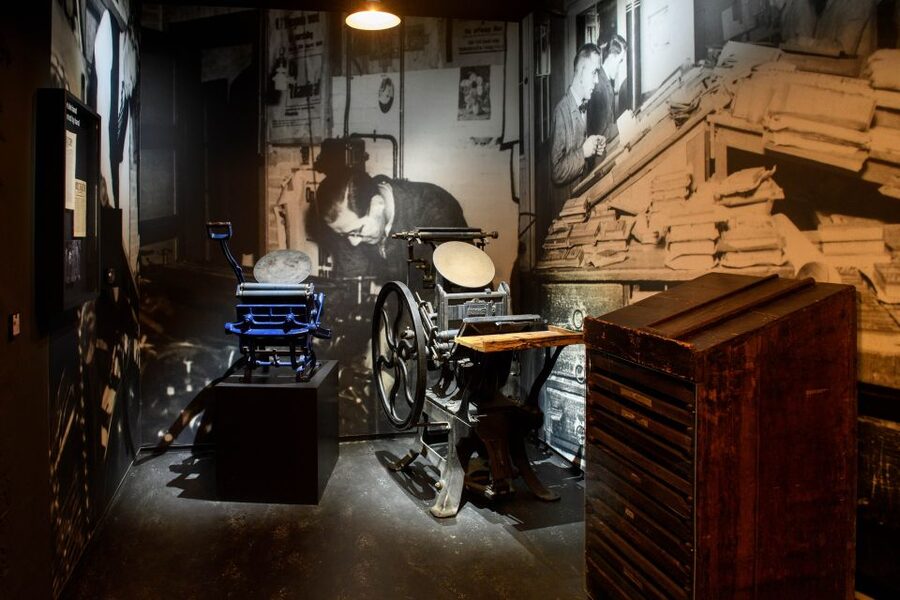
You’ll learn about strikes, forged identity papers, aid for people forced into hiding, underground newspapers, escape routes, espionage, and armed resistance. These activities did not all carry the same risks or involve the same people. A person hiding a neighbor faced different dangers from someone printing an illegal newspaper or joining an armed group, yet each action could bring arrest, imprisonment, or death.
I appreciate that resistance is not treated as one simple act of heroism. The material also considers collaborators and people who tried to survive by keeping their heads down. That makes the story more honest. Occupation did not divide every town into neat groups of heroes and villains. People made choices with limited information, often under pressure and fear.
The display of forged documents is especially useful because it shows how basic identity papers became tools of survival. Underground newspapers show another side of resistance, the effort to control information when the occupying power controlled official news. These examples help you see resistance as practical work carried out with paper, printing equipment, contacts, hiding places, and nerve.
Personal stories make the history easier to grasp
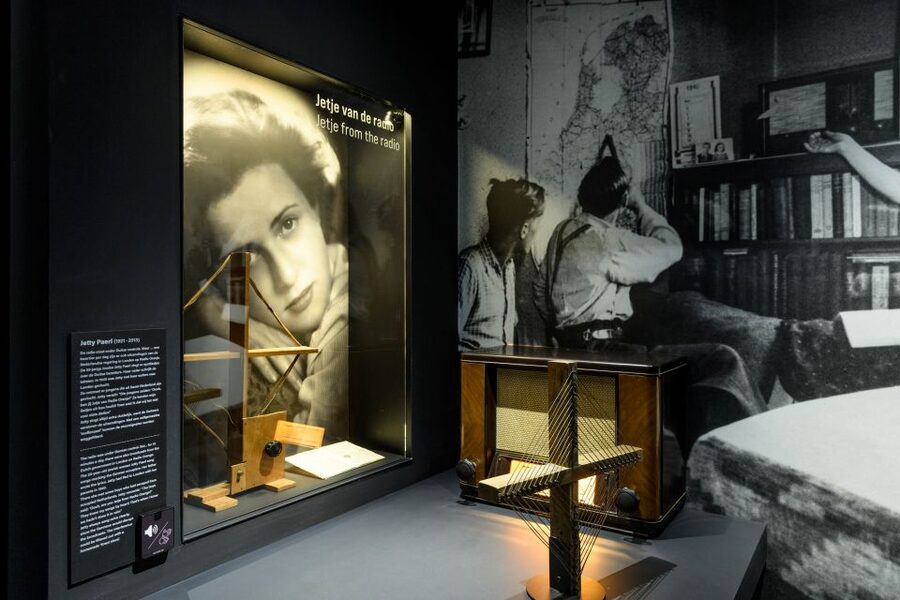
The museum’s greatest strength is its use of individual lives. Personal documents, photographs, film clips, and recorded accounts connect broad events to people who had names, families, jobs, and private worries.
I find this approach easier to follow than a room filled with dates and military movements. You may read about a person’s work, see an object connected with that life, then hear how occupation changed the family’s choices. The stories show bravery, but they also show confusion, compromise, grief, and fear.
The audio guide lets you choose how much detail you want. Scan the code at an exhibit, and the handheld unit provides spoken information. You do not need to listen to every station. If you are short on time, select the displays that interest you most. If you have a strong interest in World War II, you can use the audio guide to build a much longer visit.
This setup also helps if standing for long periods is difficult. You can sit occasionally while listening, then continue when ready. Several accounts describe the system as easy to use, though one practical tip is worth remembering: scan carefully. If the device picks up a neighboring code, it can start the wrong recording or restart one you already heard.
The Jewish experience and the cost of occupation
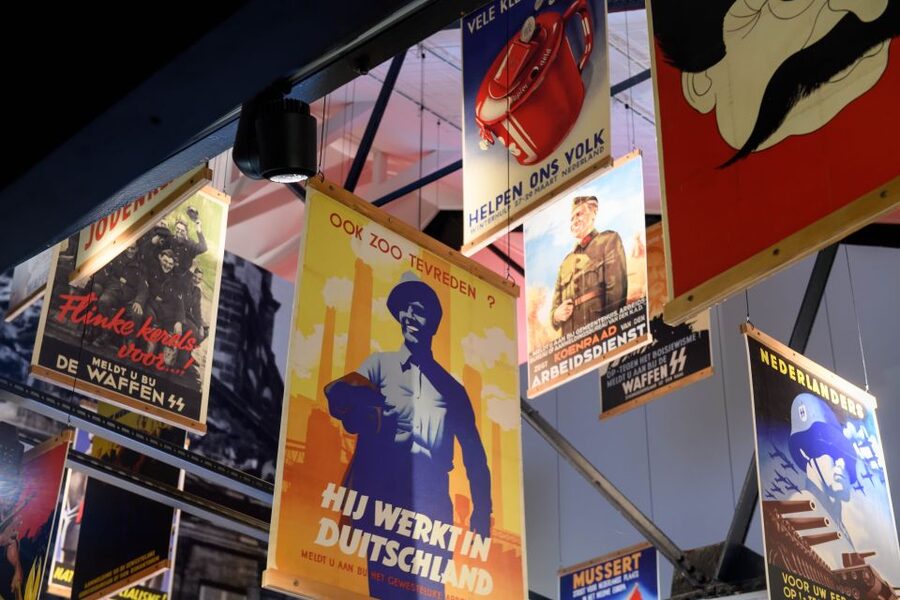
The museum deals with the persecution of Jewish people in the Netherlands as part of the wider occupation story. The personal accounts make clear that anti-Jewish measures affected daily life before deportation and murder. Documents and testimony show how rules, registration, isolation, and fear narrowed people’s choices.
This section can be difficult, and it should be. The museum does not treat the subject as a distant chapter. It shows how persecution entered homes, streets, workplaces, and relationships. You will also see how some people responded by hiding others, forging papers, or helping people escape.
For a fuller visit focused on Amsterdam’s Jewish history, you might pair this museum with other memorial sites in the city. The information provided here is enough to give you a clear picture of occupation and resistance, but the museum’s wider aim is to show many civilian experiences rather than follow one single family from beginning to end.
That broad approach is both a strength and a limitation. You gain many viewpoints, but you may wish for a single person’s story to continue from the first days of occupation through liberation and the years after the war. If that kind of continuous biography matters to you, allow extra time to follow related material closely.
Other collections worth booking around Amsterdam:
- Amsterdam: Red Light Secrets Museum Entry Ticket
★ 4.2 · 5,722 reviews - Amsterdam’s Weirdest Museum: Believe It or Not!
★ 4.5 · 4,086 reviews - Amsterdam: Van Gogh Museum Ticket and City Canal Cruise
★ 4.6 · 3,899 reviews - Amsterdam: Rembrandt House Museum Entrance Ticket
★ 4.7 · 3,385 reviews
The Dutch East Indies section adds an important second setting
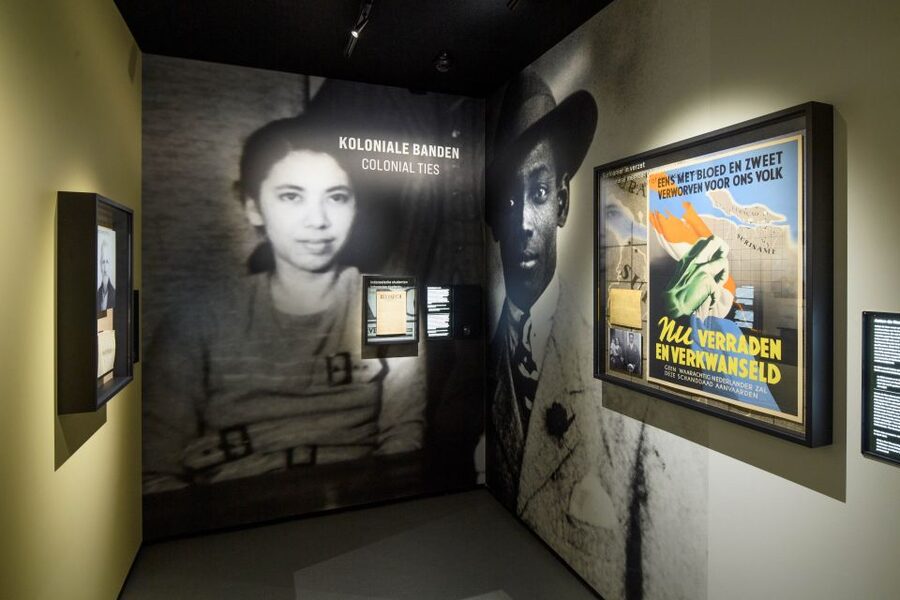
One of the most useful parts of the museum is the dedicated section on the former Dutch East Indies. It explains what happened to people there under Japanese military rule during World War II.
This section widens the frame beyond Amsterdam and Europe. Dutch colonial subjects and families in the East Indies faced imprisonment and harsh treatment, and the stories show that the war was experienced differently across the former Dutch empire. If your family has a connection to Indonesia or the wartime internment of civilians, you may find this part especially personal.
Even if you arrive mainly to learn about Dutch resistance, do not rush past this section. It explains why the Dutch wartime experience cannot be reduced to events in the Netherlands alone. The accounts of people living under Japanese rule add another layer of loss, fear, and endurance.
The museum does not ask you to compare suffering as if one experience cancels out another. Instead, it places different civilian experiences in the same visit. That makes the museum useful for anyone who wants a broader understanding of the Netherlands during the war.
Films, photographs, and objects keep the visit moving
The exhibition uses more than text panels. You’ll find films, photographs, personal papers, wartime items, propaganda material, and interactive displays. Short films help establish the sequence of events, while personal accounts bring you back to the effects on individuals.
The interactive propaganda posters are a memorable feature because they show how public messages were used to shape opinion. They also give you a chance to examine the methods of wartime persuasion rather than simply read that propaganda existed.
The layout is orderly and easy to follow. You move through the story in a clear progression, with enough variety to prevent the visit from becoming a long line of text. Still, this is not a light museum. If you listen to every audio recording and read every panel, you can easily spend three hours or more.
Some visitors describe the building as small when they first arrive, then discover that it continues farther inside. That is useful to know when planning your day. Do not judge the time needed by the entrance alone.
How long should you allow?
I would plan two to three hours for a worthwhile visit. Two hours can work if you focus on the main displays and selected audio tracks. Three hours gives you time for the films, documents, personal stories, the Dutch East Indies section, and the interactive material.
The advertised ticket is valid for one day, so you have flexibility rather than a tightly timed tour. Check the available starting times when booking, then arrive ready to move at your own speed.
A rushed visit is possible, but it defeats the point. The museum’s value comes from connections between displays. A forged document means more after you understand the rules that made it necessary. A personal letter carries more weight after you have seen how occupation changed ordinary life.
If your schedule is packed with canal cruises and major attractions, place this visit where you can think afterward. The subject is serious, and many accounts are moving. You may not want to follow it immediately with another demanding museum.
The audio guide and language choices
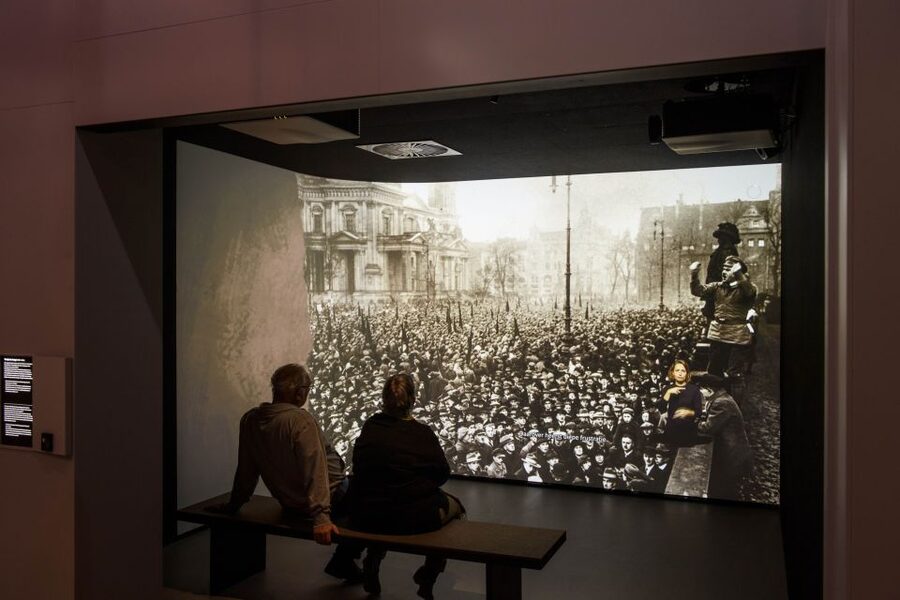
The included audio guide is available in Dutch, English, French, German, Italian, Spanish, and Portuguese. That makes the museum approachable even if you do not read Dutch.
The device is built around scanning exhibit codes, so you control the amount of information. I like this better than a fixed route with a recording that plays automatically at every stop. You can listen to a short overview, skip a long explanation, or return to a person’s story later.
The audio material is also useful for visitors who prefer listening to reading. It can make the displays more accessible and lets you sit while following the story. The museum is wheelchair accessible, and the layout is designed to be used by visitors with mobility needs.
The one small concern is that the guide may scan too quickly if you hold it near several codes. Keep it close to the exhibit you want. If a recording begins unexpectedly, stop it and scan again rather than assuming you have reached the wrong part of the exhibition.
Price and practical value at $21
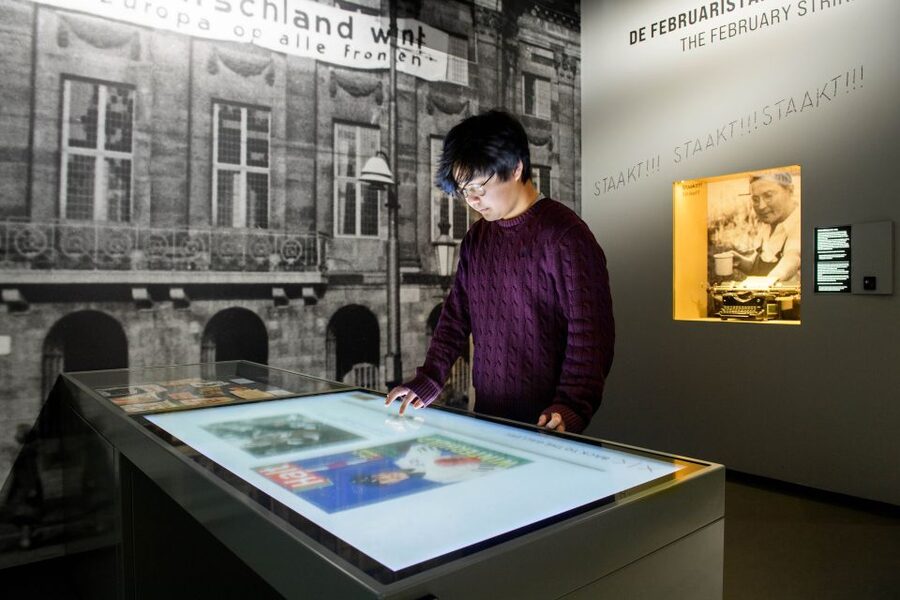
At $21 per person, this is not the cheapest museum ticket in Amsterdam, but it offers good value if you care about twentieth-century history. You get entry for a full day and an audio guide in seven languages. Since the visit can easily fill two or three hours, the cost compares well with other major paid attractions.
The value depends on how you use it. If you plan to spend only 30 minutes looking at the main displays, you may feel you have paid for more museum than you used. If you listen to the accounts, watch the films, and take time with the documents, the ticket supports a substantial afternoon.
Reserve now and pay later is available, and cancellation is free up to 24 hours before the visit for a full refund. Food and drinks are not included, so plan those separately. A restaurant is attached to the museum, which can make a meal afterward convenient, but the ticket itself covers only entry and the audio guide.
Who will appreciate this museum most?
I would recommend it first to anyone interested in World War II, Dutch history, resistance movements, or the experience of civilians under occupation. It is also a strong choice if you have already visited Amsterdam’s better-known Anne Frank sites and want a wider view of what happened across the city and country.
Families with older children and teenagers may find the clear layout helpful, though the subject is serious and some material may be upsetting. History fans can spend hours following the documents and personal accounts, while casual visitors can still understand the main story through the films, photographs, and selected audio tracks.
The museum also suits visitors who prefer quiet, self-guided attractions. You are not tied to a group or a guide’s schedule. You can pause, sit, reread a document, or move ahead when a display is not your priority.
I would think twice if you want a cheerful stop between lighter attractions, or if you dislike museums built around personal testimony. This is a sober visit. Its purpose is to make occupation understandable through human choices, and it succeeds partly because it does not soften the difficult parts.
Should you book the Dutch Resistance Museum?
Book it if you want to understand how the Dutch population lived under Nazi occupation and how resistance took shape in everyday acts. The combination of documents, objects, films, personal accounts, and a flexible audio guide makes the $21 ticket worthwhile for most history-minded visitors.
Allow two hours at a minimum, and three if you want the full experience. Take your time with the Dutch East Indies section, do not skip the personal stories, and scan the audio codes carefully. If you want only a quick attraction or a light introduction to Amsterdam, choose something else. If you want a thoughtful account of occupation, resistance, collaboration, and civilian choices, this deserves a place in your itinerary.
FAQ
What does the Dutch Resistance Museum ticket include?
The ticket includes entry to the Dutch Resistance Museum and an audio guide.
How much does entry cost?
The listed price is $21 per person.
How long is the ticket valid?
The ticket is valid for one day.
Is a live guide included?
No. A guide is not included. The ticket includes a self-guided audio guide instead.
Which languages are available for the audio guide?
The audio guide is available in Dutch, English, French, German, Italian, Spanish, and Portuguese.
Is the museum wheelchair accessible?
Yes. The museum is wheelchair accessible.
What subjects does the museum cover?
It covers Dutch life and resistance during Nazi occupation, including strikes, forged documents, hiding people, underground newspapers, escape routes, armed resistance, espionage, collaboration, and Jewish persecution. It also has a section on the Dutch East Indies under Japanese rule.
How much time should I allow?
Plan at least two hours. Three hours is useful if you want to hear most of the audio material and examine the films, objects, documents, and interactive displays.
Can I cancel the booking?
Yes. You can cancel up to 24 hours in advance for a full refund.
Just added in Amsterdam
- Schiphol Amsterdam Airport Private Arrival Transfer★ 5.0 · 68 reviews
- Amsterdam Castle & Utrecht City – Private Day Tour★ 5.0 · 21 reviews
- Amsterdam Canal, Tulip, Windmill Photoshoot | Custom Request★ 5.0 · 147 reviews
- Amsterdam Light Festival Winter Walk with Stroopwafel Workshop★ 5.0 · 66 reviews
- Become a Dutch Art Piece Photo Shoot in Amsterdam – Single Portrait★ 5.0 · 65 reviews
- Become a Dutch Art Piece Photo Shoot in Amsterdam★ 5.0 · 100 reviews
- Full-Day Private Historic Royal Tour around Palaces and Castles★ 5.0 · 16 reviews
- Private transfers from or to Schiphol (AMS) airport Amsterdam★ 5.0 · 235 reviews
Museums, compared.

Moco Museum Amsterdam Entrance Tickets with Banksy & More
Read our review →

Browse the lists this tour appears in