
Reviewed · MUSEUMS
Amsterdam: National Holocaust Museum Entry Ticket
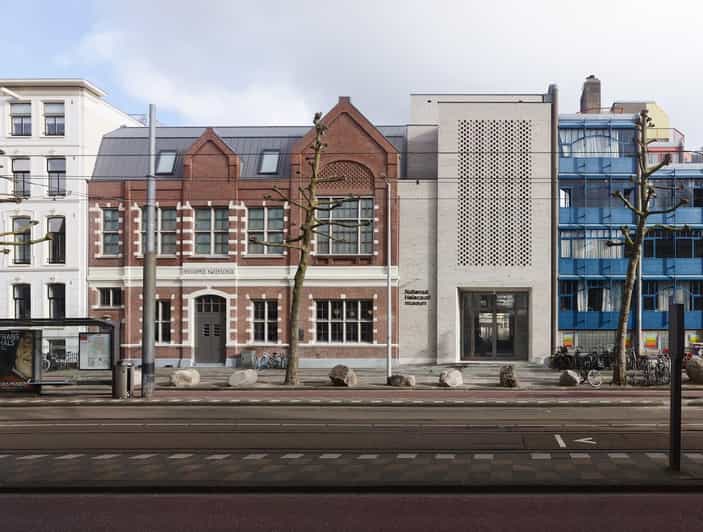
The National Holocaust Museum tells its story from inside the former Hervormde Kweekschool, a building tied directly to the rescue and deportation of Jewish children. I like that the museum begins with ordinary Jewish life before the war, then shows how Nazi persecution was built step by step. I also like that your ticket includes the Hollandsche Schouwburg, giving you a second, closely linked place of remembrance.
The main thing to plan for is time. This is not a quick 45-minute stop. The displays are dense, some small exhibits can create a queue, and the subject demands a slower pace. Give yourself at least several hours, and remember that the ticket is valid for seven days from first activation, not for a seven-day visit.
Key points to know before you go
- The building tells part of the story: The former Hervormde Kweekschool was next to a daycare used as a collection and deportation point for Jewish children.
- Two important sites are included: Your admission covers both the National Holocaust Museum and the Hollandsche Schouwburg National Holocaust Memorial.
- The story starts before the war: You see how Jews and non-Jews lived alongside each other with equal rights before Nazi occupation.
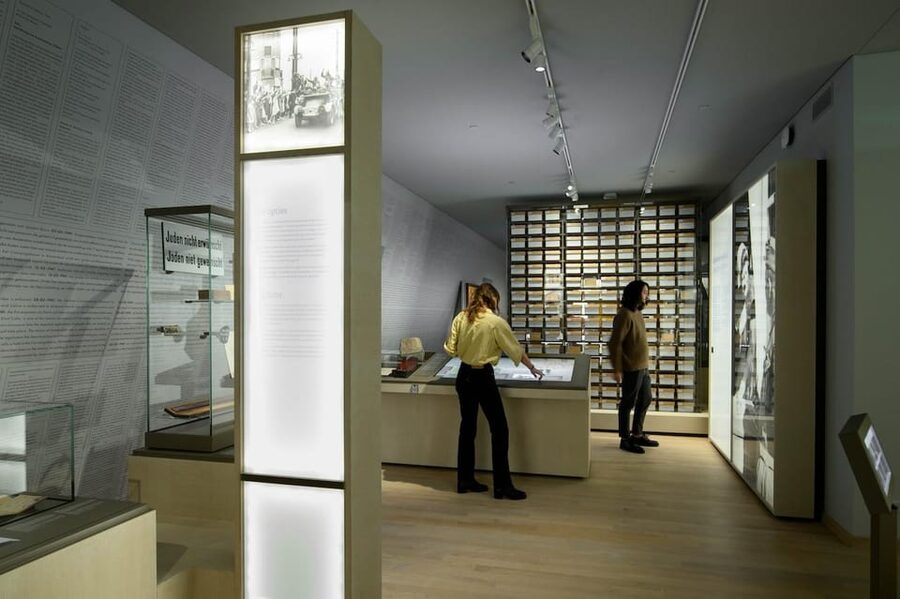
- Personal accounts lead the way: Artifacts, portraits, written testimony, audio material, and interactive holograms give the history recognizable human faces.
- Plan a half day: The displays contain a great deal to read and hear, and closing time can arrive before you have seen everything.
- The ticket offers useful flexibility: It costs $24 per person, can be canceled up to 24 hours ahead for a full refund, and can be reserved without paying at once.
Why this museum belongs on an Amsterdam itinerary
Amsterdam has many museums, but this one asks you to slow down and pay attention. You are not simply looking at objects from the Second World War. You are following how a free Jewish community was gradually stripped of its rights, separated from its neighbors, sent to gathering points, and murdered.
That order matters. The museum does not begin with the worst images. It first shows daily life in the Netherlands before the war, when Jewish and non-Jewish people lived alongside each other with the same rights. This gives you a clearer sense of what was destroyed. The victims appear as people with families, work, schools, homes, and routines, not only as numbers in a history book.
The museum then explains the Holocaust, also called the Shoah, in the Netherlands and across Europe. Nazi Germany and its collaborators murdered about six million Jews. In the Netherlands, roughly three-quarters of the Jewish population was killed. Those figures are essential, but the displays work hard to connect them with individual lives.
I value that approach. It makes the history more specific and less distant. You see how large crimes grew from smaller acts of control, registration, exclusion, and deportation. The museum also asks you to consider how the Holocaust has been remembered in Dutch national culture, including the ways this history has been presented and understood after the war.
More Museums in Amsterdam
- Amsterdam: Van Gogh Museum Ticket
★ 4.7 · 52,054 reviews - Moco Museum Amsterdam Entrance Tickets with Banksy & More
★ 4.4 · 10,088 reviews - Amsterdam: The Upside Down Museum Entrance Ticket
★ 4.4 · 9,506 reviews
Entering the former Hervormde Kweekschool
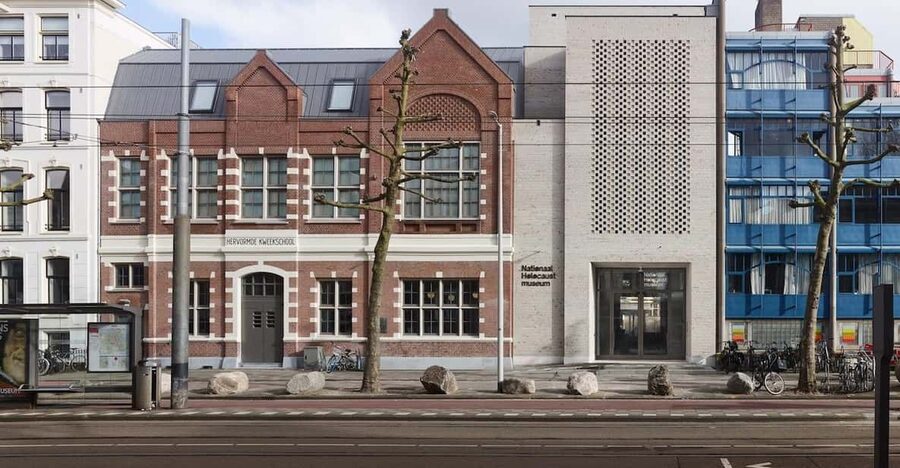
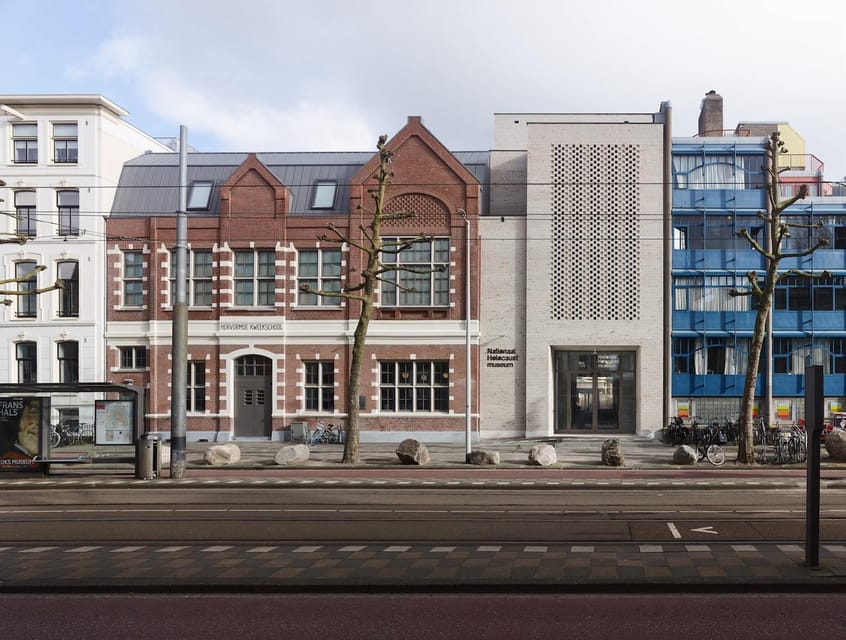
The setting is not an accidental shell around the exhibition. The National Holocaust Museum occupies the former Hervormde Kweekschool, a building with a direct link to the fate of Jewish children during the occupation.
The Nazis used an adjacent daycare as a gathering and deportation point. Children were held there before being sent away. Henriëtte Pimentel, the daycare director, helped hundreds escape, including through the Kweekschool. Knowing this before you enter changes the way you read the rooms. The building is part of the evidence.
The museum handles this history without softening it, but it also avoids turning the site into a theatrical attraction. That restraint is welcome. You are given space to think rather than pushed from one dramatic effect to the next.
The former school also helps explain the connection between the museum and the Hollandsche Schouwburg. These are not unrelated Amsterdam sights bundled together for convenience. They form part of the same local history of Jewish persecution, detention, deportation, resistance, and remembrance.
The story before Nazi occupation
Your visit begins with Jewish life in the Netherlands before the Second World War. This section is particularly useful if your picture of the Holocaust starts and ends with deportation trains and concentration camps.
You learn that Jewish people were part of ordinary Dutch society. They lived, worked, raised children, practiced their faith, and shared communities with non-Jewish neighbors. The point is clear: the people targeted by the Nazis were not a faceless group outside Dutch life. They were Dutch residents and families with deep local ties.
This opening also gives younger visitors a way into the subject. A child may understand school, family, work, and home before understanding the machinery of genocide. The museum can be painful, but this early section helps establish the human scale of what follows.
I would not rush through it. Read the labels, look at the portraits, and note the shift in tone as the occupation begins. The later rooms carry more force when you have first seen the normal life that Nazi policy attacked.
How persecution became a system
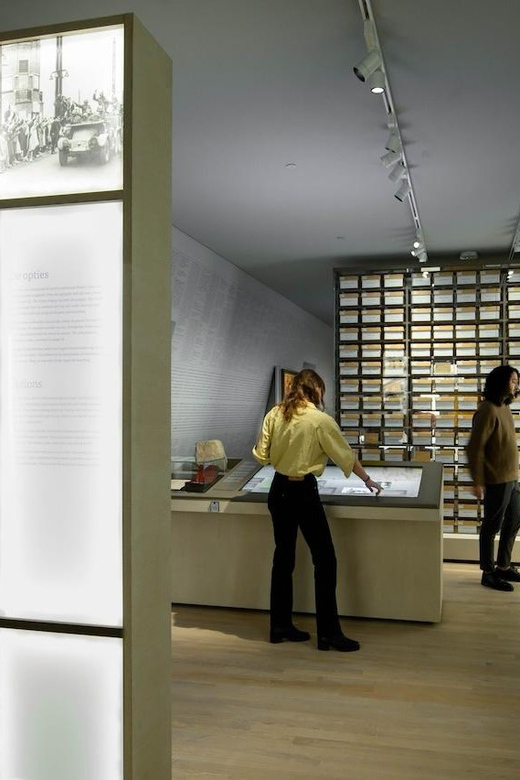
One of the most important parts of the museum shows how persecution developed in stages. The Nazi assault did not appear all at once as a single event. Rights were removed, restrictions were imposed, Jewish people were identified and isolated, and deportation systems were put into place.
The exhibition explains this process with photographs, written material, personal accounts, and objects. It gives you a way to see how official rules could turn into daily humiliation and then mass murder. That lesson is one reason the museum is valuable beyond its Amsterdam setting.
The displays are carefully arranged, though the route is not always easy to follow. Signage can be unclear in places, so you may need to pause and work out where the next section begins. Some small exhibits are best viewed by only one or two people at a time, which can lead to a short wait or a choice to move on.
That is a practical reason to avoid squeezing this visit between two tightly timed attractions. The content needs attention, and the physical layout can slow you down.
Other collections worth booking around Amsterdam:
- Amsterdam: Red Light Secrets Museum Entry Ticket
★ 4.2 · 5,722 reviews - Amsterdam’s Weirdest Museum: Believe It or Not!
★ 4.5 · 4,086 reviews - Amsterdam: Van Gogh Museum Ticket and City Canal Cruise
★ 4.6 · 3,899 reviews - Amsterdam: Rembrandt House Museum Entrance Ticket
★ 4.7 · 3,385 reviews
Personal faces, objects, and voices
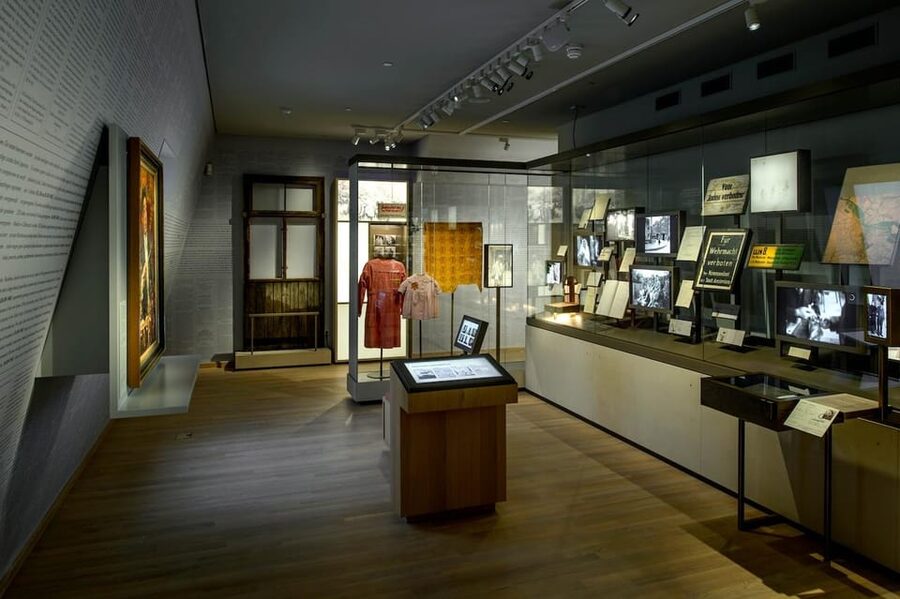
The museum’s strongest feature is its use of personal evidence. Portraits, suitcases, artifacts, and written accounts bring individual lives into the rooms. The displays are not only about what the Nazis did. They also show who was affected and what was lost.
The audio guide adds another layer. It provides clear explanations throughout the museum and helps you make sense of the objects and events. Allow time to listen rather than treating it as background sound. One practical warning: an English audio selection has occasionally switched into Dutch, so check the language if the narration changes unexpectedly.
Interactive holograms are another modern feature. You can ask questions and receive answers from recorded figures connected with the history. This can help you focus on individual experience, especially if you find long blocks of text tiring. It also adds a direct, human quality without turning the museum into entertainment.
The amount of information can feel heavy. That is not a flaw in the subject, but it does affect your visit. You may find it useful to take a quiet break, continue at a slower pace, or use the ticket’s seven-day validity to return after an initial visit.
The Hollandsche Schouwburg connection
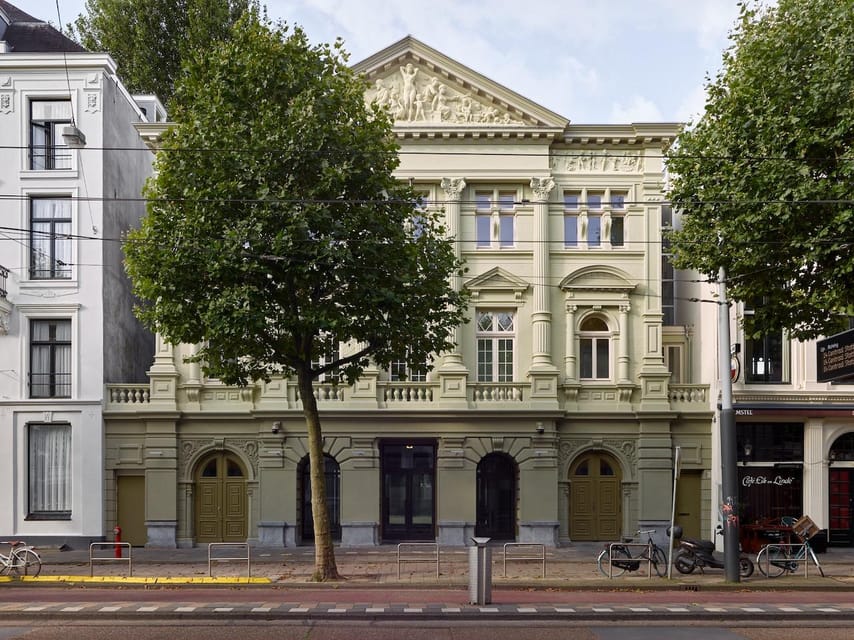
The same admission includes the Hollandsche Schouwburg National Holocaust Memorial. This former theater became a place where Jewish people were gathered before deportation during the Nazi occupation.
The second site adds physical and emotional context to the museum. At the National Holocaust Museum, you work through the larger story of Dutch Jewish life, persecution, rescue, and memory. At the Hollandsche Schouwburg, the process of collection and deportation feels tied to a specific Amsterdam address.
Visit both if your schedule allows. Treating the ticket as a single museum visit misses part of its value. The two locations help you connect national history with actual places in the city.
Because the ticket remains valid for seven days from first activation, you do not have to force both sites into one rushed afternoon. The supplied information does not state a separate visit duration, and this is best understood as a flexible admission ticket rather than a guided tour with a fixed route or finish time.
How long should you allow?
I would set aside half a day if you want to read and listen properly. Several people have needed hours, and early closing has caught some visitors before they reached the end. Do not arrive just before closing and expect to absorb the full exhibition.
The exact length depends on your pace. A fast visit is possible, but you will lose much of the personal material. If you use the audio guide, stop at the hologram displays, and read the labels, the museum can easily fill an afternoon.
A useful plan is to visit when you are mentally fresh. Pairing it with a cheerful market or a major art museum immediately beforehand may leave you distracted or worn out. I would place it earlier in the day, then leave room afterward for a quiet walk or meal.
The museum café is a helpful practical feature. It gives you a place to pause without turning the visit into a race from one display to the next.
Price, flexibility, and practical value
At $24 per person, the ticket is not the cheapest Amsterdam museum admission. Its value comes from the two included locations and the amount of time you can spend with the material. You are paying for access to a major historical exhibition and a related memorial, not for a short guided presentation.
The seven-day validity improves the value. If you are staying in Amsterdam for several days, you can visit the museum first and return to the Hollandsche Schouwburg later, or do the reverse. That flexibility matters because trying to see everything in one rushed session would weaken the experience.
You can reserve now and pay later, which helps if your itinerary is still shifting. Cancellation is free up to 24 hours in advance for a full refund. The museum is wheelchair accessible. Photography is allowed, but keep it quiet and respectful, especially around personal artifacts and memorial spaces.
There is no named guide included. This is a self-guided museum visit, with the exhibition, audio material, and interactive elements doing the explaining. That suits you if you like to set your own pace. If you prefer a live guide to interpret every room, this ticket may feel less personal.
Who will get the most from this visit?
I recommend it to anyone who wants to understand the Dutch experience of the Holocaust rather than see only a general account of Nazi Germany. It is also a strong choice for visitors interested in how museums handle public memory and the difficult task of presenting mass violence.
Families with older children and teenagers may find the personal stories easier to follow than a purely academic exhibition. Parents should judge the subject matter for themselves, since the museum deals directly with murder, deportation, and the suffering of children.
It suits independent visitors especially well. You can stop when you need to, read only some labels, listen to the audio guide, and return during the seven-day validity period. The museum is less suited to anyone looking for light sightseeing or a quick attraction between other bookings.
A few things to keep in mind
The museum is highly emotional, and that is part of its purpose. Still, you should not feel obliged to look at every display or finish every audio segment in one sitting. Give yourself permission to pause.
Lighting can also affect what you see. Reflective glass has made some cabinets difficult to view, especially around objects such as suitcases and portraits. If an artifact is hard to see, move to another angle rather than assuming you have missed the intended detail.
The route is generally clear in its content but not always in its physical signage. Take a moment at junctions, and do not worry if you need to retrace your steps. The museum rewards patience more than speed.
Should you book the National Holocaust Museum ticket?
Yes, if you want a serious, carefully presented account of Jewish life and persecution in the Netherlands, and you can give the subject several hours. I especially recommend it because the ticket joins the National Holocaust Museum with the Hollandsche Schouwburg, while the seven-day validity lets you avoid a rushed visit.
Book it with realistic expectations. This is not an entertaining stop to squeeze into a busy afternoon, and the amount of information may feel overwhelming. But if you are ready for a quiet, difficult, and deeply important museum experience, the $24 admission offers solid value and a clear connection to Amsterdam’s wartime past.
FAQ
What does the National Holocaust Museum ticket include?
The ticket includes entry to the National Holocaust Museum and the Hollandsche Schouwburg National Holocaust Memorial.
How long is the ticket valid?
The ticket is valid for seven days from first activation. This refers to the admission validity period, not a seven-day museum visit.
How much does admission cost?
The listed price is $24 per person.
Is this a guided tour?
No live guide is specified. You visit independently, with museum displays, an audio guide, and interactive hologram material available as part of the experience.
How much time should I allow?
Allow at least several hours, and ideally half a day, because there is a large amount to read and hear. Some visitors have needed to leave before seeing everything because of closing time.
Is the museum wheelchair accessible?
Yes, the activity is listed as wheelchair accessible.
Can I take photographs?
Yes, photography is allowed. You should be respectful when photographing exhibits and memorial spaces.
Can I cancel the booking?
Yes. You can cancel up to 24 hours in advance for a full refund. You can also reserve now and pay later.
Just added in Amsterdam
- Castle De Haar Small-Group Tour from Amsterdam★ 5.0 · 101 reviews
- Amsterdam: ‘Boom Chicago’ English Comedy Show★ 4.5 · 213 reviews
- English Comedy Show Amsterdam: Boom Chicago★ 4.5 · 112 reviews
- Amsterdam: E-Bike Sightseeing Tour★ 4.7 · 99 reviews
- Amsterdam: Magic Show★ 4.7 · 38 reviews
- Amsterdam: Private Photoshoot for Couple, Family, or Solo★ 4.9 · 251 reviews
- Amsterdam: The Comedy Embassy Stand-Up Show★ 3.9 · 20 reviews
- Private Airport Transfer to or from Schiphol Airport★ 4.5 · 128 reviews
Museums, compared.

Moco Museum Amsterdam Entrance Tickets with Banksy & More
Read our review →
Browse the lists this tour appears in