
Reviewed · MUSEUMS
Eindhoven: Philips Museum Entry Ticket
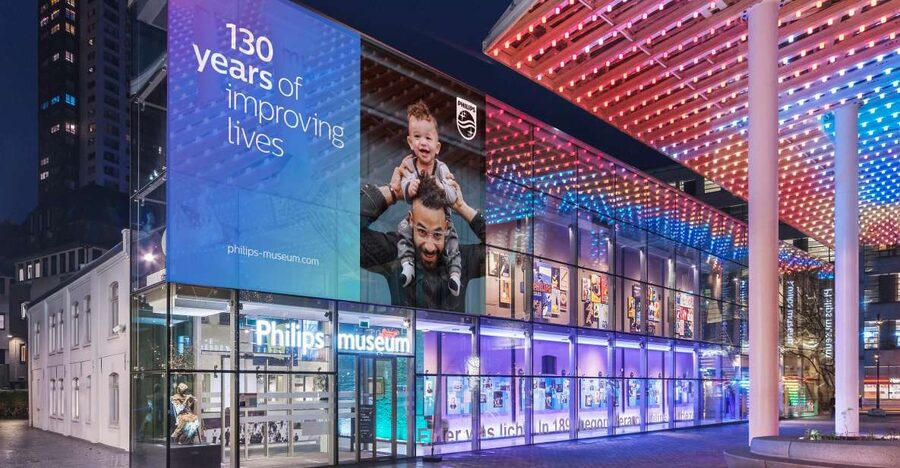
The Philips Museum begins with a practical question: how did a small lightbulb factory help change everyday life? Inside the 1891 factory, you follow Philips from its first lamps through radio, television, digital technology, healthcare, and artificial intelligence. It is part company story, part Eindhoven history, and part technology lesson.
I like the clear timeline, which lets you watch products change step by step instead of facing a jumble of old machines. I also like the mix of serious displays and hands-on options, including brAInpower, the torchlight treasure hunt, and scheduled activities such as The Lamp. The main drawback is that some of the most family-focused options, including Museum Kids Factory and Mission Eureka, cost extra or are not included.
Key points
- A lightbulb factory from 1891: See where Philips began and learn how early lamps were made.
- A product timeline: Follow Philips through electric light, radio, television, digital technology, healthcare, and AI.
- Interactive AI content: The brAInpower exhibition looks at both the past and future of artificial intelligence.
- More than a standard museum ticket: Scheduled activities, temporary exhibitions, lockers, an audio tour, and a torchlight treasure hunt are included.
- Useful for families: Children have interactive elements, but the separate Museum Kids Factory and Mission Eureka group game are not part of this ticket.
- Easy central stop: The museum is close to a central area of Eindhoven, with parking lots nearby.
Inside Eindhoven’s former lightbulb factory
The setting does much of the storytelling before you read a single panel. The Philips Museum occupies a lightbulb factory built in 1891, the year Gerard Philips began the company’s work in Eindhoven. That gives the visit a useful sense of place. You are not looking at an abstract corporate display in a modern building. You are standing in the kind of industrial setting tied to Philips’ earliest work.
The museum uses this building to introduce Gerard Philips, his ideas, and the decisions that shaped the company. You get a glimpse of the founder’s thoughts and actions, then move into the wider effects of his inventions. The emphasis is not only on what Philips made, but on how those products changed ordinary routines.
That distinction matters. A lightbulb is a simple object today, but electric light altered working hours, homes, streets, factories, and public life. Philips’ later products did something similar through sound, images, information, and medical care. The museum works best when it connects each object to that larger social change.
Other collections worth booking around the Netherlands:
- Amsterdam: Van Gogh Museum Ticket
★ 4.7 · 52,054 reviews - Moco Museum Amsterdam Entrance Tickets with Banksy & More
★ 4.4 · 10,088 reviews - Amsterdam: The Upside Down Museum Entrance Ticket
★ 4.4 · 9,506 reviews
Following the Philips timeline from lamps to healthcare
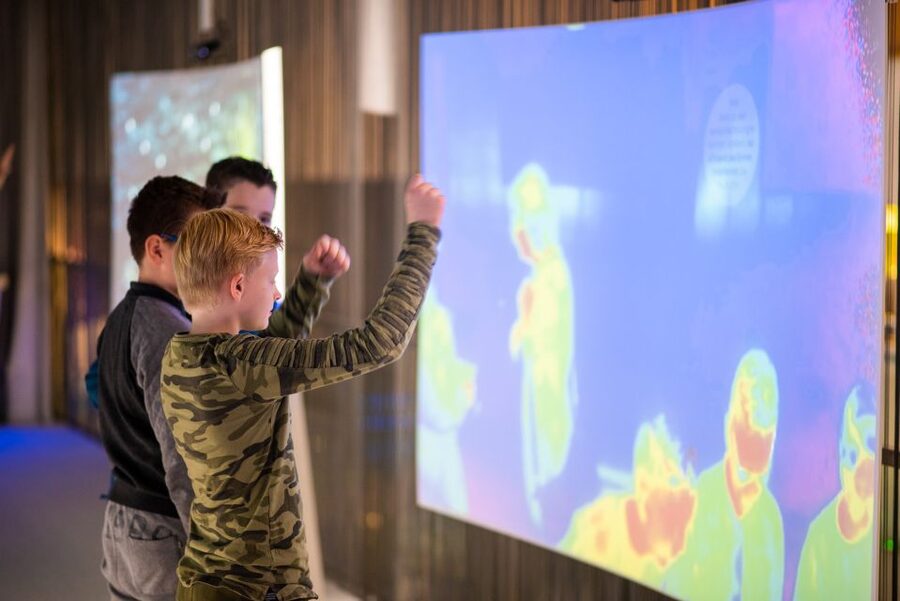
The main route is chronological, so you can take the story in a steady order. You begin with early electric lighting and then move through the company’s later products and inventions. The timeline helps you see how Philips repeatedly shifted direction rather than remaining only a lamp maker.
The opening section takes you back to 1891 and the production of the first lightbulbs. This is likely to be one of the most memorable parts for anyone interested in industry or design. You see how early bulbs were made and gain a sense of the careful, hands-on work behind a product that later became common in homes across the world.
From there, the story moves into radio and television. These sections bring Philips into the living room. Radios changed how people received news and entertainment, while television changed how families experienced events, sports, and popular culture. Old products can look familiar and strange at the same time, especially when you consider how much equipment has shrunk since those early days.
The route then reaches the digital age. Here, the museum shows how technology shifted from separate household devices toward connected and increasingly computer-driven systems. Philips’ current focus on healthcare provides the next major chapter. The company’s work is presented as part of a continuing goal: using technology to improve people’s lives.
I appreciate that the museum does not stop at a nostalgic parade of old products. Nostalgia is present, especially in the household objects, but the timeline keeps asking what each invention did. That makes the visit more useful than a display of vintage appliances alone.
Gerard Philips and the human side of innovation
The museum gives attention to Gerard Philips as a person, not just a name on a logo. Learning about his thoughts and actions helps put the early company in context. You get a clearer idea of how an invention moves from an idea to a working product and then into daily life.
This section also helps balance the scale of the company. Philips is now a familiar international name, but the museum begins with a much smaller operation. The story of that growth is easier to understand when you start with the founder and the first factory.
You should not expect a full biography of every Philips executive or a detailed account of every business decision. The focus is the company’s development through products and technology. Still, the founder material gives the rest of the visit a personal starting point.
brAInpower and the future of artificial intelligence
The AI exhibition, brAInpower, shifts the museum from the past into a subject still taking shape. It looks at the history and future of artificial intelligence, as well as Philips’ role in this field. That makes it one of the more current parts of the experience.
The value here is the contrast. In one room, you may be considering the first lightbulbs made by hand. In another, you are thinking about systems that can process information and support modern healthcare. The museum uses this contrast to show that innovation is not a single breakthrough. It is an ongoing process of adapting technology to new needs.
I would allow extra time for this section if AI interests you. It is also a good reason to visit even if you have already seen older Philips products elsewhere. The exhibition connects the company’s earlier work in electronics with its current interest in healthcare and intelligent technology.
Do keep your expectations sensible. The available information does not promise a large-scale laboratory experience or a detailed technical workshop. Think of brAInpower as an exhibition about ideas, development, and the role of AI, with Philips placed in that story.
A few more things to do in the Netherlands worth a look
- Amsterdam: Heineken Experience Ticket
★ 4.6 · 30,055 reviews - Amsterdam: Rijksmuseum Entry Ticket
★ 4.7 · 25,535 reviews - Amsterdam: Icebar Entry Ticket with 3 Drinks
★ 4.2 · 14,562 reviews - Amsterdam: Keukenhof Ticket and Roundtrip Shuttle Transfer
★ 4.7 · 11,799 reviews
Temporary exhibitions: Eyecatchers and PSV
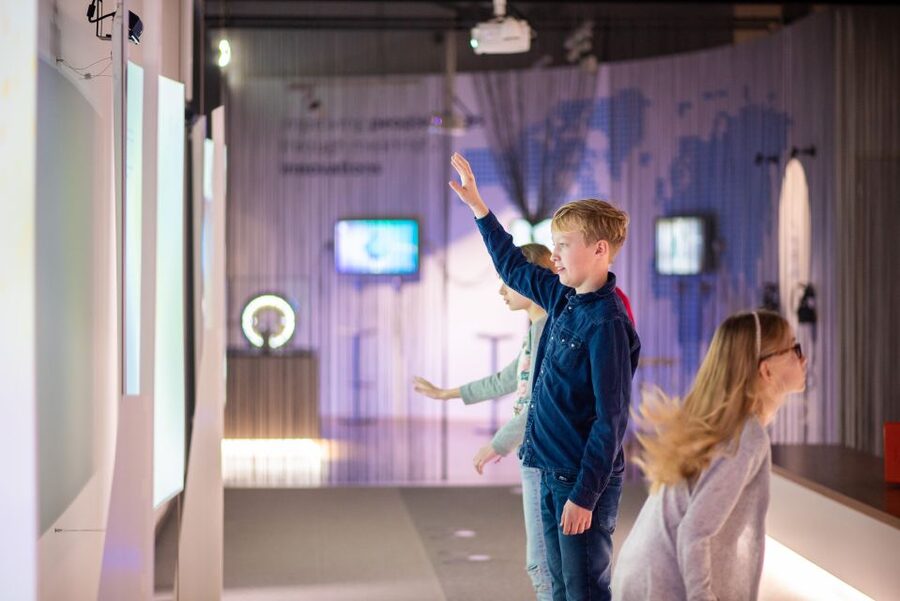
Your ticket also includes the temporary exhibitions Eyecatchers and PSV, Eendracht maakt macht. Their subjects give the museum a broader local flavor.
Eyecatchers fits naturally with a company known for design, visual products, and household technology. It offers another way to consider how Philips products have been presented and noticed over time.
The PSV exhibition connects the museum with Eindhoven’s football identity. PSV is a major part of the city’s public life, and Eendracht maakt macht adds a local sports angle to a visit otherwise centered on technology and industry. If you care about football, this may be a highlight. If not, it is still a useful reminder that Philips is tied to Eindhoven beyond its factories and products.
Temporary displays can change, so treat these two names as part of the current offering described here rather than a permanent promise for every future visit.
Audio tour languages and the pace of your visit
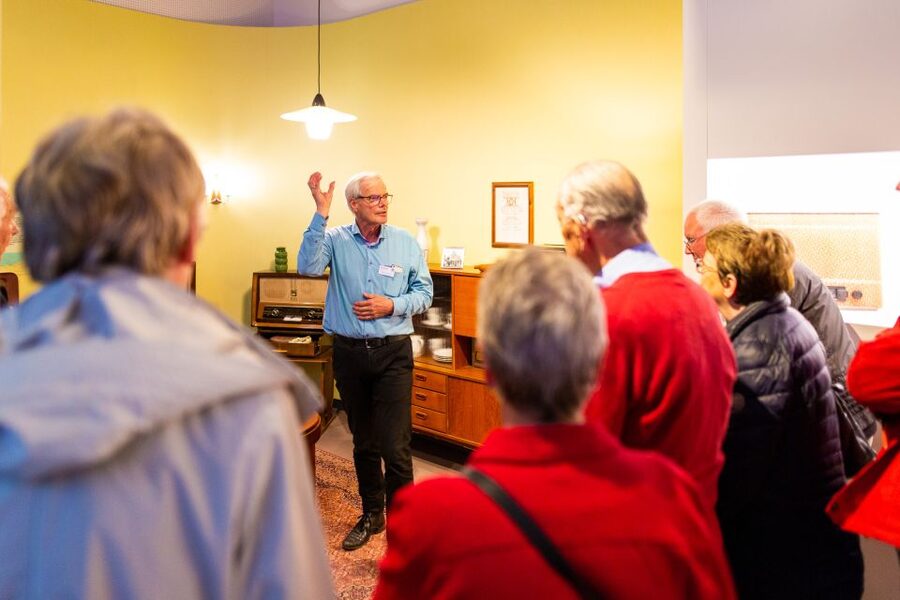
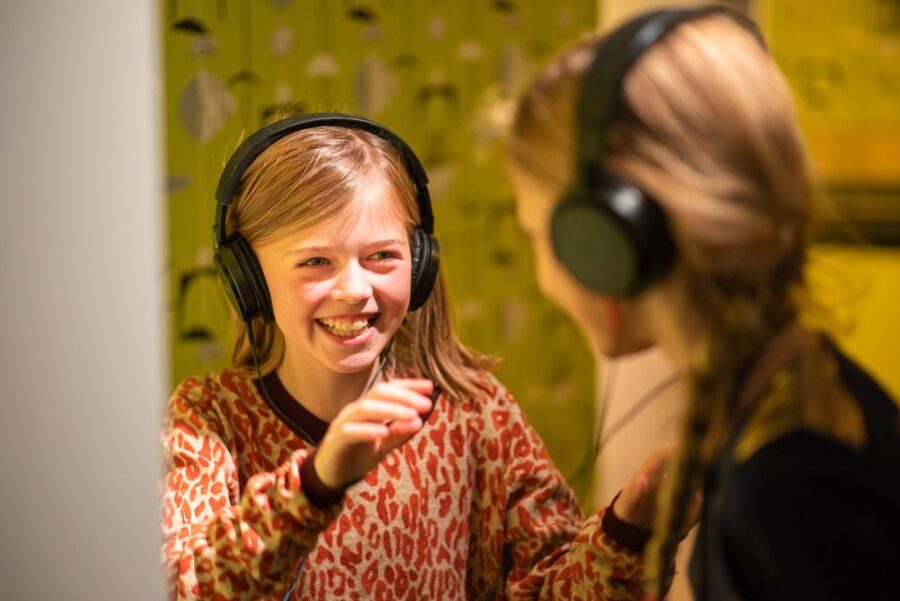
An audio tour is available in Dutch, English, German, French, Turkish, Spanish, and Italian. That is helpful if you want more context than the short display text provides, or if different members of your group prefer different languages.
The host or greeter can assist in Dutch or English. The museum is designed for a self-guided visit, so you can set your own pace rather than follow a fixed group from room to room. You can pause at products that interest you and move faster through sections that feel less relevant.
The ticket is valid for one day, with starting times depending on availability. That makes the museum easy to fit around other plans in Eindhoven. You do not need to treat it as an all-day commitment. A shorter visit can focus on the factory, timeline, and AI exhibition, while a longer visit can include the temporary displays and scheduled activities.
Scheduled activities include Mini Lectures and the performance The Lamp. Since activity times can vary, check what is scheduled for your date. These are included, but they are not the same as a private guided tour. The ticket does not include a guided tour, so you should plan on exploring independently.
Family options, treasure hunts, and what is not included
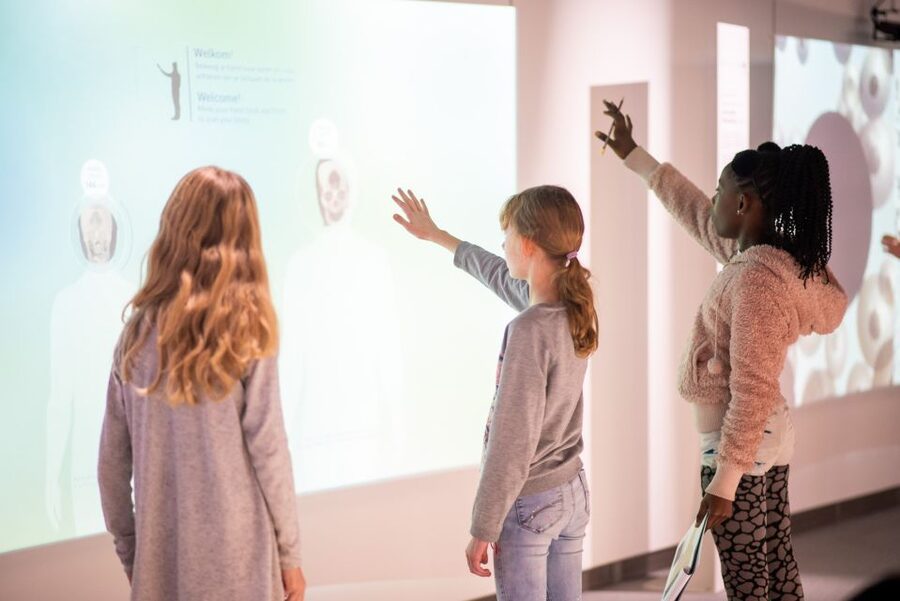
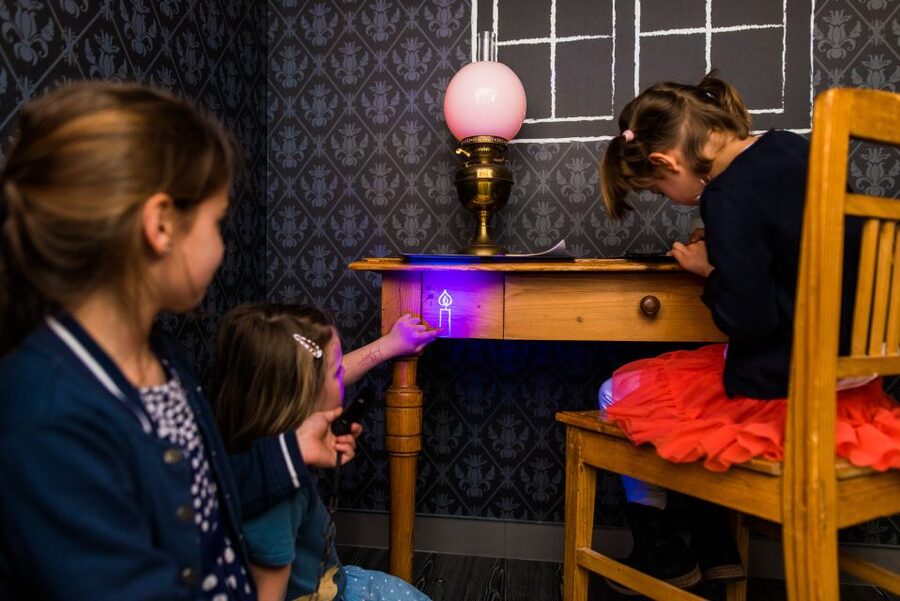
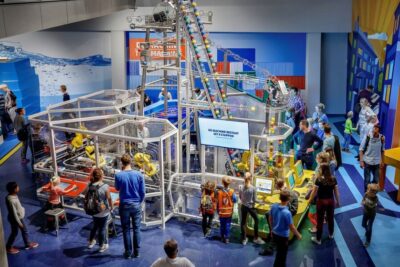
The museum has enough interactive material to keep children involved, especially through the torchlight treasure hunt. That activity gives younger visitors a task to follow instead of asking them to read every panel. It can also add a playful edge to a subject that might otherwise feel focused on factories and corporate history.
The separate Museum Kids Factory activity is not included. Nor is the group game called Mission Eureka. Families should check the available options before booking if one of those activities is the main reason for the visit.
This is an important distinction when judging the $14 price. The standard admission includes quite a bit, but it is not an all-access family program. You are paying for the museum, audio tour, included activities, temporary exhibitions, storage lockers, and treasure hunt. Extra programs may require another booking or fee.
For older children and teenagers, the museum can work well as a technology stop, especially if you connect the historical objects to the AI exhibition. Younger children may enjoy the treasure hunt more than the corporate timeline. I would not choose this as a child-only outing, but it can make a good shared visit for families with mixed interests.
Location, arrival, and practical comfort
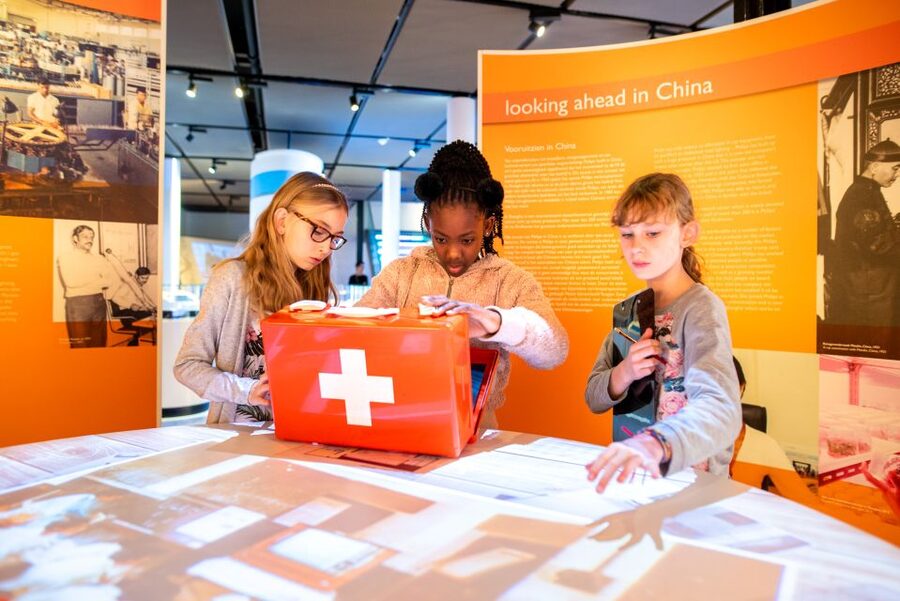
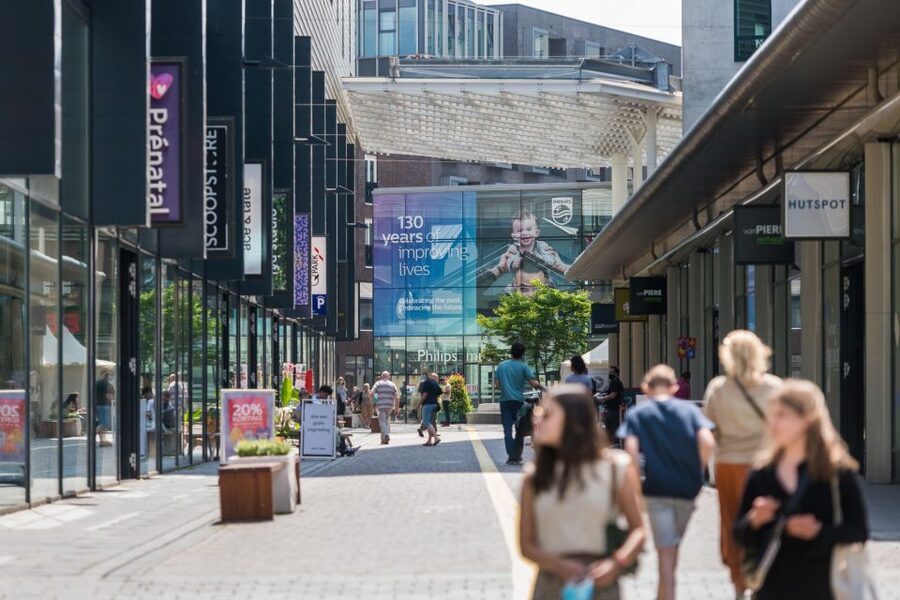
The museum is close to a central area of Eindhoven, which makes it easy to add to a day in the city. Parking lots are available nearby, according to the practical information provided for the experience. That is useful if you are driving, though you should still allow time to park and walk to the museum.
Storage lockers are included for baggage or personal belongings. You can leave bulky items behind and move through the exhibits more comfortably. Cash is not accepted, so bring a card or another accepted cashless payment method for any purchases.
The museum is wheelchair accessible. That makes the visit easier to plan for people who need step-free access, though the supplied information does not provide detailed notes about every room or facility.
The visit is offered in Dutch and English, with the audio tour adding German, French, Turkish, Spanish, and Italian. That gives international visitors a practical way to follow the story without relying only on written panels.
Is $14 good value for the visit?
At $14 per person, the ticket is reasonably priced if you are interested in Eindhoven, Philips, design, technology, or modern social history. You are not paying only to look at old lightbulbs. The admission covers the factory setting, the main timeline, current AI material, temporary exhibitions, scheduled activities, the audio tour, lockers, and treasure hunt.
The value is strongest when you allow enough time to use those inclusions. If you rush in, glance at a few old products, and leave, the price will feel less convincing. If you follow the timeline, listen to selected audio sections, examine brAInpower, and check the scheduled activities, the ticket offers a fuller experience.
A museum or student card may qualify you for a discount. Bring it with you and present it at the museum. Food and drinks are not included, so plan to eat elsewhere or arrange refreshments separately.
The reserve-now-and-pay-later option can help if your Eindhoven plans are still moving around. Free cancellation is available up to 24 hours in advance for a full refund. Those terms are useful, but the main value still comes down to your interest in the subject and the time you give the museum.
Who should visit the Philips Museum?
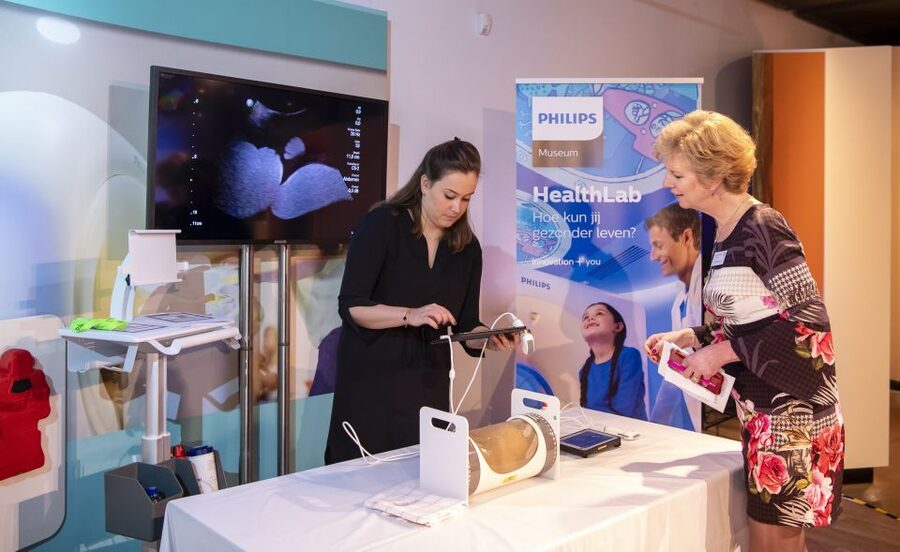
I would recommend this museum to anyone curious about how familiar technology entered daily life. It is especially suitable for visitors who want an Eindhoven experience with a clear local connection rather than a general art collection.
It also suits:
- Families looking for a museum with a treasure hunt and interactive technology themes.
- Football fans interested in the PSV exhibition.
- Design and product enthusiasts who enjoy seeing how household objects change.
- Visitors interested in AI and healthcare technology.
- Anyone with a spare part of a day near central Eindhoven.
You may want to skip it if you have little interest in technology, company history, or industrial development. The museum tells a focused story, and that focus is its strength. It is not a broad survey of Dutch culture.
Should you book the Philips Museum?
Book it if you want to understand why Eindhoven is linked so closely with Philips and how one company moved from lightbulbs into radio, television, digital technology, healthcare, and AI. The 1891 factory setting, strong timeline, audio options, and included activities make $14 a fair price for a self-guided museum visit.
I would be especially inclined to book in the morning, when the museum may feel quieter and easier to explore at your own pace. Check the day’s schedule first if The Lamp, a Mini Lecture, or a family activity matters to you. Just remember that Mission Eureka and Museum Kids Factory are not included, and there is no guided tour with the standard ticket.
FAQ
Where is the Philips Museum located?
The Philips Museum is in Eindhoven, in North Brabant, Netherlands. It is close to a central area of Eindhoven, with parking lots nearby.
How much does admission cost?
The listed price is $14 per person. A museum or student card may provide a discount.
How long is the ticket valid?
The ticket is valid for one day. Starting times depend on availability.
Is the Philips Museum wheelchair accessible?
Yes, the museum is wheelchair accessible.
Is a guided tour included?
No. The standard ticket does not include a guided tour. A self-guided audio tour is available.
Which languages are available for the audio tour?
The audio tour is available in Dutch, English, German, French, Turkish, Spanish, and Italian.
What languages can the host or greeter speak?
The host or greeter can speak Dutch and English.
Are food and drinks included?
No. Food and drinks are not included in the admission ticket.
Is cash accepted at the museum?
No. Cash is not accepted.
Just added in the Netherlands
- Aalsmeer: Flower Auction Royal Flora Holland Entry Ticket★ 4.6 · 41 reviews
- The Hague 2-Hour Walking Tour | Discover The City With A Local★ 4.5 · 81 reviews
- Food Walking Tour of The Hague – by Bites & Stories★ 5.0 · 188 reviews
- Utrecht Walking Tour with a local comedian as guide★ 5.0 · 48 reviews
- Utrecht Old Town: Medieval Monster Hunt & Walking Tour★ 4.0 · 62 reviews
- The Hague: City Walking Tour★ 4.5 · 156 reviews
- Utrecht 2-Hour Walking Tour | Discover The City With A Local★ 5.0 · 138 reviews
- Groningen: Open Boat City Canal Cruise★ 4.7 · 250 reviews
Museums, compared.
Moco Museum Amsterdam Entrance Tickets with Banksy & More
Read our review →
Browse the lists this tour appears in