
Reviewed · THE NETHERLANDS
Eindhoven: Wings of Liberation, The WWII Airborne experience
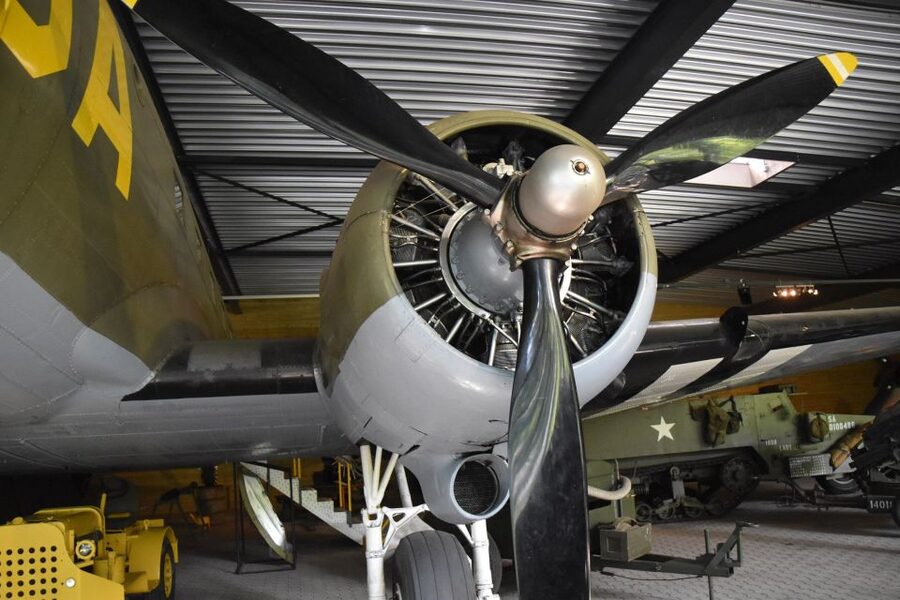
The roar of aircraft engines is the first thing this museum wants you to imagine. Wings of Liberation places you in the Brabant area where Allied airborne operations began on 17 September 1944, then follows the story from German occupation in 1940 through the liberation of southern Netherlands in late 1944. The Dakota C-53 and Horza glider give the story real scale, while the museum’s weapons, photos, and dioramas fill in the human details.
I like the clear wartime timeline, which helps you understand how occupation, repression, airborne operations, and liberation fit together. I also like the practical audio tour in Dutch and English, since it lets you take the exhibits at your own pace. The main consideration is time: this is not a quick aircraft stop. If you want to read the displays and use the audioguide properly, allow much of the day.
Key points to know before you go
- Operation Market Garden setting: The museum is in the Brabant area where the airborne campaign began on 17 September 1944.
- Aircraft you can see: The collection includes a Dakota C-53 and a Horza glider, along with other aircraft and military vehicles.
- A full wartime timeline: Displays cover the occupation in 1940, repression from 1940 to 1944, and liberation in the final months of 1944.
- English audio available: You can use the included audioguide in English or Dutch.
- Good value at $14: The ticket gives you a substantial museum visit rather than a short photo stop.
- Flexible booking: You can cancel up to 24 hours before the visit for a full refund, and payment can be postponed when you reserve.
Start with the story of Brabant’s liberation
Wings of Liberation is not simply a hall full of old machines. Its subject is the liberation of the southern Netherlands, and the museum begins by setting out what came before the fighting. You move through the years of German occupation in 1940, the repression that followed, and the events that led to the Allied advance.
That order matters. Military museums can sometimes throw you straight into uniforms, guns, and aircraft without explaining the civilian experience around them. Here, the timeline gives the displays a human and political setting. You can see why the arrival of Allied forces mattered so much to local people, not just why the aircraft and vehicles mattered to military history.
The key date is 17 September 1944, when airborne operations connected with Operation Market Garden began in this part of North Brabant. The museum’s location adds weight to the displays. You are not looking at a distant campaign from another country. You are learning about events that took place in the area around you.
I recommend starting slowly. Read enough of the early occupation material to understand the pressure on daily life before moving toward the airborne operation. If you hurry directly to the aircraft, you will see impressive objects, but you will miss the reason they were sent there.
Other trips people book in the Netherlands:
- Amsterdam: Van Gogh Museum Ticket
★ 4.7 · 52,054 reviews - Amsterdam Classic Saloon Boat Cruise with Drinks and Cheese
★ 5.0 · 31,825 reviews - Amsterdam Luxury Canal Cruise + Unlimited Drinks & Bites option
★ 5.0 · 30,518 reviews
The occupation years make the military story personal
The 1940 to 1944 section covers occupation and repression. The information provided does not list every individual exhibit, so you should expect the exact emphasis to vary from display to display. What matters is the broad structure: the war is presented as years of control and hardship, followed by a military campaign that changed the region’s future.
Photos are especially useful here. A photograph can show uniforms and equipment, but it can also show streets, faces, and the ordinary places affected by wartime events. The museum’s dioramas serve a similar purpose. They reduce the scale of a large campaign to scenes you can study at close range.
The exhibits are supported by an English or Dutch audioguide. I would use it rather than treat it as an optional extra. A printed label can identify an object, while an audio explanation can help connect that object to the operation and the people who used it. It also lets you pause, go back, or spend less time on sections that are not your main interest.
Families should find the mix useful, since children often respond first to aircraft and vehicles, while adults can follow the timeline and photographs. Still, the subject includes occupation and repression, so it is not a light entertainment stop. Give younger visitors some context before you begin.
Operation Market Garden comes into focus
The museum’s central military story is the airborne campaign tied to Operation Market Garden. The operation is presented through objects that were actually used, including aircraft and weaponry. That detail is important. Reproductions can explain a design, but original equipment carries the marks and scale of the period.
The airborne focus also gives the museum a clear identity. You are not getting a general survey of every battle in Europe. The emphasis is on the role of airborne forces and the liberation of southern Netherlands, especially in the Brabant area. If that is the part of the war you want to understand, the visit has a strong sense of purpose.
The displays include dioramas, photographs, aircraft, and weapons. Each type of object does a different job. Dioramas help you picture movement and position. Photos connect the campaign to real people and places. Aircraft show the logistical side of the operation, while weapons make the fighting more concrete.
Do not rush past the smaller objects on your way to the large machines. The aircraft may be the visual stars, but the weapons and photographs help explain what the soldiers carried, faced, and depended on. The best visit moves between the large and small evidence.
The Dakota C-53 and Horza glider provide the scale
The Dakota C-53 is one of the museum’s major draws. A transport aircraft can look familiar in a photograph, but its size is easier to understand when you see it in person. The aircraft helps explain the practical side of an airborne operation: troops and equipment had to be moved through the air, then delivered into an active war zone.
The Horza glider adds another part of that picture. Together, the two aircraft show that airborne operations relied on more than fighter planes and parachutes. Transport aircraft and gliders were vital to moving people and supplies. Their presence gives you a better sense of the machinery behind the campaign.
Several comments about the museum focus on the size and authenticity of the aircraft and vehicles. That is sensible advice. Even if you know the basic story of Operation Market Garden, the physical scale changes how you picture it. You can spend time looking at the shape, structure, and practical purpose of each machine instead of treating it as a flat illustration.
The aircraft are also a good reason to bring a camera, provided photography is allowed in the areas you enter. The supplied information does not set out a photography policy, so check on arrival rather than assume.
Same city, a different sort of day:
- Amsterdam: Heineken Experience Ticket
★ 4.6 · 30,055 reviews - Amsterdam: Rijksmuseum Entry Ticket
★ 4.7 · 25,535 reviews - Amsterdam: Classic Boat Cruise with Optional Cheese & Wine
★ 4.6 · 22,925 reviews - Amsterdam: Evening Cruise with Optional Wine and Snacks
★ 4.4 · 19,696 reviews
Military vehicles and weaponry fill out the collection
The museum has a good selection of military vehicles and aircraft, with displays of weapons used during Operation Market Garden. This range gives the visit more balance than an aircraft-only collection. Vehicles show how the campaign moved on the ground after airborne forces arrived, while weapons point to the difficult work of fighting and holding positions.
I find this kind of mix useful because it avoids turning the operation into a story about machines alone. Aircraft get you through the door, but ground equipment helps you understand what happened after landing. The collection can also help you compare scale: a vehicle, a weapon, and an aircraft each show a different part of wartime logistics.
The collection is authentic in a practical sense, with equipment connected to the operation rather than only generic military objects. That makes the museum especially suitable for anyone with a focused interest in World War II aircraft, airborne forces, or the liberation of the Netherlands.
At $14 per person, the range of material matters. You are paying for access to a full museum collection, not only for a view of one famous aircraft. The ticket is good value if you take time with the timeline, audio material, and smaller displays. It is less compelling if you only want a quick photograph beside a plane.
How to plan your one-day visit
The ticket is valid for one day from first activation, and the experience is best treated as a flexible museum visit rather than a tightly timed guided excursion. There is a host or greeter, but no named guide or fixed live tour is provided in the information available. The audioguide is the main tool for adding explanation as you move through the collection.
I would begin with the timeline, continue through the occupation and repression material, then spend the most time in the aircraft and vehicle areas. Finish by returning to any object that the audioguide made more interesting. This order gives you context before the visual highlights.
You can also reverse the plan if you are visiting with children or with someone who has limited patience for long text. Start with the Dakota C-53 and Horza glider, then use those machines as an introduction to the airborne operation. Move into the historical displays once everyone has a clear picture of the equipment involved.
The supplied information describes the activity as lasting one day, rather than giving a fixed number of hours. That means you should avoid pairing it with an overly tight schedule. The museum has enough material to reward a careful visit, especially if you read the displays and listen to the audio.
The site is wheelchair accessible. That removes one important barrier, though the information provided does not describe the width of every passage, seating locations, or restroom arrangements. If you need a specific facility, confirm it with the museum before setting out.
Who will get the most from Wings of Liberation
I would recommend this museum to anyone interested in World War II, airborne operations, military aircraft, or Dutch liberation history. It is also a good choice for families who want something more substantial than a monument or memorial, since the aircraft and vehicles provide an immediate visual entry point.
The museum suits both newcomers and specialists, but in different ways. If you are new to Operation Market Garden, the timeline and audio tour should help you follow the story. If you already know the campaign, the original aircraft, weapons, photographs, and vehicles give you physical details to examine.
Repeat visits can make sense too. One visitor returned after an earlier visit and found that having more time to read and admire the displays made the experience stronger. That is a useful clue: this is the sort of museum where a rushed first visit can leave material for another look.
I would be more cautious about recommending it to someone who wants a short, purely entertainment-based attraction. The aircraft are striking, but the museum also asks you to spend time with serious wartime subjects. You need some interest in the story behind the objects.
The $14 price and booking flexibility
At $14 per person, Wings of Liberation is reasonably priced for a museum with aircraft, military vehicles, weapons, dioramas, photographs, and an included audio tour. The strongest value comes from the breadth of the collection and the chance to move at your own pace.
The ticket includes access to the Dutch and English audioguide, so English-speaking visitors do not need to arrange a separate guide. The audio option also makes the price easier to justify for independent visitors who want explanation without joining a group.
You can reserve now and pay later, which is useful if your route through North Brabant is still changing. Cancellation is free up to 24 hours in advance for a full refund. Those terms give you some room to adjust your plans without paying for a museum visit you can no longer make.
Should you book Wings of Liberation?
Book it if you want a serious, object-focused look at the liberation of southern Netherlands and Operation Market Garden. The combination of wartime aircraft, the Dakota C-53, Horza glider, military vehicles, weapons, photographs, and an English audioguide gives you plenty to work with for $14.
Plan enough time to read the timeline and listen to the audio. If you do, the aircraft become more than large photo props: they help explain how the airborne campaign worked and why the liberation of Brabant mattered. Skip it only if you have no interest in wartime history or need a very short stop.
FAQ
Where is Wings of Liberation located?
Wings of Liberation is in North Brabant, Netherlands, in the area connected with the airborne operations that began on 17 September 1944 as part of Operation Market Garden.
How much does admission cost?
The listed price is $14 per person.
How long is the experience?
The activity is valid for one day from first activation. The available information does not give a fixed number of hours, so you can plan it as a full museum visit.
Is an audioguide included?
Yes. An audioguide is included and is available in Dutch and English.
Is the museum wheelchair accessible?
Yes, the activity is listed as wheelchair accessible.
Can I cancel my booking?
Yes. You can cancel up to 24 hours in advance for a full refund. You can also reserve now and pay later.
Just added in the Netherlands
- Uniquely Utrecht: An Audio Tour of its Charming City Centre★ 5.0 · 4 reviews
- Castles, Canals and Good Folk: A Self-Guided Audio Tour of Utrecht★ 4.0 · 9 reviews
- Utrecht Food Tour on a Bicycle with local guide★ 5.0 · 23 reviews
- Your Own Hague. Behind The Scenes of The Royal City★ 4.5 · 5 reviews
- Walking Tour of Delft – The City of Orange and Blue★ 5.0 · 50 reviews
- 3 Hours itinerary between Amsterdam & Utrecht: The Heart Of Holland In A Sidecar★ 5.0 · 20 reviews
- e-Scavenger hunt The Hague: Explore the city at your own pace★ 3.5 · 10 reviews
- 3 Course Walking Dinner in Delft with Guided Tours in Between★ 5.0 · 3 reviews