
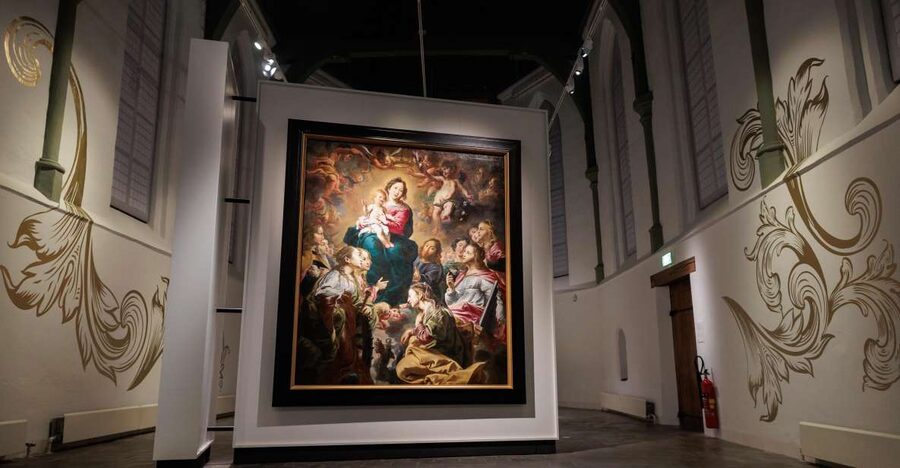
Reviewed · MUSEUMS
Gouda: Museum Gouda Entry Ticket
Museum Gouda is more than a picture gallery. Inside a 14th-century guest house, you move through six centuries of local life, from religious art rescued from the iconoclasm to the pottery that later put Gouda on the map. The best surprise is the huge interactive model showing the city in 1562.
I like the rare altar pieces, which give you a direct look at what Dutch religious art was like before churches were stripped of images. I also like the change of pace between fine paintings, civic guard portraits, clay pipes, and colorful Gouda pottery.
The main drawback is the lack of a listed audio guide, and there is no guide included with the ticket. If you want a story told room by room, bring patience and plan to read the displays carefully.
Key points
- See altar paintings that survived the 16th-century iconoclasm, a rare window into Gouda’s religious past.
- Study the interactive 1562 city model to understand how compact medieval Gouda once was.
- Compare major painters and local craftsmen, including Ferdinand Bol, Isaac Israels, clay-pipe makers, and pottery designers.
- Explore 17th-century civic guard pieces that show how the city presented its public leaders.
- Visit both the permanent collection and temporary exhibitions during your one-day admission.
- Expect a self-guided museum visit with English and Dutch support, but no listed audio guide.
Entering a 14th-century guest house
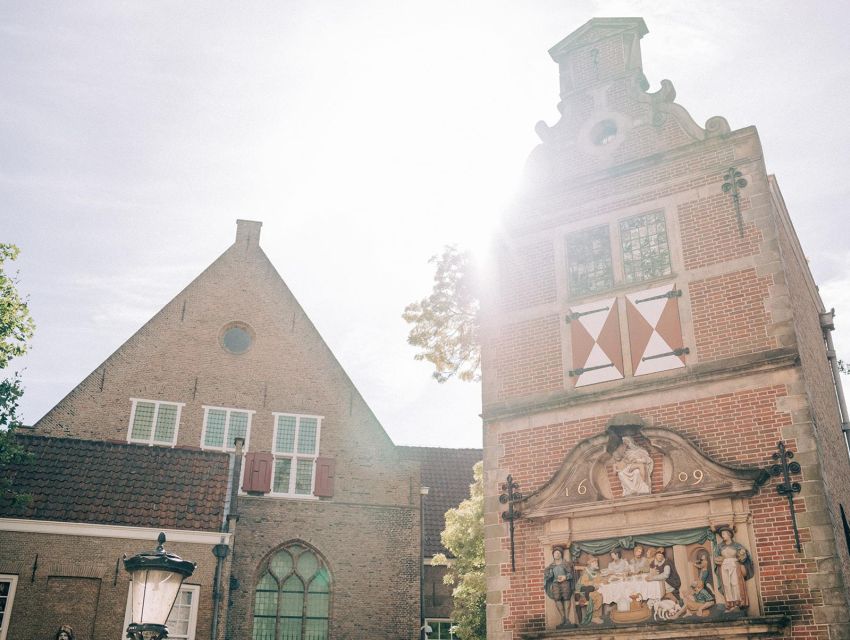
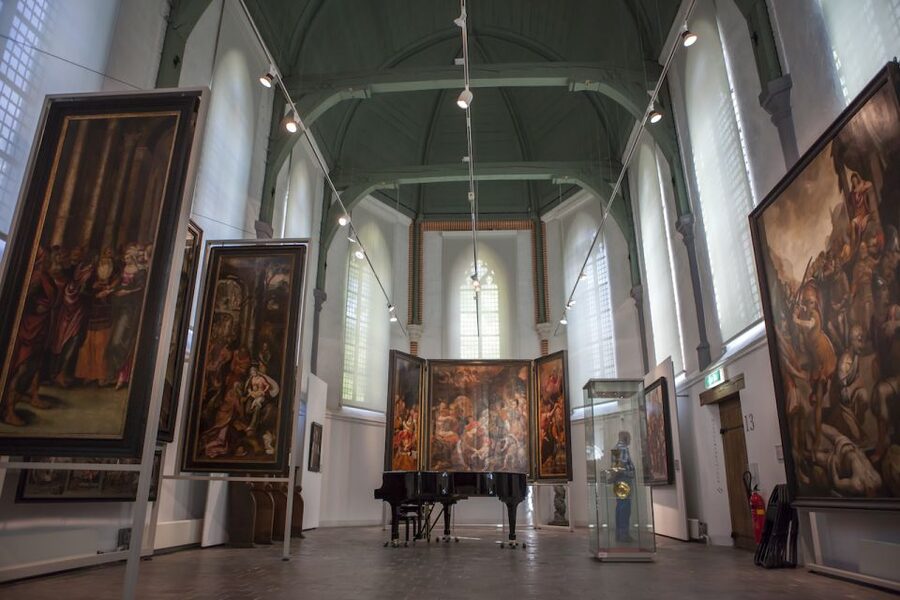
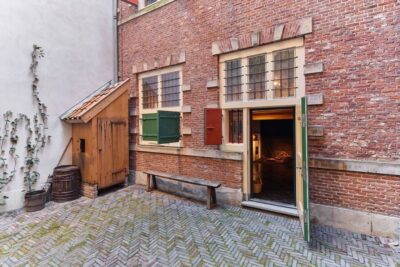
The setting does a lot of the work before you reach the first major painting. Museum Gouda occupies a 14th-century guest house, so the building itself places you in the city’s past. You are not entering a modern white-box gallery designed to separate art from daily life. You are walking into an old Gouda institution that now holds the city’s visual record.
That setting suits the collection. Gouda’s story is told through objects made for churches, city groups, homes, workshops, and trade. The result feels local in the best sense. You are not simply looking at famous names from a national art survey. You are seeing how one Dutch city expressed faith, civic pride, work, and taste over roughly 600 years.
The museum’s permanent displays are joined by temporary exhibitions, so the exact route can change. Give yourself enough time to read, look closely, and visit the temporary rooms rather than treating them as an afterthought.
Other collections worth booking around the Netherlands:
- Amsterdam: Van Gogh Museum Ticket
★ 4.7 · 52,054 reviews - Moco Museum Amsterdam Entrance Tickets with Banksy & More
★ 4.4 · 10,088 reviews - Amsterdam: The Upside Down Museum Entrance Ticket
★ 4.4 · 9,506 reviews
The altar paintings spared from iconoclasm
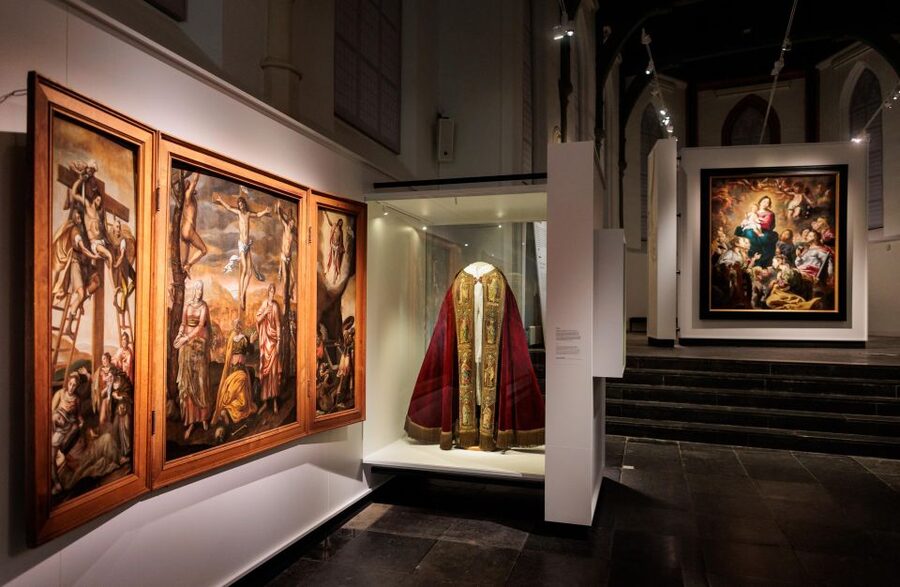
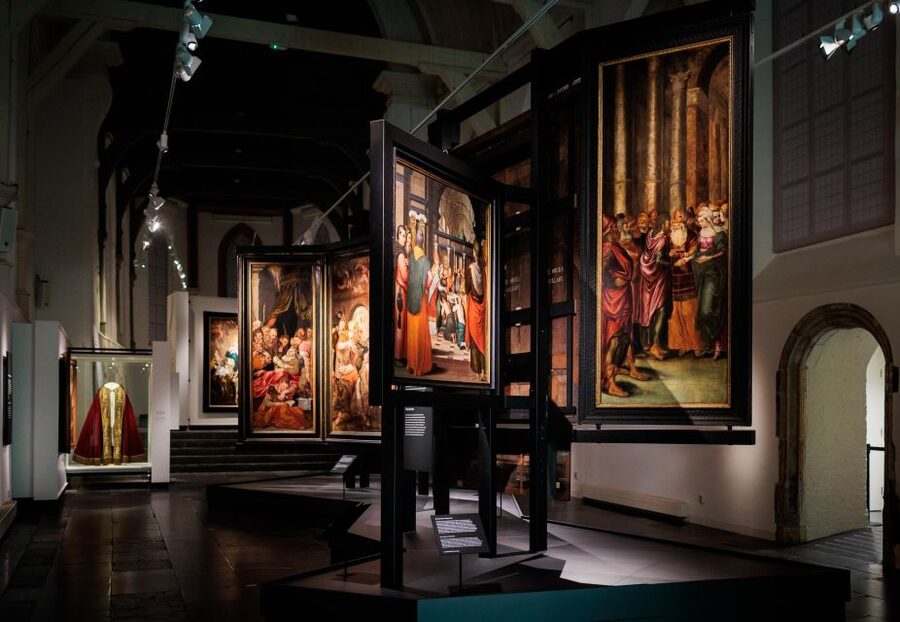
The strongest historical section is the group of altar paintings that survived the iconoclasm that swept through the Netherlands in the 16th century. During that period, religious images in churches were damaged or removed. Paintings that made it through that upheaval are valuable not just as art, but as survivors of a major change in Dutch religious life.
You can expect to see a 16th-century triptych among the collection. A triptych, with its connected painted panels, was made to be read as a single religious scene, often with the side panels opening or closing around a central image. Here, the format helps you understand the scale and purpose of church art before the Reformation altered the visual order of Dutch cities.
Do not rush this room. Look at how the panels relate to one another, then consider how unusual it is for such works to remain in the city where they were used or valued. The appeal is not only the brushwork. These paintings carry evidence of a time when art, worship, and public life were closely tied.
This is also where the lack of an audio guide matters most. The museum offers English and Dutch support, but a visitor who wants a detailed explanation of each religious scene may need to rely on wall text. If you enjoy making your own connections, that slower pace can be rewarding. If you prefer a guided narrative, prepare to do more reading.
Gouda in 1562, built as a model
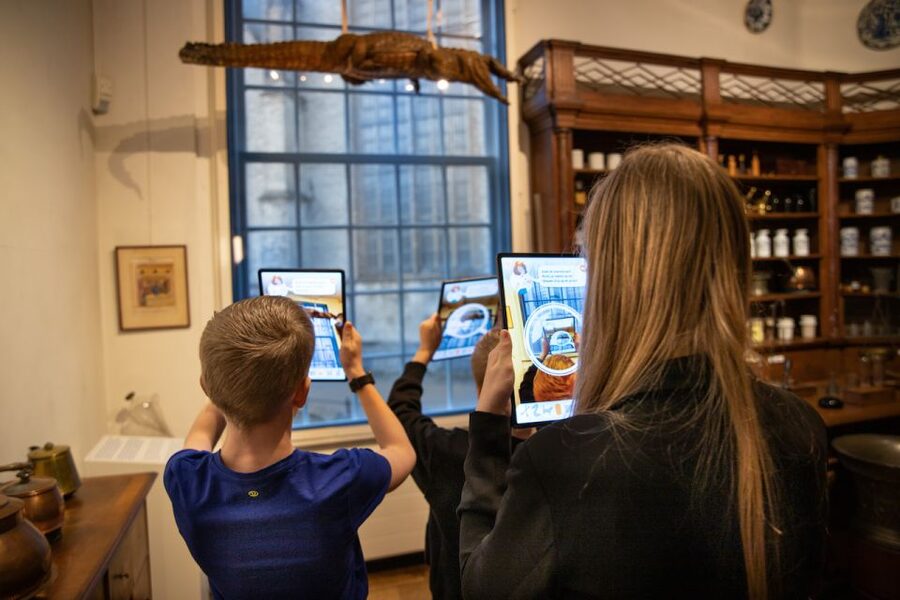
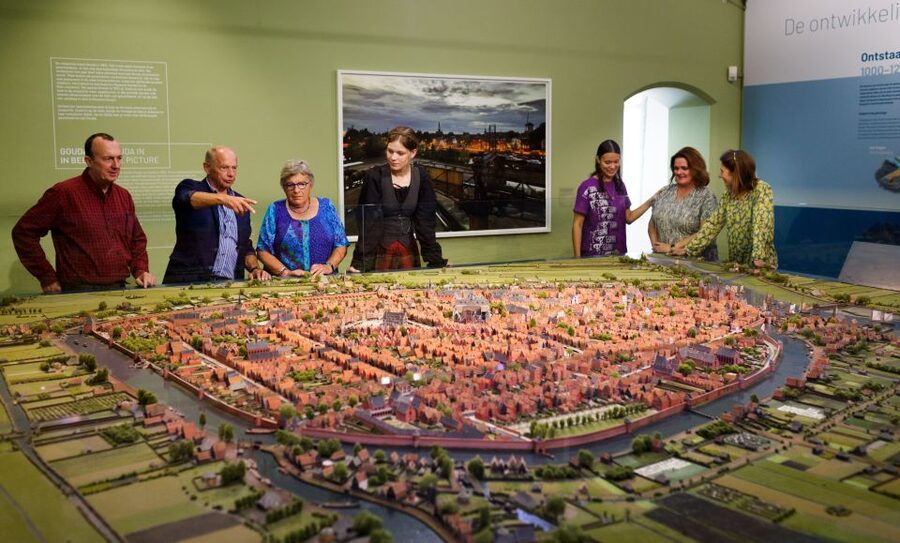
The large interactive maquette showing Gouda in 1562 is one of the museum’s most useful features. Instead of seeing individual paintings and objects in isolation, you can look at the city as a whole. The model gives scale to the streets, buildings, and urban shape that surrounded the people represented elsewhere in the collection.
For me, this is the sort of museum display that helps everything else click. A painting can tell you about a person or event, but a city model shows the setting. You begin to understand Gouda as a compact historic place, not just a name attached to cheese, pottery, or a church tower.
Take time to use the interactive elements rather than glancing at the model and moving on. The 1562 date is important because it places the city before many later changes. It also connects naturally with the surviving altar art, since both the model and the paintings belong to a period when religious buildings shaped the city’s identity.
The maquette is particularly helpful if you have already walked through Gouda’s center. You can compare the old city shown in the model with what remains today. Even without a guided explanation, it gives you a practical way to organize the museum’s historical story.
Civic guard portraits and public pride
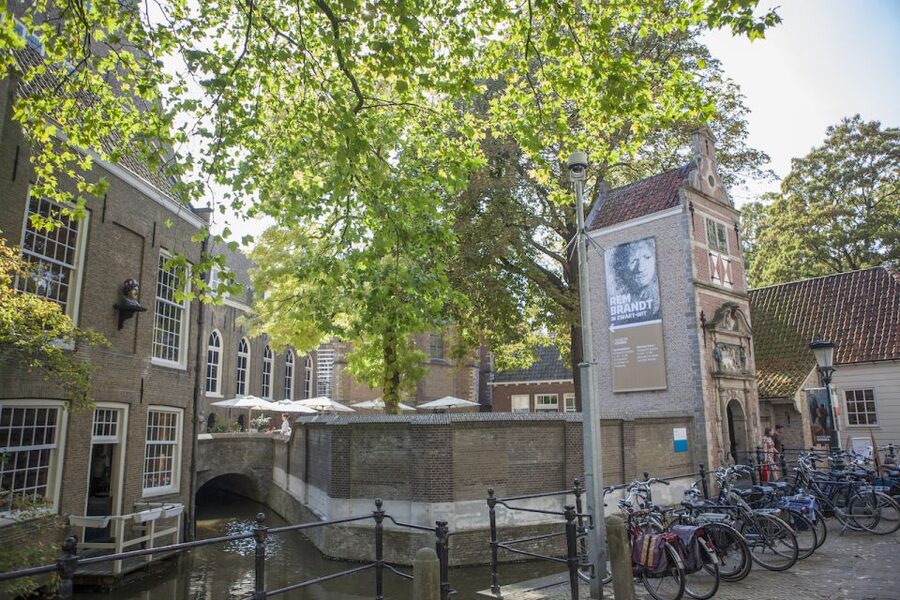
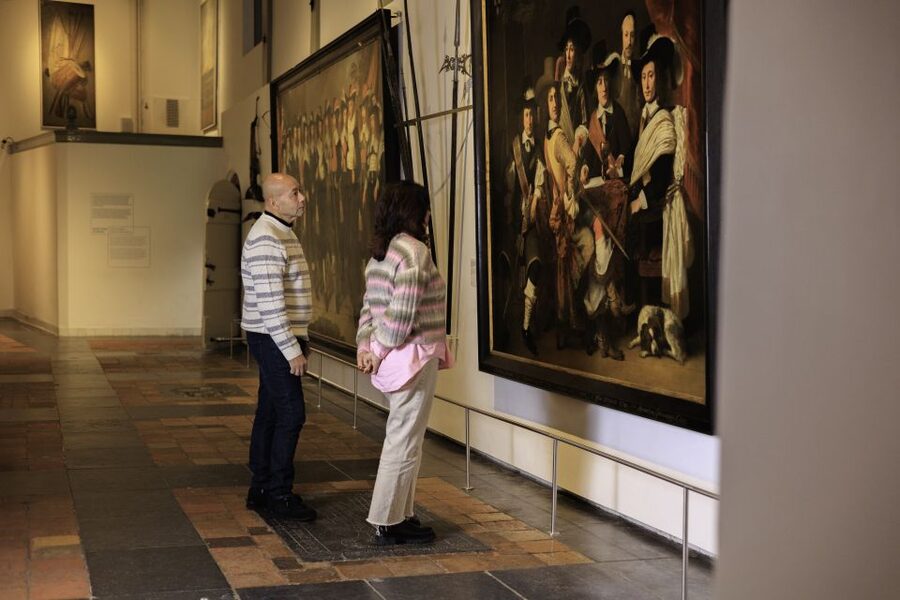
The collection then moves into 17th-century civic guard pieces and militia group portraits. These paintings were not private family snapshots. They presented organized groups of citizens, their status, and their role in the public life of the city.
Group portraits can be demanding because many faces compete for attention. Look for the way the figures are arranged, dressed, and presented. The people pictured wanted to be remembered as a body, but they also wanted viewers to notice individual rank and importance. That tension gives these works their interest.
The civic guard paintings also balance the religious art earlier in the visit. The altar pieces show communal devotion, while the militia portraits show civic identity. Together, they explain how Gouda represented itself in different settings.
You may find this section less immediately familiar than a room devoted to a single famous painter. That is part of its value. The paintings are tied closely to local life, and they reveal the city’s social structure rather than presenting art as something separate from politics or public duty.
A few more things to do in the Netherlands worth a look
- Amsterdam: Heineken Experience Ticket
★ 4.6 · 30,055 reviews - Amsterdam: Rijksmuseum Entry Ticket
★ 4.7 · 25,535 reviews - Amsterdam: Icebar Entry Ticket with 3 Drinks
★ 4.2 · 14,562 reviews - Amsterdam: Keukenhof Ticket and Roundtrip Shuttle Transfer
★ 4.7 · 11,799 reviews
Ferdinand Bol and Isaac Israels
Museum Gouda’s collection reaches beyond strictly local subjects. Works by Ferdinand Bol and Isaac Israels connect Gouda with wider Dutch painting traditions and give the collection a broader artistic range.
Ferdinand Bol is associated with the 17th-century Dutch painting world, so his presence fits naturally beside the civic and historical material. Isaac Israels represents a later period, bringing you into 19th and early 20th-century Dutch art. Seeing these artists within a city museum makes the point that Gouda was not cut off from larger artistic movements.
The collection also includes 19th-century French and Dutch works. This section changes the mood after the older religious and civic pieces. You can compare the subjects, style, and sense of everyday life across different periods without leaving the museum.
A useful way to approach this part is to stop looking only for famous names. Ask what changed in the way artists treated people, light, and ordinary scenes. The contrast between the 17th-century civic portraits and the later French and Dutch works gives you a simple visual route through time.
Some displays have drawn particular attention to Vermeer and Rembrandt, along with the presentation of the tower. The exact treatment can depend on the exhibition layout, but these references add another reason to read the labels carefully instead of relying on a quick walk through the galleries.
Gouda pottery and the city’s working identity
The pottery section explains a different kind of fame. Gouda’s plateel, or decorative pottery, became an important part of the city’s identity in the 20th century. Here, the museum moves from paintings made for churches and civic groups to objects designed for homes and collectors.
This is one of the most accessible parts of the museum because the color and pattern are easy to appreciate at a glance. Still, it is worth looking beyond decoration. The pieces show how design, manufacturing, and local reputation can work together. Gouda was known not only for old buildings and cheese, but also for a recognizable pottery tradition.
The museum also presents the Gouda clay pipe. It is a small object compared with a large painting, but it points to another local craft and another way the city earned a living. A collection that includes clay pipes alongside altar paintings and decorative pottery gives you a fuller picture of urban life.
I like this mixture because it keeps the visit from becoming a procession of paintings. The pottery and pipes remind you that a city’s culture is made in workshops as well as studios. They also give you something concrete to remember if religious art and formal portraits are not your main interests.
How long to spend and how to plan your visit
The ticket is valid for one day, not just for a short timed entry. That gives you room to visit at your own pace and include the temporary exhibitions. The experience does not list a fixed tour duration or a required starting time, so check availability when booking and allow enough time for the permanent collection.
At $19 per person, the value depends on how carefully you use the admission. If you want a quick look at a few paintings, the price may feel high for a small city museum. If you plan to study the altar pieces, use the 1562 model, read the civic portrait labels, and visit the temporary rooms, the one-day ticket becomes easier to justify.
Food and drinks are not included, and parking is not included. Keep those costs separate when planning your visit. The ticket covers entry only.
The museum is wheelchair accessible. English and Dutch are supported, and the host or greeter information lists both languages. Since no audio guide is included, English-speaking visitors should expect written information rather than a narrated route.
You can cancel up to 24 hours in advance for a full refund, and the reserve-now, pay-later option keeps the booking flexible. Those policies are useful if your Gouda day depends on changing train or city plans, though they do not change what the museum ticket itself includes.
Who will get the most from Museum Gouda?
I would recommend this visit to you if you like museums that connect art with a specific place. The collection is especially suitable if you want to understand Gouda beyond its most famous associations and see how religion, local government, craft, and painting shaped the city.
It also suits mixed-interest groups. One person can spend time with the 16th-century art, another can focus on Dutch painters, and someone else can make a beeline for the pottery. The 1562 model gives the visit a shared focal point, even if your art preferences differ.
Families and casual museumgoers may appreciate the interactive city model and the variety of objects. Still, the visit is not presented as a guided activity with a steady stream of explanation. If you need every room interpreted aloud, this may feel too quiet or text-heavy.
Art specialists will find useful material in the altar pieces, civic guard paintings, French and Dutch works, and pottery. The museum’s strength is its range. Its limitation is that the experience may not offer the depth of explanation you would get from a live specialist guide.
Should you book the Museum Gouda ticket?
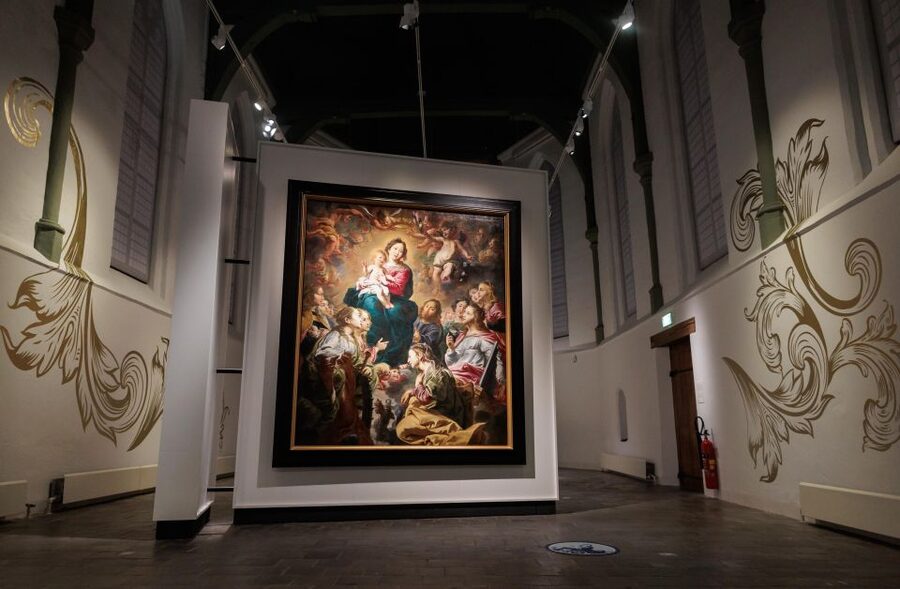
Book it if you want a focused look at Gouda’s past and you enjoy making connections between art and city life. The surviving altar paintings, the 1562 maquette, and the Gouda pottery give the visit three strong anchors, while Ferdinand Bol, Isaac Israels, civic guard pieces, clay pipes, and temporary exhibitions widen the story.
Think twice if you want an audio-led or guide-led experience. The entry ticket gives you access, not a personal explanation, and one direct assessment found the lack of an audio guide frustrating. For independent museumgoers, though, the flexible one-day access and varied collection make $19 a fair price, particularly if you take time with the temporary displays.
FAQ
Where is Museum Gouda located?
Museum Gouda is in South Holland, Netherlands.
What does the Museum Gouda ticket include?
The ticket includes entry to Museum Gouda.
How long is the ticket valid?
The ticket is valid for one day.
What languages are available?
English and Dutch are available for the host or greeter support and museum information.
Is the museum wheelchair accessible?
Yes, Museum Gouda is wheelchair accessible.
Is a guide included?
The ticket information includes entry, but it does not include a named tour guide. The visit is best approached as self-guided.
Is an audio guide available?
No audio guide is listed with this activity. Plan to use the museum’s written information and displays.
What can I see at Museum Gouda?
You can see altar paintings, a 16th-century triptych, 17th-century civic guard pieces, militia group portraits, 19th-century French and Dutch works, Gouda clay pipes, Gouda decorative pottery, and an interactive model of Gouda in 1562.
Are temporary exhibitions included?
The museum has temporary exhibitions in addition to its permanent collection. The entry ticket provides access to Museum Gouda, but the supplied activity details do not specify separate temporary exhibition charges.
Are food, drinks, or parking included?
No. Food and drinks and parking are not included.
Just added in the Netherlands
- Historical The Hague: Private Tour with Local Guide★ 5.0 · 6 reviews
- Private Tour of The Hague, Delft and Rotterdam with Lunch★ 5.0 · 3 reviews
- The Blue’s Clues in Delft Exploration Game and Tour★ 3.5 · 10 reviews
- The Hague Self-Guided Audio Tour★ 5.0 · 3 reviews
- Discover Historical Delft with an Audio Guide★ 5.0 · 3 reviews
- Taking Pictures in the Tulip Field at De Tulperij★ 4.5 · 35 reviews
- Delft 2-Hour Walking Tour | Discover The City With A Local★ 4.5 · 8 reviews
- 90 minutes Self Guided Walking Tour with puzzles in Den Haag★ 4.5 · 7 reviews
Museums, compared.

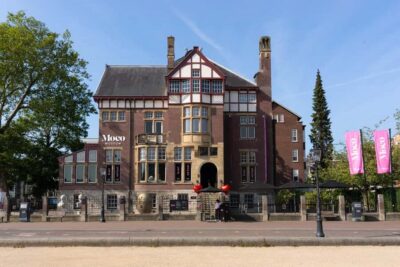
Moco Museum Amsterdam Entrance Tickets with Banksy & More
Read our review →


Browse the lists this tour appears in