
Reviewed · FOOD TOURS
Secret Food Tours Amsterdam
Amsterdam’s Jordaan is the perfect place for a food walk because the neighborhood gives you more than a plate and a fork. As you move along canals and narrow streets, your guide connects Dutch food with seafaring, immigration, religion, and daily life. The tasting list is broad, from sweet poffertjes to salty herring and hearty stamppot.
I especially like the small group limit of 12, which gives you a better chance to ask questions and keep up with your guide. I also like the mix of family-run businesses and local shops, including a fishmonger, a cheese stop, and a market for fresh stroopwafel. The main drawback is the price: at $115 per person, this is not a cheap snack crawl, and some diners may find a few traditional Dutch dishes challenging.
Key points at a glance
- Six food stops in the Jordaan: Taste poffertjes, stroopwafel, Dutch cheeses, herring, kibbeling, stamppot, and a secret dish.
- A food lesson with local context: Learn how maritime trade, French immigration, and Dutch winter cooking shaped the city’s table.
- A canal-side starting point: Meet by the Anne Frank statue near Westerkerk, close to the Anne Frank House.
- Drinks included: Expect coffee or tea, water, local beer or a non-alcoholic option, and a small serving of Jenever.
- Personal guidance: English-speaking guides such as Holly and Judith bring local knowledge and can discuss dietary needs when told in advance.
- A compact morning or afternoon plan: The walk lasts about three to three and a half hours and ends where it begins.
Why the Jordaan makes a better food classroom
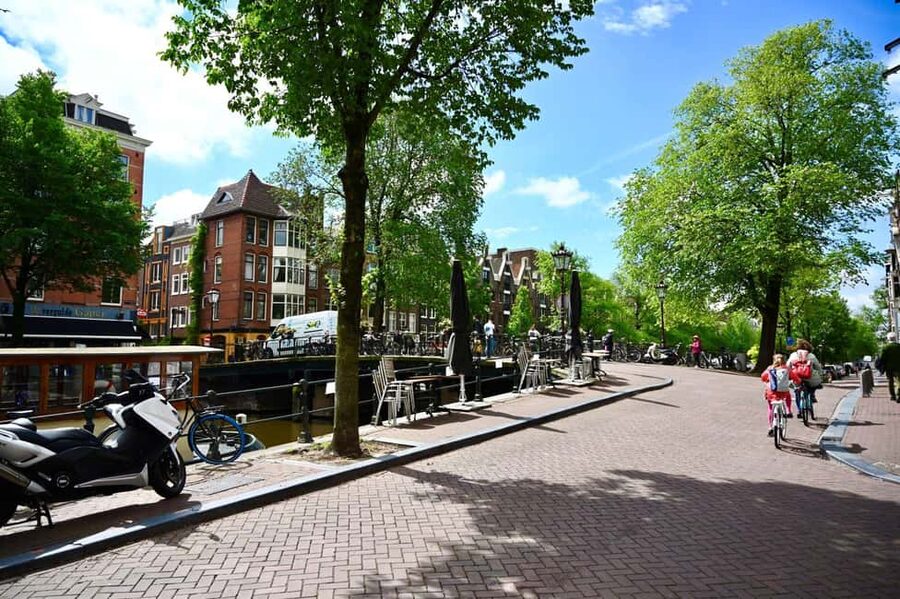
The Jordaan gives this tour a useful sense of place. You are not simply being taken between unrelated restaurants. The route runs through one of Amsterdam’s most recognizable neighborhoods, with canals, narrow streets, old houses, and the remains of a working district that still feels more local than the grand center.
Your meeting point is easy to identify: the statue of Anne Frank near Westerkerk. Look for the guide with an orange umbrella. The area is close to the Anne Frank House, so you can pair the food walk with other sightseeing, though you should allow separate time for any museum visit.
The guide explains how the Jordaan reflects several strands of Amsterdam’s past. French immigration influenced the area, and Rembrandt spent his final years here. Those details matter because the food begins to make more sense when you see Amsterdam as a port city shaped by people, goods, and ideas arriving from elsewhere.
The walking is part of the experience, not just a way to burn off lunch. You’ll pass along canals and through narrow streets, so wear comfortable shoes and dress for the weather. Transportation and hotel pickup are not included. The tour begins and ends at the same meeting point.
More Food Tours in Amsterdam
- 10 Tastes of Amsterdam: Food Tour by UNESCO Canals and Jordaan
★ 5.0 · 3,020 reviews - Eating Amsterdam: Food Tour & Canals Cruise
★ 5.0 · 496 reviews - Amsterdam’s Market Street Food Tour with Streat Bites
★ 5.0 · 398 reviews
Poffertjes start the Dutch tasting lesson
The first bite is likely to be poffertjes, small traditional Dutch pancakes made from batter. They are a gentle introduction to the tour: warm, sweet, and familiar enough for cautious eaters, but distinct from an ordinary pancake.
Starting with poffertjes also gives your guide a chance to explain how Dutch comfort food developed. You get a sweet opening before the tasting moves toward cheese, fish, and savory home cooking. Since the tour includes several stops, try not to fill up here, even if the first plate disappears quickly.
The food is served as a tasting rather than a full restaurant meal. That is important when you judge the $115 cost. You are paying for several portions, guiding, neighborhood context, and drinks, not one large entrée. Still, anyone expecting a long sit-down lunch should adjust those expectations.
Fresh stroopwafel and the pleasure of the market stop
A fresh stroopwafel from the market brings another classic Dutch flavor into the picture. Stroopwafels are known for their thin waffles joined by syrup, and a fresh market version gives you a different experience from a packaged snack bought in a shop.
This stop is useful because it shows how a familiar food changes when it is served fresh. You can also compare its caramel sweetness with the lighter taste of poffertjes. The tour does not treat Dutch food as only hearty or salty. It gives you small examples of the country’s sweets as well.
The market setting adds movement and local character, though it may also mean more noise and less time to linger. The details of the stop can depend on the day and operating hours, so the food walk is best approached as a guided route rather than a fixed restaurant meal with a printed menu.
Dutch cheese in a country built on dairy
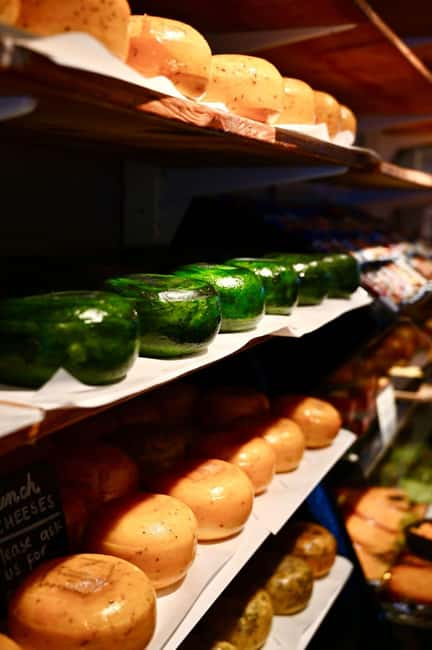
The cheese tasting is one of the more approachable stops. You’ll sample an assortment of Dutch cheeses, giving you a chance to notice differences in texture, age, and flavor rather than treating Dutch cheese as one single style.
Your guide can explain how cheese fits into everyday Dutch eating. This is a good moment to ask questions, especially if you are deciding what to buy later in the trip. You may find that a cheese you enjoy on the tour becomes a practical souvenir, though the tour itself does not include shopping or transportation.
The cheese stop also balances the fish dishes that follow. If you are uncertain about herring or fried cod, cheese gives you something familiar while keeping the tasting distinctly Dutch. The small-group format helps here because you can ask for clarification without trying to get a guide’s attention across a large crowd.
Other tastings and food walks around Amsterdam:
- Amsterdam Food Tour of 10+ Local Classic Tastings in Jordaan Area
★ 5.0 · 334 reviews - Amsterdam Private Food Tour with Local Including 6 or 10 Tastings
★ 4.5 · 184 reviews - Amsterdam: Guided Cultural Food Tour in German or English
★ 4.8 · 126 reviews - Private Amsterdam Red Light District and Food Tour (TOP RATED)
★ 4.5 · 124 reviews
Herring and kibbeling at a local fishmonger
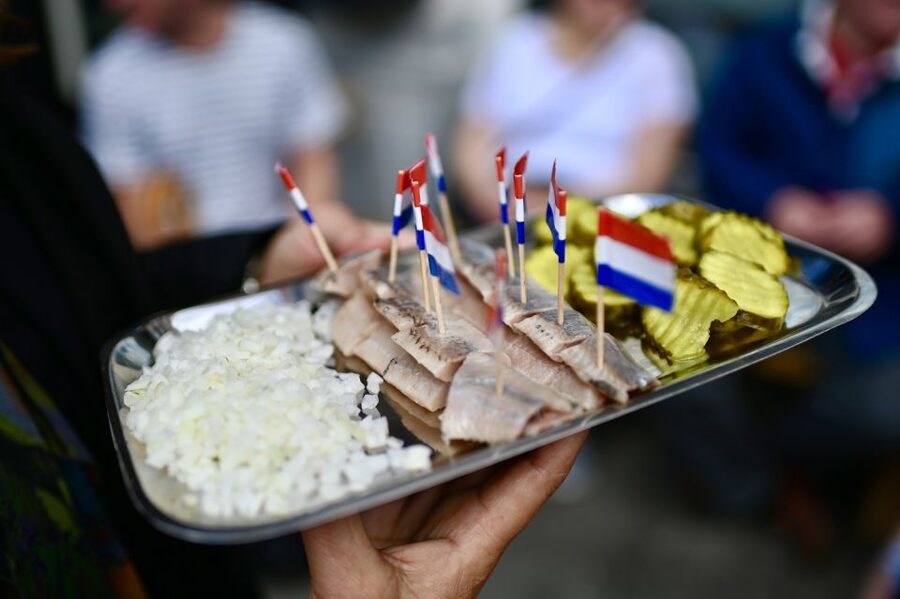
The fishmonger stop is where the maritime story becomes most direct. Cod and herring are presented as important Dutch foods, and you’ll taste both fresh herring and kibbeling, battered chunks of fish.
Kibbeling is the easier entry point for many people. The fish is battered and fried, giving it a crisp texture and a straightforward flavor. Fresh herring is more distinctive. It is a traditional Dutch taste with a strong connection to the country’s fishing culture, so this is the stop that may divide the group.
I like that the tour includes both preparations. You are not handed one symbolic bite and told it represents all Dutch seafood. Instead, you can compare fresh and fried fish, then hear why cod and herring matter in the national diet.
This is also a place to tell your guide about dietary needs. One participant with celiac disease received extra help from Holly so the food could be adapted. That does not guarantee that every item can be changed for every restriction, but it shows why you should provide those details when booking rather than waiting until the fishmonger stop.
Stamppot brings the tour indoors to Dutch comfort food
Stamppot is a traditional Dutch dish made from mashed potatoes combined with vegetables and usually served as filling home cooking. It gives the tour a different rhythm after the lighter sweets and seafood.
The dish reflects the practical side of Dutch food. It is the kind of meal associated with cold weather and a need for something warm and sustaining. Your guide also connects Dutch winter stew with the country’s maritime past, showing how history appears not only in monuments but in what people eat at home.
Stamppot may be less instantly exciting than a market pastry or fried fish, but it is one of the most useful tastings on the route. It shows you a food that belongs to daily life rather than only to a tourist menu. If you want to understand the Dutch way of eating, this is the course to pay attention to.
The secret dish keeps one plate unknown
Every tour includes a secret dish. The exact item is not specified in advance, so you should think of it as a final surprise rather than a promised specialty.
That uncertainty is part of the fun, but it also creates a practical issue for anyone with strict allergies or a very limited diet. Give your dietary requirements when you book, and remind the guide at the start. The guide may be able to help, but the information provided does not promise that every secret dish can be replaced.
The secret dish also prevents the tour from feeling too much like a checklist. You know the main foods ahead of time, but one course remains open. It may be the item that sparks the most conversation in a small group.
Drinks add context without turning the walk into a pub crawl
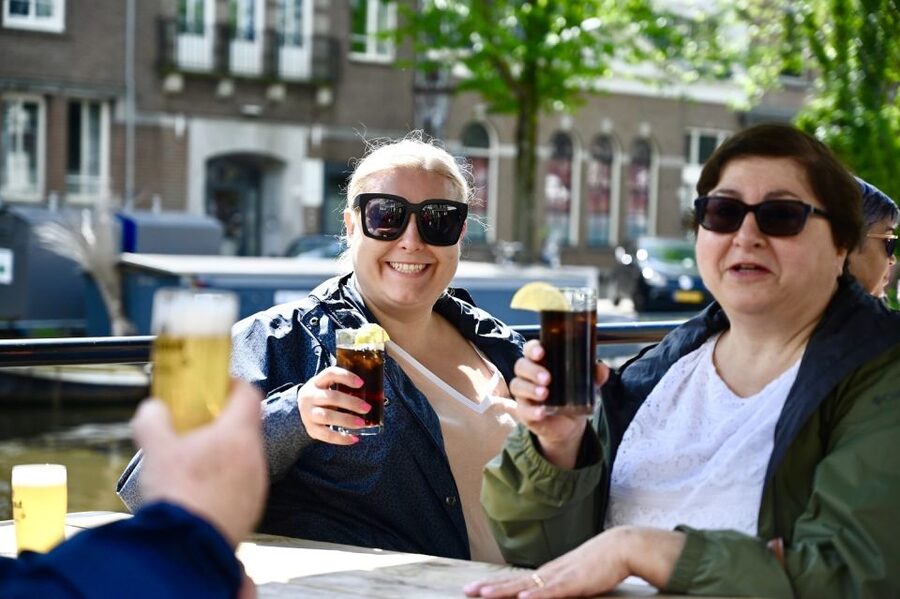
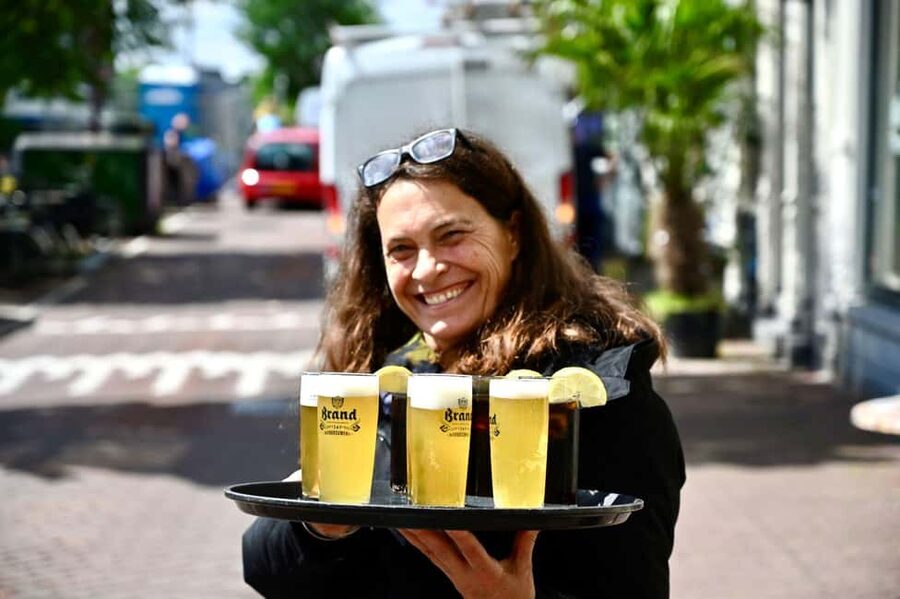
The tour includes coffee or tea, water, a glass of local beer or a non-alcoholic alternative, and Jenever, a traditional Dutch spirit often described as Dutch gin. These drinks help you sample a few parts of Dutch food culture without paying separately at each stop.
Jenever may be unfamiliar, and the serving is intended as a taste rather than a lengthy drinking session. If you do not drink alcohol, you can choose the non-alcoholic option in place of the beer, but the available details do not specify an alternative to the Jenever tasting.
The drinks also affect the value calculation. At $115, the package is easier to justify if you want a guided cultural experience with several tastings. It is harder to justify if you mainly want a cheap meal. This is a food and neighborhood tour, not simply a way to get lunch.
How much walking and time should you expect?
Plan on three to three and a half hours. The exact starting time depends on the date and availability, so check before you build the rest of your day around it.
The route stays mainly in the Jordaan, but you should expect regular walking on streets and around canals. Comfortable shoes are essential. There is no included transportation, and pickup and drop-off services are not part of the tour.
A maximum of 12 people keeps the walk relatively intimate. Private or small-group arrangements are also available, which may suit families or groups that want more control over the pace. The standard tour is conducted in English with a live local guide.
The tour ends back at the Anne Frank statue. That makes planning simple. You can continue sightseeing from the same area, return to your lodging, or use the nearby canals and streets for more walking.
The guides matter more than the menu
A food walk lives or dies by the guide. The food list here is appealing, but the best moments come from the explanations between stops.
Holly has been praised for being warm, well-informed, and especially attentive to dietary restrictions. Judith is a native Amsterdam guide who brings strong familiarity with the city. You are not guaranteed to receive either guide, but their approach gives you a useful idea of the personal, conversational style this experience aims for.
The guide explains how Dutch food and Amsterdam’s past intersect. You’ll hear about French influence in the Jordaan, Rembrandt’s connection to the neighborhood, the place of cod and herring in Dutch culture, and the role of maritime history in winter cooking.
That information is more useful than a string of dates. It helps you understand why a dish appears on the table and gives you a way to recognize related foods during the rest of your trip.
Who will get the most from this tour?
I would choose this tour if you want a first taste of Amsterdam that combines food with neighborhood orientation. It works especially well early in a trip, when you can use the guide’s suggestions and the foods you discover to shape later meals.
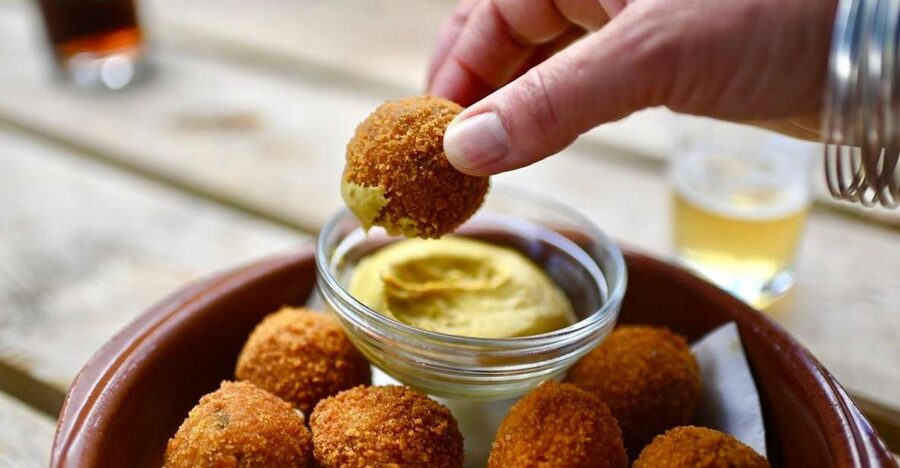
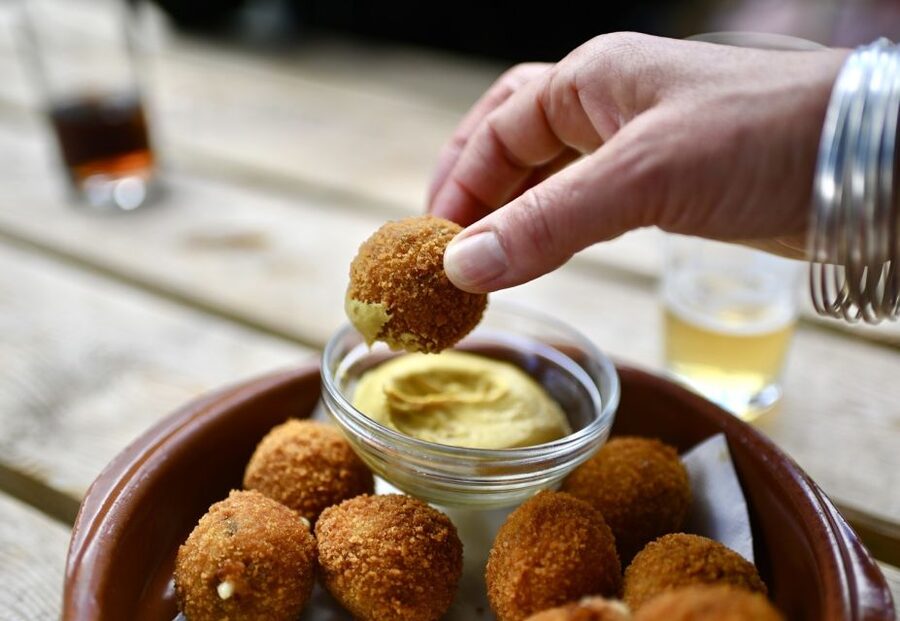
It suits curious eaters who want more than the city’s famous sweets. You’ll try seafood, cheese, pancakes, a market pastry, a potato dish, spirits, and a secret course. That range makes the tour useful for comparing flavors rather than simply eating several versions of the same thing.
It is also a good choice for people who prefer small groups and conversation. A 12-person limit is far more manageable than a large coach-style outing, and the personal format gives you room to ask about ingredients and local customs.
You may want to skip it if you dislike fish, are uncomfortable trying unfamiliar food, or want a large full meal for $115. The tour includes many tastings, but portions are designed for sampling. Strict dietary needs should be discussed in advance, and you should not assume every item can be changed.
Is $115 a fair price?
The price is high for a three-hour food walk, but it covers six tasting stops, several drinks, a live English-speaking guide, and a guided route through one of Amsterdam’s best-known historic neighborhoods.
The value depends on what you want. If you would otherwise spend the afternoon visiting several shops, buying snacks, and trying to understand what you are eating, the tour gathers that work into one plan. You also get the guide’s explanation of Dutch food customs, which is difficult to price but often becomes the most useful part of a food tour.
If you judge the cost by volume alone, you may be disappointed. This is not an all-you-can-eat outing. Think of it as a compact cultural tour with food included, not a bargain lunch.
Free cancellation is available up to 24 hours before the start, and you can reserve with payment later. Those terms help if your Amsterdam plans are still changing, but the key practical step remains the same: check the starting time and share dietary requirements during booking.
Should you book Secret Food Tours Amsterdam?
Book it if you want to understand Amsterdam through ordinary foods and local streets. The Jordaan setting, small groups, strong guide involvement, and wide tasting list make this more useful than a simple snack stop.
I would give it extra weight if you want help with dietary needs, since Holly’s careful handling of celiac requirements shows the tour can make a real effort when informed ahead of time. I would hesitate only if $115 feels too high for tasting portions or if herring, fried fish, and hearty potato dishes are far outside your comfort zone.
For most curious eaters, this is a well-planned introduction to Dutch food, with enough history to give each bite a reason.
FAQ
Where does Secret Food Tours Amsterdam begin?
The tour begins in front of the Anne Frank statue near Westerkerk church. The guide will be holding an orange umbrella.
How long does the food tour last?
The tour lasts about three to three and a half hours. Starting times depend on availability.
What foods are included?
Tastings include poffertjes, fresh market stroopwafel, assorted Dutch cheeses, kibbeling, fresh herring, traditional stamppot, and a secret dish.
Are drinks included?
Yes. Drinks include coffee or tea, water, a glass of local beer or a non-alcoholic option, and Jenever.
Is the tour suitable for dietary requirements?
You should provide all dietary requirements when booking. Extra help may be possible, but the available information does not guarantee that every dish can be adapted.
How many people are in the group?
The standard tour has a maximum of 12 people. Private and small-group options are also available.
Just added in Amsterdam
- Guided Day Trip – Volendam, Zaanse Schans, Marken & Edam★ 4.0 · 232 reviews
- Private Tour Zaanse Schans Windmills and Volendam in Jaguar★ 5.0 · 10 reviews
- Zaanse Schans and Giethoorn Unique Day Trip with Boat Cruise★ 4.5 · 17 reviews
- Half-Day Private Guided Sightseeing Tour of Zaanse Schans★ 5.0 · 14 reviews
- Zaanse Schans Private Tour Windmills★ 5.0 · 18 reviews
- Private bike tour: Hidden gems around Amsterdam and surroundings★ 5.0 · 4 reviews
- Bike tour in Amsterdam with an Italian guide★ 5.0 · 15 reviews
- Amsterdam Sightseeing Tour + Hidden Gems + Tastings + PDF guide★ 5.0 · 35 reviews
Food Tours, compared.
10 Tastes of Amsterdam: Food Tour by UNESCO Canals and Jordaan
Read our review →
Amsterdam’s Market Street Food Tour with Streat Bites
Read our review →
Amsterdam Food Tour of 10+ Local Classic Tastings in Jordaan Area
Read our review →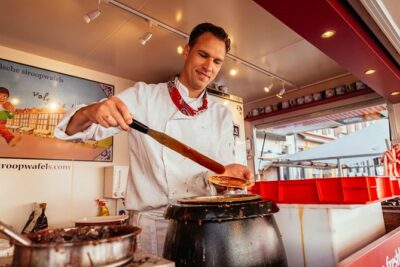
Amsterdam Private Food Tour with Local Including 6 or 10 Tastings
Read our review →
Private Amsterdam Red Light District and Food Tour (TOP RATED)
Read our review →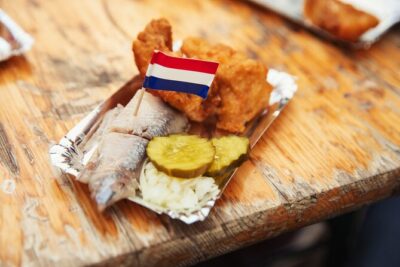
Eating Amsterdam: Albert Cuyp Market & The Pijp Food Tour
Read our review →Browse the lists this tour appears in