
Reviewed · RIJKSMUSEUM TICKETS
The Rijksmuseum Tour: Small Guided Group with Museum Entry
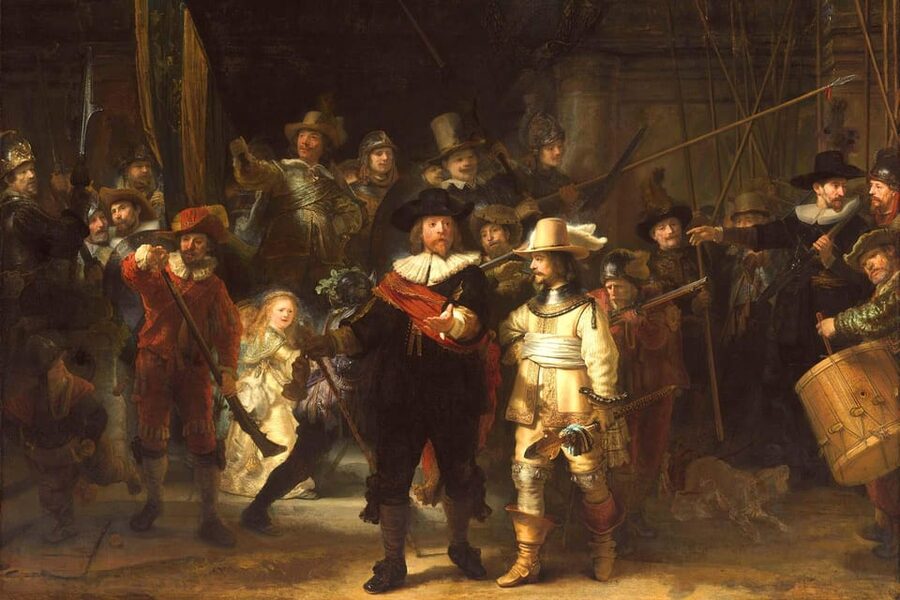
The best reason to take this Rijksmuseum tour is that it gives the museum a storyline. Instead of wandering past paintings with only a date and a famous name, you’ll follow Dutch art from medieval upheaval to independence, the Golden Age, the Enlightenment, and the loss of Dutch independence. Rembrandt, Vermeer, and Van Gogh are the stars, but the historical links are the real point.
I like the small group of up to 10 and the fact that entry is included, so you can focus on the collection rather than ticket details. I also like the two-hour length: long enough for a serious introduction, but short enough to leave room for the rest of your Amsterdam day. The main consideration is that the tour is in English only, and two hours cannot cover every wing of a museum this large.
Key points at a glance
- A clear historical route: Follow Dutch art from the Middle Ages through the Golden Age and into later political change.
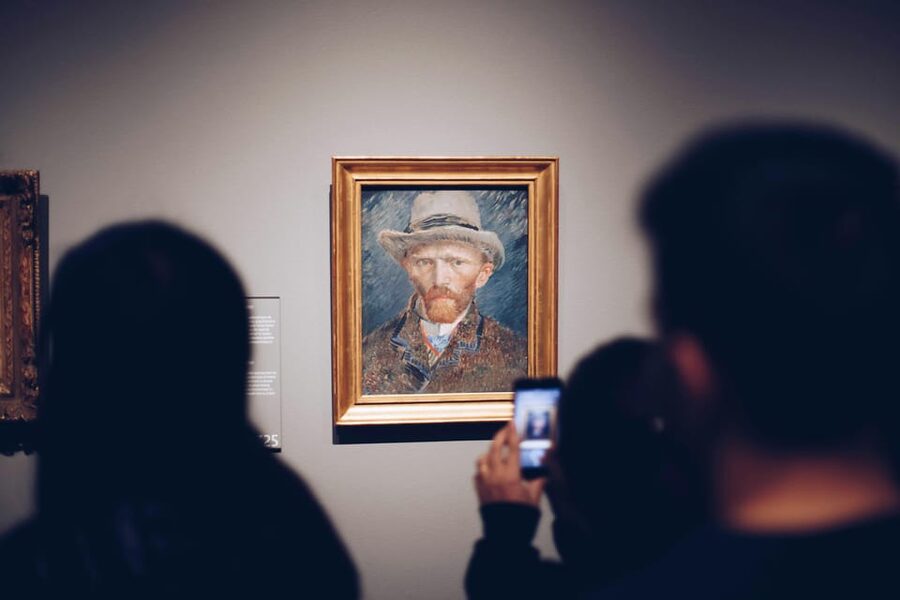
- Major Dutch masters: See works associated with Rembrandt, Vermeer, Van Gogh, and other important painters.
- Small group format: The group is limited to 10 participants, allowing a more personal walking tour.
- Entry included: Meet your guide outside the Rijksmuseum and enter with the practical details handled.
- English-language guidance: The tour is designed for visitors who want context, interpretation, and connections between European art movements.
- Two-hour visit: Expect a focused introduction rather than a complete museum tour.
Why the Rijksmuseum needs a guide
The Rijksmuseum is not a small collection that you can neatly finish between lunch and coffee. Its galleries cover centuries of Dutch art and history, and the scale can work against you. You may recognize a famous name, admire a polished still life, then move on without understanding why the painting matters.
This tour is built to solve that problem. Your guide places the art within the events that shaped the Netherlands, then connects Dutch work to wider European developments. That approach matters because paintings do not exist in isolation. A portrait, a still life, or a domestic scene can say something about wealth, religion, trade, politics, and changing ideas about ordinary life.
I find that especially useful at the Rijksmuseum because the collection is broad rather than limited to one celebrated period. You are not simply walking toward one famous masterpiece. You are watching Dutch culture change over time, with painting as one part of the story.
The guide is described as a local professional with independent research behind the tour. That suggests a visit built around explanation rather than a simple list of names and dates. Tristan is one guide associated with the experience, and his friendly manner and strong command of the subject were singled out in the available feedback. Your guide may be someone else, but the stated focus remains the same: clear, enthusiastic interpretation.
More Museums in Amsterdam
- Amsterdam: Van Gogh Museum Ticket
★ 4.7 · 52,054 reviews - Moco Museum Amsterdam Entrance Tickets with Banksy & More
★ 4.4 · 10,088 reviews - Amsterdam: The Upside Down Museum Entrance Ticket
★ 4.4 · 9,506 reviews
Meeting at Paulus Potterstraat 1
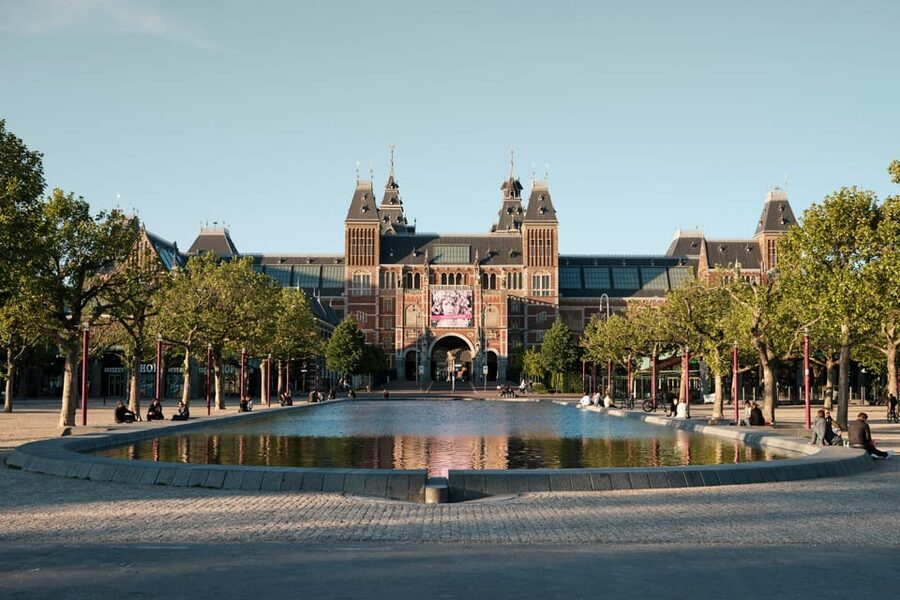
The tour begins next to the museum entrance at Paulus Potterstraat 1. This is useful to know because the Rijksmuseum area can feel busy, and you do not want to spend your starting time searching around the building.
You are expected to meet the guide outside, then enter together. The entry ticket is included, which removes one common source of delay. Transportation is not included, so you need to make your own way to the museum.
Give yourself enough time to reach the meeting point. The supplied information does not specify a required arrival time or a particular landmark beyond the address, so checking your booking details before setting out is sensible. Once you find the guide, the activity begins with the museum itself rather than a separate city walk.
Wear comfortable walking shoes. This is a walking tour through a large museum, and the two hours will be spent moving between collections and listening while standing.
The opening story: medieval turmoil and Dutch identity
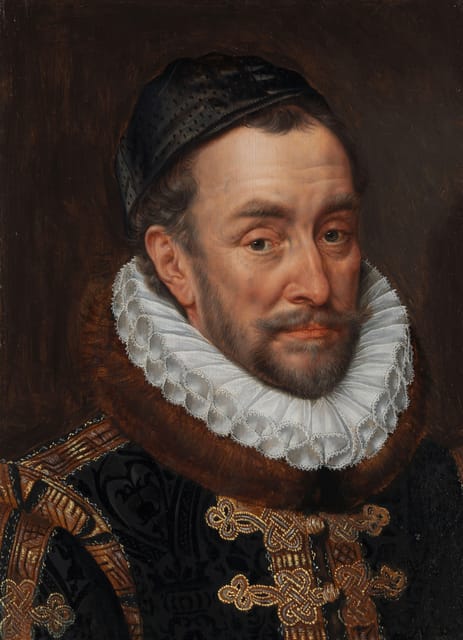
The tour begins by setting the stage before the famous Dutch masters appear. You will look at how Dutch culture developed through medieval turmoil, including the period of the Black Death.
That beginning may sound less immediately exciting than Rembrandt or Vermeer, but it gives the later galleries more meaning. Art can show how people understood faith, power, death, work, and community. Without that background, early works may seem distant. With it, you can better see how later Dutch art shifted toward different subjects and audiences.
The guide’s job here is not simply to provide a timeline. The larger purpose is to show how political and social change affected artistic life. You will be asked to connect paintings to the country taking shape around them.
This historical opening will suit you if you like museums to explain why things changed, not just when they changed. If you mainly want to hurry to one famous painting, the early context may feel slow. That is the trade-off of this tour: it favors connections over a quick greatest-hits visit.
Independence and the Dutch Golden Age
The tour then follows the Netherlands toward independence and the flowering of the Dutch Golden Age. This is the section many visitors expect from the Rijksmuseum, but the guide’s historical framing should help you see it as more than a parade of beautiful paintings.
The Dutch Republic’s growth affected what artists painted, who bought art, and which subjects became popular. The tour addresses why still lifes were so common and why everyday people became worthy subjects for major works. Those questions are valuable because they turn familiar scenes into evidence of a changing society.
A still life may suggest trade, prosperity, taste, or the passing nature of life. A portrait may tell you about social position and personal identity. A domestic interior can point toward the value placed on private life and ordinary experience. The tour does not treat these works as decoration alone.
This is also where the names Rembrandt and Vermeer gain context. You will see works by these major painters, but the goal is not just to pause in front of a famous canvas and take a photograph. You will consider why their work continues to command attention and how it fits within broader European art movements.
The information provided does not promise specific paintings beyond the artists named, so you should not book expecting a guaranteed list of individual masterpieces. You can expect attention to major Dutch art and the museum’s wider collections, with the exact route shaped by the guide and the museum’s galleries.
More Rijksmuseum tickets and tours in Amsterdam:
- Amsterdam: Rijksmuseum Entry Ticket
★ 4.7 · 25,535 reviews - Amsterdam: City Canal Cruise and Rijksmuseum
★ 4.5 · 2,129 reviews - Rijksmuseum Amsterdam Small-Group Tour with Private Upgrade
★ 4.5 · 1,547 reviews - Amsterdam: Rijksmuseum Entry Ticket and Canal Cruise Combo
★ 4.3 · 1,276 reviews
Rembrandt, Vermeer, Van Gogh, and the wider European story
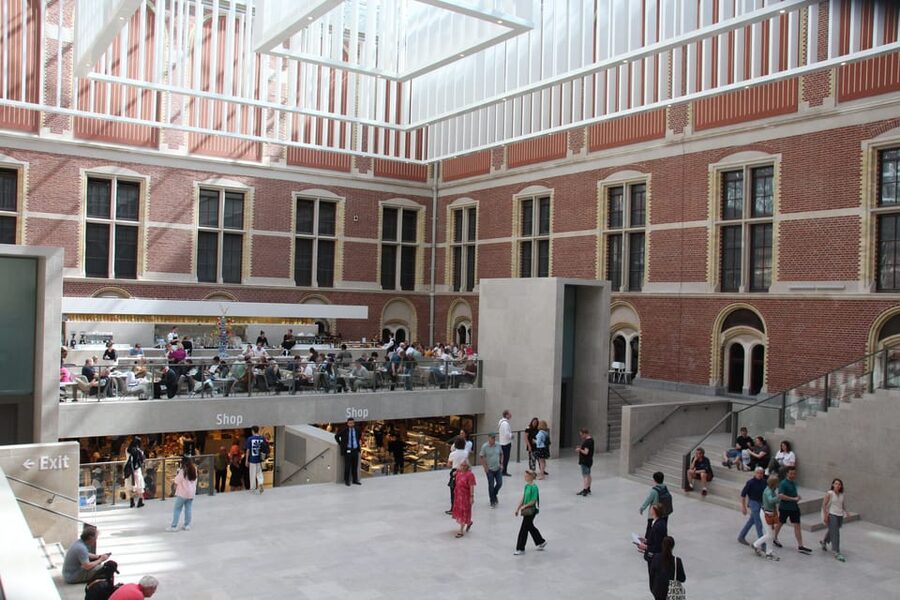
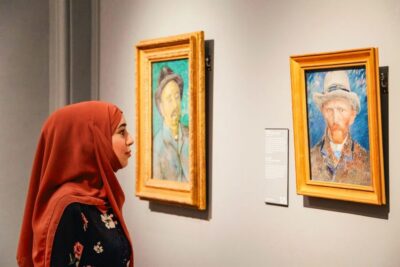
Rembrandt and Vermeer are central to the Dutch story, while Van Gogh represents a much later chapter. Seeing these artists within one museum visit lets you compare different moments in Dutch art, but it can also create a false impression that they belonged to the same period. The guide helps prevent that confusion by connecting each artist to the movement and society around him.
Rembrandt’s reputation rests on more than technical skill or dramatic faces. His work can lead you to questions about portraiture, status, emotion, and the public role of art. Vermeer offers a different kind of encounter, with attention to quiet interiors and everyday moments. Van Gogh carries you into a later period, when painting was changing again and Dutch art was part of a wider European conversation.
The tour highlights artistic movements beyond the Netherlands. That is important for anyone who wants to understand Dutch art as part of Europe rather than as a sealed national tradition. You will consider how ideas moved across borders and how Dutch painters contributed to, responded to, or departed from those larger trends.
A good guide can make these comparisons feel natural. The available feedback specifically praises Tristan as friendly and very well informed, with a carefully selected route through the museum. That is exactly the kind of guidance that helps in a large collection: not every painting receives equal time, but the works you see support a larger argument.
The lower levels and what came after the Golden Age
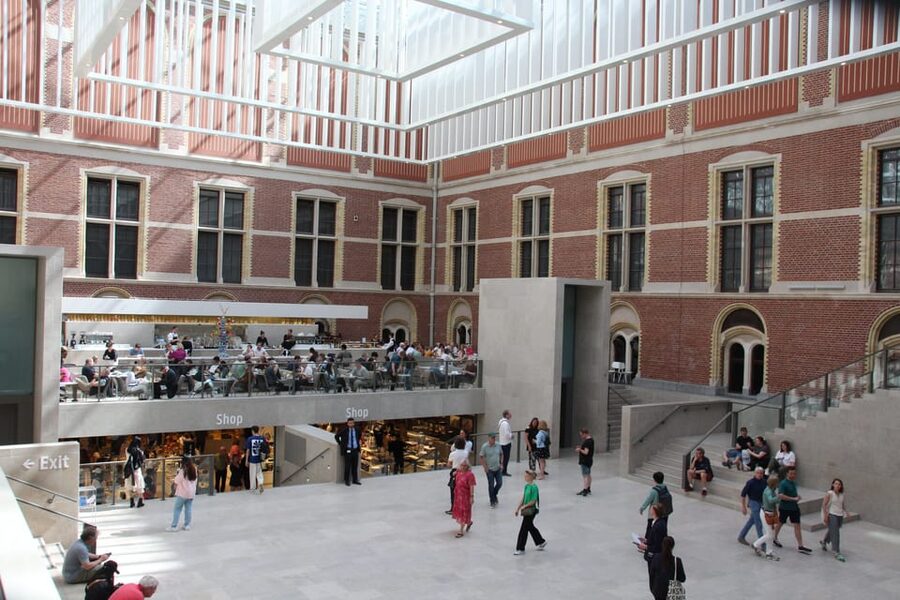
The visit does not stop with the Golden Age. It continues to the lower levels, where the story moves into decline, the Enlightenment, and the later loss of Dutch independence.
That final section matters because national history is rarely a straight climb toward greatness. The Netherlands gained influence, built a strong republic, and produced art that still shapes the way people think about the country. It also faced political change and the loss of independence. The museum’s collection can show those shifts through more than paintings alone.
The Enlightenment brought new ideas about reason, society, and human knowledge. Placing art in that setting helps you see why styles and subjects changed. The tour also makes the case that the Dutch Republic’s influence continued beyond its strongest period and affected wider world history.
You may find this less immediately familiar than the galleries devoted to Rembrandt or Vermeer. That is also why it adds value. Many short museum visits focus only on the best-known rooms. This tour tries to carry the historical thread into later periods, giving you a more complete sense of how Dutch identity and reputation developed.
What two hours can realistically cover
Two hours is a useful length for a first visit, but it comes with limits. The Rijksmuseum is vast, and you will not see every collection or examine every major artist in detail. Think of this as a guided introduction with a strong historical spine, not a full museum survey.
I like this format for a first morning or afternoon in Amsterdam. You get enough time to understand the main periods, then you can continue independently if a particular gallery catches your attention. You might also prefer it if you find large museums tiring or confusing.
The small group makes a difference here. With no more than 10 participants, the guide can address questions more easily than on a large coach-style tour. You are still part of a group, so the pace and route cannot be entirely your own, but the size should make the experience feel more manageable.
The two-hour limit may be a drawback if you already know Dutch art well and want long periods for close looking. In that case, an independent visit after the tour may suit you better. The guided portion gives you a framework, while your own time lets you return to the works that caught your eye.
Price, group size, and overall value
At $63 per person, this is not the cheapest way to enter the Rijksmuseum. The value depends on how much you want from your visit. You are paying for museum entry, a two-hour guided walking tour, and a group limited to 10 people.
That price makes more sense if you are new to Dutch art, short on time, or likely to feel lost in a large museum. A good guide can save you from spending two hours wandering without a plan. The value is also in the connections: Dutch history, individual artists, and European movements are handled as one story.
If you are comfortable reading labels and planning your own route, you may prefer to visit independently and keep the extra cost. You should also remember that transportation is not included, so getting to Paulus Potterstraat 1 is your responsibility.
The tour allows cancellation up to 24 hours before the start for a full refund, and you can reserve now and pay later. Those policies are useful if your Amsterdam schedule is still shifting, though you should confirm the exact available starting time when booking.
Who should book this Rijksmuseum tour
I would recommend this tour to you if you want more than a quick look at famous Dutch paintings. It suits first-time visitors who want a clear route, people who enjoy history alongside art, and anyone who prefers asking a guide rather than decoding a huge museum alone.
It is also a good match for couples, friends, and small family groups who value a quieter format. The limit of 10 participants is small enough to keep the discussion personal without making this a private tour.
You may want to skip it if you prefer complete freedom to move at your own speed, if you need a language other than English, or if your main goal is to spend a long time with only one artist. Two hours is focused, not exhaustive.
Should you book it?
Book this Rijksmuseum tour if you want the collection to make sense as a story. The strongest features are the small English-speaking group, the included entry ticket, and the guide’s effort to connect medieval Dutch history, the Golden Age, the Enlightenment, and later European art.
The main limitation is scope. You will not cover everything, and the exact works discussed may vary. For most first-time visitors, though, that is a fair trade for a clear route through a museum that can otherwise feel overwhelming. Tristan’s friendly, informed approach is a good sign of the tone to expect, although your guide may be different.
FAQ
How long does the Rijksmuseum tour last?
The tour lasts two hours.
What time does the tour start?
Starting times vary. You need to check availability for the date you want.
Where do I meet the guide?
Meet the guide next to the Rijksmuseum entrance at Paulus Potterstraat 1.
Where does the tour finish?
The activity ends back at the meeting point.
Is the Rijksmuseum entry ticket included?
Yes. The entry ticket to the Amsterdam Rijksmuseum is included.
What language is the tour conducted in?
The live tour guide speaks English, and English is the listed tour language.
How large is the group?
The tour is limited to 10 participants.
Is transportation included?
No. Transportation to and from the Rijksmuseum is not included.
Can I cancel the booking?
Yes. You can cancel up to 24 hours in advance for a full refund. You can also reserve now and pay later.
More collections around Amsterdam
- Amsterdam: Red Light Secrets Museum Entry Ticket
★ 4.2 · 5,722 reviews - Amsterdam’s Weirdest Museum: Believe It or Not!
★ 4.5 · 4,086 reviews - Amsterdam: Van Gogh Museum Ticket and City Canal Cruise
★ 4.6 · 3,899 reviews - Amsterdam: Rembrandt House Museum Entrance Ticket
★ 4.7 · 3,385 reviews
Just added in Amsterdam
- Guided Day Trip – Volendam, Zaanse Schans, Marken & Edam★ 4.0 · 232 reviews
- Private Tour Zaanse Schans Windmills and Volendam in Jaguar★ 5.0 · 10 reviews
- Zaanse Schans and Giethoorn Unique Day Trip with Boat Cruise★ 4.5 · 17 reviews
- Half-Day Private Guided Sightseeing Tour of Zaanse Schans★ 5.0 · 14 reviews
- Zaanse Schans Private Tour Windmills★ 5.0 · 18 reviews
- Private bike tour: Hidden gems around Amsterdam and surroundings★ 5.0 · 4 reviews
- Bike tour in Amsterdam with an Italian guide★ 5.0 · 15 reviews
- Zaanse Schans Edam Volendam Private Day Tour from Amsterdam★ 5.0 · 3 reviews
Rijksmuseum Tickets, compared.
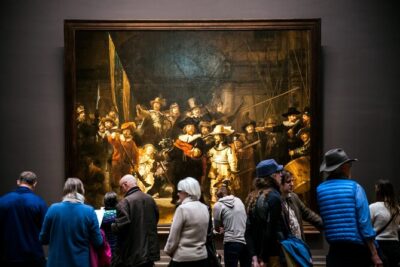
Rijksmuseum Amsterdam Small-Group Tour with Private Upgrade
Read our review →
Rijksmuseum Entry Ticket and Canal Cruise Combo
Read our review →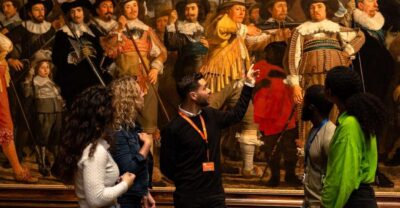
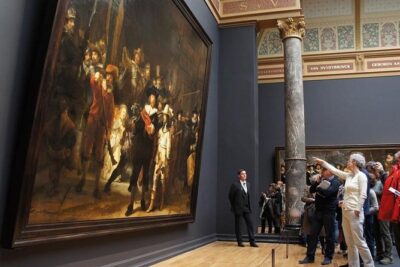
Rijksmuseum Amsterdam Exclusive Guided Tour w/ Reserved Entry
Read our review →
Van Gogh & Rijksmuseum w/ Reserved Entry Semi-Private 8ppl Max
Read our review →
Van Gogh & Rijksmuseum w/ Reserved Entry Exclusive Guided Tour
Read our review →Browse the lists this tour appears in