
Reviewed · MUSEUMS
Werkendam: Boat Cruise and Biesbosch Museum Entry Ticket
De Biesbosch is best understood from the water. This freshwater tidal wetland is cut by narrow creeks and trenches, and a quiet boat gives you a close look at the way water shapes every part of the park. I especially like the trip through the Beneden Petrus trench and the chance to watch for beavers, eagles, and deer.
I also like the pairing of the cruise with Biesbosch Museum Island. The boat shows you the place, while the museum explains it, from the St. Elizabeth flood of 1421 to Dutch polders and the later return of wetland. The main drawback is that the live guiding is in Dutch, and the experience is not suitable for wheelchair users.
Key points to know before booking
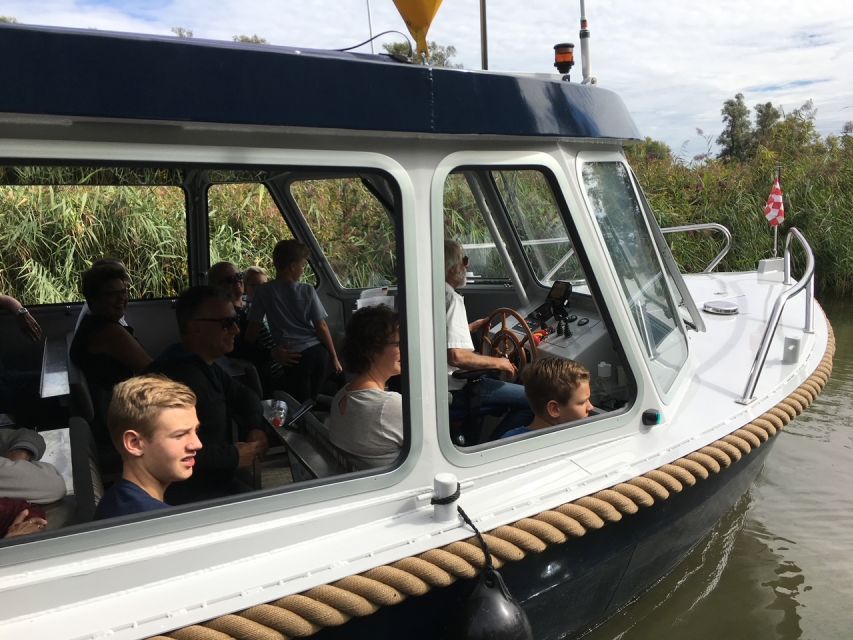
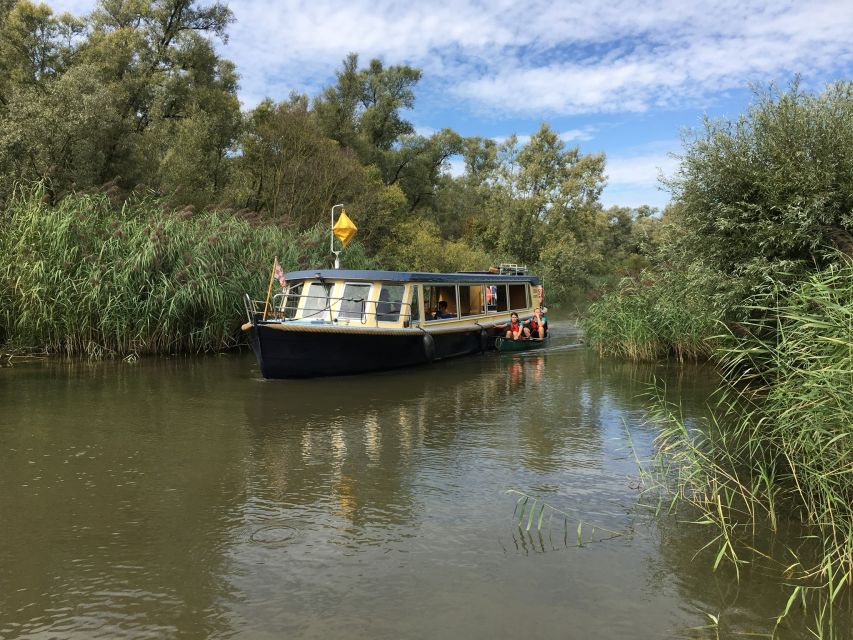
- Quiet-water cruise: Travel by whisper boat through narrow creeks and trenches in De Biesbosch.
- Beneden Petrus trench: One of the named scenic sections included on the route.
- Wildlife watch: Keep an eye out for beavers, eagles, and deer, though sightings are not guaranteed.
- Water management story: The museum explains floods, dykes, polders, and depolderisation.
- Family-friendly model: The Biesbosch experience uses a scale model to show streams, dykes, and polders.
- Dutch-speaking guide: The tour is conducted in Dutch, with captain John praised for clear and friendly explanations on some departures.
Why De Biesbosch is worth seeing from a boat
De Biesbosch is one of the largest national parks in the Netherlands and one of Northwestern Europe’s largest freshwater tidal wetland areas. That last point matters. This is not simply a park with water running through it. The changing water level helped create a network of creeks, trenches, marshes, and islands.
From a road or walking path, you see only parts of that system. The boat takes you into the narrower channels, where the shape of the reserve becomes easier to understand. You pass close to the banks and travel through sections that would be hard to appreciate from a standard sightseeing route.
The boat used here is described as a whisper boat. That suggests a quieter ride than a large sightseeing vessel, which is useful when you are watching for animals or listening to the guide. The route includes the Beneden Petrus trench, one of the specific waterways highlighted for its scenery.
I would keep your wildlife expectations sensible. Beavers, eagles, and deer live in the area, but nature does not follow a schedule. The value of the cruise is the setting itself, plus the possibility of spotting wildlife as you move through it.
Other collections worth booking around the Netherlands:
- Amsterdam: Van Gogh Museum Ticket
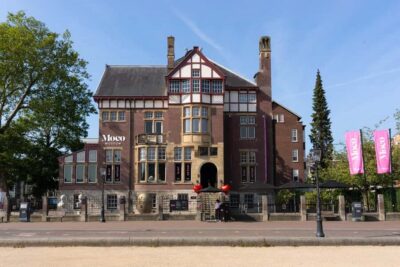
★ 4.7 · 52,054 reviews - Moco Museum Amsterdam Entrance Tickets with Banksy & More
★ 4.4 · 10,088 reviews - Amsterdam: The Upside Down Museum Entrance Ticket
★ 4.4 · 9,506 reviews
The 75-minute cruise through narrow trenches
The listed duration is 75 minutes, and the cruise is the main active part of the experience. You board near Werkendam and follow the waterways of the reserve with a Dutch-speaking guide. The captain or guide explains what you are seeing as the boat moves through the park.
A trip like this works best when you pay attention to the smaller details. Look at the banks, the changing width of the channels, and the plants along the water. The colorful flora adds variety, but the larger lesson is how closely the natural area remains tied to its water level.
The narrow trenches are a strong reason to choose this trip over a basic open-water cruise. They bring you into the structure of De Biesbosch rather than keeping you at its edge. You get a better feel for the reserve as a place shaped by water, rather than simply a scenic backdrop.
One recent departure was led by a captain named John, who was praised for taking his time and giving plenty of explanation. That is the kind of guiding that suits this outing. The park can look calm and simple at first, but the details of its formation and water control make the trip more rewarding when someone points them out.
The cruise also works in winter. A January departure was described as enjoyable, with the captain giving clear explanations about De Biesbosch and the area around it. Winter will not offer the same plant color as warmer months, but the waterways and the Dutch water story remain central all year.
From flood disaster to freshwater wetland
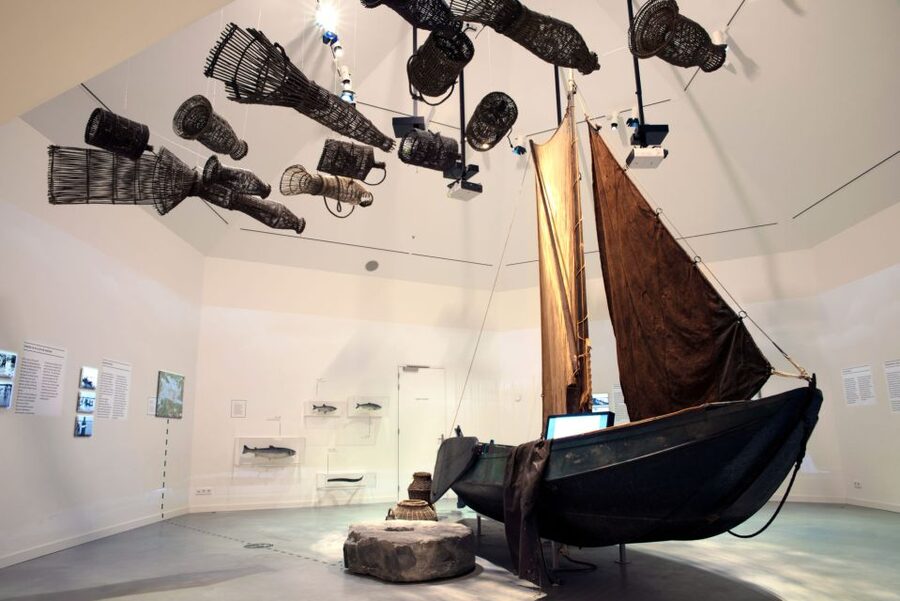
The museum gives the cruise a useful framework. Its permanent exhibition explains how the freshwater tidal area developed after the St. Elizabeth flood of 1421. That event is a key part of the region’s story, and it helps explain why De Biesbosch has such an unusual network of wetland waterways.
The Dutch response to water is not presented as a simple victory over nature. People built dykes and polders, reclaimed land, and tried to control the tides. Over time, flood protection changed direction. Depolderisation returned some areas to wetland, allowing water to occupy space again as part of a broader approach to protection.
That shift is one of the most interesting parts of the visit. You are not just looking at old engineering. You are seeing how ideas about safety and land use changed. The museum connects those choices to the physical area you have just crossed by boat.
I like this combination because it prevents the museum from feeling separate from the cruise. After seeing the creeks, you can better understand why dykes, streams, and polders matter. After learning about water management, the boat route makes more sense.
What to see at Biesbosch Museum Island
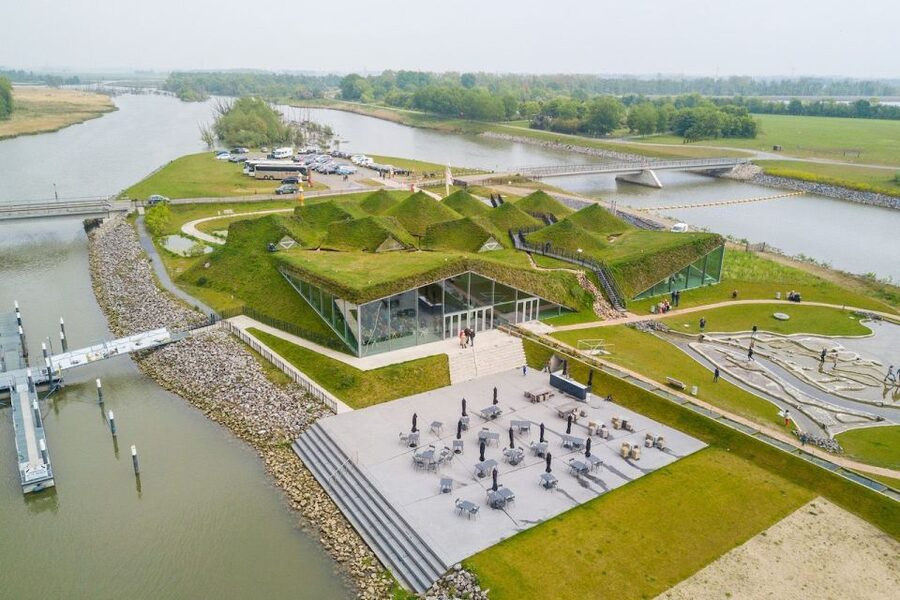
Biesbosch Museum Island covers the past, present, and future of the park. The permanent exhibition focuses on the natural and cultural importance of the area, including the relationship between residents, agriculture, flood protection, and wetland.
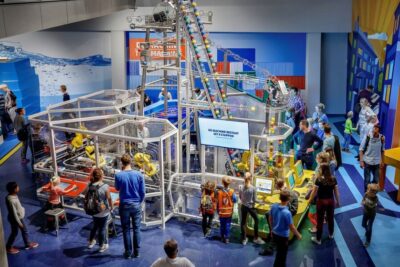
The museum’s scale model is especially useful for families and anyone who prefers to learn by looking at a clear visual display. It shows the area’s polders, dykes, and streams, making the hydrological system easier to grasp. Instead of trying to picture the whole region from a wall of text, you can see how the parts fit together.
If you are visiting with children, make time for the Biesbosch experience. It turns a complicated subject into something more hands-on and easier to follow. The model also helps adults who want a quick explanation before returning outside.
The museum does not replace the cruise. It adds context. I would treat the two parts as a single story: the boat introduces the waterways, and the museum explains how those waterways came to exist and why they still matter.
You can also stop at the museum café for a light snack and a drink. Food and drinks are not included in the $28 price, so this is an extra purchase rather than part of the package. The museum shop sells books, souvenirs, and locally made products, which gives you a chance to take home something connected to the region rather than a generic attraction souvenir.
A few more things to do in the Netherlands worth a look
- Amsterdam: Heineken Experience Ticket
★ 4.6 · 30,055 reviews - Amsterdam: Rijksmuseum Entry Ticket
★ 4.7 · 25,535 reviews - Amsterdam: Icebar Entry Ticket with 3 Drinks
★ 4.2 · 14,562 reviews - Amsterdam: Keukenhof Ticket and Roundtrip Shuttle Transfer
★ 4.7 · 11,799 reviews
Is $28 a fair price?
At $28 per person, the package offers two connected experiences: the national park sightseeing cruise and admission to Biesbosch Museum Island. That is a fair price if you want both the water route and the museum, since arranging the two parts separately may be less convenient.
The value depends on how much time you give the museum. If you only take the boat and make a very quick museum visit, the package becomes mainly a 75-minute cruise with a short add-on. If you explore the permanent exhibition, study the scale model, and use the café or shop, you get a fuller half-day-style outing, although the listed activity duration itself is 75 minutes.
The package may be less attractive if you already have a museum pass. One booking could not use a Dutch museum annual card, while direct museum bookings may accept it. If you hold a museum card, check the conditions carefully before paying for the combined ticket. The important distinction is that this is sold as a cruise plus museum entry, not simply as a boat ride.
The free cancellation option up to 24 hours in advance and reserve-now, pay-later booking also add practical value. They let you keep plans flexible, especially when weather may affect how much you want to be on the water. Those policies are useful, but always check the terms at booking.
Who will enjoy this outing most?
I would recommend it to you if you like nature with a clear human story. The cruise offers scenery and possible wildlife sightings, while the museum explains why the area looks and functions as it does.
It is also a good choice for families. The scale model gives children a visual way to understand dykes, streams, and polders, and the boat ride breaks up the museum visit. The outing is educational without being limited to display cases.
You should also consider it if you are interested in Dutch water management. Many Dutch experiences mention dykes and canals in passing. This one focuses on the hard choices behind them: reclaiming land, trying to control water, and later giving some wetland back.
The trip is less suitable if you need English guiding. The live guide language is Dutch, and no English commentary is specified. You may still enjoy the scenery and museum displays, but you should not book expecting a fully English-led tour.
The accessibility limit is important. The experience is listed as unsuitable for wheelchair users. Pets are not allowed, so plan accordingly if you are traveling with an animal.
A few practical tips for a better visit
Arrive ready to spend time looking outward during the cruise. The best part is not only the guide’s explanation. It is the changing view of the channels, banks, plants, and open wetland.
If wildlife is a priority, give yourself time and patience. Beavers, eagles, and deer are possibilities, not scheduled stops. Keep your attention on the water and the edges of the reserve rather than expecting a guaranteed sighting.
Use the museum to revisit what you saw outside. The display about the St. Elizabeth flood and the scale model of the water system will mean more after you have traveled through the trenches.
Consider the season. Winter can still make a good visit, as the boat route and the water-management story do not depend entirely on warm weather. In other seasons, the flora may add more color. Either way, the reserve remains the main attraction.
Finally, remember that the package does not include food or drinks. The museum café is available for a light snack and a drink, but bring a little extra money if you want to use it.
Should you book the Werkendam Biesbosch cruise?
Book it if you want more than a pretty boat ride. The strongest feature is the connection between the cruise and Biesbosch Museum Island. You see the creeks first, then learn how floods, polders, dykes, and depolderisation shaped them.
At $28, the combination is good value for a nature-focused outing, especially for families and anyone interested in Dutch water engineering. The 75-minute cruise is manageable, the museum adds real substance, and the experience can work even in winter.
Skip it if you require wheelchair access, need an English-speaking guide, or already hold a museum card that you expect to use. Otherwise, this is a thoughtful way to understand De Biesbosch from both the water and the museum floor.
FAQ
How long does the experience last?
The listed duration is 75 minutes. The package includes the sightseeing cruise and entry to Biesbosch Museum Island, so you can spend additional time at the museum after the cruise.
What is included in the ticket?
The ticket includes a Biesbosch National Park sightseeing cruise and entry to Biesbosch Museum Island.
Is the guide available in English?
The live tour guide language is Dutch. English guiding is not specified.
Can I see wildlife during the cruise?
You might see beavers, eagles, or deer while traveling through the reserve. Wildlife sightings are not guaranteed.
Is the experience suitable for wheelchair users?
No. The activity is listed as unsuitable for wheelchair users.
Are food and drinks included?
No. Food and drinks are not included, but the museum has a café serving light snacks and drinks.
Just added in the Netherlands
- Aalsmeer: Flower Auction Royal Flora Holland Entry Ticket★ 4.6 · 41 reviews
- Haarlem Old Town Private Walking Tour★ 5.0 · 24 reviews
- 2 Hours Walking Tour Throughout History & Highlights of Haarlem★ 4.5 · 18 reviews
- Highlight Running Tour★ 5.0 · 118 reviews
- Maastricht Privat Sightseeing City Walk★ 5.0 · 76 reviews
- The Hague 2-Hour Walking Tour | Discover The City With A Local★ 4.5 · 81 reviews
- Food Walking Tour of The Hague – by Bites & Stories★ 5.0 · 188 reviews
- Utrecht Walking Tour with a local comedian as guide★ 5.0 · 48 reviews
Museums, compared.

Moco Museum Amsterdam Entrance Tickets with Banksy & More
Read our review →
Browse the lists this tour appears in