
Reviewed · MUSEUMS
The Hague: Prison Gate Museum
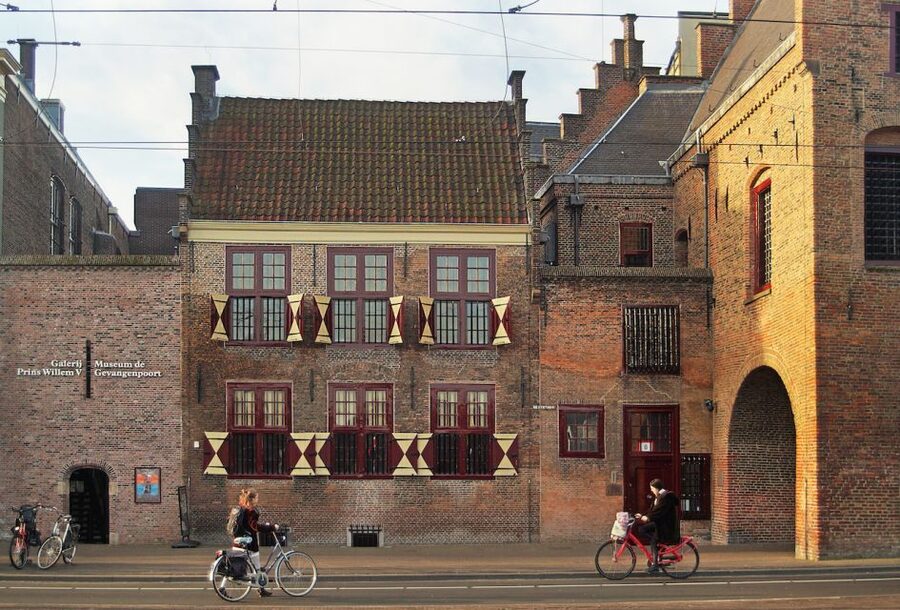
The Hague’s Prison Gate Museum puts you inside a real medieval gateway that later became a prison and courthouse. Johan and Cornelis de Witt were held here, and their fate links this compact building to one of the darkest episodes in Dutch political history. You move through old cells, court spaces, and rooms tied to crime and punishment.
I like two things right away: the building itself is the main exhibit, and the museum gives you a clear story to follow rather than a loose pile of old objects. I also like the contrast between rich and poor prisoners, since it shows that justice in the past did not treat everyone alike.
The main thing to consider is that this is a self-guided visit, not a guided tour. If you want a guide explaining each room as you go, this ticket will not provide one. Still, the museum presentation is designed to tell the prison’s story in an accessible way, and the average rating of 4.5 from 58 reviews suggests it connects well with many visitors.
Key points to know before you go
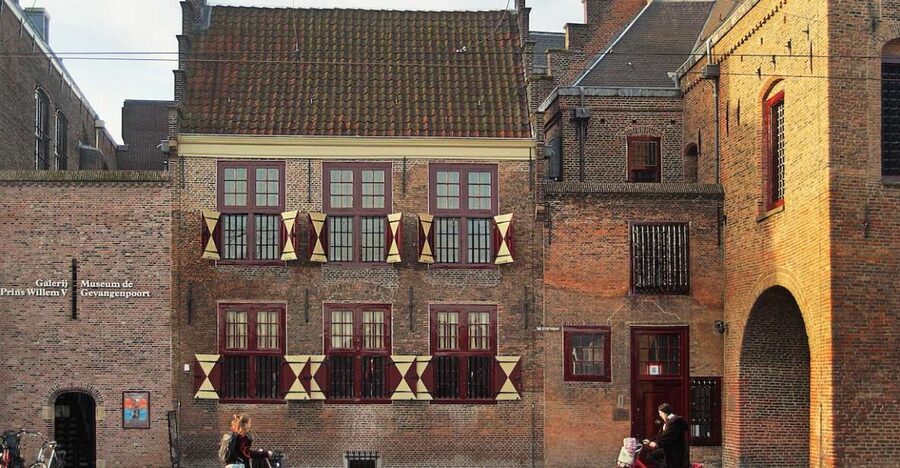
- A gateway turned prison: The building began as the imposing entrance to the Binnenhof in the 13th century before becoming a prison and courthouse.
- The De Witt brothers connection: Johan and Cornelis de Witt, major Dutch political figures, were imprisoned here.
- Old cells and courtrooms: You can see where accused people waited for trial and where decisions were delivered.
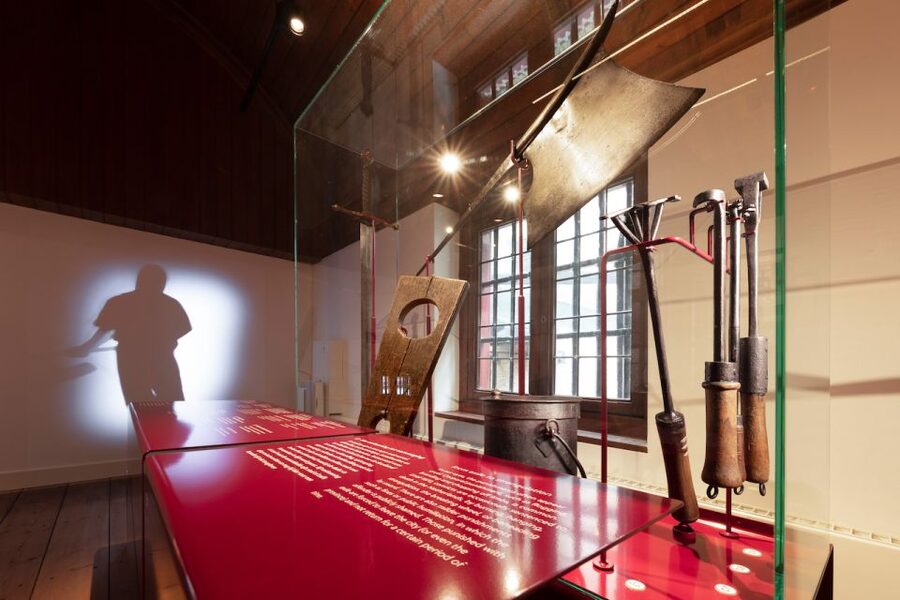
- Punishment tools on display: The museum includes the national collection of torture and punishment instruments.
- Self-guided format: Entry is included, but a guided tour is not.
- Flexible booking: You can cancel up to 24 hours before the visit for a full refund and reserve now while paying later.
Entering The Hague’s medieval Prison Gate
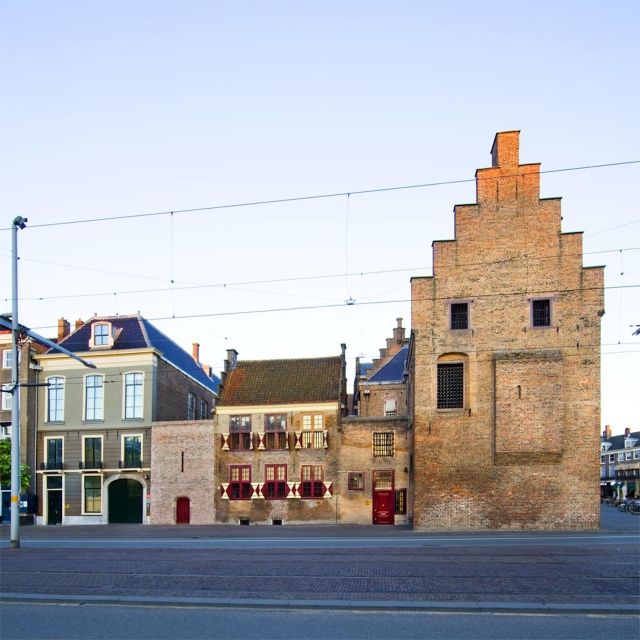
The Prison Gate, known as Rijksmuseum de Gevangenpoort, sits beside the Hofvijver in the center of The Hague. Its setting matters. This was not an isolated jail on the edge of town. It formed part of the gateway to the Binnenhof, the seat of Dutch government and power.
In the 13th century, the building served as an imposing entrance. Later, it took on a harder role as the prison and courthouse of the Hof van Holland. Suspected criminals waited here for trial, while people who failed to pay debts could also be locked up.
That change in purpose gives the museum its shape. You are not simply looking at an old building. You are following the way one place served government, justice, imprisonment, and punishment across several centuries.
The museum is well suited to a short visit during a day in The Hague. The listed price is $18 per person. That is not the cheapest museum ticket in the city, but it pays for access to an original historic site rather than a modern gallery filled with objects moved in from elsewhere.
Other collections worth booking around The Hague:
- The Hague: Escher in The Palace Museum Ticket
★ 4.6 · 896 reviews - Amsterdam: Van Gogh Museum Ticket
★ 4.7 · 52,054 reviews - Moco Museum Amsterdam Entrance Tickets with Banksy & More
★ 4.4 · 10,088 reviews
The cells show how imprisonment worked
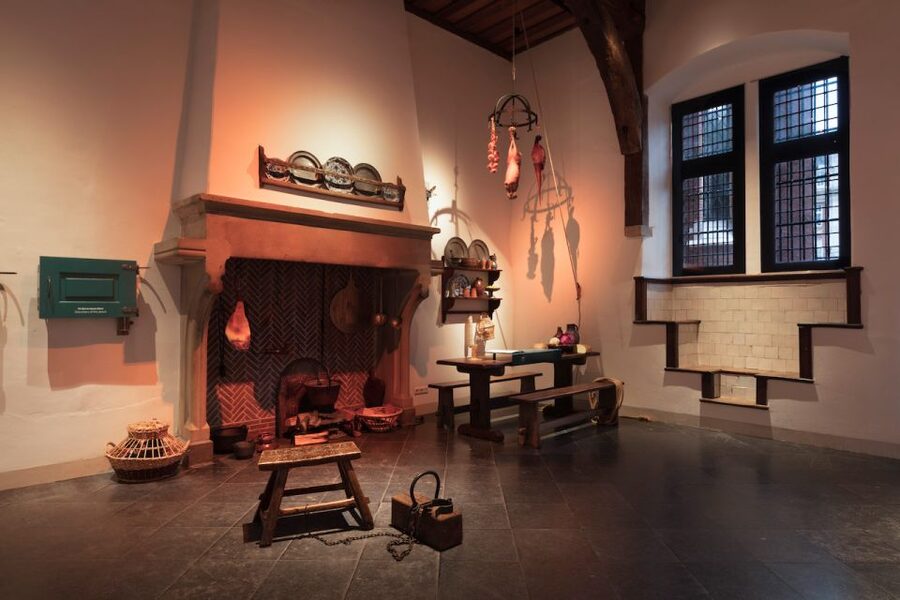
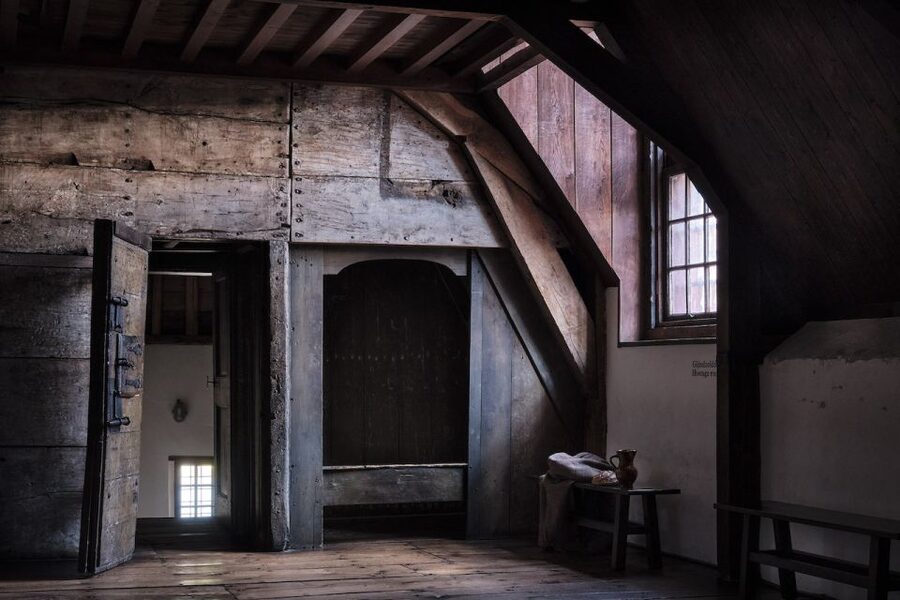
The old prison cells are the heart of the visit. They help you picture the practical side of punishment: where people waited, how they were held, and what it meant to lose your freedom before modern prison systems existed.
The museum asks useful questions as you move through the building. Where did prisoners sleep? How were they treated before trial? Did money or social position change their experience? Where did they hear the verdict?
Those questions give the rooms a human scale. A cell is easy to pass through as an old stone chamber, but it becomes more meaningful when you connect it to someone waiting for a ruling that could alter the rest of their life.
The difference between poor and rich prisoners is one of the more revealing parts of the museum. The display explains that imprisonment was not always the same for everyone. Social position and money could affect a prisoner’s treatment, a point that makes the old legal system feel less distant.
You should take your time in these rooms. The building is the evidence. Its age, layout, and cramped spaces communicate more than a modern reconstruction could.
The courthouse explains the path from accusation to verdict
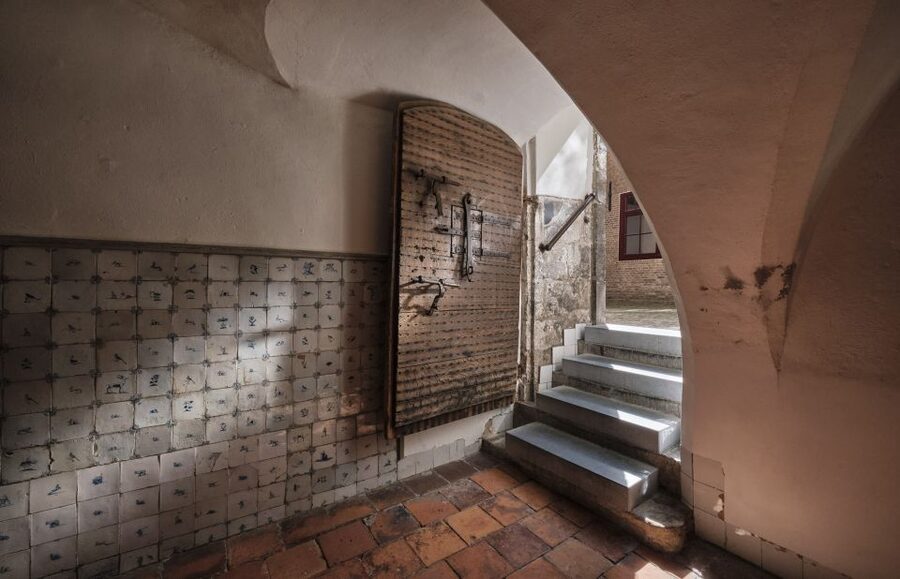
The Prison Gate also served as a courthouse. That makes the visit more than a look at prison walls and punishment instruments. You learn how the legal process worked, from accusation and detention to trial and judgment.
The museum’s story follows the people who passed through the system. Some were suspected criminals. Others were debtors. All had to wait for a decision in a period when legal protection, medical care, and prison conditions were very different from today.
A particularly useful part of the visit is the attention to where prisoners heard their verdict. It gives the building a clear sequence: a person entered under suspicion, waited in a cell, faced the court, and then learned the result.
You may find this section more interesting than a simple display of old objects because it explains how the rooms worked together. The prison, the court, and the gateway were all part of one system.
The De Witt brothers bring Dutch politics into the story
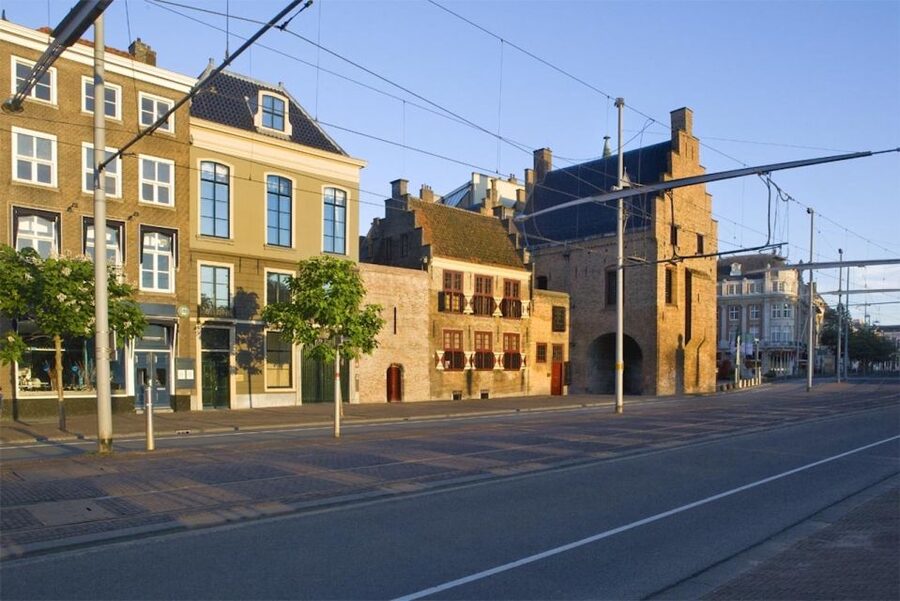
The murder of Johan and Cornelis de Witt is one of the key historical events connected with the Prison Gate. Their imprisonment here links the building to national politics, not only everyday crime.
The brothers were important Dutch political figures. Their story shows how the museum can move from ordinary prisoners and debtors to events that shook the country. You do not need a detailed knowledge of Dutch history to understand why their imprisonment matters. The building makes the connection tangible.
This is one reason I would recommend the museum to anyone already visiting the Binnenhof area. The Prison Gate gives physical context to Dutch history. Instead of reading only about political conflict, you see the place where the brothers were held.
The museum presents this episode as part of the wider story of crime, justice, and power. That is a useful approach. It avoids treating the building as a single famous incident and instead shows how the same prison served many purposes over time.
Same city, a different sort of day:
- The Hague: City Canal Cruise
★ 4.6 · 2,024 reviews - The Hague: Madurodam Miniature Park Entry Ticket
★ 4.6 · 1,559 reviews - The Hague: Hop-on Hop-off Old-Fashioned Heritage Tram Tour
★ 4.4 · 1,083 reviews - The Hague: Scheveningen Beach RIB Speedboat Tour
★ 4.7 · 330 reviews
Torture tools are powerful, not easy decoration
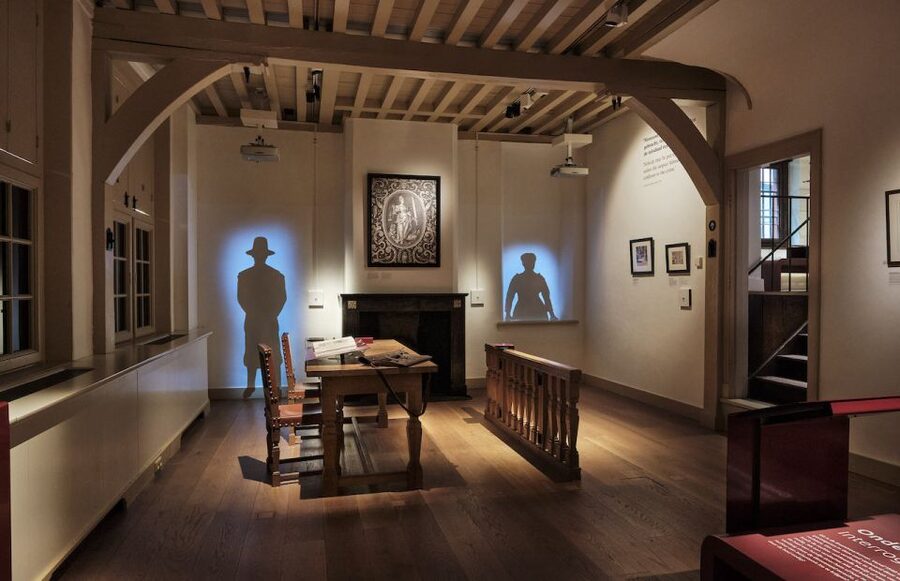
The museum includes the national collection of torture and punishment instruments. These objects draw attention quickly, but they are best understood in context.
You see tools connected with the ways authorities punished people in earlier centuries. The display is not just about shock. It helps explain how justice could be public, physical, and severe.
This section may be difficult for some children or for anyone sensitive to violent historical material. The information provided does not set out specific age guidance, so use your own judgment. If you prefer your history with less graphic material, spend more time with the building, prison cells, and political story instead.
For most adults, the instruments make the legal system easier to understand. The harsh objects show that punishment was part of a wider public process. The court issued the decision, the prison held the accused, and the sentence could be carried out in a very physical way.
The self-guided format gives you control
There is no guided tour included with this experience. You receive entry to the museum and explore the building on your own.
That has clear advantages. You can pause at the De Witt material, move quickly through sections that interest you less, and spend extra time in the cells or with the punishment collection. You are not tied to a group’s pace.
The tradeoff is that you must read and interpret the museum yourself. A guide could add more context about Dutch politics, the Hof van Holland, or individual prisoners. If you have limited time or want every detail explained aloud, check carefully before booking, since the ticket is specifically without a guide.
The museum’s story-led design helps. A German booking comment praised the way the history was presented through a clear story, and that matches the main strength of the visit: the building and objects are arranged to explain a process, not simply displayed without connection.
There are no guide names to note because no guide is part of the experience.
Is $18 a fair price?
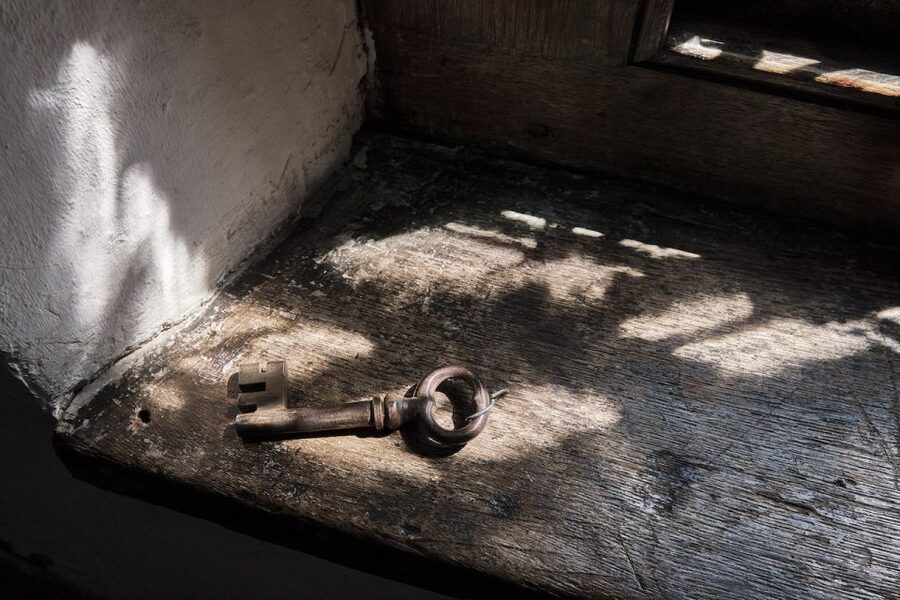
At $18 per person, the Prison Gate Museum offers good value if you care about historic buildings and Dutch political history. You are paying for entry to one of The Hague’s important monuments, along with its old cells, courthouse spaces, and national collection of torture and punishment instruments.
The price is less attractive if you want a long guided tour or a broad museum collection covering all of Dutch history. This is a focused experience. Its subject is crime, punishment, imprisonment, and the building’s role in Dutch events.
The value also depends on how you visit. If you rush through in a few minutes, the ticket may feel expensive. If you read the explanations, consider the prison layout, and connect the De Witt story to the wider legal system, the visit offers much more than a quick photo stop.
Wi-Fi and a wardrobe are included. Food and drinks are not, so plan to eat before or after. The museum’s central location beside the Hofvijver makes it easy to pair with other sights in The Hague, though no transport or meal is included in this ticket.
Who will enjoy this museum most?
I would choose the Prison Gate Museum for you if you like political history, old buildings, legal history, or museums that make the past feel physical. It is especially useful for a first visit to The Hague because it explains the importance of the Binnenhof area through one compact site.
Families with older children may also find it worthwhile, especially if they are curious about prisons, trials, or punishment. The torture collection can be intense, so younger children may need extra guidance.
The museum suits independent visitors who enjoy reading and setting their own pace. It is less suitable for anyone expecting a guided walking tour, a large art collection, or a full-day program with several stops.
The stated validity is one day, and availability shows the starting times. That gives you flexibility, but the visit itself is best treated as one stop within a day in The Hague, not as a complete day-long itinerary.
Booking, cancellation, and practical details
You can cancel up to 24 hours in advance for a full refund. The reserve-now, pay-later option is useful if your schedule is still changing, since you can hold a place without paying immediately.
The ticket includes entry, Wi-Fi, and a wardrobe. It does not include food, drinks, or a guided tour. Make sure you are booking the self-guided museum visit if that is what you want.
The experience provider is Rijksmuseum de Gevangenpoort. The available information does not provide a list of tour languages, so do not assume that a live language option is included.
Should you book the Prison Gate Museum?
Book it if you want a focused look at one of The Hague’s oldest civic buildings and the people who passed through its prison and courtroom. The strongest reasons are the original medieval setting, the De Witt connection, and the clear story of how accusation became trial and punishment.
Skip it if you need a guide, dislike difficult material about torture, or want a larger museum with many unrelated subjects. For most history-minded visitors, $18 is a fair price for a compact, memorable stop beside the Hofvijver.
FAQ
Where is the Prison Gate Museum located?
Rijksmuseum de Gevangenpoort is in The Hague, in South Holland, beside the Hofvijver.
How much does admission cost?
The listed price is $18 per person.
Is the visit guided?
No. The experience is self-guided, and a guided tour is not included.
What is included with admission?
Entry to the museum, Wi-Fi, and use of a wardrobe are included.
Are food and drinks included?
No. Food and drinks are not included.
What can I see inside the museum?
You can see centuries-old prison cells, courthouse spaces, historical displays about crime and punishment, and a national collection of torture and punishment instruments.
Which Dutch figures were imprisoned there?
Johan and Cornelis de Witt were imprisoned at the Prison Gate.
How long is the ticket valid?
The ticket is valid for one day. Starting times depend on availability.
Can I cancel my booking?
Yes. You can cancel up to 24 hours in advance for a full refund. You can also reserve now and pay later.
Just added in The Hague
- Private Tour of The Hague, Delft and Rotterdam with Lunch★ 5.0 · 3 reviews
- Historical The Hague: Private Tour with Local Guide★ 5.0 · 6 reviews
- The Blue’s Clues in Delft Exploration Game and Tour★ 3.5 · 10 reviews
- The Hague Self-Guided Audio Tour★ 5.0 · 3 reviews
- Discover Historical Delft with an Audio Guide★ 5.0 · 3 reviews
- Delft 2-Hour Walking Tour | Discover The City With A Local★ 4.5 · 8 reviews
- 90 minutes Self Guided Walking Tour with puzzles in Den Haag★ 4.5 · 7 reviews
- The Hague Walking Tour★ 4.5 · 16 reviews
Museums, compared.

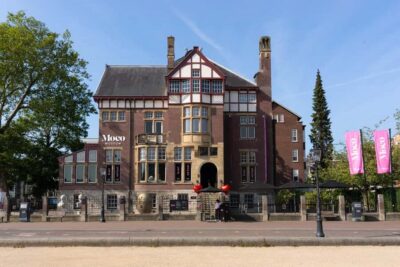
Moco Museum Amsterdam Entrance Tickets with Banksy & More
Read our review →



Browse the lists this tour appears in