
Reviewed · HISTORICAL TOURS
Amsterdam: Allard Pierson Heritage Collections Entry Ticket
The most interesting thing here is the range. In one museum, you can move from Egyptian hieroglyphs and Roman glass to medieval manuscripts, 17th-century atlases, cookbooks, and early industrial books. It is less a single-topic museum than a record of human curiosity, told through objects people made, collected, studied, and passed on.
I especially like the world-class map and atlas collection and the attic display of plaster casts from Greek and Roman art. The current mummy portrait exhibition adds a human touch, placing painted faces from Roman Egypt beside the stories of the people who made, owned, studied, and preserved them. The main drawback is that the collection is broad rather than tightly focused, so visitors wanting one clear story may find it somewhat scattered.
Key points to know
- Ancient and modern worlds meet: Follow the story from the origins of writing to book production and Amsterdam’s own cultural life.
- Mummy portraits are the current draw: Face to Face brings together about 38 Roman-era portraits from Egypt.
- The map room is a major attraction: The museum holds one of the largest map and atlas collections in the world.
- The plaster casts occupy an attic setting: An audioguide helps explain casts of famous Greek and Roman statues.
- The ticket lasts one day: You can take your time with both permanent and temporary exhibitions.
- The price is reasonable for a specialist museum: At $18, it offers more range than a quick one-room visit, though the experience suits curious museumgoers best.
A Museum Built Around Human Curiosity
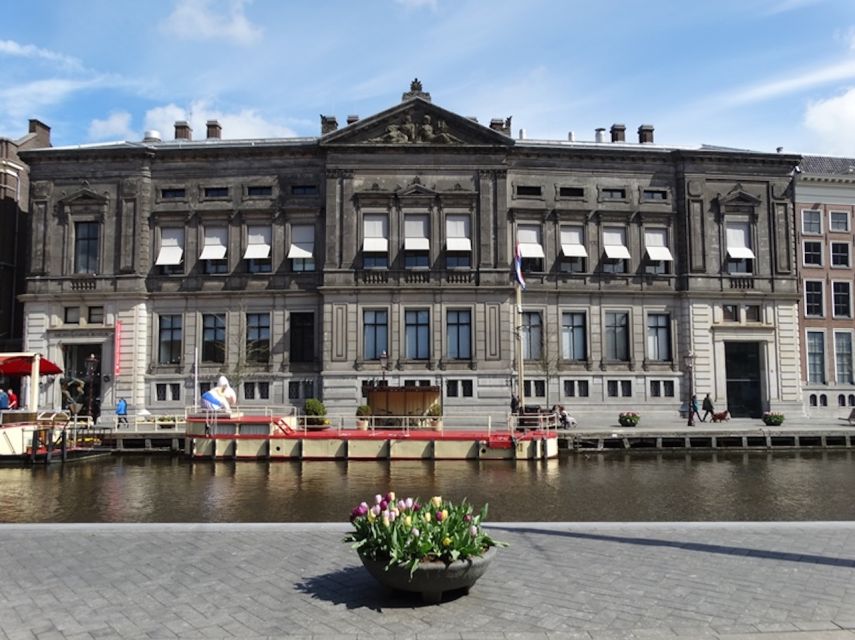
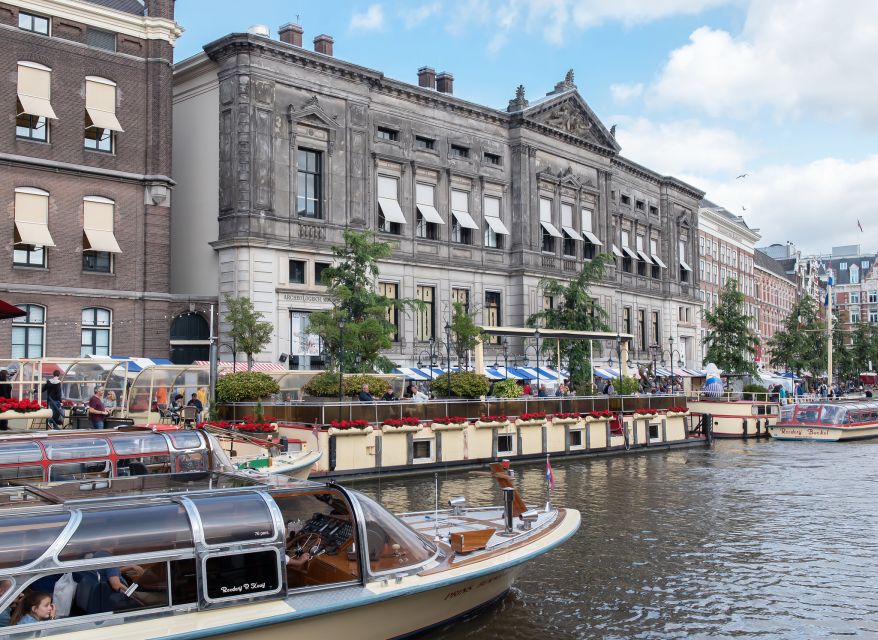
The Allard Pierson is a good choice when you want more than a parade of famous paintings. Its permanent presentation asks how people have recorded the world, explained it, copied it, and preserved it.
You begin with subjects tied to the ancient world, including writing, Egyptian culture, Greek pottery, Roman glass, and Assyrian merchants. From there, the story moves into manuscripts, books, maps, church history, zoology, and the ways collecting changed over time.
That broad sweep is the museum’s strength. You can see the physical steps between a clay tablet, a handwritten manuscript, a printed book, and a carefully drawn atlas. These are not isolated objects. Together, they show how information moved from hand to hand.
The weakness is just as clear. If you prefer a tightly arranged exhibition with one central subject, the number of themes may feel like a lot to absorb. I would visit with a simple plan: choose two or three sections that matter most to you, then let the rest be an unexpected bonus.
A few more things to do in Amsterdam worth a look
- Amsterdam Food and Cultural Tour with Tastings
★ 5.0 · 2,442 reviews - Amsterdam: Haunted History and Ghost Walking Tour
★ 4.5 · 488 reviews - Amsterdam High-End Dutch Food & History Tour – Up to 8 guests
★ 5.0 · 482 reviews
Ancient Egypt and Sudan Through Objects
The Egyptian and Sudanese collections give the museum some of its strongest visual material. Hieroglyphs make writing feel concrete, rather than an abstract school subject. Egyptian objects also connect language, religion, daily life, and death in ways that are easy to understand through original pieces.
The Sudanese material broadens that picture. It helps place ancient Egypt within a larger northeast African setting, rather than treating Egypt as an isolated civilization. The exact balance of objects and displays may vary, but you can expect this section to form an important part of the museum’s ancient-world presentation.
I like this area for a first visit because it gives you an immediate sense of time and place. You can look closely at the marks, materials, and forms that survived for centuries. At the same time, do not expect every object to arrive with a long wall text. The museum works best when you pause over the pieces that catch your eye and use the wider exhibition to connect them.
Face to Face With Roman-Era Mummy Portraits
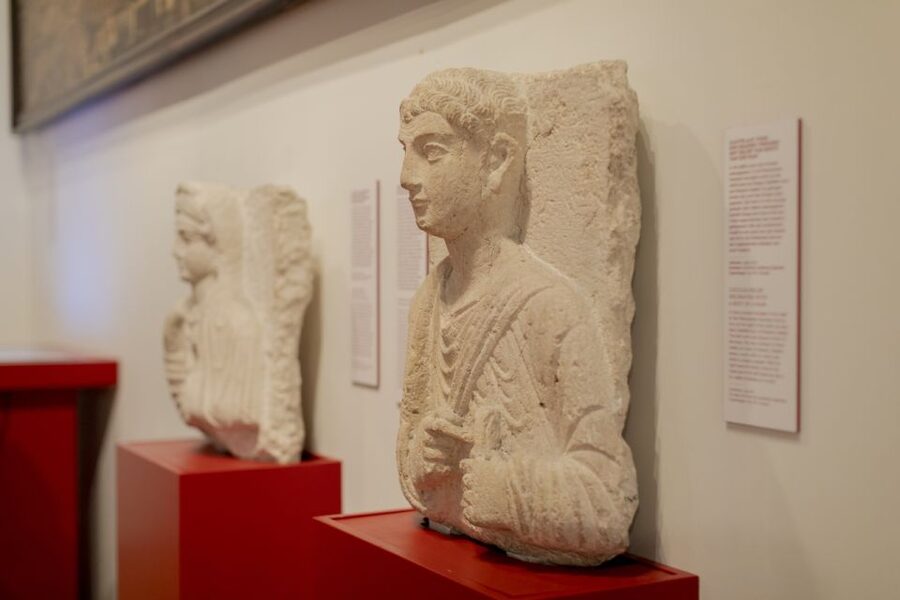
The temporary exhibition Face to Face: The People Behind Mummy Portraits is a particularly strong reason to visit during its run, from October 6 through February 25. It is presented as the first exhibition in the Netherlands devoted to ancient Egyptian mummy portraits.
About 38 portraits have been brought together from collections around the world, including the Louvre and the J. Paul Getty Museum, along with works from the Allard Pierson. These paintings were made in Roman-period Egypt, from the first to the fourth century AD, and placed over the faces of mummified people.
The portraits are often painted on wooden panels. That detail matters. You are not looking at distant gods or anonymous symbols, but at individual faces created to preserve a person’s appearance nearly 2,000 years ago.
The exhibition also looks beyond the portraits themselves. You meet the makers, descendants, collectors, archaeologists, and researchers connected with these works. That gives the display a wider human story. It asks not only who was painted, but also who created the image, who cared for it, who removed it from its original setting, and who studies it today.
This is likely to be the most emotionally direct part of your visit. The number of portraits is large enough to show different styles and faces, but still small enough to remain manageable. If the temporary exhibition is open during your visit, I would make it a priority before moving to the broader permanent displays.
The Map and Atlas Collection
The Allard Pierson has one of the largest map and atlas collections in the world. For many people, this will be the museum’s most memorable section.
Maps reveal how people understood their surroundings at a particular moment. They show routes, borders, coastlines, cities, trade links, and mistaken ideas. Atlases also reveal the practical side of knowledge. They were made to be handled, consulted, compared, and used.
The Amsterdam connection is important here. The city’s book and trade traditions helped make maps and printed works central to its cultural life. You can place the city’s story within a larger European history of printing, commerce, and exploration without reducing the collection to a simple tale of progress.
This section rewards patience. Do not rush past a map because you recognize the outline of a country. Look at the details around the edges, the symbols, the lettering, and the way the maker organized the page. A map is both information and design.
The collection may be less immediately dramatic than the mummy portraits, especially for children or visitors who are not drawn to paper objects. Still, it gives the museum a distinctive identity. Few Amsterdam museums can connect ancient records, early books, and large-scale cartographic work so directly.
Same city, a different sort of day:
- Amsterdam: Van Gogh Museum Ticket
★ 4.7 · 52,054 reviews - Amsterdam Classic Saloon Boat Cruise with Drinks and Cheese
★ 5.0 · 31,825 reviews - Amsterdam Luxury Canal Cruise + Unlimited Drinks & Bites option
★ 5.0 · 30,518 reviews - Amsterdam: Heineken Experience Ticket
★ 4.6 · 30,055 reviews
Books, Manuscripts, and the Story of Amsterdam
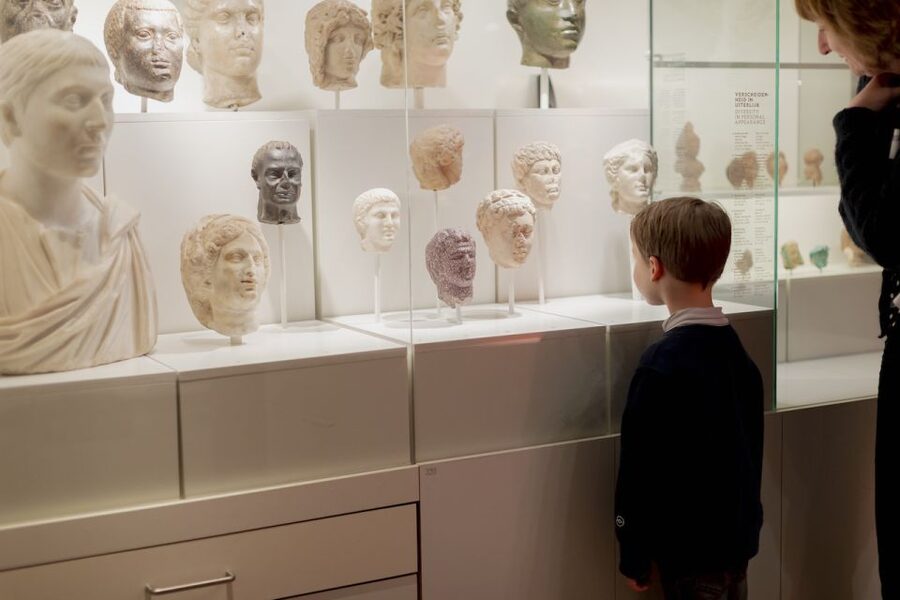
The book history displays trace how written material changed from early forms of writing to medieval manuscripts and early industrial book production. You can see that a book is not only a container for words. It also reflects technology, money, education, religion, and the habits of its readers.
Medieval manuscripts show the labor behind handwritten books. Later printed works point to the growing ability to produce books in larger numbers. Cookbooks add a useful everyday angle. They remind you that book history is not only about scholars and religious texts, but also about ordinary instructions, tastes, households, and practical life.
The Amsterdam material gives the collection a local anchor. Instead of treating the city as a background, the museum explains how Amsterdam became linked with publishing, collecting, trade, and the circulation of ideas.
This is one place where your interests will shape the visit. A person fascinated by typography or old paper could spend a long time here. Someone hoping for large objects and dramatic rooms may move through it more quickly. I would treat the books as evidence of changing daily life, not simply as precious old items behind glass.
The Attic of Classical Plaster Casts
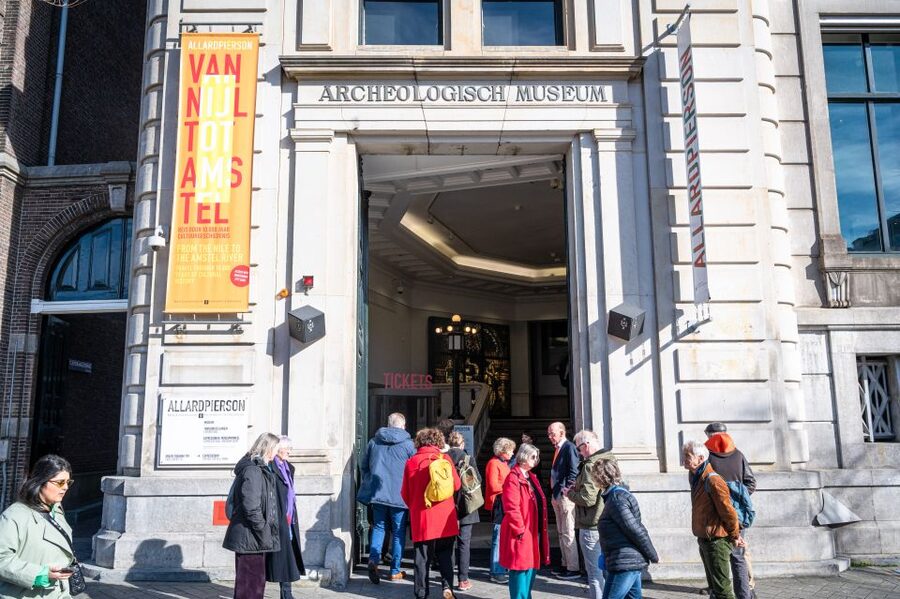
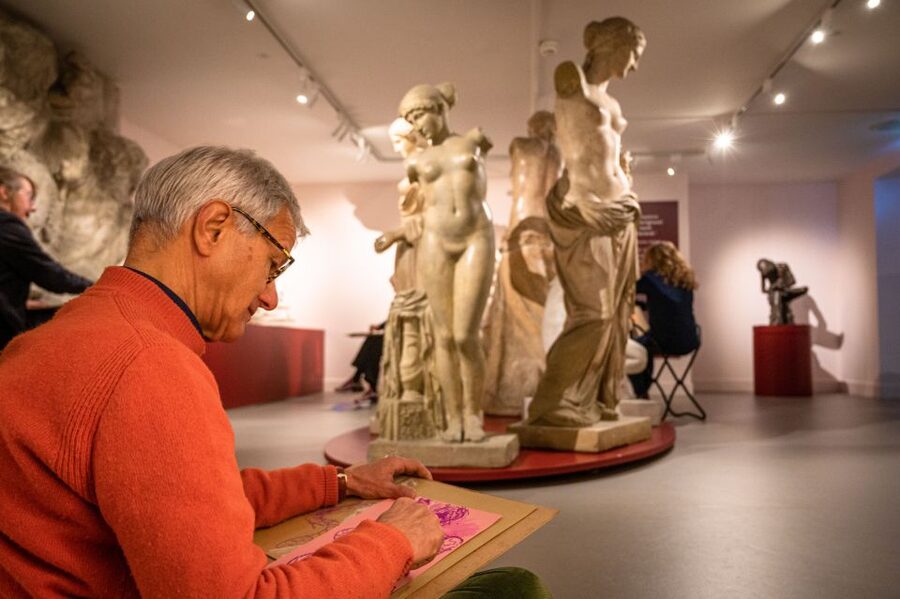
The plaster-cast collection is one of the museum’s more unusual features. In an attic setting, you can see casts of famous classical statues from the Greek and Roman eras.
These are not original ancient sculptures, and that distinction matters. Their value comes from the history of copying, teaching, and preserving classical art. For generations, plaster casts helped students and the public study forms that could not be transported easily or seen in their original locations.
The attic setting gives this part of the museum a different feel from the display cases below. It is a little more unexpected and less formal. You are looking at familiar classical forms, but also at the ways later generations chose to reproduce and teach them.
An audioguide is included for the plaster collection. Use it here, since the casts may mean more when you understand what they represent and why they were made. This is not the section to rush through with only a quick glance.
It may not appeal to everyone. If you have already seen many classical sculptures, the casts could feel secondary. If you are interested in museums, art education, or the afterlife of ancient Greek and Roman culture, this room adds a useful layer to the visit.
From Assyrian Merchants to Amsterdam Theatre Makers

The permanent presentation also reaches beyond the most familiar ancient civilizations. It includes stories of Assyrian merchants and theatre makers in Amsterdam, linking movement, trade, performance, and city life.
These subjects help prevent the museum from becoming a simple march through dates. The focus is on people and their activities: trading, performing, writing, collecting, and finding new ways to record experience.
I like this approach because it connects ancient material with a modern city. You are not asked to place the ancient and modern worlds in separate boxes. Instead, the museum shows recurring human habits: people exchange goods, tell stories, build records, and create public culture.
The scope can also feel uneven. Some subjects may hold your attention longer than others, and the museum cannot give every theme equal space. That is normal for a collection this broad. Think of your visit as a series of linked rooms rather than one smooth chronological tour.
How Long to Spend and Who Will Enjoy It
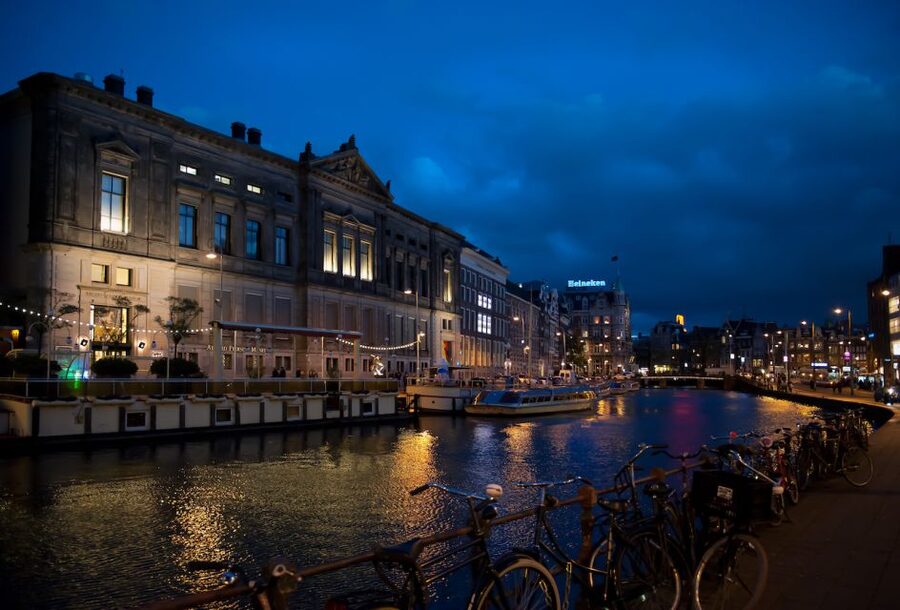
Your ticket is valid for one day, so you do not need to treat the museum like a quick stop between major Amsterdam sights. The amount of time you need depends on your habits.
If you read only the main labels and focus on the largest displays, you can make a shorter visit. If you study maps, books, manuscripts, and the mummy portraits carefully, the museum can occupy a substantial part of your day.
I would recommend it most to:
- People who enjoy archaeology, old books, maps, or museums about collecting
- Families with older children who can handle several different subjects
- Students and researchers interested in material culture
- Returning Amsterdam visitors who want something beyond the city’s best-known art museums
- Anyone interested in how people preserve knowledge across centuries
It is less suitable if you want a fast, highly visual attraction with one famous centerpiece. The displays ask for attention. You get more from the museum when you read, compare, and make connections.
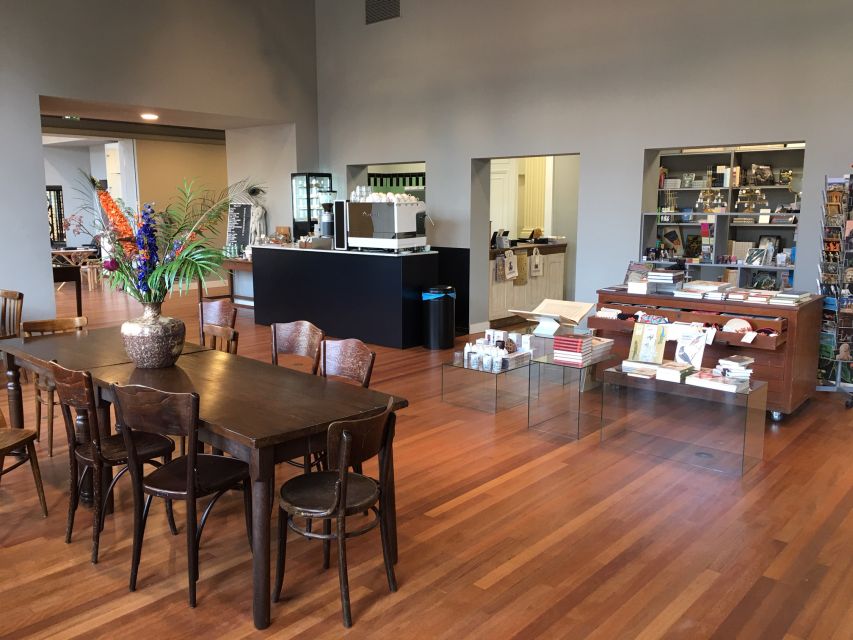
The host or greeter language is English, and the activity information lists the museum as wheelchair accessible. An audioguide is available for the plaster collections. You also have access to the museum shop and café, useful if you plan a slower visit.
Is $18 Good Value?
At $18 per person, the ticket is fairly priced for a full-day museum visit, especially because it includes both the permanent and temporary exhibitions. The value is strongest if you are genuinely interested in several subjects rather than only one.
The map collection alone may justify the price for a cartography enthusiast. The mummy portrait exhibition gives the ticket extra appeal during its limited run. The plaster casts, books, Egyptian material, and local Amsterdam themes add further reasons to stay longer.
The value is weaker if you plan to spend only 30 minutes inside. This is not a quick photo stop. Its appeal comes from the quantity and variety of material, and that only pays off when you give the displays time.
The ticket also includes free cancellation up to 24 hours before the visit, and you can reserve now and pay later. Those terms are useful if your Amsterdam plans are still shifting, but the main question remains simple: will you spend enough time with the collections to make the admission worthwhile?
Practical Advice Before You Go
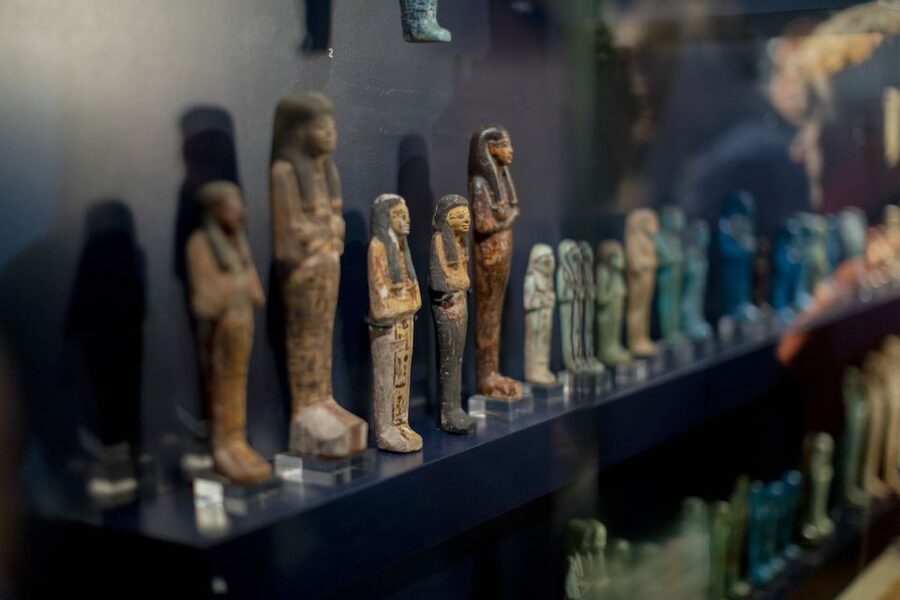
Start with the temporary mummy portrait exhibition if it is running during your visit. It has a clear theme and a limited date range, while the permanent presentation will still be there afterward.
Next, choose the permanent sections that match your interests. Map lovers should allow extra time for the atlases. Readers and history students should linger over the manuscripts and books. Art enthusiasts should save energy for the attic plaster casts and use the included audioguide.
Do not expect a traditional guided tour with a named personal guide. The listed host language is English, and the museum experience is built around self-guided viewing, exhibition text, and the plaster-collection audioguide.
The museum shop and café make it easier to treat the visit as a longer cultural stop rather than a brief attraction. That is useful on a rainy Amsterdam day or when you want a quieter change from crowded central sights.
Should You Book the Allard Pierson?
Book it if you like museums that connect objects across time. The Allard Pierson is especially rewarding for anyone drawn to maps, manuscripts, archaeology, and the history of collecting. During the Face to Face exhibition, the mummy portraits add a strong and memorable focus.
Skip it if you want one tightly defined subject or a fast-moving sightseeing stop. The museum’s range can feel scattered, and one short visit may not give you enough time to appreciate its best sections.
At $18, I think the ticket makes sense for curious museumgoers who can spare several hours. Go with a few interests in mind, use the audioguide in the plaster collection, and give the mummy portraits and atlases the attention they deserve.
FAQ
Where is the Allard Pierson located?
The museum is in Amsterdam, in North Holland, Netherlands.
How much does admission cost?
The listed price is $18 per person.
How long is the ticket valid?
The ticket is valid for one day.
What does the ticket include?
It includes entry to the permanent and temporary exhibitions, access to the museum shop and café, and an audioguide for the plaster collections.
Is the mummy portrait exhibition included?
Yes. The ticket includes the temporary exhibition Face to Face: The People Behind Mummy Portraits when it is running.
When is Face to Face: The People Behind Mummy Portraits on?
The listed exhibition dates are October 6 through February 25.
What languages are available?
The activity information lists English as the available language, including the host or greeter language.
Is the museum wheelchair accessible?
Yes, the museum is listed as wheelchair accessible.
Can I cancel the booking?
Yes. You can cancel up to 24 hours in advance for a full refund.
Just added in Amsterdam
- Guided Day Trip – Volendam, Zaanse Schans, Marken & Edam★ 4.0 · 232 reviews
- Private Tour Zaanse Schans Windmills and Volendam in Jaguar★ 5.0 · 10 reviews
- Zaanse Schans and Giethoorn Unique Day Trip with Boat Cruise★ 4.5 · 17 reviews
- Half-Day Private Guided Sightseeing Tour of Zaanse Schans★ 5.0 · 14 reviews
- Private bike tour: Hidden gems around Amsterdam and surroundings★ 5.0 · 4 reviews
- Bike tour in Amsterdam with an Italian guide★ 5.0 · 15 reviews
- Zaanse Schans Private Tour Windmills★ 5.0 · 18 reviews
- Amsterdam Sightseeing Tour + Hidden Gems + Tastings + PDF guide★ 5.0 · 35 reviews
Historical Tours, compared.
Amsterdam Food and Cultural Tour with Tastings
Read our review →
Kinderdijk UNESCO World Heritage Entry Ticket
Read our review →
Hop-on Hop-off Old-Fashioned Heritage Tram Tour
Read our review →

Amsterdam High-End Dutch Food & History Tour – Up to 8 guests
Read our review →
Cruise through the Historic City Center with Guide
Read our review →
Browse the lists this tour appears in