
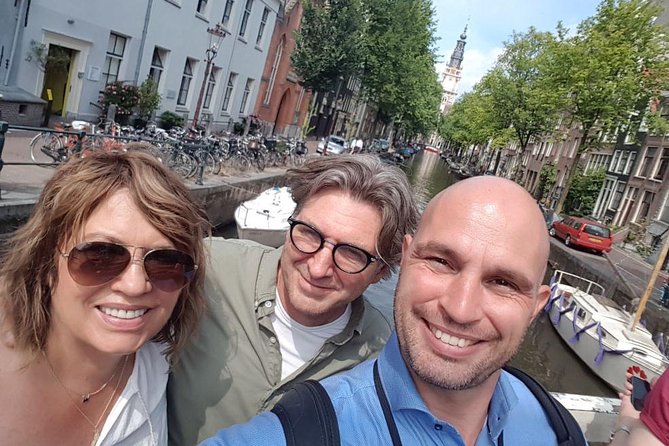
Reviewed · HISTORICAL TOURS
Financial History Tour
Amsterdam’s financial story begins in the streets around Dam Square, where exchange buildings, merchant wealth, banking, and trade helped shape the city you see today. This tour connects those forces to real places, including Beurs van Berlage, the Amsterdam City Archives, and the floating flower market.
I like the private format, which gives your group a more personal pace, and I like the focus on overlooked corners rather than only the standard postcard stops. The main drawback is the price for a small party: $390.50 is a good group value for ten people, but a steep bill for one or two.
Key points to know before booking
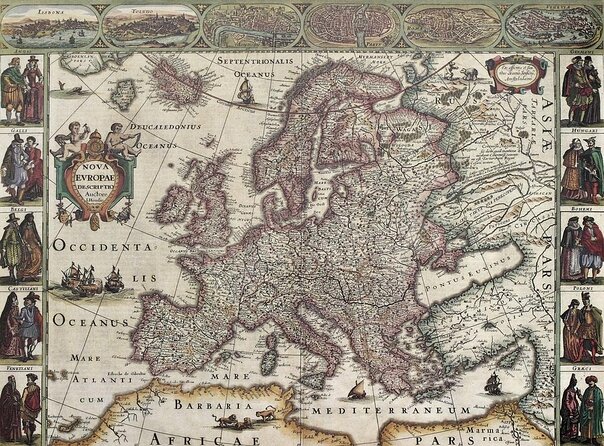
- Amsterdam’s financial story begins around Dam Square, with exchange buildings and the old commercial center.
- Beurs van Berlage provides a strong opening point and is free to visit from the outside.
- The Amsterdam City Archives occupies a former 1920s bank building, with a basement treasury area.
- Tulip Mania gets its own stop at the floating flower market, linking trade, speculation, and Dutch culture.
- The private group format covers up to 10 people, with the guide able to tailor the experience to your interests.
- Guide Tijs de Boer adds local tips, including advice on places and activities beyond the tour itself.
Why Amsterdam’s money story is worth your time
Most first visits to Amsterdam focus on canals, paintings, churches, and narrow houses. Those are good reasons to come, but money explains much of the city’s shape. Commercial success influenced where people built, how merchants lived, and why Amsterdam became an important center for trade and finance.
This walk gives you that missing layer. Instead of treating the city as a collection of pretty façades, it asks who paid for them, how merchants made their fortunes, and how new financial ideas changed daily life. You are not simply looking at old buildings. You are learning to read them.
I especially like this approach if you have already seen the main sights or want a more focused introduction to Amsterdam. It also works well early in a visit, since the guide, Tijs de Boer, can provide local hints about what else to see and do. The available information describes him as a guide who offers insight beyond the main subject, so you can expect the conversation to reach beyond a narrow lecture about banks.
The tone should appeal to you if you enjoy economics, business, politics, or social history. You do not need a finance background. The subject is presented through streets, buildings, merchants, and one famous market craze.
A few more things to do in Amsterdam worth a look
- Amsterdam Food and Cultural Tour with Tastings
★ 5.0 · 2,442 reviews - Amsterdam: Haunted History and Ghost Walking Tour
★ 4.5 · 488 reviews - Amsterdam High-End Dutch Food & History Tour – Up to 8 guests
★ 5.0 · 482 reviews
Starting at Beurs van Berlage near Dam Square
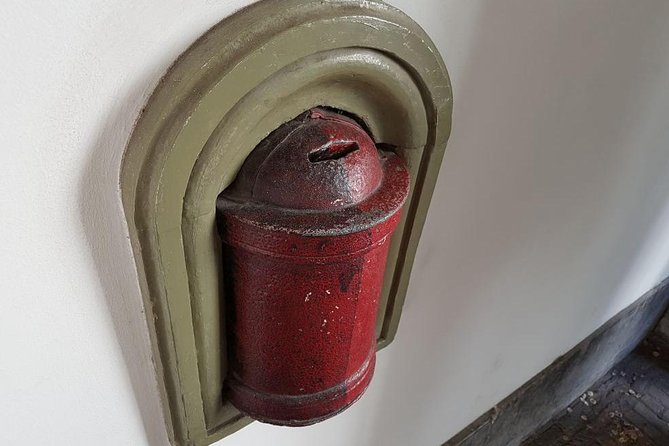
The meeting point is Bistro Berlage at Beursplein 1, a short walk from the center of Dam Square. Beurs van Berlage is a fitting place to begin because it was one of Amsterdam’s exchange buildings. It puts the central question of the tour in front of you at once: how did trade and finance affect the city?
The building also helps you get your bearings. You are starting in an area where Amsterdam’s commercial and civic life came together. Rather than opening with a long abstract explanation, the tour places you beside a real structure connected to exchange and business.
The first stop is listed as about 10 minutes, with no admission charge. That makes it a brief introduction rather than a full building visit. You should expect the emphasis to be on the site’s place in Amsterdam’s financial development, not on spending a large portion of the tour inside.
That short opening is useful. It gives the tour a clear framework before you move through the city. If you prefer long visits to individual museums, this may feel quick. If you like walking tours that keep moving, the pace should suit you.
The old commercial heart around Dam Square
From Beurs van Berlage, the tour explores the historical and financial center of Amsterdam. This part matters because the city’s commercial power was not spread evenly. Certain streets and buildings carried much of the business, credit, and decision-making.
Look for the connection between location and success. Amsterdam’s central area was not chosen at random. Trade, public life, and financial activity gathered here, and that concentration helped the city grow. The tour’s value comes from making those links clear while you are standing in the places where they mattered.
This is also where the private format can help. With only your own group, you can ask why a particular building mattered, how merchants operated, or how the city’s financial role affected ordinary residents. A larger group often pushes such questions aside. Here, the format gives you room to follow an idea when it catches your attention.
The tour lasts about two and a half hours, so this section is part of a wider walk rather than the whole experience. Wear comfortable shoes and be prepared for a moderate amount of walking. The activity requires a moderate physical fitness level, and its central location makes public transportation a practical choice.
Inside the former bank at Amsterdam City Archives
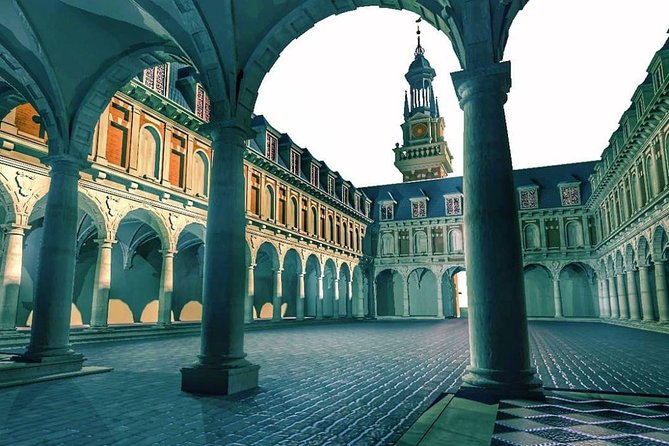
The Amsterdam City Archives brings the story into a different setting. The archives are housed in a former 1920s bank building, and the basement reveals the old treasury area. This is one of the more unusual stops because it connects financial architecture with the preservation of the city’s documents.
The idea of visiting a bank’s former basement treasury gives the tour a physical edge. You are not only hearing about wealth and institutions. You are seeing a space designed to protect valuable material. That helps explain the confidence and caution built into banking.
The stop is listed at about 10 minutes, with admission included. Again, this is a compact visit. Do not book the tour expecting a full afternoon in the archives or a long museum program. The archive stop works as a sharp illustration within the walking route.
The guide uses this setting to consider Amsterdam’s wealthy merchants and how they made their money. That question is important because merchant wealth was tied to trade, risk, investment, and access. The tour gives you a way to think about the people behind the grand houses and civic projects.
I would pay close attention here if you are interested in social class. Financial success did not simply create private fortunes. It affected the city’s public buildings, cultural life, and the way Amsterdam presented itself. The archive basement offers a compact but memorable way to connect those subjects.
Same city, a different sort of day:
- Amsterdam: Van Gogh Museum Ticket
★ 4.7 · 52,054 reviews - Amsterdam Classic Saloon Boat Cruise with Drinks and Cheese
★ 5.0 · 31,825 reviews - Amsterdam Luxury Canal Cruise + Unlimited Drinks & Bites option
★ 5.0 · 30,518 reviews - Amsterdam: Heineken Experience Ticket
★ 4.6 · 30,055 reviews
Tulip Mania at the floating flower market
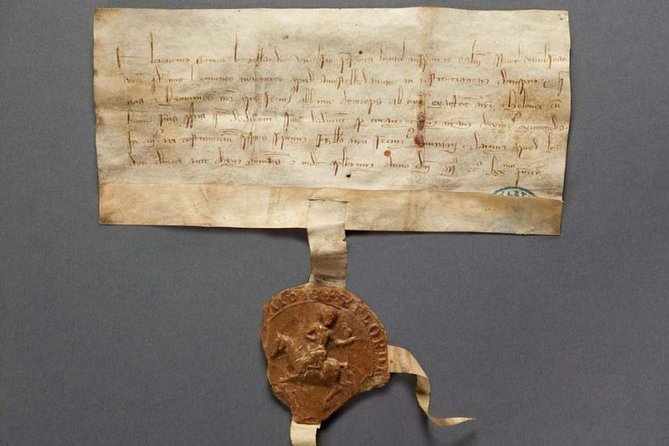
The floating flower market provides the tour’s most famous financial lesson. Tulip Mania is often presented as a colorful story about greed and speculation, but it is more useful when treated as an example of how markets can be shaped by excitement, limited supply, and the hope of quick profit.
You will learn how the first major economic bubble was created, using the flower market as the setting. The subject fits Amsterdam especially well because tulips are tied so closely to Dutch identity and tourism. Here, a familiar symbol becomes a doorway into the mechanics of speculation.
This stop should also provide some of the best photo opportunities. The floating market is one of Amsterdam’s recognizable places, and it adds visual variety after the exchange buildings and archive basement. You get flowers, water, and city views, while still following the financial theme.
Keep in mind that the exact amount of time at this stop is not specified. The tour is about 2 hours and 30 minutes in total, so the market is part of a carefully paced route. You should expect an outdoor visit and an explanation of Tulip Mania, not a lengthy shopping session.
The floating market also shows why this tour is more than a standard city walk. It links a popular attraction to a larger question: how did money change Dutch culture? You see a market that is attractive and familiar, then learn how trade and speculation helped shape the meaning attached to it.
A private group can change the pace
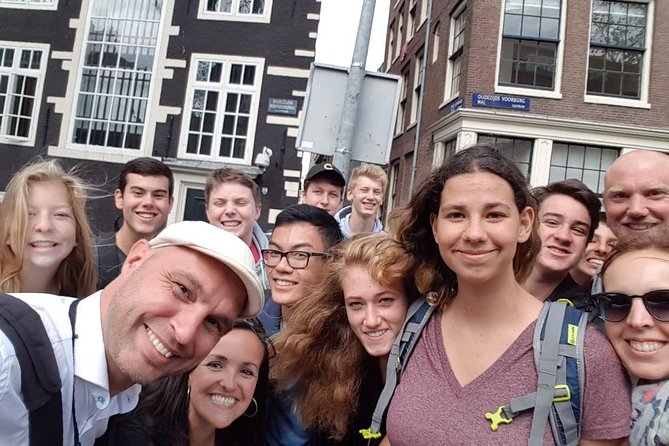
This is a private tour, so only your group takes part. The maximum is 10 people, which makes the pricing important. At the full group size, the cost works out to about $39.05 per person. For five people, it is about $78.10 each. For two people, it is $195.25 each.
That is not a bargain for a couple, but it can be fair for a family, group of friends, or small organization that wants a private guide. You are paying for exclusivity, a fixed group format, and the chance to ask questions without strangers setting the pace.
The tour is offered in English. Since the subject includes finance, banking, and economic bubbles, a clear explanation matters. The personal format also makes it easier to pause when you want more context or move along when a point is already familiar.
The tour begins at Beursplein 1 and ends at Rokin 24HS. The ending point is on the other side of Dam Square, about 500 meters from the start. That is convenient for continuing into central Amsterdam, though you should not expect to return to the exact starting door.
What the timing means for your day
A 2.5-hour tour takes a useful middle ground. It is long enough to develop a theme but short enough to fit beside other Amsterdam plans. You can schedule it in the morning or afternoon without giving up a full day.
The short stops at Beurs van Berlage and the City Archives suggest a moving walking route. You will be changing places, hearing explanations, and taking photos rather than settling into one museum for hours. That makes the experience good for you if you learn best by connecting several locations.
The route also has a clear beginning and end. Starting near Beurs van Berlage and finishing near Rokin means you cross a compact section of central Amsterdam. Since both points are near public transportation, getting to the meeting point and continuing afterward should be straightforward.
The activity is booked an average of 28 days ahead, which suggests that planning early is sensible, especially if you have fixed dates. Confirmation is provided at booking. The cancellation terms are friendly as long as you act in time: cancel at least 24 hours before the start for a full refund. Changes or cancellations inside that 24-hour window are not accepted for a refund.
Who will get the most from this tour
I would choose this tour if you want Amsterdam explained through commerce rather than only art and architecture. It suits adults, students, business-minded visitors, and anyone curious about how cities grow around trade.
It is also a smart choice for repeat visitors. If you have already walked the canals and visited the major museums, a financial theme gives familiar streets a new purpose. The route includes well-known locations, but the focus shifts from sightseeing checklist to historical connection.
Families can enjoy it if older children are interested in money, markets, or unusual stories. Younger children may find the banking and merchant material less engaging, especially during the short archive stop. The private structure helps because the guide can respond to your group instead of following a fixed lecture for strangers.
You should have moderate physical fitness and be comfortable walking through central Amsterdam. The data does not specify a fully step-free route, seating arrangements, or detailed accessibility features, so ask the provider directly if those points are important for your group.
The strongest reasons to book
The best feature is the subject. Amsterdam’s financial past is not always the first thing people seek, yet it explains much of the city’s public life and appearance. The route turns that subject into something you can see in buildings and markets.
The private setting is another clear advantage. You can ask about the rich merchants, the banking building, Tulip Mania, or other local places without waiting for a large group to catch up. The guide can also offer local hints, which adds value if you are still deciding what to do in Amsterdam.
The tour has a strong mix of settings. You begin with an exchange building, visit a former bank treasury, and finish with a flower market linked to speculation. That variety keeps the subject from feeling like a lecture in a single room.
The main limitation remains cost. The full group price makes sense when ten people share it. For a couple, you should compare it with a small-group walk or a museum visit before booking. You are paying for a private experience, not for a large number of admissions. Only the City Archives admission is specifically included, while Beurs van Berlage is listed as free.
Should you book the Financial History Tour?
Book it if you want a focused, private walk that explains Amsterdam through trade, banking, merchant wealth, and Tulip Mania. It is especially useful for repeat visitors and for groups of several people who can share the $390.50 cost.
Skip it if you want a broad introduction to every major Amsterdam sight, a long museum visit, or the lowest possible price. The route is compact, the stops are brief, and the value depends on your interest in financial history.
For the right audience, this is a smart way to look at Amsterdam differently. You leave the usual canal postcard behind for a while and see how money helped build the city.
FAQ
How long does the Financial History Tour last?
The tour lasts approximately 2 hours and 30 minutes.
Where does the tour begin?
It begins at Bistro Berlage, Beursplein 1, 1012 JW Amsterdam, Netherlands.
Where does the tour end?
The tour ends at Rokin 24HS, 1012 KS Amsterdam, Netherlands. The ending point is on the other side of Dam Square, about 500 meters from the starting point.
How much does the private tour cost?
The price is $390.50 per group, for up to 10 people.
Is the tour offered in English?
Yes. The tour is offered in English and includes a mobile ticket.
What is the cancellation policy?
You can cancel at least 24 hours before the start time for a full refund. Cancellations or changes made less than 24 hours before the start time are not accepted for a refund.
Just added in Amsterdam
- Guided Day Trip – Volendam, Zaanse Schans, Marken & Edam★ 4.0 · 232 reviews
- Half-Day Private Guided Sightseeing Tour of Zaanse Schans★ 5.0 · 14 reviews
- Private Tour Zaanse Schans Windmills and Volendam in Jaguar★ 5.0 · 10 reviews
- Zaanse Schans and Giethoorn Unique Day Trip with Boat Cruise★ 4.5 · 17 reviews
- Zaanse Schans Private Tour Windmills★ 5.0 · 18 reviews
- Private bike tour: Hidden gems around Amsterdam and surroundings★ 5.0 · 4 reviews
- Bike tour in Amsterdam with an Italian guide★ 5.0 · 15 reviews
- Amsterdam Sightseeing Tour + Hidden Gems + Tastings + PDF guide★ 5.0 · 35 reviews
Historical Tours, compared.
Amsterdam Food and Cultural Tour with Tastings
Read our review →
Kinderdijk UNESCO World Heritage Entry Ticket
Read our review →
Hop-on Hop-off Old-Fashioned Heritage Tram Tour
Read our review →
Amsterdam High-End Dutch Food & History Tour – Up to 8 guests
Read our review →
Cruise through the Historic City Center with Guide
Read our review →
Browse the lists this tour appears in